


Grosgrain Ribbon Width Tolerance Checklist for Bulk Orders Buyer
Grosgrain Ribbon Width Tolerance Checklist for Bulk Orders Buyer — the checks that decide whether a quote, sample, or shipment can be approved
The sourcing record for grosgrain ribbon width tolerance for bulk is incomplete until it covers samples, materials, print, tolerances, certifications, and bulk-production risk.
Width tolerance matters more on grosgrain than on satin, because a visible rib makes a narrow ribbon look uneven.
Direct answer: For grosgrain ribbon width tolerance for bulk, buyers should verify samples, materials, print, tolerances, certifications, and bulk-production risk.
Define the Buyer Decision for Grosgrain Ribbon Width Tolerance Checklist for Bulk Orders
- Compare measured width against the PO tolerance band: a width deviation across the quoted quantity creates visible edge gaps in bow assembly and packaging fit. Use a calibrated steel ruler at three points per roll; record the narrowest and widest reading. Rejected finished goods, rework charges, or a full-order return if the ribbon does not seat in the customer's fixture. Flag any roll outside the buyer-approved tolerance of the ordered width and request a replacement before shipment.
- Confirm the supplier's slitting machine calibration record: Uncalibrated blades drift over a bulk run, producing inconsistent widths that compound across multiple rolls. Ask for the last calibration date and the acceptable deviation range documented in the factory's calibration log. Hidden width creep that passes first-roll inspection but fails mid-order, causing a stop-shipment event. Request a width measurement certificate for each production lot before the container is loaded.
- Review the width tolerance clause in the RFQ confirmation: A vague tolerance statement leaves no legal basis to reject off-spec material after payment. Locate the exact millimeter range written in the signed RFQ; if missing, ask for a written addendum. The supplier ships to their internal standard, which may be looser than the limit your assembly requires. Attach the signed tolerance specification to the inspection checklist and share it with the QC team.
- Inspect the first production sample against the width spec: A sample that matches the order tolerance proves the loom setup and slitting process are correct before bulk weaving starts. Measure the sample at the start, middle, and end of the roll; compare each reading to the PO tolerance. Bulk production runs without a verified baseline, so every roll may carry the same hidden deviation. Approve the sample in writing only after all three width readings fall within the agreed band.
Confirm Product and Order Scope
For grosgrain ribbon width, use a release rule: approve only when the supplier evidence matches the written requirement.
- Supplier performs in-process width checks at the slitting stage, not only final inspection. Standard operating procedure for slitting and rewinding, plus dated check sheets. Production supervisor or process engineer. Late-stage width defects are harder to correct and may delay shipment or require rework. Verify SOP includes a written tolerance band and a stop-action rule for out-of-spec rolls.
- Supplier has experience with OEM and ODM ribbon development for custom width programs. Case study or photo set of previous custom-width grosgrain orders, including tooling change records. Sales engineer or account manager. Inexperienced suppliers may reject narrow-width reorders or quote excessive tooling costs. Shortlist only suppliers who can show documented width-change procedures and past client references.
- Width tolerance is contractually guaranteed in the bulk order agreement. Signed quality agreement or purchase order clause specifying acceptance criteria. Supplier legal or contract team. Without a written guarantee, you absorb cost of off-spec rolls and production downtime. Add a tolerance clause before PO issuance and confirm it is countersigned.
Material and specification fit
Grosgrain ribbon width tolerance starts with the raw material weave and slitting setup. Confirm the supplier uses a calibrated slitter with digital readout and that the base fabric shrinkage is accounted for. A mismatch here means every roll may drift outside your spec, causing rework or rejected finished goods.
MOQ, cost structure, and lead time
Width tolerance affects yield and waste, which directly impacts MOQ and per-roll cost. Narrower tolerances may increase scrap and require more frequent blade changes, raising the unit price. Ask the supplier to quote based on your tolerance band and confirm lead time includes a sample approval gate before bulk cutting.
Supplier reliability and quality checks
A reliable supplier documents width checks at slitting, rewinding, and final packing. Ask for a copy of their QC checklist and a recent inspection report. Without these records, you cannot prove the supplier can repeat the same width across multiple bulk orders, and you risk inconsistent ribbon in your supply chain.

Build the Verification Checklist
- Supplier offers no sample approval gate for custom printed ribbon width before bulk production. Width variation in printed ribbon can misalign artwork, making the entire run unusable for packaging or trim. Insist on a pre-production sample that is measured and approved in writing before bulk cutting. Request a sample measurement report with caliper readings and a signed approval form. Add a sample approval step to your quote request and do not release bulk orders without it.
- Supplier cannot provide a width measurement method (e.g., caliper vs. ruler) used in their QC. Inconsistent measurement methods lead to disputes over tolerance compliance and rejected shipments. Ask the supplier to describe their standard measurement tool and procedure for width checks. Request a photo or video of the QC bench showing the measurement tool and a recent check. Document the agreed measurement method in the purchase order terms.
- Supplier has no reorder control to match width tolerance across production batches. Bulk reorders may arrive with different width, causing mismatched ribbon in multi-roll assemblies. Require the supplier to keep a batch record and confirm width consistency before shipping reorders. Request a batch-to-batch width comparison report from the last three reorders. Include a reorder width consistency clause in your supplier agreement.
Compare Quote and Production Assumptions
The main failure mode for grosgrain ribbon width is approval before the supplier has resolved the listed evidence gaps.
- Does the supplier document width tolerance at slitting, rewinding, and final pack? Width consistency depends on process control at each production stage, not just a final check. Supplier provides a standard operating procedure with recorded checks at all three stages. Without stage-level checks, width drift accumulates and causes waste or fit failure in your packaging. Request the supplier's width inspection records from the last three bulk runs.
- Does the supplier use a calibrated width gauge or micrometer for incoming and outgoing checks? Measurement tool accuracy directly determines whether the stated tolerance is meaningful. Supplier names the tool, calibration frequency, and shows a current calibration certificate. Uncalibrated tools can pass out-of-spec ribbon, leading to rejected shipments and rework costs. Ask for a copy of the latest calibration certificate for the width measurement device.
- What is the supplier's process for handling width deviations found during production? A defined rework or reject process prevents off-spec ribbon from reaching your shipment. Supplier has a documented non-conformance procedure with segregation and rework or scrap decision. Without a process, width deviations may be shipped anyway, causing returns and delays. Review the supplier's non-conformance report from a recent bulk order for gift and retail packaging ribbon solutions.
Run the Review Before Approval
At this checkpoint, you must have a supplier-confirmed width tolerance statement from the quote request or sample approval stage. Without it, do not move to production release.
Questions to send back to the supplier
- What is the confirmed width tolerance for this grosgrain Lude Ribbon factory lot, and how was it measured (e.g., at what points along the roll)?
- Can you provide a signed COA or machine-condition report that matches the tolerance range we agreed in the quote request?
- If the ribbon width drifts outside the agreed range, what corrective action do you take before shipping?
When to revise, escalate, or reject
If the supplier cannot produce a written tolerance confirmation or the measurement method is unclear, revise the quote request to require a specific verification step. Escalate when the supplier offers a verbal assurance without documentation. Reject if the supplier refuses to commit to a measurable width range or if sample measurements fall outside the agreed tolerance. Use the table below to guide your decision.
| Supplier Response | Action |
|---|---|
| Provides written tolerance with measurement method | Proceed to sample handoff |
| Offers verbal assurance only | Escalate for written confirmation |
| Refuses to commit to a measurable range | Reject and source alternative |
After approval, ensure the supplier sends a pre-production sample that matches the confirmed tolerance. This closes the quote request-to-sample handoff gap and reduces production risk.
Move from Review to RFQ or Sample
Without a supplier-confirmed width tolerance statement, a bulk order risks rejection at arrival inspection. The control is a written quote request clause that ties acceptance to a specific measurement method and pass/fail criterion.
Inputs to include in the next message
- State the required width tolerance as a range (e.g., the buyer-approved tolerance) and the measurement method (e.g., caliper at three points per roll).
- Ask the supplier to confirm they can meet that tolerance and provide a sample for verification.
- Request the supplier’s standard width tolerance for grosgrain ribbon and any deviation policy.
- Include a line for the supplier to sign off on the tolerance before sample production.
Ownership and sign-off for the next gate
The buyer’s quality engineer or sourcing manager owns the tolerance check. The supplier’s production manager must sign the quote request clause before the sample is made. No sample approval gate passes without this signed document.
Below is a summary of the key decision points:
| Checkpoint | Requirement | Owner |
|---|---|---|
| Width tolerance statement | Supplier confirms a specific range (e.g., the buyer-approved tolerance) in writing | Supplier production manager |
| Measurement method | Buyer specifies caliper or other tool; supplier agrees | Buyer quality engineer |
| Sample approval gate | Signed RFQ clause before sample production | Both parties |
Once the supplier signs the quote request clause, proceed to request a sample. The sample must be measured against the agreed tolerance, and the buyer must verify the result. Only then does the order move to production.
In conclusion
The sourcing choice for grosgrain ribbon width tolerance hinges on one document: the supplier’s signed quote request clause. Compare each supplier’s stated tolerance against your specification, then approve only after the pre-production sample is measured and matches the agreed range. Shortlist suppliers who can provide a written width tolerance statement, and verify that the sample measurement is within the approved deviation before releasing the bulk order.
Document the quote request confirmation, sample approval, and QC inspection results in a single checklist. Check that the supplier’s lead time and MOQ are based on the confirmed width tolerance, and that the sample handoff includes a signed tolerance record. Without this proof, the bulk order carries rejection risk at arrival. Approve only when the supplier’s width tolerance is verified, documented, and matched by the sample.
Grosgrain Ribbon Width Tolerance Checklist for Bulk Orders FAQ
What should buyers confirm first?
First, confirm the exact width tolerance specification in the quote request and ensure the supplier can adhere to it. Standard production lead time is 15–20 business days after specifications are confirmed, but verify with the supplier for your specific width and order schedule. Request a pre-production sample to measure the width and document the tolerance approval before bulk production begins. Approving the wrong structure or supplier proof can create quality, cost, or delivery problems.
Which proof should be retained for approval and reorders?
Retain the signed quote request clause that states the width tolerance, along with the sample approval report showing measured dimensions. For reorders, keep the original sample and the measurement record, and request a new sample if the reorder occurs after a significant gap. Confirm that the supplier’s MOQ and lead time remain consistent with the original order terms. Approving the wrong structure or supplier proof can create quality, cost, or delivery problems.
Which warning signs should stop the order?
Warning signs that should stop the order include: the supplier cannot provide a written width tolerance statement, sample measurements exceed the agreed range, or the supplier refuses to adjust machine settings. If the MOQ is unusually high or the lead time exceeds the standard 15–20 business days without explanation, halt the order. Document all discrepancies and request a corrective action plan. Approving the wrong structure or supplier proof can create quality, cost, or delivery problems. Ask for a sample, specification confirmation, or QC evidence before approval.
quote request handoff: Send Specs for Review.
Keep exploring
Recommended buyer guides
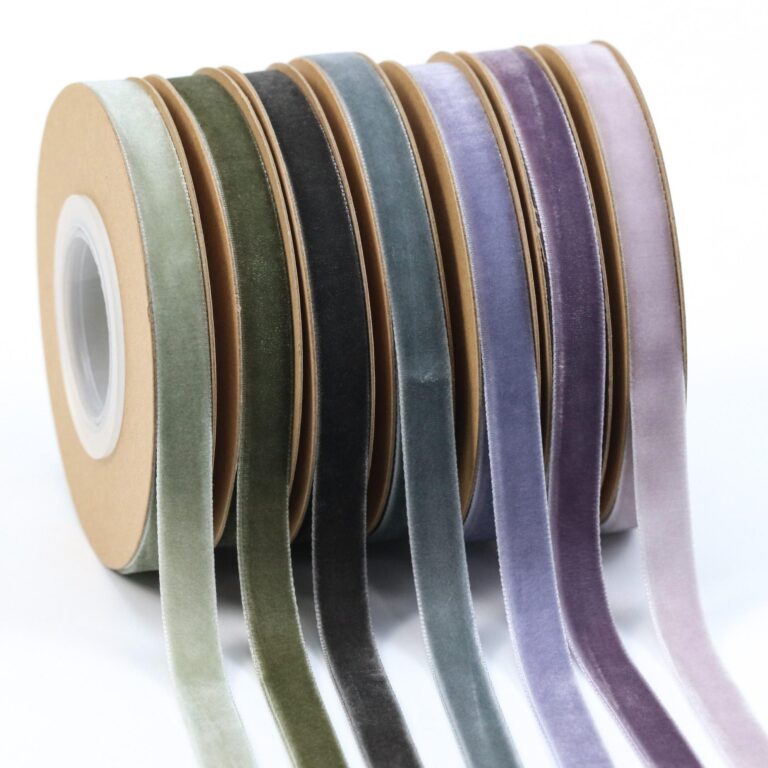 Wholesale Narrow Velvet Ribbon: Specs, Roll Length, and RFQ Checks
Check velvet pile direction, edge finish, cutting, tying, shade, and packout evidence before approving narrow velvet ribbon production.
Explore guide
Wholesale Narrow Velvet Ribbon: Specs, Roll Length, and RFQ Checks
Check velvet pile direction, edge finish, cutting, tying, shade, and packout evidence before approving narrow velvet ribbon production.
Explore guide
 Wholesale Satin Ribbon Sample Approval Workflow: Buyer Checklist
Wholesale Satin Ribbon Sample Approval Workflow — the checks that decide whether a quote, sample, or shipment can…
Explore guide
Wholesale Satin Ribbon Sample Approval Workflow: Buyer Checklist
Wholesale Satin Ribbon Sample Approval Workflow — the checks that decide whether a quote, sample, or shipment can…
Explore guide
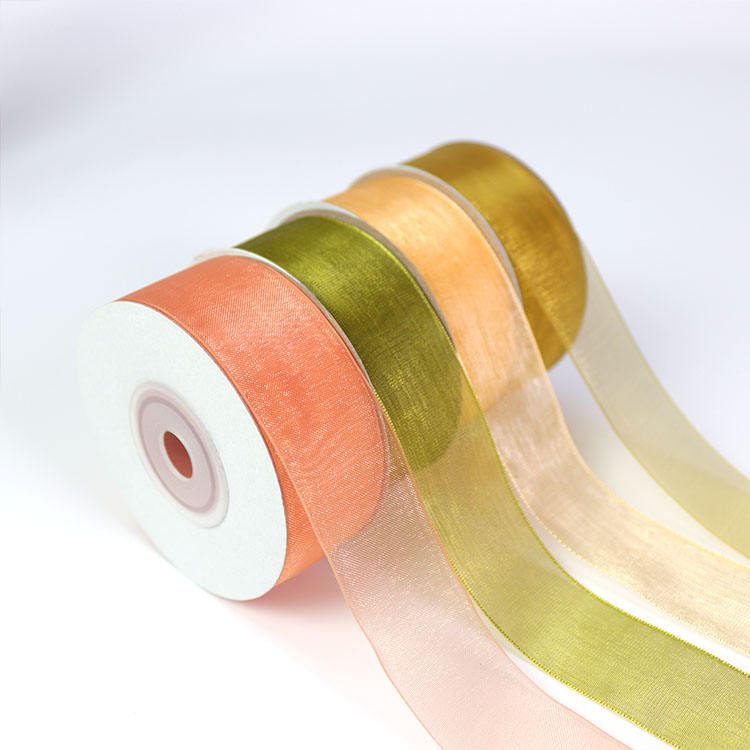 Organza Ribbon Sample Approval Workflow Before Bulk Production Buyer
 — the checks that decide whether a quote, sample,…
Explore guide
Organza Ribbon Sample Approval Workflow Before Bulk Production Buyer
Organza Ribbon Sample Approval Workflow Before Bulk Production Buyer — the checks that decide whether a quote, sample,…
Explore guide
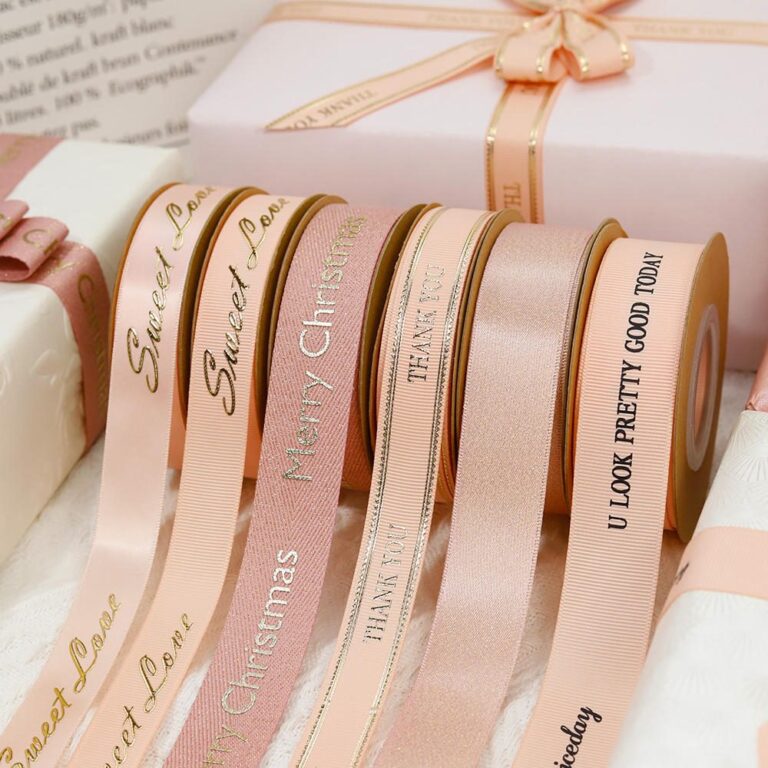 B2B Foil Ribbon Order Risk: Proof, Registration, Release
Buying foil printed ribbon: order risk control checklist? Verify artwork files, print method, color target, and sample approval…
Explore guide
B2B Foil Ribbon Order Risk: Proof, Registration, Release
Buying foil printed ribbon: order risk control checklist? Verify artwork files, print method, color target, and sample approval…
Explore guide
Leave a comment
Share a sourcing question or feedback on this guide. The Lude team reviews submissions before following up.