


Glitter Metallic Ribbon: Finish Risk Checklist
Use this glitter metallic ribbon checklist to control shedding, transfer, sample approval, packing fit, MOQ, and supplier proof before bulk orders.
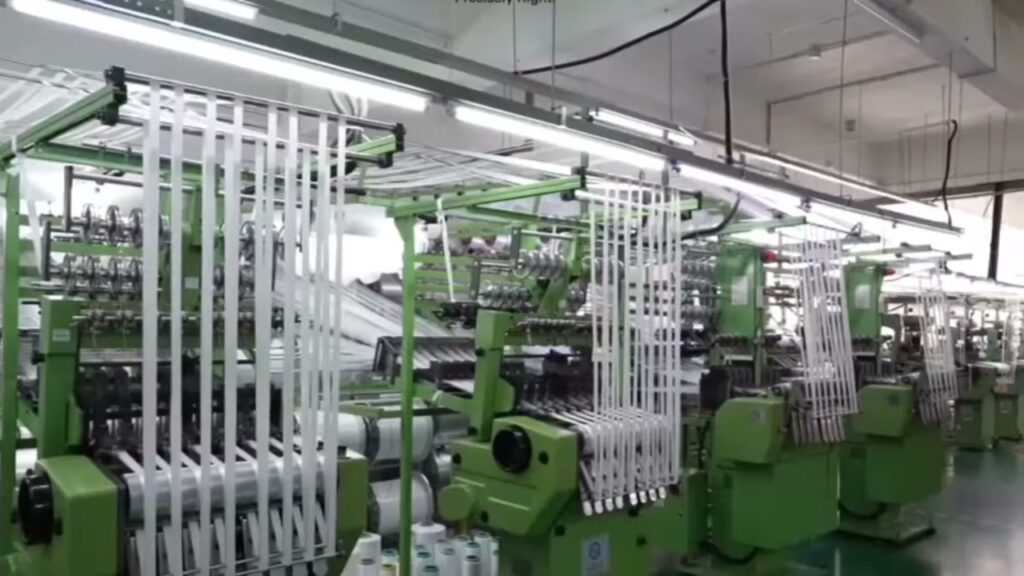
Glitter metallic ribbon can look approved on screen while the physical sample still fails structure, color, finish, folding, or packing checks.
For glitter metallic ribbon, the factory-side check is whether artwork, width, finish, and packing can be approved from one sample record.
The sections below connect design approval with physical proof, RFQ inputs, and production handoff records.
Where glitter finish works best
Glitter metallic ribbon is a finish-risk decision. It works when sparkle is part of the retail effect, but it needs sample handling checks before the buyer treats the shine as approved.
Projects where sparkle is the selling point
Glitter Metallic Ribbon fits best when the project needs high-sparkle ribbon where rub-off, shedding, edge cleanliness, and packaging contact decide whether the finish is acceptable. The buyer should connect the visible use case with supplier proof, not only ask for a roll or bow price.
| Option | Best fit | Risk to avoid | Verification check | Buyer follow-up |
|---|---|---|---|---|
| Holiday sparkle packaging | Gift boxes, wine bags, and seasonal bundles that need visible shine | loose glitter transfers onto product or carton surfaces | Rub the sample and inspect nearby packaging contact points | Request handled-sample photos before bulk approval |
| Event or promotion accents | Short-run displays, ceremony kits, and promotional packs | finish looks strong in photos but messy under handling | Check edge cleanliness and sample feel | Ask for packing notes that protect the surface |
| Wired glitter bows | Displays where sparkle and shape are both required | wire edge plus glitter creates rough or uneven bow edges | Bend the sample and inspect loop edges | Approve the shaped sample before confirming order quantity |
Cases where glitter creates handling risk
Choose another route when glitter impact is approved from a photo, then loose particles, rough hand feel, or color variance causes rejection during sampling cannot be controlled by sample review. Before approving the shortlist, compare the product page, packaging method, and supplier proof for the actual use case.
For related route context, compare the main metallic ribbon page with the intended packaging or event application before finalizing the supplier list.
Glitter specs to confirm
Glitter specifications must cover the surface, base ribbon, edge finish, width, and product-contact situation. The supplier should know whether the ribbon touches paper, glass, fabric, or cosmetic packaging.
Surface, base, and width details
- RFQ input: material route, width, finish, and color target. Risk to avoid: two suppliers price different constructions under the same product name. Ask each supplier to confirm the material and finish in writing.
- RFQ input: quantity, packing method, and destination market. Risk to avoid: the quote misses packing labor, carton protection, or export handling. Request the packed sample view before approval.
- RFQ input: sample owner and approval deadline. Risk to avoid: the project waits for unclear internal approval. Ask for the sample timing and required buyer sign-off before comparing lead time.
Packing and contact checks
Printing and reorder requirements should be named before sampling. A finish that accepts plain winding may still need a different approval route when logo printing, color matching, or repeat SKU control is added.
If the project includes custom development, connect the RFQ to custom printed ribbon or the relevant production service before asking for final price.
For adjacent route context, review custom printed ribbon products product route before sending the RFQ.
RFQ checkpoint
Prepare ribbon specifications, artwork, quantity, packaging requirements, and timeline before requesting a quote.
Finish risk decision table
The glitter decision table should separate visual impact from quality risk. A strong sparkle effect still needs rub checks, shed checks, edge inspection, and packed-sample review.
How to compare glitter routes
Compare options by use case and proof. Glitter Metallic Ribbon may need rub check, shed check, edge inspection, packed sample, color reference, and handling notes for QC, depending on whether the buyer is sourcing packaging, decoration, trim, or display material.
| Spec | Acceptable range | Risk to avoid | Verification check | Buyer follow-up |
|---|---|---|---|---|
| glitter surface | holiday gift packaging | finish name hides different base material or surface behavior | Check the physical swatch and packed package view | Request a sample tied to the same use case |
| metallic base | festive wine decoration | visual impact changes under handling or store lighting | Inspect the sample after winding, bending, or carton contact | Approve the finish after a handling check |
| wired or unwired option | event or promotional display accents | packing, print, or edge control changes real cost | Confirm sample, QC, and packing notes together | Ask the supplier which detail changes MOQ or lead time |
What changes QC, cost, and timing
MOQ, cost, and lead time change when the buyer changes finish, width, artwork, sample approval, or packing. Ask the supplier to separate material availability from production handling so the decision is clearer.
For adjacent route context, review oem odm ribbon development services specification support before sending the RFQ.
Mistakes that cause glitter rejection
Glitter rejection usually starts after handling, not during catalog review. The buyer should test loose particles, rough hand feel, edge fray, and carton contact before signing off bulk production.
Approving shine without rub checks
- Confirm the exact product route and finish before asking for MOQ. Risk to avoid: MOQ is quoted for a simpler material than the sample the buyer actually wants.
- Confirm sample approval owner and deadline before asking for bulk lead time. Risk to avoid: production waits while the brand team reviews unclear photos or artwork.
- Confirm packing method and destination market before comparing freight or delivery timing. Ask whether carton packing, labels, or set packing changes the schedule.
- Confirm whether glitter approvals should include handling and packing tests before high-season production starts. This protects the buyer from treating a deadline-sensitive program like a standard reorder.
Ignoring shed, edge, and product-contact risk
Avoid last-minute delays by keeping material, width, color target, quantity, packing, and delivery timing in the same quote record. For commercial support, review the quality and color control service before final RFQ.
For adjacent route context, review gift and retail packaging ribbon solutions before sending the RFQ.
For Mistakes that cause glitter rejection, make the RFQ comparable: send the buyer input, ask how it affects price, lead time, or sample approval, and keep the supplier answer with the sample record.
Glitter RFQ and sample handoff
A glitter RFQ needs the finish intensity, rub tolerance, width, base material, quantity, packing method, destination, and whether the supplier must keep handled sample photos for QC reference.
Glitter details to send the supplier
- RFQ input: target application and package context. Risk to avoid: the supplier prices a decorative ribbon without knowing how it will be used. Ask for proof tied to high-sparkle ribbon where rub-off, shedding, edge cleanliness, and packaging contact decide whether the finish is acceptable.
- RFQ input: material, width, color target, finish, and quantity. Risk to avoid: cost and MOQ are compared across different specifications. Request one written spec table before sampling.
- RFQ input: artwork, print location, packing method, destination, and deadline. Risk to avoid: sample approval misses the production details that change lead time.
- RFQ input: reorder control, retained sample, and QC photos. Risk to avoid: the first order passes but the repeat order drifts in color, finish, or packing.
Handled-sample approval controls
Approve the sample only after the buyer can name what is accepted, what proof is kept, and what supplier response is required if bulk production differs from the sample. That note should travel with the reorder file.
When the spec is ready, request a ribbon quote and attach the same sample and packing details used in the buyer checklist.
For adjacent route context, review metallic ribbon before sending the RFQ.
In conclusion
For glitter metallic ribbon, the next procurement action is a written RFQ and sample approval record, not only a preferred style or unit price. Confirm the specification, MOQ assumption, artwork version, supplier capability, sample approval method, QC checkpoint, approval risk, and quote follow-up before bulk production.
If any material, structure, logo, finish, packing detail, or supplier proof changes, ask the supplier to update the quote and sample record before approving production.
Glitter Metallic Ribbon FAQ
When is glitter metallic ribbon a good packaging choice?
Use glitter metallic ribbon when sparkle is part of the merchandising goal, such as holiday gifts, wine decoration, event packs, or display accents. It is weaker for minimalist luxury packaging or products where loose particles, rough texture, or high reflection can create complaints.
What should buyers test before approving glitter metallic ribbon?
Test rub behavior, loose glitter, edge cleanliness, color consistency, winding tension, packing contact, and how the finish looks next to the product label. Ask the supplier to provide close-up photos and one handled sample before bulk approval.
How should MOQ and lead time be compared?
Compare MOQ and lead time after the glitter finish, width, base material, packing, and sample checks are identical. If one supplier includes a handling or QC step and another does not, the two quotes are not equivalent even if the unit price looks close.
What RFQ details reduce glitter finish risk?
Send the target use, color reference, finish intensity, width, quantity, packing method, destination market, and whether the ribbon touches fabric, paper, glass, or cosmetics packaging. That context helps the supplier flag rub, shed, or carton-contact risk early.
Keep exploring
Recommended buyer guides
 Wholesale Foil Printing vs Screen Printing Ribbon: Buyer Comparison
Foil printing vs screen printing ribbon: side-by-side on artwork files, print method, color target, and sample approval. Pick…
Explore guide
Wholesale Foil Printing vs Screen Printing Ribbon: Buyer Comparison
Foil printing vs screen printing ribbon: side-by-side on artwork files, print method, color target, and sample approval. Pick…
Explore guide
 Organza Ribbon Sheer Finish and Print Comparison for Custom Orders
 — the checks that decide whether a quote,…
Explore guide
Organza Ribbon Sheer Finish and Print Comparison for Custom Orders
Organza Ribbon Sheer Finish and Print Comparison for Custom Orders — the checks that decide whether a quote,…
Explore guide
 Velvet Ribbon Pile and Finish Comparison for Custom Orders Buyer
: what to confirm on material, MOQ, sample checks,…
Explore guide
Metallic Ribbon Finish Comparison for Custom Orders: Buyer Checklist
Metallic Ribbon Finish Comparison for Custom Orders: what to confirm on material, dimensions, finish, and handling before you…
Explore guide
Velvet Ribbon Pile and Finish Comparison for Custom Orders Buyer
Velvet Ribbon Pile and Finish Comparison for Custom Orders Buyer: what to confirm on material, MOQ, sample checks,…
Explore guide
Metallic Ribbon Finish Comparison for Custom Orders: Buyer Checklist
Metallic Ribbon Finish Comparison for Custom Orders: what to confirm on material, dimensions, finish, and handling before you…
Explore guide
Leave a comment
Share a sourcing question or feedback on this guide. The Lude team reviews submissions before following up.