


Why Custom Ribbon Samples Fail: 3 Physical Checks Before Bulk
Evidence and specification note: Color targets, tolerances, test methods, documentation, acceptance criteria, and remedies must be confirmed for the quoted material and written into the approved sample, specification, and sales agreement. General scenarios in this article are not guaranteed production results. Pricing and example note: Current pricing is quoted to specification. Material, width, color, decoration,…
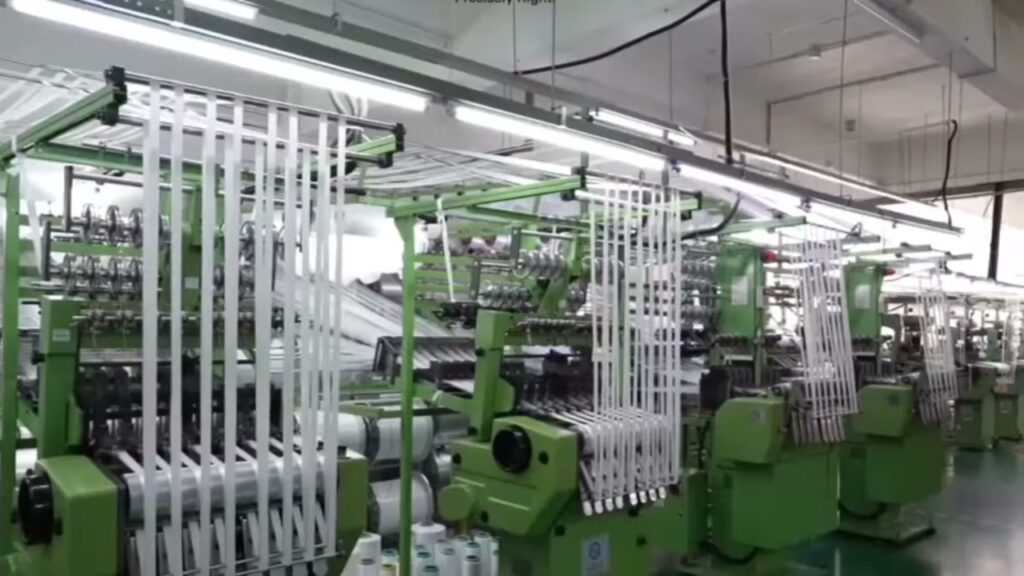
The custom ribbon sample approval process is where most bulk production failures are either caught or missed. For a luxury brand procurement manager, a sample that looks right on a monitor can still hide three defects that will kill a program at scale: color shift under retail lighting, foil adhesion that flakes on the first fold, and repeat pattern misalignment that turns award ribbons into scrap. That is why the best manufacturers, like Lude Ribbon, enforce a mandatory physical sample before bulk production — skipping this step drives many post-production disputes in the industry.
Your job is not just to approve a color. It is to verify that the factory has the equipment and discipline to hold buyer-approved ΔE tolerance across the roll, that the foil stamp will survive bow tying, and that centered text lands within 2mm of the cut point every time. Many buyers never look at the edge-to-center gradient on wide ribbons or test a fold under tension. That is exactly why those defects reappear in bulk. This article gives you a repeatable physical checklist — the same one a 20-year factory QA team uses before shipping any sample — so you can approve with confidence, not hope.
Physical Check #1 — Color Matching Under Production Light
Color matching requires spectrophotometer and retail lighting, not a monitor.
Monitor approval is a common cause of sample rejection. A screen emits RGB light; printed ribbon uses CMYK or Pantone spot colors. Even a calibrated monitor cannot simulate how dye absorbs and reflects light. The industry standard for color fidelity is a spectrophotometer reading with buyer-approved ΔE tolerance (ISO 12647-7). Above 2.0, the difference is visible to the naked eye. Ask your supplier for the measurement report—not a screenshot, but the actual device output.
The lighting source matters as much as the instrument. Office fluorescents run at 5000K–6500K, which makes colors appear cool and bright. Retail displays, where your product will sit, use warm spotlights at 3000K–4000K. A ribbon that looks perfect under blue-white office light can turn muddy under warm retail lighting. Hold the sample next to the approved Pantone chip under a bulb rated 3000K–4000K. If the supplier cannot provide that lighting condition, ask for a photo taken in their facility under a known Kelvin source.
- Color measurement report: Do not approve a sample based on visual inspection alone. Request a color measurement report showing the ΔE value for each Pantone spot color used. The report should list the target Lba on the ribbon. If ΔE exceeds 2.0 for any color, reject the sample and demand a re-match. Factories that own a spectrophotometer can generate this report quickly.
Physical Check #2 — Foil Stamp Adhesion and Cracking
Foil adhesion failure is a common defect in luxury packaging — catch it before bulk.
Any percentage premium, discount, saving, or cost comparison depends on the approved material, width, decoration, quantity, packing, delivery terms, and destination. Compare dated quotations against the same written specification.
- Fold-and-rub test: Fold the ribbon sharply across the foil area. Rub your thumb over the crease 3–4 times. If any foil flakes off or transfers to your thumb, the adhesion bond is insufficient. Acceptable result: zero flaking.
Next, check for ‘haloing’ — a faint, raised outline around the foil edge. Run your fingertip across the foil boundary. If you feel a ridge, the die is worn or the pressure is too high. Haloing worsens in bulk runs as tooling degrades.
Physical Check #3 — Repeat Pattern Alignment and Cut Positioning
Measure repeat pattern variation across 10 random cuts.
Many buyers only check the roll sample under a desk lamp. They miss that the text has drifted 3mm from center across 100 yards. When the ribbon is cut into individual pieces, every single one is misaligned. The only way to catch this is to request a cut sample and measure from the end of the ribbon to the start of the print pattern across 10 random cuts.
- Measurement method: From the end of the roll to the start of the print pattern. Variation across 10 cuts must be under 2mm.
- Cut edge quality: Check for fraying or rough edges. Clean cuts indicate proper die sharpness.
- Size match: Measure cut length and width against spec. Some factories cut slightly wider to save trimming cost — that will break your packaging fit.
Conclusion
Color matching, foil adhesion, and repeat alignment are the three failure points behind many bulk rejections. Testing these before production saves you scrap costs and protects brand consistency across every yard.
For your next program, request a physical sample that includes a spectrophotometer reading and a fold-and-rub test result. Submit your artwork for a feasibility check and get a sample with a full color-matching report.
Frequently Asked Questions
What is the most common reason for ribbon sample rejection?
Foil stamp adhesion failure is a common reason for ribbon sample rejection, as it often appears as flaking or cracking when folded. Run the fold-and-rub test on every foil sample.
Can I get a sample with multiple print methods?
Yes, Lude can produce samples combining multiple print methods like foil stamping and screen printing on the same ribbon. However, each additional print method increases setup cost and sample lead time. Confirm all print methods when requesting the sample.
How do I test ribbon durability for long-term storage?
Agree the test method, storage conditions, and acceptance criteria with the supplier, then test the approved sample and record the date and result.
What if the sample passes but bulk production looks different?
Lude’s mid-production inspection catches discrepancies and corrects them before shipment, but you can prevent issues by approving the sample with exact specifications. Request a pre-shipment inspection to verify bulk matches the approved sample. Always request pre-shipment inspection for bulk orders.
Does Lude charge for the first sample round?
Sample cost is confirmed at RFQ for the specific ribbon. Confirm the sample fee and any refund policy when requesting your sample. Confirm sample fee policy with your sales representative.
Keep exploring
Recommended buyer guides
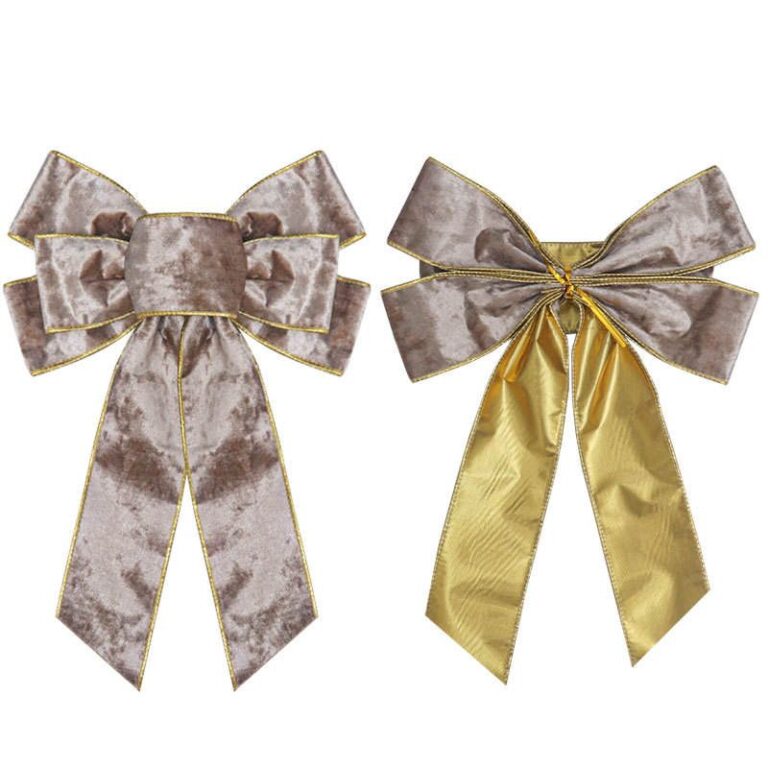 Pre-Tied Bows for Retail Packaging: When They Reduce Labor and Rework
See when pre-tied bows reduce retail packaging labor, improve consistency, and simplify bulk packing, SKU planning, and reorders
Explore guide
Pre-Tied Bows for Retail Packaging: When They Reduce Labor and Rework
See when pre-tied bows reduce retail packaging labor, improve consistency, and simplify bulk packing, SKU planning, and reorders
Explore guide
 Velvet Ribbon Wholesale Checklist: MOQ, Finish, and Supplier Questions
Evaluate velvet ribbon wholesale options: MOQ, setup fees, unit cost, and packing. Narrow the list before requesting samples…
Explore guide
Velvet Ribbon Wholesale Checklist: MOQ, Finish, and Supplier Questions
Evaluate velvet ribbon wholesale options: MOQ, setup fees, unit cost, and packing. Narrow the list before requesting samples…
Explore guide
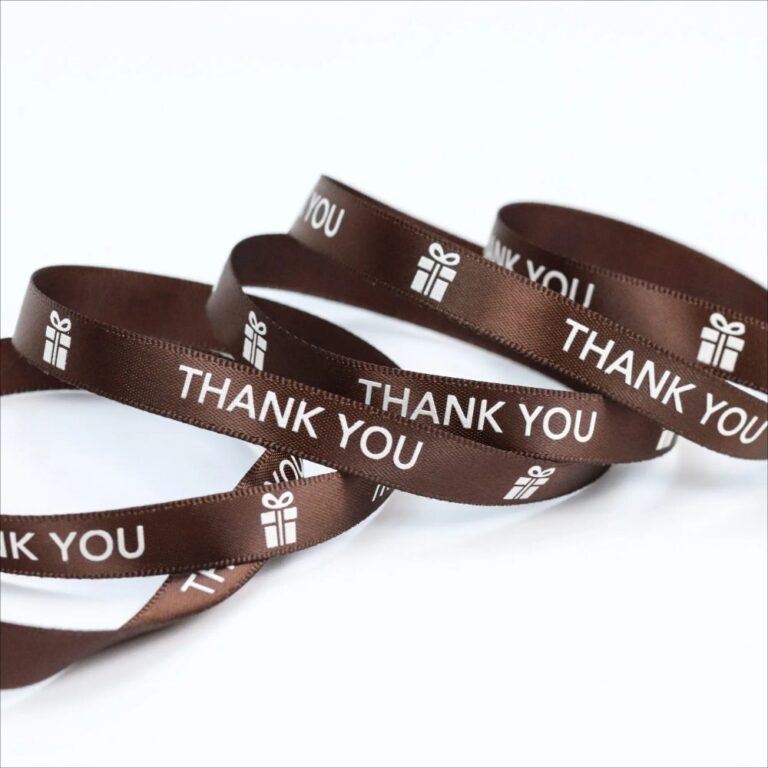 Wholesale Custom Ribbon with Logo: Specs, Roll Length, and RFQ Checks
Step-by-step: Custom Ribbon With Logo. Check artwork files, print method, color target, and sample approval to avoid delays,…
Explore guide
Wholesale Custom Ribbon with Logo: Specs, Roll Length, and RFQ Checks
Step-by-step: Custom Ribbon With Logo. Check artwork files, print method, color target, and sample approval to avoid delays,…
Explore guide
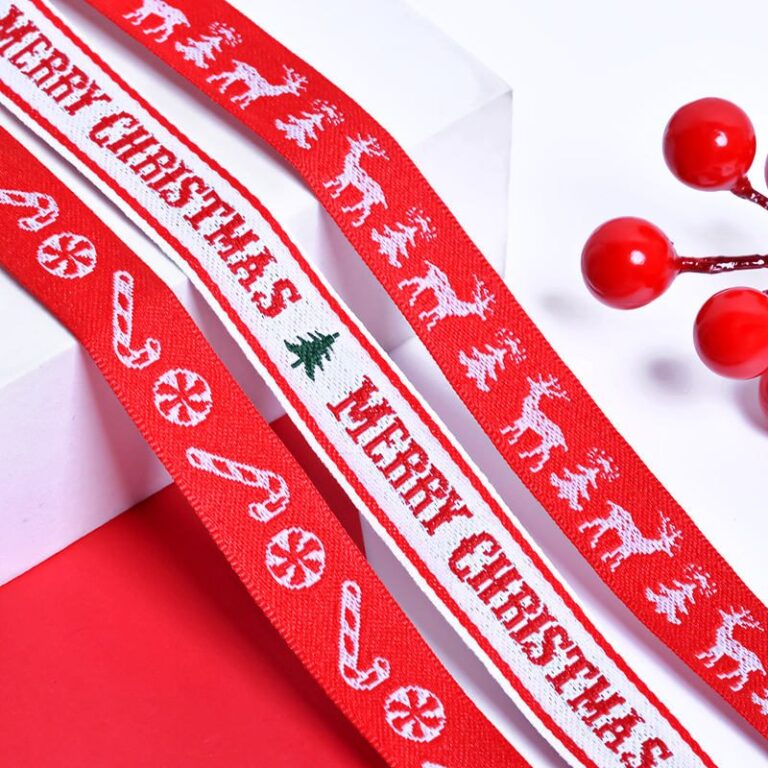 Wholesale Ribbon By The Roll: Roll length and inventory planning
Evaluate Wholesale Ribbon By The Roll options: factory capability, QC proof, lead time, and reorder reliability. Narrow the…
Explore guide
Wholesale Ribbon By The Roll: Roll length and inventory planning
Evaluate Wholesale Ribbon By The Roll options: factory capability, QC proof, lead time, and reorder reliability. Narrow the…
Explore guide
Leave a comment
Share a sourcing question or feedback on this guide. The Lude team reviews submissions before following up.