


Metallic Ribbon Sample Before Bulk: Stop many Disputes
Evidence and specification note: Color targets, tolerances, test methods, documentation, acceptance criteria, and remedies must be confirmed for the quoted material and written into the approved sample, specification, and sales agreement. General scenarios in this article are not guaranteed production results. Pricing and example note: Current pricing is quoted to specification. Material, width, color, decoration,…

Insisting on a ribbon sample before bulk production is an effective way to cut off many metallic ribbon disputes before they start. Setup, tooling, artwork, and sample costs are quoted after the selected process and order specification are reviewed.
Metallic ribbon adds complications that satin doesn’t. The vapor-deposited aluminum layer and reflective surface make color matching unreliable by eye. A half-shade deviation that passes on matte satin becomes obvious on metallic when light hits it differently. Even the foil stamp adhesive matters—some factories skip the UV-cured version to save cost, and the foil can start rubbing off with handling. A physical sample is the only way to catch these before you commit to 3,000 yards or more.
The gap between a trading company and a factory-direct manufacturer shows up here. A trading company can send you a stock sample, but they don’t own the spectrophotometer or the foiling machine. They cannot guarantee buyer-approved ΔE tolerance because they don’t control the production line. That’s why this sampling step exists—to separate suppliers who can deliver repeatable color and foil durability from those who can only promise it.
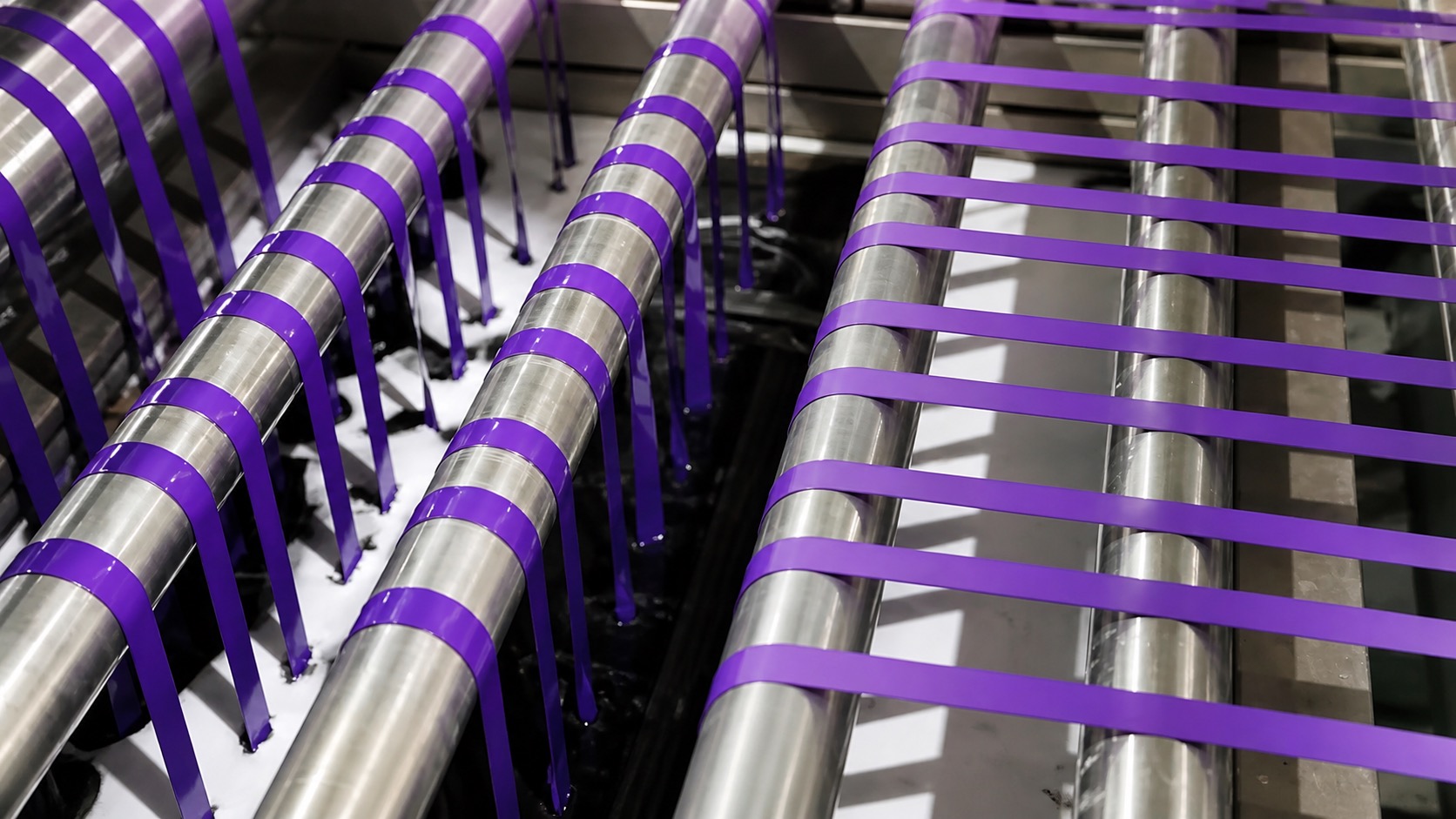
The Sampling Gap: Why many Metallic Ribbon Orders Fail
Skipping physical sampling causes many metallic ribbon disputes.
State the buyer-approved method, conditions, repetitions where applicable, acceptance criteria, date, sample or lot, result, and remedy.
- Define the buyer-approved method, conditions, acceptance threshold, sample or lot, date, result, and remedy before using any figure as a specification or decision input.
- Reflective Surface Risk: Metallic coatings create glare that misleads the eye. What looks like a perfect match on screen or under office lighting can be off by a shade under retail spotlights. Matte satin is forgiving; metallic is not.
- Only Fix: A pre-production sample (5–10 yards) woven with the exact machines, printed with UV-cured adhesive, and measured by spectrophotometer. The sample becomes the signed reference for bulk. No sample? Expect the high failure risk.

Real Cost of Skipping Samples: Hidden Defects & Disputes
Define the buyer-approved acceptance criteria and verify the selected material with a dated sample or production-lot record.
Define the buyer-approved acceptance criteria and verify the selected material with a dated sample or production-lot record.
- Defect: Foil fading: Without a suitable adhesive, foil can wear off with handling. A physical sample with the final adhesive is the only way to verify durability.
- Define the buyer-approved acceptance criteria and verify the selected material with a dated sample or production-lot record.
- Defect: Edge fraying: Metallic ribbon stiffness varies by width and weave. A sample at target width (e.g., 40mm vs 60mm) reveals compatibility with automated packaging.
- Define the buyer-approved acceptance criteria and verify the selected material with a dated sample or production-lot record.
| Defect | Root Cause | Financial Impact | Sample Prevention |
|---|---|---|---|
| Color Mismatch (buyer-approved ΔE tolerance) | Approving digital mockup instead of physical sample; metallic reflection distorts visual matching | Define and verify the buyer-approved defect criteria | Physical sample measured by spectrophotometer against Pantone C/U within the buyer-approved tolerance |
| Foil-Stamp Fading | Foil adhesive not suited to the substrate; can fail under normal handling | Returns from downstream retailers, lost margin, emergency re-order at premium cost | Sample must include UV-cured adhesive; verify durability by friction test on approved sample |
| Uneven Metallic Coating | Inconsistent vapor deposition or improper weave for metallic finish | Patchy appearance under retail lighting leads to rejection, scrapped container cost | Sample produced on exact material width and weave; visual inspection under retail light |
| Edge Fraying | Stiffer metallic ribbon frays during automated packaging due to incorrect tension or edge finishing | Automated packaging line downtime, wasted material, rush replacement orders | Sample run through your packaging machine before bulk; verify edge integrity |
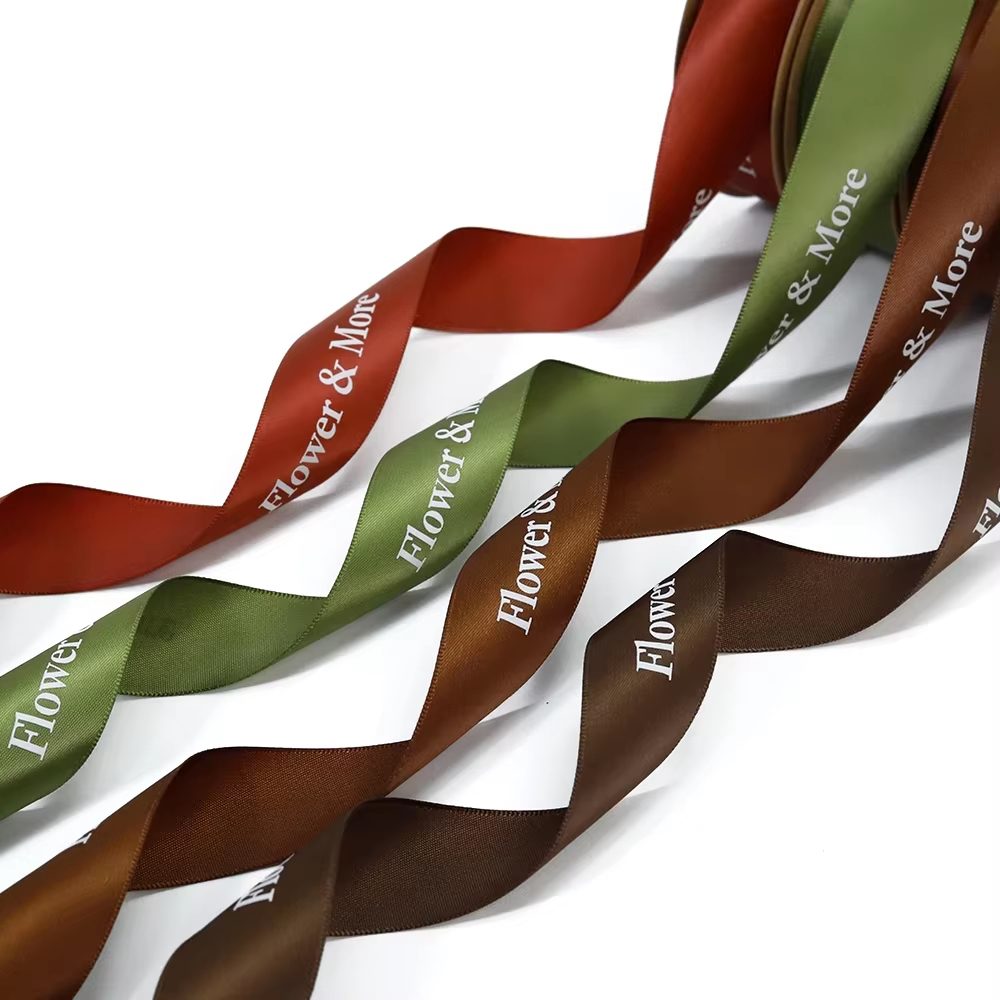
Metallic Ribbon vs. Standard Satin: Sampling Differences
Metallic ribbon is not satin with a coating.
Define the buyer-approved method, conditions, acceptance threshold, sample or lot, date, result, and remedy before using any figure as a specification or decision input.
- Width dependency: Foil adhesion varies with ribbon width because tension distribution across the web changes. A sample on a 60mm width cannot predict adhesion on a 40mm width. Always request a sample on your exact target width.
- Substrate density: The weave tightness of the polyester satin base affects how the aluminum layer bonds. A loose weave creates micro-pockets that trap foil, leading to uneven coverage. Sampling must be on the same weave specification.
A common failure in metallic ribbon sampling is the omission of UV-cured adhesive for foil stamping. Many ribbon factories are satin printers who apply foil using a standard heat-transfer process without UV-cured adhesive. The result: foil can rub off with handling. For high-touch metallic ribbon, the buyer should specify the foil-adhesion method and acceptance test. When you request a metallic ribbon sample, explicitly require that the sample includes the UV-cured adhesive step and verify it by rubbing the foil firmly with a white cloth after 24 hours.
- Sample checklist: 1. Exact target width and weave. 2. UV-cured adhesive applied. 3. Foil rub test passed (no transfer after 10 firm passes). 4. Spectrophotometer reading against Pantone C/U with buyer-approved ΔE tolerance.
The 4-Step Sampling Process That Eliminates Disputes
A four-step sample workflow is the only way to lock color and foil adhesion before committing to 3,000+ yards.
Require a dated sample or production-lot record that identifies the material, method, conditions, acceptance criteria, result, and approver.
- Step 1: Artwork approval: Submit vector files (AI, EPS, or PDF) at 300 dpi in CMYK or Pantone color mode. RGB files are not production-ready and will cause color shifts. The factory must confirm the file can be separated for foil stamping or screen printing before proceeding.
- Step 2: Material confirmation: Verify the exact metallic base – typically a 100% polyester satin substrate with vapor-deposited metallic coating. The material width (e.g., 40mm vs 60mm) changes foil adhesion due to stress distribution during printing. Confirm the supplier will use the same material batch for sample and bulk.
- Step 3: Physical sample production: Request a 5–10 yard sample woven and printed using the same machine settings you expect in bulk. The sample must be measured with a spectrophotometer and compared to your Pantone C/U standard at a buyer-approved ΔE tolerance. Sample lead time is 7–14 business days. If the supplier cannot guarantee this measurement, they cannot guarantee color consistency.
- Step 4: Sealed reference sample: Once the sample is approved, both you and the factory keep a signed-off “sealed reference” sample. This physical benchmark is used for mid-production and pre-shipment QC. Every bulk batch must be visually compared to this sealed sample, and the spectrophotometer reading must fall within buyer-approved ΔE tolerance or the shipment is rejected.
Define the buyer-approved acceptance criteria and verify the selected material with a dated sample or production-lot record.
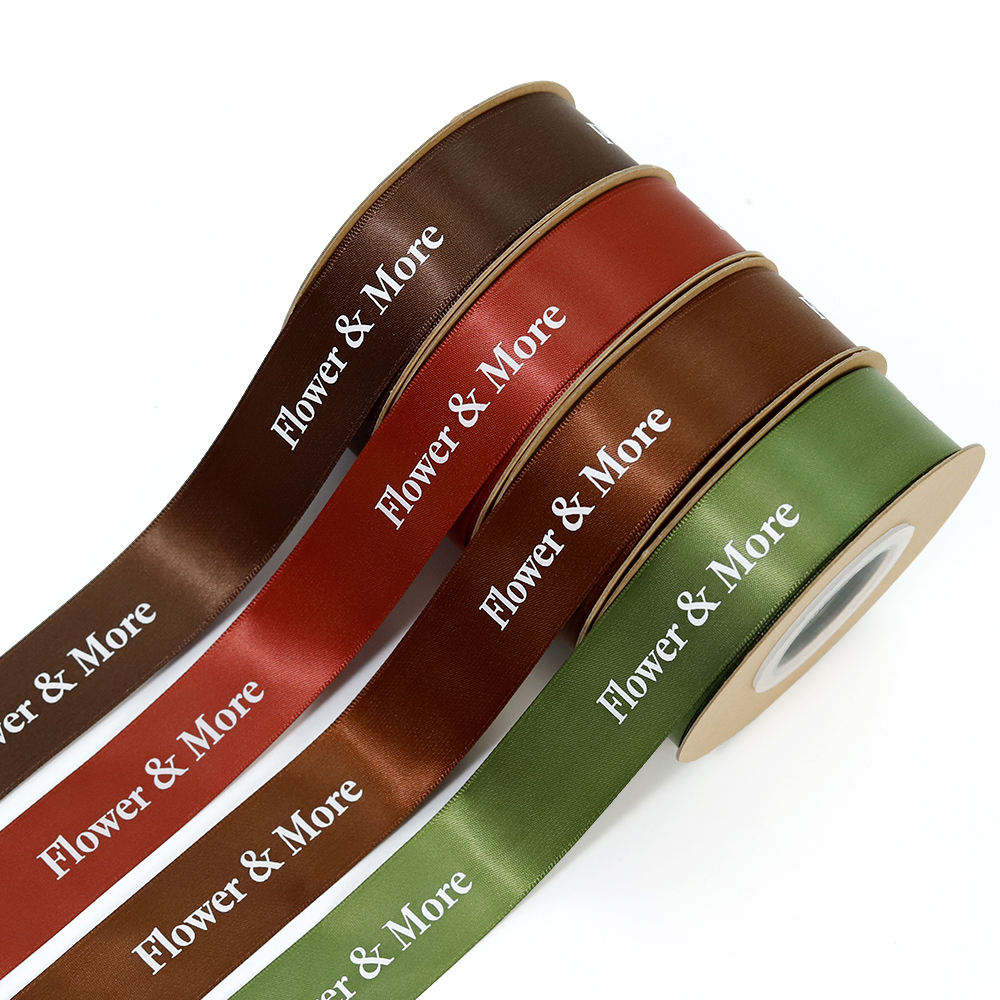
How to Verify a Supplier’s Sampling Capability
A trading company’s stock sample is a gamble.
A trading company can send you a generic metallic ribbon sample that looks fine in hand, but they have no control over the production run. They subcontract to a factory they don’t own, meaning the bulk order could come from a different mill with different dye lots and a different foil adhesive process. That’s how many metallic ribbon disputes start — the sample was never representative of what ships.
- Question 1: Machine ownership: Ask directly: Do you own your weaving and foil-printing machines on-site? If the answer is no, you are dealing with a trader. Lude Ribbon operates 80+ units — 75 weaving looms, 5 screen-printers, and 6 foil-printers — all under one roof.
- Any quality guarantee, acceptance threshold, and remedy must be stated in the approved specification and sales agreement.
- Require a dated sample or production-lot record that identifies the material, method, conditions, acceptance criteria, result, and approver.
A factory-direct manufacturer should answer yes with dated photos or a live walkthrough. If a supplier cannot answer with a hard yes, you are accepting the recurring dispute risk.
Conclusion
Skipping the physical sample is an avoidable cause of many metallic ribbon disputes. A spectrophotometer-measured sample at buyer-approved ΔE tolerance locks color and foil adhesion before you commit to bulk yardage. That one step protects your margin from returns, rush reorders, and retailer chargebacks.
Review the Metallic Ribbon product page to see available widths, print methods, and the factory-direct spec sheet. Request a physical sample before sending your RFQ — it’s the only way to verify the supplier owns the machines that produce your order.
Frequently Asked Questions
What does the ribbon consist of?
Lude’s ribbons are primarily made from 100% polyester satin, grosgrain, organza, or cotton. Metallic ribbon uses a metallic coating on a polyester base, not a separate material. Material type determines cost and application.
What are the three types of ribbons?
Common ribbon types include satin, grosgrain, and organza. Lude also offers velvet, metallic, and cotton variations, but satin, grosgrain, and organza are the core base categories. Confirm with a sample which type matches your need.
What is the color order of ribbons?
Ribbon colors are matched to Pantone C/U standards using spectrophotometry, not a fixed order. Ordering a physical sample ensures your specific color order is correct. Always reference a Pantone number for accuracy.
What is the minimum order quantity for metallic ribbon samples?
Lude requires a physical sample before bulk production. Bulk MOQ starts at 1,500 yards per color for stock ribbon and 3,000 yards per design for printed ribbon. Order a sample first to verify color and foil adhesion.
How long does foil stamping last on metallic ribbon?
Foil stamping durability on metallic ribbon should be verified on the approved sample. Durability depends on adhesive quality and application method. Verify durability by stress-testing your sample.
Keep exploring
Recommended buyer guides
 Pre-Tied Bows for Retail Packaging: When They Reduce Labor and Rework
See when pre-tied bows reduce retail packaging labor, improve consistency, and simplify bulk packing, SKU planning, and reorders
Explore guide
Pre-Tied Bows for Retail Packaging: When They Reduce Labor and Rework
See when pre-tied bows reduce retail packaging labor, improve consistency, and simplify bulk packing, SKU planning, and reorders
Explore guide
 Velvet Ribbon Wholesale Checklist: MOQ, Finish, and Supplier Questions
Evaluate velvet ribbon wholesale options: MOQ, setup fees, unit cost, and packing. Narrow the list before requesting samples…
Explore guide
Velvet Ribbon Wholesale Checklist: MOQ, Finish, and Supplier Questions
Evaluate velvet ribbon wholesale options: MOQ, setup fees, unit cost, and packing. Narrow the list before requesting samples…
Explore guide
 Wholesale Custom Ribbon with Logo: Specs, Roll Length, and RFQ Checks
Step-by-step: Custom Ribbon With Logo. Check artwork files, print method, color target, and sample approval to avoid delays,…
Explore guide
Wholesale Custom Ribbon with Logo: Specs, Roll Length, and RFQ Checks
Step-by-step: Custom Ribbon With Logo. Check artwork files, print method, color target, and sample approval to avoid delays,…
Explore guide
 Wholesale Ribbon By The Roll: Roll length and inventory planning
Evaluate Wholesale Ribbon By The Roll options: factory capability, QC proof, lead time, and reorder reliability. Narrow the…
Explore guide
Wholesale Ribbon By The Roll: Roll length and inventory planning
Evaluate Wholesale Ribbon By The Roll options: factory capability, QC proof, lead time, and reorder reliability. Narrow the…
Explore guide
Leave a comment
Share a sourcing question or feedback on this guide. The Lude team reviews submissions before following up.