


Custom Printed Ribbon Options by Use Case: Packaging, Branding, and Events
Compare custom printed ribbon options for packaging, branding, and events by material, print method, color control, MOQ, and sampling.
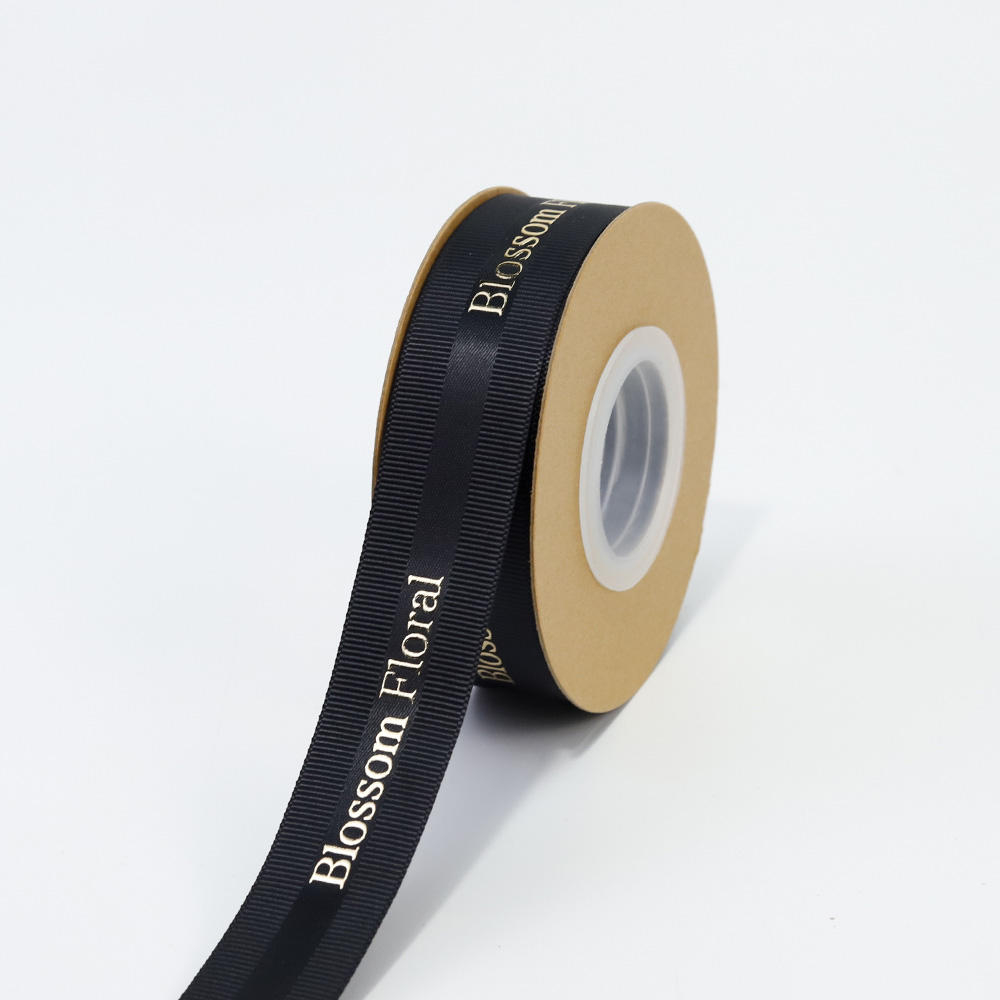
Custom printed ribbon is usually bought for one of three jobs: making retail packaging look consistent, keeping a brand visible at events, or adding a controlled finish to seasonal and gift programs. The risk is that buyers often choose by ribbon look or unit price first, while the production result depends on material, print method, artwork size, color target, roll length, packing, and lead time.
Expert note: The Lude Ribbon editorial team works with ribbon manufacturing, sampling, printing, quality control, and export service specialists to create practical B2B buying guides.
This guide walks through how to match custom printed ribbon to packaging, branding, and event use cases, what specs to confirm before sampling, and when the project is ready for a factory quote.
When this option fits B2B orders
Use this section to decide whether custom printing is the right production route before choosing material or requesting a quote. The decision depends on the use case, handling stress, color target, and order volume, not on the logo artwork alone.
Best-fit buyer scenarios
Custom printed ribbon works best for high-volume retail packaging, cosmetics, and corporate events where brand consistency drives shelf impact. Buyers needing repeatable color across satin, grosgrain, or cotton must verify Pantone Color Systems for Textiles matching capabilities directly with the factory.
| Use Case | Recommended Substrate/Print | Key Risk |
|---|---|---|
| Cosmetics Packaging | Satin / Foil Printing | Color shift on dark bases |
| Event Lanyards | Polyester / Screen Print | Fraying on cut edges |
| Gift Boxes | Grosgrain / Ink Printing | Ink cracking on tight bows |
Cases where another option is safer
For very small runs or launch deadlines under 10 days, treat custom printing as a risk check rather than a default. Heat transfer may still work when the artwork and substrate fit, but blank stock ribbon with printed tags or labels can be safer for short tests, fast seasonal changes, or highly variable SKUs.
RFQ inputs to confirm before selection
Before requesting a quote for custom printed ribbon, confirm exact width tolerance (typically ±1mm), total run length, artwork color count, and winding direction (tail out vs. tail in). Failing to specify winding causes costly downstream packaging line jams.
Key specs buyers should compare
Before comparing suppliers, lock the specifications that change price, sampling risk, and production repeatability. Width tolerance, substrate, color reference, artwork detail, roll format, and reorder control all affect whether a printed ribbon order can move cleanly from sample to bulk production.
Material, width, and finish requirements
Verify the substrate density and cut tolerance. Polyester and satin dominate packaging, but event buyers often need organza or grosgrain. Confirm width tolerance—factory standard is usually ±1mm, but automated packaging machines often require ±0.5mm to prevent jams. Check the edge finish: heat-cut edges melt to prevent fraying, while sonic-cut edges offer a softer feel for luxury cosmetics.
Printing, color, and artwork controls
Demand a physical strike-off before production. Standard CMYK often fails to match vibrant brand colors on fabric. For packaging ribbons, reference the Pantone Extended Gamut guide for packaging to push CMYK boundaries, or use Pantone Textile (TPX) references for fabric substrates. Confirm whether ink printing, heat transfer, foil printing, hot stamp, or screen print fits the substrate—each method changes minimum line weights and artwork detail limits.
Packing, roll length, and reorder details
Specify exact roll lengths and spool dimensions. A 50-yard roll fits retail dispensers, while 100-yard or bulk spools suit high-speed gift wrap lines. Verify the core inner diameter (ID)—standard is usually 1 inch or 1.5 inches. Ask the factory to retain printing plates or cylinders for at least 12 months to avoid setup fees on reorders. Once specs lock, route these parameters through the custom sampling and artwork process so artwork, strike-off, and production checks stay aligned.
Material, finish, and use-case decision table
Use this table as a shortlisting tool, not as a style catalogue. The goal is to match each finish to the buyer’s real constraint: visual texture, ink adhesion, color visibility, bend stress, MOQ, and sample approval risk.
How to read the comparison
This matrix isolates the three variables that drive rejections: substrate stiffness, ink adhesion, and visual texture. Use it to shortlist the exact printed ribbon build for your packaging or event tier; if the finish is metallic branding, compare foil printed ribbon requirements before locking hot-stamp artwork.
| Substrate / Finish | Print Method & Color Fidelity | Primary Use Case & Watch-out |
|---|---|---|
| Satin / Foil or ink printing | Spot color via Pantone Color Systems for Textiles | Premium retail. Watch: ink cracking on tight bends. |
| Grosgrain / Ink printing | High-opacity, hides weave texture | Gift boxes. Watch: texture limits fine detail. |
| Organza / Heat transfer | Semi-transparent, soft hand feel | Event decor. Watch: low contrast on light colors. |
MOQ and lead-time assumptions behind each option
Printed ribbon programs start at 3,000 yards per design/program across hot stamp, silk screen, and digital printing, while custom colors or custom widths must be confirmed by RFQ. Keep the standard bulk production lead time at 15–20 business days after approval.
Sample checks before bulk approval
Request a 5–10 yard strike-off sample. Confirm ink adhesion using a standard tape test—lifted ink means the factory skipped surface treatment. Check color density against your Pantone reference under D65 lighting. Finally, bend the ribbon over a 5mm radius to verify the print does not crack at the stress point.
Common selection mistakes
Many custom ribbon problems start before production: a buyer accepts a low unit quote, approves artwork without a physical strike-off, or ignores how the print method behaves on the chosen substrate. Fix these mistakes before the RFQ becomes a purchase order.
Choosing by unit price only
Low unit quotes often mask hidden costs like cylinder setup fees, high minimum order quantities (MOQs), or unstable dye lots. Buyers must verify the total landed cost per usable meter. Ask suppliers to break down tooling amortization and freight separately to compare actual program costs.
| Cost Factor | Low-Bid Trap | Buyer Check |
|---|---|---|
| Unit Price | Looks lowest | Add tooling/amortization |
| MOQ | 10,000+ yards | Calculate waste if unused |
| Color Fastness | Unverified | Request wash/light test report |
Ignoring material and print-method fit
Pairing smooth satin with hot stamping yields crisp results, but applying that same method to textured grosgrain causes uneven, broken coverage. Verify substrate-to-print compatibility before committing. For strict color matching on fabric ribbons, reference Pantone Color Systems for Textiles to establish acceptable Delta E tolerances with your factory.
Skipping sample and reorder controls
Approving a digital file without a physical pre-production strike-off invites unacceptable shade and texture variations. Always verify ink adhesion and edge fraying on the actual substrate. Demand the factory lock in dye lot records and machine parameters to ensure repeatable consistency. Ready to specify correctly? Put the corrected spec into a request a ribbon quote workflow so pricing, sample approval, and reorder notes use the same assumptions.
When to request samples or a quote
Move to sampling or quotation only after the buying variables are stable enough for the factory to price and test. A useful quote request should already define the material, width, print method, color standard, roll length, packing format, and expected order volume.
Quote-ready inputs to prepare
Factories cannot price custom printed ribbon accurately without fixed variables. Confirm your substrate (satin, grosgrain, cotton), exact width (typically 10mm–100mm), printing method (ink printing, heat transfer, foil printing, hot stamp, or screen print), and total length per roll. Vague requests like “premium ribbon for boxes” trigger back-and-forth emails that delay lead times. State whether you are choosing stock color/width ribbon, printed ribbon, or a custom color/width program so MOQ is calculated from the right rule.
Sample approval checks
Never approve a sample under office lighting. Check the ribbon against your actual packaging material under the lighting conditions of your retail shelf or event venue. Verify color fidelity against a physical Pantone Color Systems for Textiles book—do not rely on screen proofs. Confirm the ink adhesion by rubbing the printed area firmly; poor adhesion flakes during high-speed automated wrapping.
Bulk production and reorder controls
Define the acceptance criteria and verify the selected material with a dated sample or production-lot record.
- Verify the pre-production sample matches the approved swatch exactly.
- Confirm roll length, core size, and packing carton dimensions.
- Approve the ink type for your specific use case (e.g., water-resistant for floral).
- Lock the reorder code to bypass future sampling fees.
Conclusion
Selecting the right custom printed ribbon requires isolating your primary stress factor—abrasion in transit, color fidelity under retail lighting, or knot rigidity for event décor. Verify the factory runs a physical strike-off before bulk production, not just a digital proof. Ask the supplier to confirm the exact color matching standard they apply for your chosen substrate, as textile weaves and synthetic satins absorb inks differently. A mismatched color standard is a common root cause of batch rejections.
Lock in your material, width, and print process based on the use-case checks above. Compare at least two substrate options—like polyester versus satin—if your application involves both high-heat shrink-wrapping and visual display. Compile your vector artwork files, target color references, and minimum order quantity. Before you request a quote, confirm whether your supplier charges separate plate or setup fees for multi-color logos, as this alters your unit cost at lower MOQs. Submitting a fully specified brief prevents quoting delays. If you are qualifying the supplier at the same time, review the Lude Ribbon factory background before sending the final RFQ package.
FAQs About Custom Printed Ribbon Options by Use Case
These answers cover the questions buyers usually need to settle before approving a custom printed ribbon sample or sending a bulk RFQ.
Which ribbon material handles fine text best for retail packaging?
Satin and grosgrain hold tight registration for logos under 5mm when the artwork is prepared for ink printing, heat transfer, foil printing, or hot stamp. Verify the exact method and line weight with a physical strike-off before bulk production.
Can I match a specific brand color on polyester ribbon?
Yes, but custom color or custom width ribbon must be confirmed by RFQ. If you choose from existing inventory colors and widths, plain / stock ribbon starts from 1,500 yards per selected color; printed ribbon starts at 3,000 yards per design/program. Plan standard bulk production at 15–20 business days after approval.
What width works best for wine bottle neck tags?
10mm to 15mm is standard. Check that the supplier cuts cleanly on the bias to prevent fraying, and confirm the ribbon tensile strength withstands the bottle weight during transport.
Is heat transfer printing cost-effective for event ribbon programs?
Heat transfer is not one of the in-house print methods; printed ribbon runs as hot stamp, silk screen, or digital from 3,000 yards per design/program. Pick the method by artwork detail, substrate, and color target.
How do I verify print durability before approving bulk production?
Request a wash-and-rub test sample for your custom printed ribbon. Rub the printed area firmly with a damp white cloth—any color transfer indicates poor ink curing, which risks rejection at retail. If the program also needs importer or retailer documentation, check certifications and compliance expectations before bulk approval.
Keep exploring
Recommended buyer guides
 Wholesale Foil Printing vs Screen Printing Ribbon: Buyer Comparison
Foil printing vs screen printing ribbon: side-by-side on artwork files, print method, color target, and sample approval. Pick…
Explore guide
Wholesale Foil Printing vs Screen Printing Ribbon: Buyer Comparison
Foil printing vs screen printing ribbon: side-by-side on artwork files, print method, color target, and sample approval. Pick…
Explore guide
 Organza Ribbon Sheer Finish and Print Comparison for Custom Orders
 — the checks that decide whether a quote,…
Explore guide
Organza Ribbon Sheer Finish and Print Comparison for Custom Orders
Organza Ribbon Sheer Finish and Print Comparison for Custom Orders — the checks that decide whether a quote,…
Explore guide
 Velvet Ribbon Pile and Finish Comparison for Custom Orders Buyer
: what to confirm on material, MOQ, sample checks,…
Explore guide
Metallic Ribbon Finish Comparison for Custom Orders: Buyer Checklist
Metallic Ribbon Finish Comparison for Custom Orders: what to confirm on material, dimensions, finish, and handling before you…
Explore guide
Velvet Ribbon Pile and Finish Comparison for Custom Orders Buyer
Velvet Ribbon Pile and Finish Comparison for Custom Orders Buyer: what to confirm on material, MOQ, sample checks,…
Explore guide
Metallic Ribbon Finish Comparison for Custom Orders: Buyer Checklist
Metallic Ribbon Finish Comparison for Custom Orders: what to confirm on material, dimensions, finish, and handling before you…
Explore guide
Leave a comment
Share a sourcing question or feedback on this guide. The Lude team reviews submissions before following up.