


Custom Printed Organza Ribbon: Methods, Costs, Durability
Evidence and specification note: Color targets, tolerances, test methods, documentation, acceptance criteria, and remedies must be confirmed for the quoted material and written into the approved sample, specification, and sales agreement. General scenarios in this article are not guaranteed production results. Pricing and example note: Current pricing is quoted to specification. Material, width, color, decoration,…
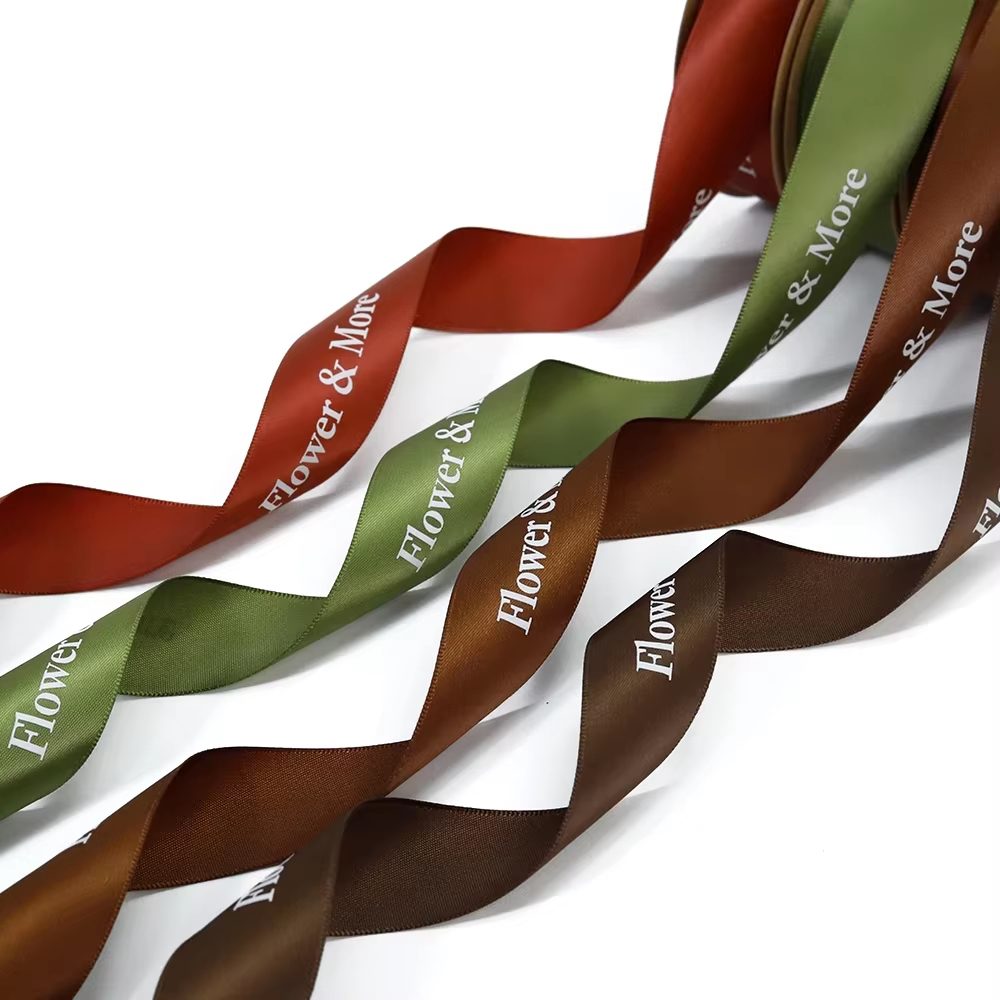
When you need custom printed organza ribbon for an event, the first question isn’t which factory—it’s which printing method won’t look cheap on stage. For someone running a graduation, gala, or trade show, the ribbon usually arrives a week before the ceremony, and there’s zero room for a do-over. That’s why understanding the core trade-offs between screen, foil, and digital transfer matters long before you hit “order.”.

Why Organza Printing Fails: The Sheer Challenge
Organza’s open weave demands specific print adjustments; many suppliers ignore them.
Organza’s plain weave—typically 15–20 threads per centimeter—creates microscopic gaps that act like wicks. When standard satin inks (low viscosity) hit the surface, they spread along the fibers instead of sitting on top. The result: soft edges, ink bleed-through, and a blurry logo that looks cheap under stage lights. Event sashes for graduations or galas demand crisp text; a 2-inch sash with fuzzy lettering screams amateur.
- Ink viscosity: High-viscosity screen inks seal the weave before penetrating. Many bulk suppliers use standard satin inks, which cause the bleed. The fix adds machine setup time per color, so many factories skip it.
- Mesh count: A lower mesh count (e.g., 120–160) deposits more ink per stroke, filling the gaps. Satin printing uses 200+ mesh; using that on organza guarantees translucent print areas that fade after one flex.
For event buyers on a fixed date, these failures mean rush reorders or embarrassing walk-on visuals. A physical sample on the exact organza material, using the same print method and temperature settings, catches every one of these defects before 3,000 yards hit the loom.
Real Cost Breakdown of Custom Printed Organza Ribbon in 2026
Pricing differences among materials, widths, print methods, quantities, and packing must be calculated from dated quotations for the same approved specification.
The cost per yard for custom printed organza ribbon depends on the printing method, order volume, and color count. Setup, tooling, artwork, and sample costs are quoted after the selected process and order specification are reviewed. Current pricing is quoted after the material, width, decoration, quantity, packing, delivery terms, and destination are confirmed.
- Pricing differences among materials, widths, print methods, quantities, and packing must be calculated from dated quotations for the same approved specification.
- Pricing differences among materials, widths, print methods, quantities, and packing must be calculated from dated quotations for the same approved specification.
- Sample cost: Quoted after RFQ. Skipping the sample causes many industry disputes — a documented risk for event buyers with fixed deadlines.
The factory’s color-matching tolerance (buyer-approved ΔE tolerance) and mandatory physical sample workflow catch foiling failures before bulk production. For event specialists, this means fewer last-minute color disasters or brittle foil.
Pricing differences among materials, widths, print methods, quantities, and packing must be calculated from dated quotations for the same approved specification.
Printing Methods Compared: Screen vs Foil vs Digital for Organza
Organza’s open weave demands dedicated print protocols — standard settings cause failures.
Screen printing is the workhorse for event organza. High-viscosity inks sit on the surface, preventing the bleed-through that cheap satin inks cause. Pricing is quoted after RFQ. Best for solid logos, one- or two-color designs.
Any percentage premium, discount, saving, or cost comparison depends on the approved material, width, decoration, quantity, packing, delivery terms, and destination. Compare dated quotations against the same written specification.
Pricing differences among materials, widths, print methods, quantities, and packing must be calculated from dated quotations for the same approved specification.
- Default recommendation: Screen printing for event sashes with solid colors or simple logos — best cost-to-durability ratio.
- Short-run flexibility: Digital transfer for multi-color custom patterns — accept lower abrasion resistance.
How to Source Custom Printed Organza Ribbon Without Delay
Physical sample on organza is non-negotiable.
Organza’s sheer weave demands a different print approach than satin. Many sourcing delays happen when buyers skip the physical sample or submit low-res artwork.
- Artwork submission: Send vector files (AI, EPS, or PDF) at 300 dpi in CMYK or Pantone. A raw JPG forces rework and delays the sample.
- Physical sample (mandatory): Request a sample on the exact organza material with your chosen print method. Skipping this step causes many industry disputes—color shifts or foil peeling show only on the actual fabric.
- The color target, measurement method, lighting conditions, and acceptance tolerance are confirmed against the buyer-approved sample and written specification.
- Production timeline: After sample sign-off, standard production takes 15–20 business days. Expedited schedules must be confirmed during RFQ review and still require sample approval.
- Mid-run inspection: Ask for mid-production photos showing print alignment and color consistency. End with a pre-shipment inspection report and batch numbers. This catches defects before the shipment leaves the factory.
- Width selection: For award sashes: 2–3 inches (50–75 mm). For rosettes: 1–1.5 inches (25–38 mm). Wider ribbons increase material cost—plan accordingly.
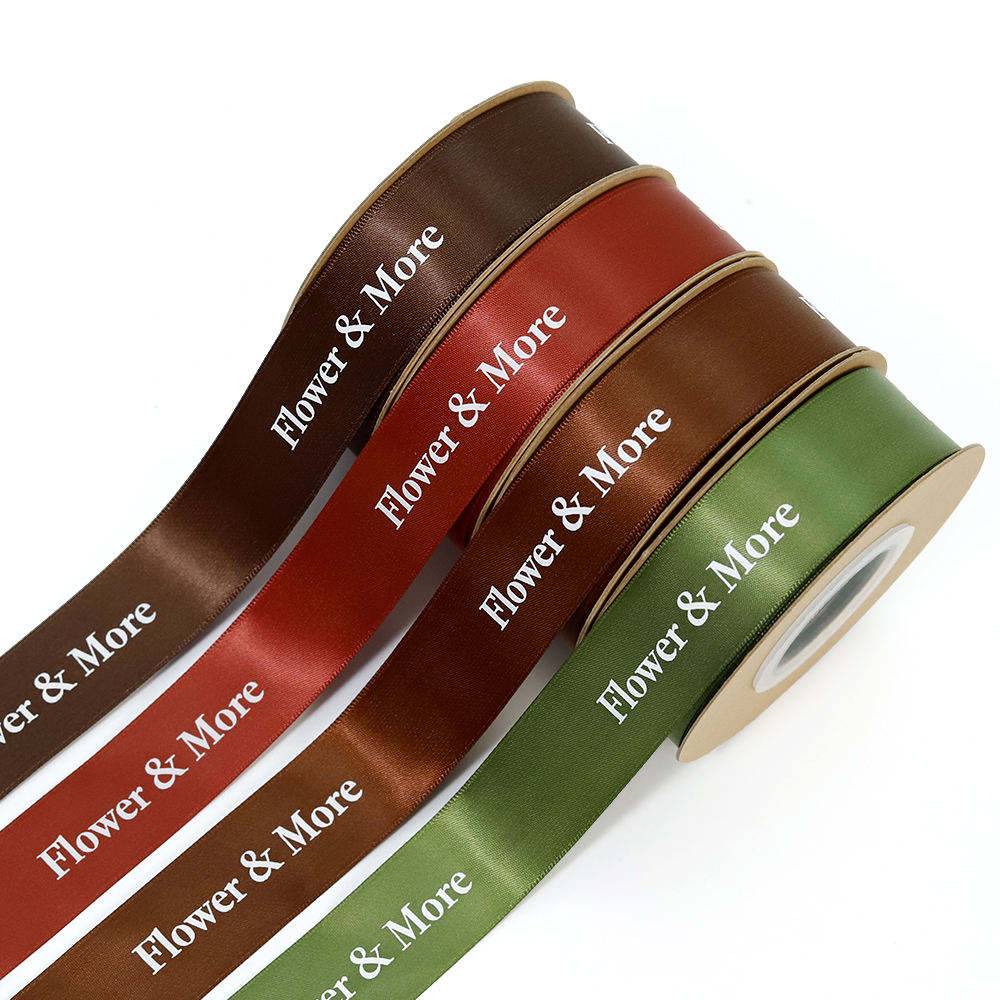
Why Skip the Sample? The Repeated Dispute Claim
Never skip the physical sample.
- The color target, measurement method, lighting conditions, and acceptance tolerance are confirmed against the buyer-approved sample and written specification.
- Text misalignment: Centering a logo on a sheer, shifting weave is tricky. A physical sample reveals registration errors that a digital proof cannot show.
If a supplier hesitates to send a physical sample, treat that as a red flag. They either lack control over their printing process or they want to lock you into a bulk order hoping you will accept defects. Event buyers cannot afford returns – enforce the sample rule.
Conclusion
For your next event run, start with a clear vector file and a Pantone reference. Request a physical sample on the exact organza material. Compare widths and printing options on the organza ribbon page to match your program.
Frequently Asked Questions
What is an organza ribbon with satin edge?
It is a sheer organza ribbon with woven satin borders that prevent fraying and add structure. This construction gives you the transparency of organza with the crisp finish of satin for premium packaging. Specify width and edge finish when requesting samples.
How to get a custom made ribbon with logo?
Send your logo as a vector file (AI, EPS, or PDF) at 300 dpi minimum, and the factory confirms material, print method, and lead time before sampling. Submit vector artwork and a Pantone reference to begin.
What are the MOQ and pricing for custom ribbon in bulk?
Pricing differences among materials, widths, print methods, quantities, and packing must be calculated from dated quotations for the same approved specification.
Can organza ribbon be foil stamped?
Yes, but it requires lower heat pressure and specific dwell time to avoid melting the sheer fabric. Confirm the supplier’s experience with organza foil stamping before ordering.
How does customised ribbon printing work for organza?
It works via three methods: screen printing (best durability and lowest cost), foil stamping (premium metallic effect), or digital transfer (full-color gradients). The factory must adjust ink viscosity and heat settings. Choose the method based on your budget and required visual finish.
Keep exploring
Recommended buyer guides
 Grosgrain vs Velvet Ribbon Printing: Texture Performance Guide
Evidence and specification note: Color targets, tolerances, test methods, documentation, acceptance criteria, and remedies must be confirmed for…
Explore guide
Grosgrain vs Velvet Ribbon Printing: Texture Performance Guide
Evidence and specification note: Color targets, tolerances, test methods, documentation, acceptance criteria, and remedies must be confirmed for…
Explore guide
 Custom Award Ribbon Manufacturing Process: Avoid Disputes
Evidence and specification note: Color targets, tolerances, test methods, documentation, acceptance criteria, and remedies must be confirmed for…
Explore guide
Custom Award Ribbon Manufacturing Process: Avoid Disputes
Evidence and specification note: Color targets, tolerances, test methods, documentation, acceptance criteria, and remedies must be confirmed for…
Explore guide
 Double Face Satin Ribbon: Avoid Fraying & Foil Lifting in Bows
Evidence and specification note: Color targets, tolerances, test methods, documentation, acceptance criteria, and remedies must be confirmed for…
Explore guide
Double Face Satin Ribbon: Avoid Fraying & Foil Lifting in Bows
Evidence and specification note: Color targets, tolerances, test methods, documentation, acceptance criteria, and remedies must be confirmed for…
Explore guide
 Satin Ribbon Roll Lengths: Bulk Importers’ Quality Guide
Evidence and specification note: Color targets, tolerances, test methods, documentation, acceptance criteria, and remedies must be confirmed for…
Explore guide
Satin Ribbon Roll Lengths: Bulk Importers’ Quality Guide
Evidence and specification note: Color targets, tolerances, test methods, documentation, acceptance criteria, and remedies must be confirmed for…
Explore guide
Leave a comment
Share a sourcing question or feedback on this guide. The Lude team reviews submissions before following up.