


Cosmetic Packaging Bow: Pre-tied bow fit
Which Cosmetic Packaging Bow options deserve an RFQ? Compare sample approval, color tolerance, QC checks, and bow shape to find the right production
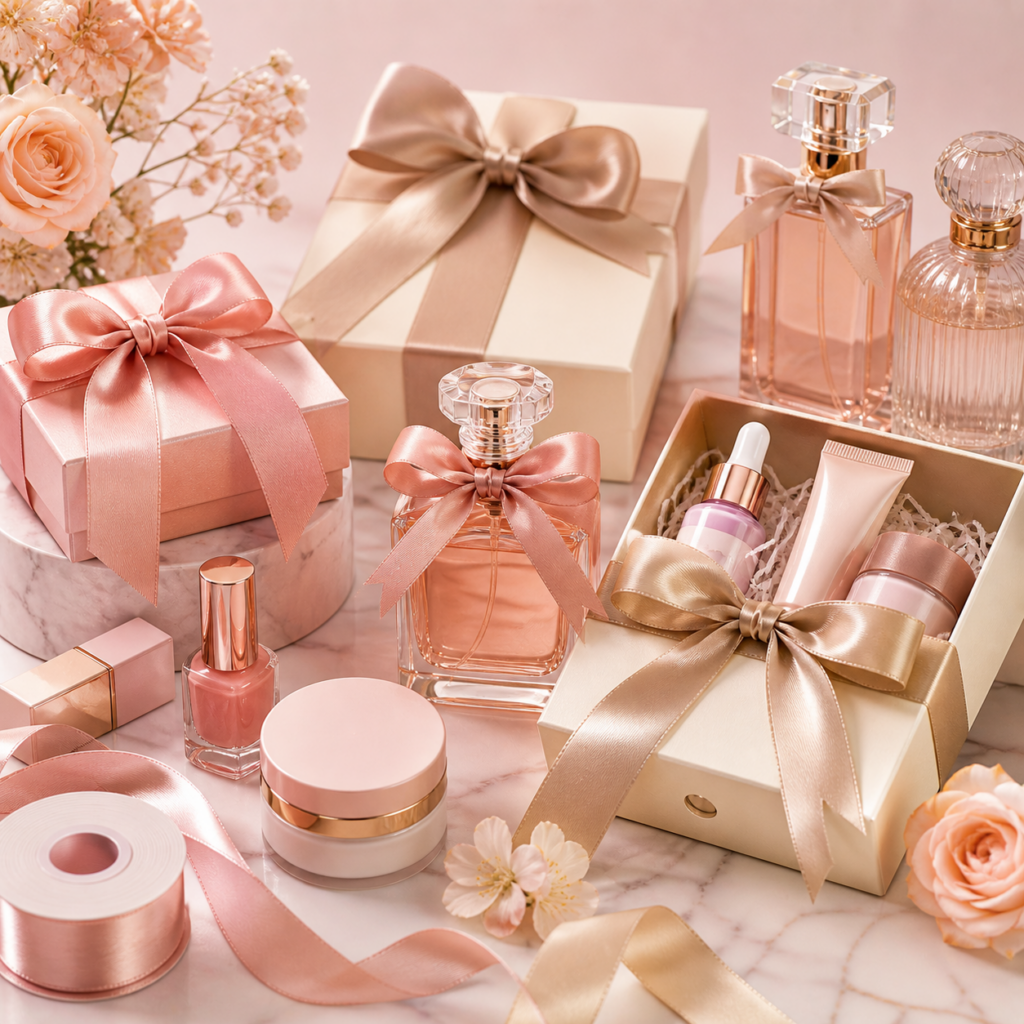
Cosmetic packaging bow needs a written specification before the buyer can map product choices to real applications, usage scenarios, buyer constraints, and project outcomes; otherwise suppliers may quote different product and approval assumptions.
A cosmetic bow has to sit flat on a small box and still survive a shelf. Both constraints point at the same number: bow size relative to the pack.
Direct answer: For cosmetic packaging bow, buyers should map product choices to real applications, usage scenarios, buyer constraints, and project outcomes.
Where cosmetic packaging bow fits event projects
| Application | Fit condition | Risk to avoid | Specification or proof | Follow-up |
|---|---|---|---|---|
| Event gift bag with single-use bow | Pre-tied bow in stock colour, standard width, 1,000 pieces per style | Custom colour or width may exceed MOQ and delay event timeline | Bow dimensions, ribbon material, colour code, and carton photo | Request stock colour sample and confirm MOQ per style before RFQ |
| Branded product launch with logo bow | Custom printed ribbon bow, 3,000 yards per design, artwork approval required | Artwork mismatch or colour shift on printed ribbon can stop production | Vector artwork, Pantone reference, and approved pre-production sample | Submit artwork for colour proof and request sample before bulk run |
| High-volume retail shelf display | Plain stock ribbon bow, 1,500 yards per colour, from existing inventory | Inconsistent bow shape or ribbon width tolerance may affect shelf appearance | Width tolerance, bow tie method, and packing specification | Verify width tolerance and request packing photo before order confirmation |
| Seasonal promotion with multiple bow colours | Custom colour ribbon bow, MOQ quoted per RFQ, colour match required | Colour variation across dye lots can cause rejection at final inspection | Colour standard (Pantone), dye lot control plan, and pre-production sample | Confirm colour match sample and dye lot continuity before bulk order |
For event gift bag with single-use bow, a poor decision can mean custom colour or width may exceed MOQ and delay event timeline. Request written proof and compare it with the approved sample or specification.
Preserve the event gift bag with single-use bow decision under one revision number: keep the supplier response, marked sample, approved specification, quotation, and approval owner together. If the evidence conflicts with the approved record, hold the quote, sample, or production release until the deviation is explained in writing. Once the buyer and designated technical authority have accepted the evidence, carry the signed approval record into the purchase order, production handoff, shipment release, and later reorder review so every team works from the same baseline.
Best-fit buyer scenarios
Cosmetic packaging bow fits event projects where the bow is a single-use accent on a gift bag or display carton. Stock colour pre-tied bows at 1,000 pieces per style work for standard events. Custom printed logo bows require 3,000 yards per design and artwork approval. High-volume retail displays need consistent width tolerance and packing specs.
Cases where another ribbon option is safer
If the event requires multiple bow colours with tight colour match across dye lots, a custom colour ribbon bow may introduce rejection risk. For smaller projects, a stock colour pre-tied bow at 1,000 pieces per style avoids custom-colour MOQ issues. When the bow must survive repeated handling, consider a stiffer ribbon construction or reinforced tie method.
Material, finish, and format decisions
- Supplier cannot produce the specified ribbon width or material construction for your bow. A mismatch in width or material (e.g., satin vs. grosgrain) changes the bow's shape, stiffness, and how it sits on the carton. Send a dimensioned photo or CAD of your carton with the bow placement and required material type. Request a material swatch card and a width gauge check from the supplier's current stock. Compare the swatch to your approved sample and confirm the width tolerance in writing.
- No pre-production sample is provided before bulk cutting of custom printed ribbon. Without a sample, color shift, print registration errors, or bow tie-off defects go undetected until the full order arrives. Insist on a pre-production sample of the cosmetic packaging bow using the exact custom printed ribbon specified. Ask for a photo of the sample next to a Pantone reference and a ruler for scale. Approve the sample in writing and keep a physical copy for final inspection.
- Supplier does not document the bow's finished dimensions or ribbon yardage per piece. Inconsistent bow size or ribbon consumption leads to either loose packaging or material shortages during production. Request a specification sheet listing bow loop length, tail length, and ribbon width for each style. Obtain a signed spec sheet with tolerances (e.g., the buyer-approved tolerance on loop length). Verify the spec sheet against your carton dimensions and approve before bulk production.
- Supplier cannot provide a color-matching report for the custom printed ribbon used in the bow. Color variation between production runs or between ribbon and carton printing creates a rejected final product. Ask for a spectrophotometer reading or a side-by-side photo under buyer-approved viewing conditions. Request a color approval form with the target Pantone and the measured buyer-approved color tolerance value. Set a maximum buyer-approved color tolerance in the purchase order and hold the supplier to it.
How material choice affects appearance and handling
Satin ribbon gives a glossy, smooth finish that reflects light, making the bow stand out on a shelf. Grosgrain is stiffer and holds its shape better during shipping. Velvet adds a soft, premium feel but requires careful handling to avoid crushing. The material directly affects how the bow ties, how it sits on the carton, and how it survives transit. Always compare a physical sample to your carton before committing to a material.
Width, roll length, bow format, and packing fit
Bow width must match the carton surface area; a bow that is too wide overhangs and gets crushed, while one too narrow looks undersized. Roll length determines how many bows you can produce per custom printed ribbon run. The bow format—pre-tied or flat—affects packing density and labor cost. Confirm that the finished bow fits within your carton's lid recess or band without distorting the packaging.
RFQ checkpoint
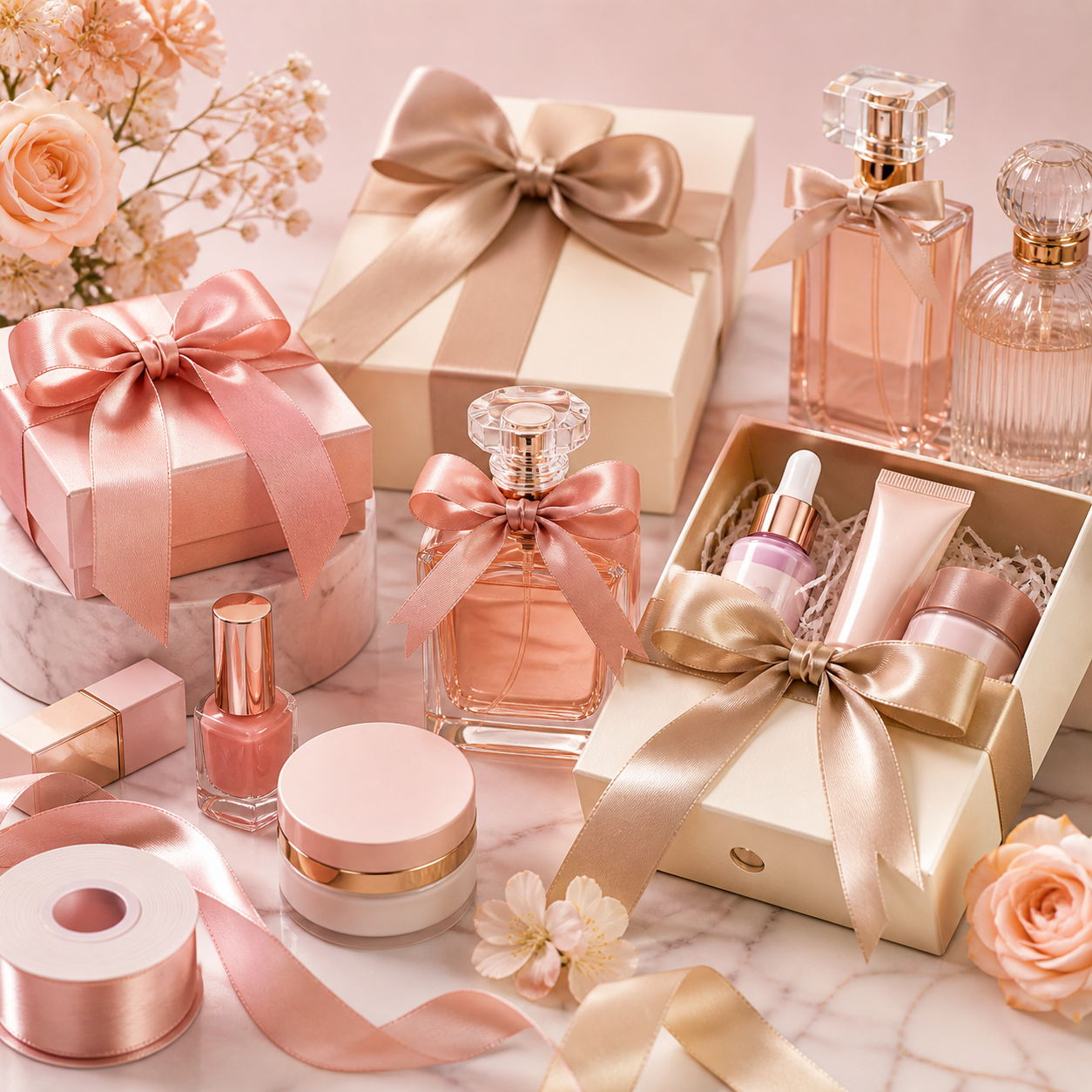
Application and display requirements
| Option | Best fit | Trade-off | Risk to avoid | Verification | Follow-up |
|---|---|---|---|---|---|
| Stock pre-tied bow (plain satin/grosgrain, standard width) | Retail shelf display with consistent shape and color match. | Limited to existing inventory colors and widths; no custom imprint. | Color mismatch if supplier’s stock dye lot differs from packaging. | Request stock color card and dye lot sample before bulk order. | Send color target reference and confirm stock availability. |
| Alternative material bow (sheer organza or velvet) | Luxury or seasonal packaging needing texture variation. | Higher material cost; may require reinforcement for heavy products. | Bow may lose shape under humidity or handling in store. | Check material GSM and ask for humidity test result. | Request sample in target material and confirm lead time. |
| Custom printed bow with logo or brand pattern | Branded unboxing for limited edition or gift sets. | MOQ of 3,000 yards per design; longer lead time for artwork approval. | Artwork approval delays production; reprint if color is off. | Request digital proof and first-article sample before bulk run. | Submit artwork in vector format and confirm color match criteria. |
| Adhesive-free clip-on bow (no ribbon tails) | High-speed packing line where bow must not shift or shed fibers. | Less visual volume; may not suit premium gift presentation. | Clip may scratch box surface or detach during transit. | Perform clip adhesion test on box material and drop test. | Request engineering drawing and sample with box mockup. |
For stock pre-tied bow (plain satin/grosgrain, standard width), a poor decision can mean color mismatch if supplier’s stock dye lot differs from packaging. Request stock color card and dye lot sample before bulk order.
For cosmetic packaging bow, preserve the stock pre-tied bow (plain satin/grosgrain, standard width) decision under one revision number: keep the supplier response, marked sample, approved specification, quotation, and approval owner together. If the evidence conflicts with the approved record, hold the quote, sample, or production release until the deviation is explained in writing. Once the buyer and designated technical authority have accepted the evidence, carry the signed Application and display requirements record into the purchase order, production handoff, shipment release, and later reorder review so every team works from the same baseline.
Retail, gift, cosmetic, wine, holiday, award, or event details
Different end-uses demand specific bow construction. For retail shelf display, verify UV resistance and shape retention under store lighting. Gift packaging requires consistent tail length and a secure knot that won't loosen. Cosmetic boxes often need non-abrasive ribbon to avoid scratching surfaces. Wine and holiday packaging may need moisture-resistant materials. Award ribbons require durability and colorfastness. Specify the exact display environment in your quote request to match the bow's material and finish to the application.
Handling, storage, and presentation risks
Bows stored in high humidity may lose stiffness or develop mildew; request a moisture test from the supplier. During transit, bows can snag or peel against packaging edges; ask for a crush test simulation. Color transfer from dyed ribbon to the box is a common risk—confirm with a rub test. For presentation, ensure the bow remains centered after packing line vibration. Document these risks in your approval gate to avoid costly rework at the retail stage.
MOQ, lead time, and sample planning
For cosmetic packaging bow, build the quote request around the inputs below. Match every listed buyer input to written supplier confirmation, approval evidence, and the risk that would hold the quote.
- Target minimum order per bow style and colour: Locks per-unit cost and whether a single colour run or multi-colour program is viable. 1,000 pieces per style/colour for ready-made bows; confirm if split across two colours is allowed. Supplier may quote a higher piece price or reject a split order, delaying budget approval. State the total quantity and colour breakdown in the quote request; ask if a 50/50 split is accepted at the same minimum order.
- Cost driver: material, construction, and packing: Identifies whether the bow price is driven by ribbon grade, pre-tied complexity, or polybag vs. bulk pack. A hand-tied grosgrain bow with wire edge costs more than a machine-tied satin bow of the same size. You may approve a low quote that later adds packing or material upgrade charges. Ask the supplier to itemize material, labour, and packing line items on the quote for comparison.
- Sample approval evidence (photo, physical, or video): Verifies bow shape, colour match, and ribbon stiffness before bulk production starts. A physical pre-production sample signed off against a Pantone reference and a carton lid mock-up. Bulk bows may differ in colour or shape, causing rejection at your incoming inspection. Document the approval in writing with a photo of the sample next to the carton and the Pantone chip.
What to confirm before ordering
Before you place the order, verify that the bow dimensions match your carton lid recess or attachment point. Confirm the ribbon width, material (satin, grosgrain, or organza), and whether the bow is pre-tied or hand-tied. Ask the supplier to state the minimum order per colour and style in writing, and request a production lead-time calendar that includes artwork review and sample approval gates.
How to avoid last-minute project delays
To avoid delays, send a dimensioned photo or CAD of your cosmetic carton with the quote request so the supplier can confirm fit before quoting. Request a physical pre-production sample and approve it against a Pantone reference and your carton mock-up. Document the approval with a dated photo. Finally, ask the supplier to itemize material, labour, and packing costs on the quote to prevent surprise charges later.
Buyer checklist before RFQ
- Verify bow construction matches the intended display method: A pre-tied bow that collapses under its own weight on a retail shelf will look cheap and hurt brand perception. Request a production sample pinned to a board or placed in an empty carton lid to confirm shape retention. Bows that flatten during shipping or in-store handling will be rejected by the merchandising team. Document the approved display angle and storage orientation in the quote request.
- Confirm color tolerance against your carton or ribbon PMS target: A 2–3 shade difference between the bow and the carton lid or printed ribbon creates a mismatched set that fails brand standards. Ask the supplier to submit a lab dip or ribbon swatch under buyer-approved viewing conditions daylight lamp alongside your target PMS chip. Approving a bow by photo alone can lead to a full batch that is off-shade and unsellable. Hold the lab dip approval until it is signed off by your brand color team.
- Verify the bow is packed to prevent crushing during transit: Bows packed loose or in under-sized cartons arrive flattened, which creates waste and delays your launch. Ask for a packed carton photo showing the bow layer layout, void fill, and carton dimensions. Crushed bows cannot be re-fluffed to retail standard and must be scrapped. Require a ship-test sample (one carton) before bulk production is released.
- Document the acceptable bow-to-carton lid fit tolerance: A bow that overhangs the lid edge or sits too deep inside the lid looks unprofessional and may not close properly. Place the sample bow inside the actual carton lid and measure the gap on all four sides. A fit mismatch at bulk delivery means every unit must be re-tied or the carton lid redesigned. Include a dimensioned photo of the approved fit in the final approval email.
Project details to send the supplier
Before requesting a quote, gather your carton dimensions, bow placement photo or CAD, target minimum order per style, and the display environment (shelf, humidity, duration). This lets the supplier quote the right bow construction, material, and packing method. Missing details often lead to wrong samples or delayed lead times.
Source check: ISO 2859-1 sampling inspection standard.
For cosmetic packaging bow, use OEM and ODM ribbon development to align the applicable specification, proof record, supplier responsibility, and quote request handoff before comparing quotes.
For cosmetic packaging bow, use minimum order and lead time to align the applicable specification, proof record, supplier responsibility, and quote request handoff before comparing quotes.
In conclusion
The final approval for this pre-tied bow program comes down to verifying that every specification—from ribbon width and material to colour accuracy and bow construction—matches your carton dimensions and brand guidelines. Compare the supplier’s minimum order per style against your forecasted volume, confirm the lead time fits your launch calendar, and request a pre-production sample to validate the bow’s appearance and durability. Once the sample is approved, you can confidently shortlist the supplier and move forward with the bulk order, knowing the quality and cost align with your packaging requirements.
To request a quote for this packaging accessory, use cosmetics and perfume packaging ribbon solutions to confirm the final specification, quote assumptions, sample approval, QC evidence, approval risk, and supplier follow-up before bulk order.
Cosmetic packaging bow FAQ
What should buyers confirm before ordering Cosmetic Packaging Bow?
Before ordering cosmetic packaging bows, confirm the bow dimensions, material (satin, grosgrain, or velvet), colour, style, and attachment method (clip, glue, or wire) against your carton layout. Verify the supplier’s minimum order—typically 1,000 pieces per style/colour—and lead time of 15–20 business days after specifications are confirmed. Request a quote that includes sample cost and shipping, and document all measurements in the quote request to avoid mismatches.
How should buyers compare MOQ, lead time, and quote terms?
Compare minimum order per bow style and colour, as custom colours or widths may require a separate quote request and higher minimums. Lead time starts after artwork approval and sample sign-off, so factor in 5–10 extra days for those steps. Request a quote breakdown by material, construction, and packing; confirm whether the price includes sample charges and shipping. Shortlist suppliers that provide clear validity periods and reorder terms.
What sample, quality, or supplier checks reduce risk?
Request a pre-production sample to verify bow dimensions, colour accuracy, ribbon stiffness, and attachment strength. Check that the bow fits your carton securely and does not compress or shift during transit. Ask the supplier for their QC inspection plan and whether they follow AQL sampling standards. Document any colour or construction deviations and approve the sample in writing before bulk production begins.
quote request handoff: Send Specs for Review.
Keep exploring
Recommended buyer guides
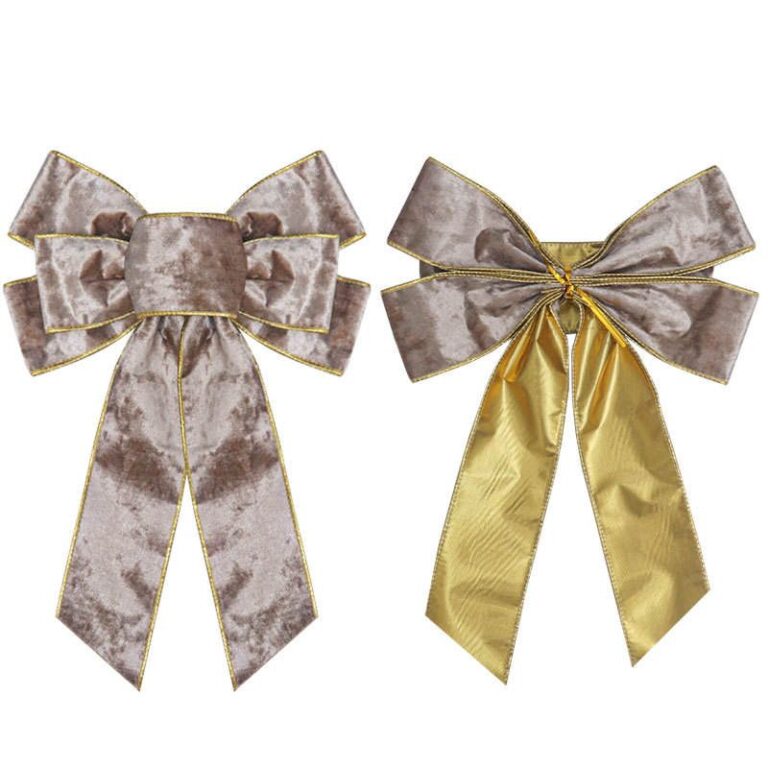 Pre-Tied Bows for Retail Packaging: When They Reduce Labor and Rework
See when pre-tied bows reduce retail packaging labor, improve consistency, and simplify bulk packing, SKU planning, and reorders
Explore guide
Pre-Tied Bows for Retail Packaging: When They Reduce Labor and Rework
See when pre-tied bows reduce retail packaging labor, improve consistency, and simplify bulk packing, SKU planning, and reorders
Explore guide
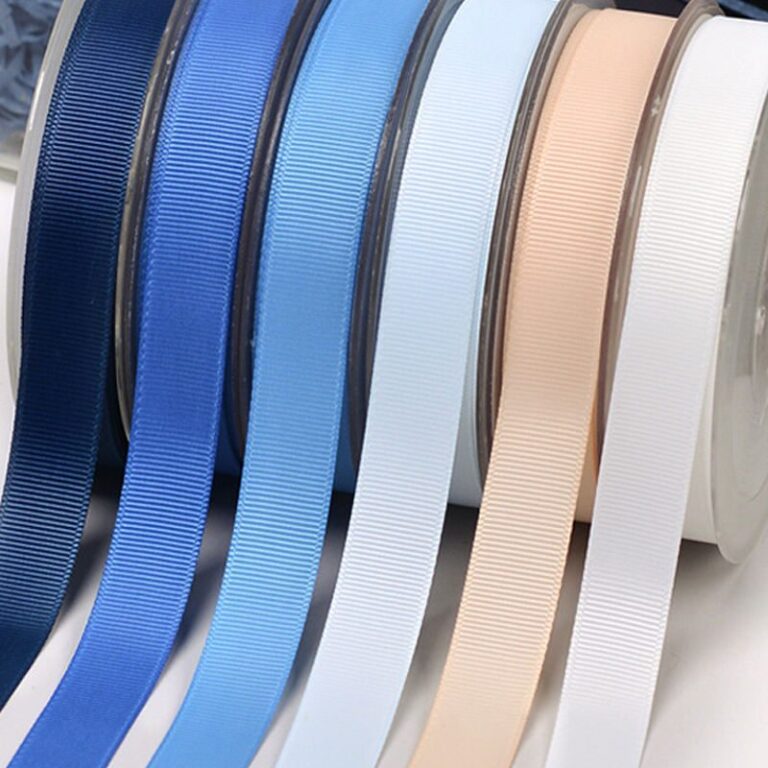 Wholesale Grosgrain Ribbon Rolls: Specs, Roll Length, and RFQ Checks
Buying Grosgrain Ribbon Rolls? Verify sample approval, color tolerance, QC checks, and material to reduce quoting errors and…
Explore guide
Wholesale Grosgrain Ribbon Rolls: Specs, Roll Length, and RFQ Checks
Buying Grosgrain Ribbon Rolls? Verify sample approval, color tolerance, QC checks, and material to reduce quoting errors and…
Explore guide
 Wholesale Foil Printed Ribbon: Use-Case Fit and RFQ Checklist
Buying foil printed ribbon: buyer use-case fit checklist? Verify artwork files, print method, and color target to reduce…
Explore guide
Wholesale Foil Printed Ribbon: Use-Case Fit and RFQ Checklist
Buying foil printed ribbon: buyer use-case fit checklist? Verify artwork files, print method, and color target to reduce…
Explore guide
 Grosgrain Ribbon Width Guide: Width choice for packaging and bows
Grosgrain Ribbon Width Guide: what to check on artwork files, print method, color target, and material before placing…
Explore guide
Grosgrain Ribbon Width Guide: Width choice for packaging and bows
Grosgrain Ribbon Width Guide: what to check on artwork files, print method, color target, and material before placing…
Explore guide
Leave a comment
Share a sourcing question or feedback on this guide. The Lude team reviews submissions before following up.