


Christmas Ribbon Bows for Retail Packaging: Seasonal Order Checklist
A buyer's checklist for Christmas Ribbon Bows for Retail Packaging — covering sample approval, color tolerance, QC checks, and bow shape from first sample

Xmas ribbon bows need a written specification before the buyer can map product choices to real applications, usage scenarios, buyer constraints, and project outcomes; otherwise suppliers may quote different product and approval assumptions.
Seasonal bow programs are decided by SKU count and assembly route, and both are set months before the season starts.
Direct answer: For xmas ribbon bows, lock measurable specifications, application constraints, supplier evidence, and the next approval action before comparing options.
Which Christmas bow route fits the retail pack?
Choose the route by where assembly occurs and what must survive handling. Pull bows can reduce final forming work when the pull-and-lock method is repeatable; pre-tied bows arrive formed but require shape protection; ribbon rolls preserve flexibility but transfer cutting and tying to the buyer or packer.
Key takeaways
- Approve the bow on the actual carton, bag, bottle, gift set, or display fixture—not on a loose sample card.
- Freeze SKU, color, size, tail, attachment, assembly owner, inner pack, and launch date before MOQ and timing comparison.
- Reopen the packed sample after compression and handling so shape, shade, attachment, and count are release evidence.
| Bow route | Best fit | Main risk | Release evidence |
|---|---|---|---|
| Pull bow | Fast in-line or store forming with a defined pull sequence | Pull strip, lock or final shape is inconsistent | Timed work instruction plus formed and packed sample |
| Pre-tied bow | Presentation-ready attachment with controlled dimensions | Loops or tails crush, twist or detach | Applied sample, attachment check and reopened carton |
| Ribbon roll | Buyer needs flexible cuts and multiple formed styles | Assembly labor, yield and appearance vary | Cut/tie trial, usable-output record and packout |
Require the supplier to return the identified assembly and packout evidence before production release; a catalog image is not a seasonal approval record.
How seasonal approval has evolved
Seasonal bow approval can no longer stop at a loose decorative sample when retail programs divide by SKU, assembly owner, package, and dated launch. SEASON-LOCK moves the decision to the applied and reopened pack while keeping the earlier appearance reference as supporting evidence.
SEASON-LOCK: Freeze the seasonal SKU list, artwork owner and required delivery window before samples are requested.
Ask the seasonal-bow quotation to separate ribbon material, forming or tying work, attachment, SKU changeovers, shape protection, inspection, and packout. These cost drivers must refer to the same applied sample; otherwise the buyer is comparing different routes under one unit price.
What must the seasonal sample prove?
The sample must prove the finished package decision: shade and sheen against the package, bow and tail dimensions, attachment, orientation, barcode or label clearance, opening experience, display position, and the shape after packing. A loose bow cannot approve the assembled and shipped result.
For visual shade assessment, AATCC EP9-2025 standardizes comparison of textile specimens with a standard. It does not set the buyer’s bow tolerance. Mark orientation, light/viewing condition, package substrate, and accepted physical reference so reflective or directional appearance is not mistaken for a dye difference.
Sample record
- Identify bow style, material, construction, color reference, dimensions, tails, attachment and package SKU.
- Record who forms or applies it, the work instruction, inspection point, accepted sample revision and open deviations.
- Pack the identified quantity, reopen it, and photograph the accepted orientation, protection, shape and count.
A missing package SKU, orientation, or accepted reference creates rejection risk. Verify the sample record and request correction before the buyer approves the route.
SEASON-LOCK: Link each bow size and ribbon construction to the retail package on which it was approved.
Record the sample approval date and ask which accepted record starts production lead time. A repeated bow, attachment, or packout sample adds cost and can delay the launch, so verify the approved package route against gift and retail packaging ribbon solutions before the buyer releases production.
SEASON-LOCK review
Send the sell-by date, bow route, SKU split, approved package sample, assembly owner, carton protection, and reopen triggers for one seasonal release review.
How should SKU count and assembly route be planned?
Every color, bow dimension, print design, attachment, package SKU, and destination can create a separate material, changeover, inspection, or packing assumption. Give the supplier a variant matrix rather than one total quantity.
| SEASON-LOCK gate | Buyer input | Hold condition | Release action |
|---|---|---|---|
| SKU and assembly | Bow/SKU map, package, forming or attachment owner, line instruction | A bow is approved without its package or owner | Run the identified application trial |
| Timeline and capacity | Sell-by date, sample deadline, approval buffer, production and shipping milestones | The launch date depends on an unapproved sample | Date every decision and restart event |
| Packing and count | Inner quantity, divider/protection, carton orientation, label and reopen check | Shape or count changes after packing | Revise protection or pack density |
Lude Ribbon’s approved planning baseline is 15-20 business days for standard production after specifications are confirmed, with artwork review, sample approval, and shipping time separate; complex programs are quoted longer per RFQ. A seasonal program should add buyer approval and logistics buffers rather than treating that baseline as a guaranteed arrival date.
Use OEM and ODM ribbon development when a custom forming or attachment trial must be dated inside the SKU plan.
The release risk is assigning one shared date to an unapproved SKU route; keep that row on hold until its identified trial is accepted.
Which packing checks protect the launch date?
Textile appearance and shape can change under light, dust, moisture, rough handling, folding, and compression. The NPS textile-care guidance documents those deterioration and handling factors for museum textiles. A retail bow pack is not a museum object, but the mechanisms explain why protection and handling conditions should be recorded rather than guessed.
When an applicable test method requires textile conditioning, the official textile-conditioning practice supplies a controlled preparation reference. It does not prescribe the buyer’s bow acceptance limit or transit method. Define the actual packout trial, storage/handling assumption, and release condition with the supplier.
Reopen triggers
Reopen the affected SEASON-LOCK checks after a material, dye lot, loop/tail dimension, pull mechanism, attachment, printed artwork, package SKU, inner quantity, divider, carton, conversion owner, or destination change. Keep the superseded sample and link the replacement disposition.
The launch risk is a delayed release or shape rejection hidden by an untested pack. Request a repeated packout check whenever a listed trigger changes.
Packout diagnosis checklist
- Symptom: flattened loops or twisted tails. Likely cause: excessive pack density or missing separation. Evidence check: reopen the identified carton and compare it with the approved bow. Corrective action: revise protection or inner quantity and repeat the trial.
- Symptom: detached bow or displaced orientation. Likely cause: attachment and package surface were approved separately. Evidence check: inspect the applied sample after handling. Corrective action: change the attachment method and require buyer approval.
- Symptom: mixed count, shade, or SKU label. Likely cause: packout records do not match the seasonal matrix. Evidence check: reconcile labels, physical count, and sample revision. Corrective action: quarantine the affected carton until the discrepancy is closed.
What belongs in a seasonal bow RFQ?
Send the retail sell-by date and work backward through in-market receipt, distribution, shipment, production release, sample approval, and specification freeze. The supplier response should show which event restarts the schedule.
First-party method and limitation
Record planned quantity and accepted quantity by SKU, formed-sample passes, reopened-pack passes, damaged or reshaped pieces, approval rounds, request/approval/release dates, change reasons, and responsible owner. Calculate first-pass sample closure as sample checks accepted on first review divided by applicable checks; calculate reopened-pack issue share as affected pieces divided by inspected pieces; calculate approval cycle time from usable sample receipt to signed release.
Shortlist questions
- Which bow construction and assembly route controls each SKU, and who can stop the line?
- Which sample, viewing condition, application trial and reopened carton release bulk production?
- How are variant count, conversion, inner protection, inspection, urgent changes and split destinations priced?
Compare the selected format with the pre-tied and pull bow range and validate it on the final pack through gift and retail packaging ribbon solutions.
The commercial risk is a seasonal release based on an unstated pricing or evidence assumption; keep the response open until the accountable owner resolves each deviation.
Source check: NPS textile-care guidance.
For xmas ribbon bows, use MOQ and lead time to align the applicable specification, proof record, supplier responsibility, and RFQ handoff before comparing quotes.
In conclusion
Buyers may search for “xmas ribbon bows,” but a seasonal program is ready only when the ten SEASON-LOCK records agree: sell-by date, identified sample, assembly and SKU route, accountable milestones, pack protection, release, change history, reopened carton, and reorder reference.
The next procurement action is to compare the approved construction with pre-tied bows, then send the signed sample and packout record with the quote request before bulk release.
Verify the final record against the accepted package trial and inspection disposition before approving the seasonal order.
SEASON-LOCK: Close the release with a dated packout photo, carton count and responsible approval owner.
Require the supplier or factory to prove its capability with the identified forming, attachment, inspection, and reopened-pack records. Keep ribbon, conversion, SKU changeover, protection, inspection, and packing cost drivers beside that evidence before the seasonal order is approved.
Lude Ribbon’s approved baseline for ready-made bows is 1,000 pieces per style or color. Keep that minimum separate from the dated sample, seasonal SKU split, and packing release.
Christmas ribbon bow FAQ
When should buyers choose pull bows, pre-tied bows, or ribbon rolls?
Choose pull bows when the pull-and-lock action can be standardized, pre-tied bows when presentation-ready shape justifies protective packing, and rolls when the buyer controls cutting and forming. Approve the actual assembly and packout route before price comparison.
How should a Christmas bow sample be approved for retail packaging?
Apply the identified bow to the correct package SKU, assess shade and finish under stated conditions, run the real forming or attachment step, confirm clearance and opening, then reopen the packed sample. Record revision, result, approver, and open deviations.
Which changes require the seasonal bow packout to be reopened?
Reopen after changes to construction, color lot, size, tails, pull mechanism, attachment, artwork, package, inner quantity, protection, carton, conversion owner, or destination. Repeat only the affected evidence, but never release an undeclared change.
Next step: Send the sell-by date, bow route, SKU split, approved package sample, assembly owner, carton protection, and reopen triggers for one seasonal release review. Send Specs for Review.
Keep exploring
Recommended buyer guides
 Pre-Tied Bows for Retail Packaging: When They Reduce Labor and Rework
See when pre-tied bows reduce retail packaging labor, improve consistency, and simplify bulk packing, SKU planning, and reorders
Explore guide
Pre-Tied Bows for Retail Packaging: When They Reduce Labor and Rework
See when pre-tied bows reduce retail packaging labor, improve consistency, and simplify bulk packing, SKU planning, and reorders
Explore guide
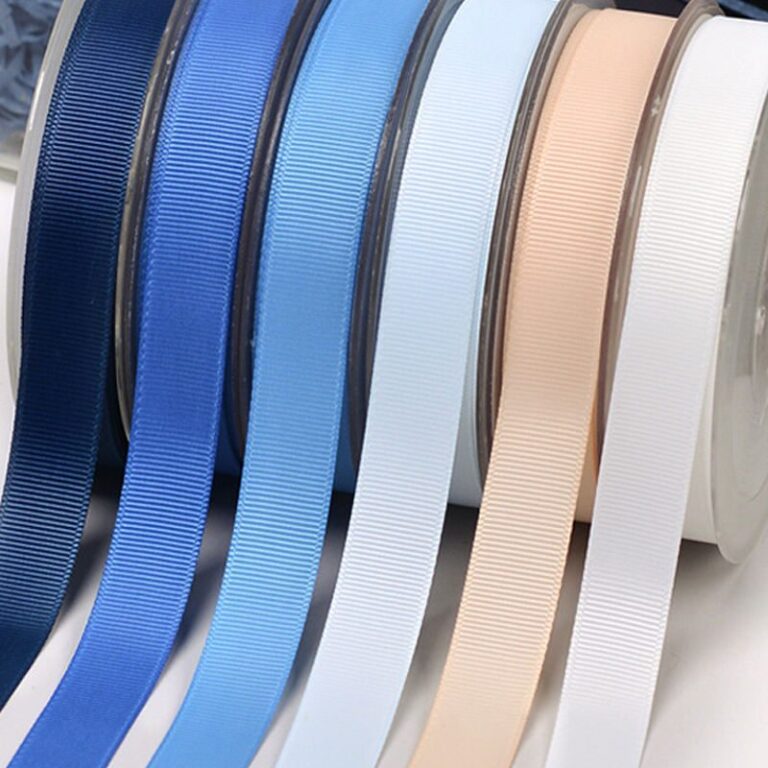 Wholesale Grosgrain Ribbon Rolls: Specs, Roll Length, and RFQ Checks
Buying Grosgrain Ribbon Rolls? Verify sample approval, color tolerance, QC checks, and material to reduce quoting errors and…
Explore guide
Wholesale Grosgrain Ribbon Rolls: Specs, Roll Length, and RFQ Checks
Buying Grosgrain Ribbon Rolls? Verify sample approval, color tolerance, QC checks, and material to reduce quoting errors and…
Explore guide
 Wholesale Foil Printed Ribbon: Use-Case Fit and RFQ Checklist
Buying foil printed ribbon: buyer use-case fit checklist? Verify artwork files, print method, and color target to reduce…
Explore guide
Wholesale Foil Printed Ribbon: Use-Case Fit and RFQ Checklist
Buying foil printed ribbon: buyer use-case fit checklist? Verify artwork files, print method, and color target to reduce…
Explore guide
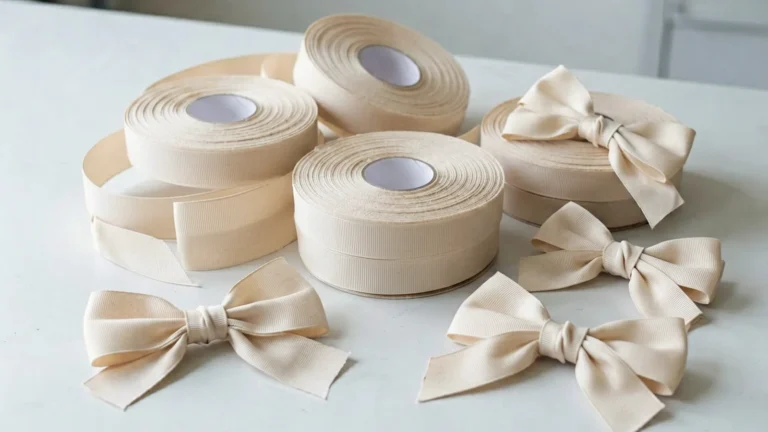 Grosgrain Ribbon Width Guide: Width choice for packaging and bows
Grosgrain Ribbon Width Guide: what to check on artwork files, print method, color target, and material before placing…
Explore guide
Grosgrain Ribbon Width Guide: Width choice for packaging and bows
Grosgrain Ribbon Width Guide: what to check on artwork files, print method, color target, and material before placing…
Explore guide
Leave a comment
Share a sourcing question or feedback on this guide. The Lude team reviews submissions before following up.