


Bulk Satin Ribbon Packaging and QC Checklist: Options and RFQ Checks
Use this checklist to compare sample approval, color tolerance, and QC checks against one written approval record before bulk production
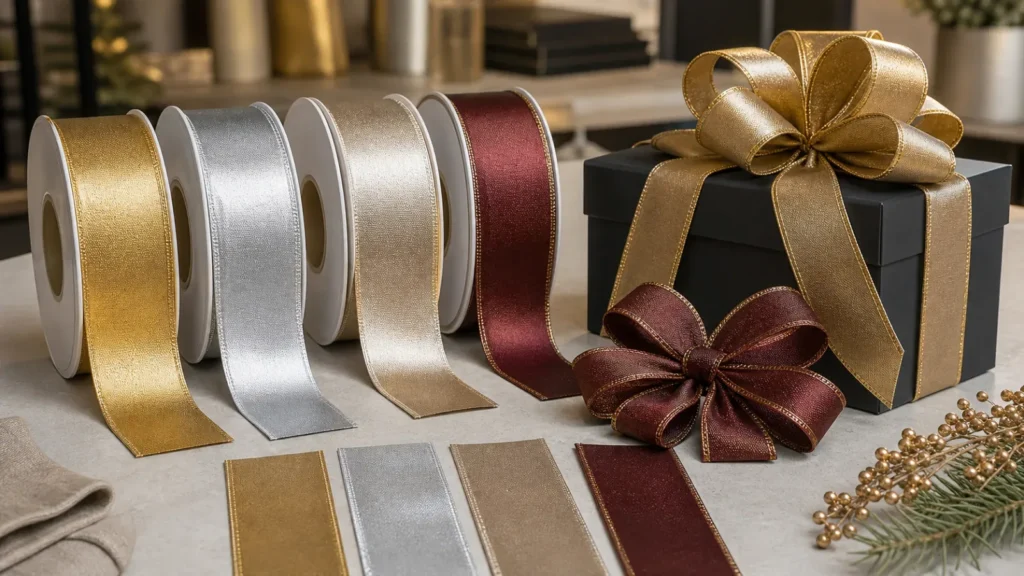
The sourcing record for bulk satin ribbon packaging and QC is incomplete until it supports this Verify samples, materials, print, tolerances, certifications, and bulk-production risk.
Satin leaves the factory on rolls and arrives in cartons. The crush that happens in between is a packaging specification, not an accident.
Direct answer: For bulk satin ribbon packaging and QC, buyers should verify samples, materials, print, tolerances, certifications, and bulk-production risk.
Define the Buyer Decision for Bulk Satin Ribbon Packaging And Qc Checklist
- Confirm that the color shade matches the approved production sample under buyer-approved viewing conditions daylight: Satin ribbon dye lots can shift between runs; a visible mismatch makes the product unsellable for branded packaging. Place the production roll next to the approved sample under a standardized light source and check for any perceptible difference. An unapproved color shift leads to customer complaints, restocking fees, and loss of repeat orders. Reject the lot if the shade deviates beyond the agreed buyer-approved color tolerance threshold and request a re-dye or replacement run.
- Inspect roll-end finishing for frayed edges or loose weaves: Frayed edges unravel during cutting and tying, creating waste and a poor presentation in retail or gift packaging. Run a fingernail along the cut edge of three rolls and look for loose yarns or unraveling threads. Frayed rolls are unusable for automated bow-making machines and will be returned as defective. Segregate any rolls with fraying and request the supplier to re-cut and seal the ends before shipment.
- Check that the inner core diameter matches the winding machine spindle: A mismatched core size stops production lines, causing downtime and forcing manual re-spooling that adds labor cost. Slide a sample roll onto the spindle used in your packaging line and confirm it rotates freely without wobble. A tight or loose core can damage the ribbon layers or halt automated dispensing, leading to order delays. Request the supplier to provide cores within the specified inner diameter range and test a sample before bulk production.
- Verify that the packaging carton strength and labeling match the shipping specification: Weak cartons crush during transit, damaging ribbon rolls and causing shortages that require costly re-shipments. Check the carton's edge crush test rating on the supplier's packing list and inspect for proper lot and PO labels. Damaged cartons lead to concealed roll damage, disputed claims, and delayed payment to the supplier. Reject any carton that fails a manual compression test or lacks required markings, and request replacement packaging.
- Bulk satin ribbon must meet specified width, color, and material composition. Pre-production sample with dimensional tolerance report and color standard reference. Supplier quality team or production manager. Off-spec ribbon causes packaging line jams and rework costs. Compare sample against approved spec sheet and sign off before bulk run.
- Packaging units (roll length, inner core, outer wrap) match RFQ terms. Packing list and unit weight/length verification from first production carton. Supplier warehouse or shipping department. Short rolls or incorrect packaging delay downstream fulfillment. Verify three random cartons against packing spec and document results.
- Color fastness and shade consistency across the bulk run. AATCC or ISO color fastness test report and shade band from production lot. Supplier lab or accredited test house. Fading or shade variation causes customer returns and brand damage. Retain sealed production sample and compare after 30-day storage.
Confirm Product and Order Scope
For bulk satin ribbon, treat Confirm Product and Order Scope as a release rule: approve only when the supplier evidence matches the written requirement.
- Supplier cannot produce a recent satin ribbon production sample with documented width tolerance. Without a verified sample, the bulk run may deviate from your required width, causing packaging line jams or inconsistent presentation. Request a pre-production sample cut from the actual production roll and measure width at three points against your spec. Signed-off sample approval form with measured width, date, and lot reference. Hold order release until the sample passes your dimensional check.
- Supplier's QC checklist does not include a visual inspection step for dye lot consistency across rolls. Satin ribbon from different dye lots can show visible shade variation, ruining the uniform look required for gift and retail packaging ribbon solutions solutions. Ask the supplier to share their standard QC checklist and confirm they segregate rolls by dye lot before packing. Copy of the supplier's in-process QC checklist with dye lot check marked. Add a dye lot consistency clause to your RFQ and require a shade band reference.
- Supplier offers a price far below market average without explaining how they control material or labor cost. An unusually low price often signals use of recycled or off-spec yarn, thinner fabric, or skipped QC steps that lead to returns. Ask the supplier to itemize material source, yarn denier, and weave density for the quoted satin ribbon. Mill test report for the ribbon's weight per meter and yarn composition. Compare the quoted spec against your minimum quality threshold; reject if below standard.
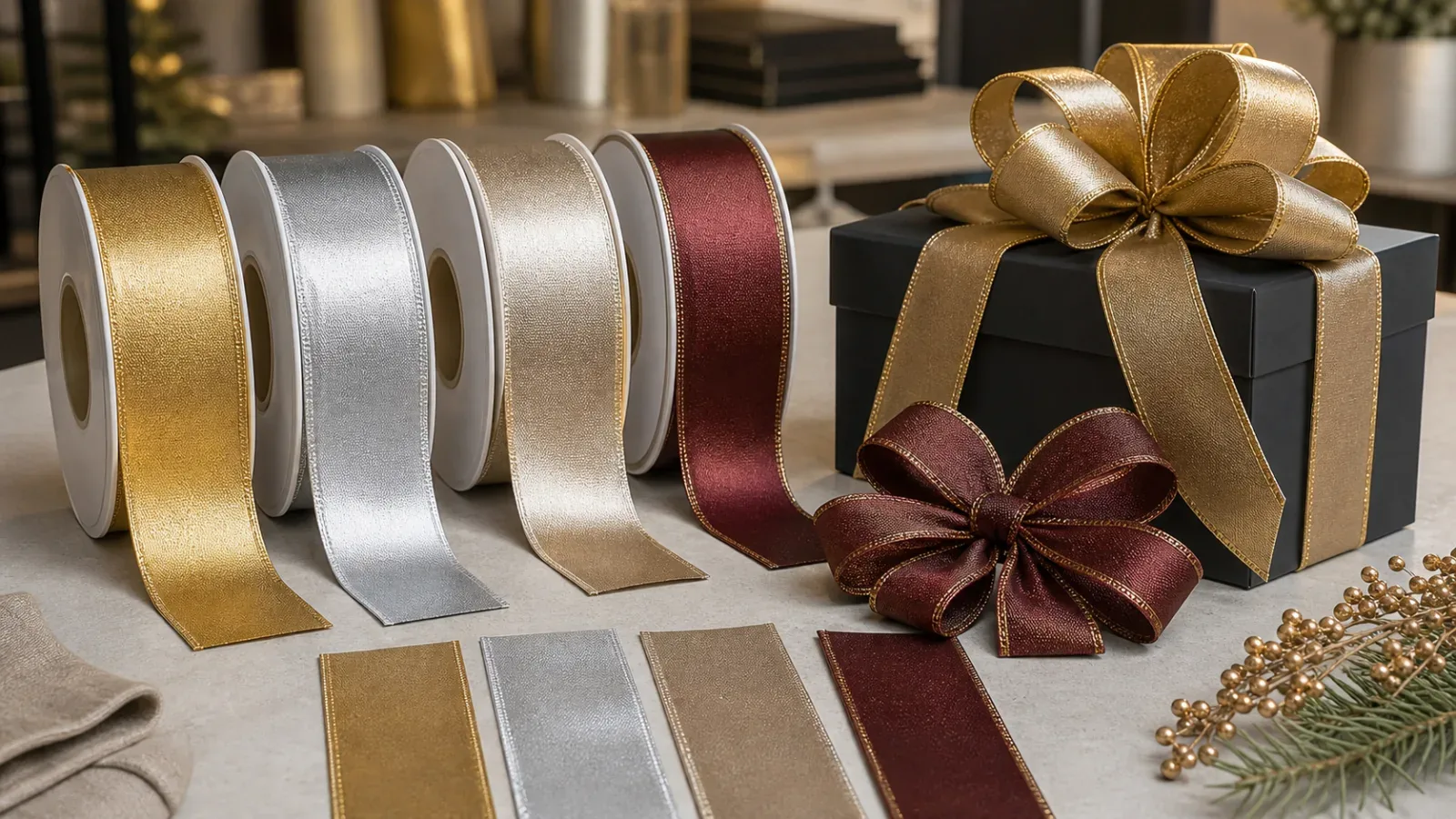
Build the Verification Checklist
Start Build the Verification Checklist with evidence for bulk sat
- Does the supplier provide a signed-off pre-production sample from the initial bulk run? Verifies that the production match is locked before full manufacturing begins. Supplier submits a sample with dimensional tolerance report and material composition sheet. Accepting bulk without a signed sample can lead to color, width, or finish deviations. Retain the sample and approval record; stop order if tolerance fails.
- What is the supplier's method for verifying satin ribbon width and color consistency across rolls? Ensures the QC process catches reel-to-reel variation before packing. Supplier uses calibrated measurement tools and a 4-point color check per production lot. Unchecked variation causes packaging rejects and customer returns. Request the QC checklist and ask for inline inspection records.
- Does the supplier have a documented reorder control point for OEM and ODM ribbon development? Confirms that repeat orders follow the same approved spec and sample trail. Supplier provides a reorder code tied to the original sample approval and material batch. Without a reorder lock, subsequent runs may drift from the approved standard. Verify the reorder code matches the original pre-production sample record.
- What packaging and labeling does the supplier apply to bulk satin ribbon rolls? Prevents damage during transit and ensures clear identification at your warehouse. Supplier uses polybag wrapping, roll cores, and labels with width, color, and lot number. Poor packaging leads to crushed rolls, tangled ribbon, and lost traceability. Inspect first shipment packaging; document any damage with photos.
Supplier proof and sample evidence to request
Request a pre-production sample from the initial bulk run along with a dimensional tolerance report and material composition sheet. This locks the production standard before full manufacturing begins. For OEM and ODM ribbon development, ask for the reorder code tied to the original sample approval to ensure repeat orders match the approved spec.
Acceptance criteria and red flags to record
Accept the sample only when width, color, and finish fall within the agreed tolerance range. Record any deviation as a red flag that stops the order until corrected. Use the signed-off sample as the benchmark for all incoming inspections and reorder checks, and document the approval date and inspector name.
Compare Quote and Production Assumptions
When a supplier’s quote does not match the approved sample or specification sheet, the root cause is often an unverified production assumption—such as an assumed width tolerance or a packaging method that differs from your quote request. To prevent costly rework, use the checklist below to compare each line item before placing the order.
- Confirm that the quoted width matches the approved sample; ask the supplier to state their acceptable tolerance in writing.
- Verify that the quantity per roll and total yardage align with your quote request; request a written confirmation of the measurement method.
- Check that the packaging type (e.g., spool, flat pack, or bulk box) and labeling requirements are explicitly listed in the quote.
- Ask the supplier to provide a production sample or a pre-production photo showing the Lude Ribbon factory on the specified core or spool.
- Request a written statement that the material composition (e.g., a supplier-confirmed variance polyester satin) is identical to the approved sample.
After the checklist review, send a formal quote request amendment that captures every confirmed specification. This step creates a binding reference for production and reduces the risk of dimensional or packaging deviations.
Run the Review Before Approval
At this workflow checkpoint, you must have a completed quote request with confirmed specifications, a signed sample approval, and a written price quotation. The output required before moving to production release is a verified checklist that matches the supplier’s final response against those three documents.
Questions to send back to the supplier
- What is the confirmed ribbon width tolerance per the approved sample and quote request? (Do not accept any dimension without a written tolerance range.)
- How will the order quantity be verified upon shipment? Request a packing list that matches the quote request quantity exactly.
- What packaging method is used for bulk rolls? Confirm that each roll is individually wrapped and boxed to prevent transit damage.
- Is the color match guaranteed against the Pantone reference provided in the quote request? Request a written guarantee or a pre-shipment sample check.
- What is the lead time from order confirmation to dispatch? Ensure it aligns with the quote request terms.
When to revise, escalate, or reject
If the supplier cannot provide written confirmation on any of the above questions, revise the quote request to include those terms. Escalate if the supplier offers a verbal assurance without documentation. Reject the response if the tolerance, quantity, or packaging does not match the approved sample or quote request—do not proceed without a corrected written confirmation.
| Checkpoint | Supplier Evidence Required | Buyer Verification |
|---|---|---|
| Width tolerance | Written tolerance range (e.g., the buyer-approved tolerance) on RFQ | Compare to approved sample measurement |
| Order quantity | Packing list with exact roll count | Verify against RFQ quantity |
| Packaging method | Description of individual wrapping and boxing | Inspect pre-shipment photos or sample |
| Color match | Pantone reference and guarantee letter | Check against approved color sample |
| Lead time | Written dispatch date | Confirm in RFQ terms |
After completing this review, hand off the verified checklist and supplier response to the production team for final approval. No order should proceed without all five checkpoints confirmed in writing.
Move from Review to RFQ or Sample
The most common failure mode at this stage is an unverified dimensional tolerance for ribbon width. Without a clear control, a supplier’s QC may pass a roll that deviates from your spec, causing line stoppage during production. The control is to include a verification question in the quote request: ‘What is your standard tolerance for ribbon width, and how do you verify it on each roll?’
Inputs to include in the next message
- Confirmed ribbon width and your acceptable tolerance (e.g., measured at three points per roll).
- Color reference: Pantone number or physical swatch shared with supplier.
- Dye lot consistency requirement: maximum allowable buyer-approved color tolerance or visual match under standard light.
- Packaging unit definition: roll length, core inner diameter, and outer diameter limit.
- Storage and shipping conditions: temperature range and humidity control if needed.
Ownership and sign-off for the next gate
The production manager must verify that the inputs match the original product spec. The QC lead reviews the measurement method. Both sign the quote request before sending to ensure alignment. As noted in industry guides by the Lude Ribbon editorial team, which specializes in satin ribbon, this dual sign-off prevents miscommunication between factory and buyer.
Use the table below to capture the key risk areas and the corresponding quote request questions that will confirm supplier capability.
| Risk Area | RFQ Question | Required Supplier Response |
|---|---|---|
| Dimensional tolerance | How do you measure ribbon width and what is your standard tolerance? | State method and tolerance range. |
| Color consistency | What is your dye lot control process? | Provide buyer-approved color tolerance limit or visual approval. |
| Production execution | Can you provide a retained sample from a recent production run matching our spec? | Yes/No with sample availability. |
| Cost structure | What is the unit price for the specified quantity? | Provide price per roll and any tooling or setup fees. |
Once the quote request responses are reviewed, At quote request stage, the buyer should request a sample for physical verification. A retained production sample from a recent bulk run, as recommended by the Custom Ribbon quote request Checklist, is the most reliable proof of quality and consistency.
Source check: ISO 9001 quality management standard; [PDF] RFP or quote request Review Checklist; 15 Bag Manufacturer Red Flags Buyers Must Check Before Bulk Ord….
In conclusion
The sourcing choice for bulk satin ribbon packaging comes down to how thoroughly you compare specification sheets, verify dimensional tolerances, and document the QC checklist before production begins. Shortlist suppliers only after confirming material, width, color, and packaging details match your original product scope, and approve a retained production sample from their recent bulk run. This upfront verification directly reduces the risk of receiving ribbon that fails your packaging requirements, saving costly reorders and delays.
Once quotes are reviewed, check that the supplier’s lead time aligns with your schedule and that the MOQ is confirmed by material, print method, width, packing, and order schedule. Hand off the signed QC checklist and supplier responses to your production manager, and stop the order if the pre-production sample fails tolerance checks. By documenting every approval gate—from quote request responses to sample sign-off—you create a repeatable process that protects your bulk satin ribbon investment.
Bulk Satin Ribbon Packaging And Qc Checklist FAQ
What should buyers confirm first?
Confirm the satin ribbon specifications (material, width, color, packaging) and request a written quote request that includes the MOQ (negotiable) and lead time (standard 15-20 business days after specifications are confirmed). Verify the supplier’s capability to meet your dimensional tolerance and request a pre-production sample to validate color and width before bulk production. Approving the wrong structure or supplier proof can create quality, cost, or delivery problems.
Which proof should be retained for approval and reorders?
Retain a signed-off production sample from the initial bulk run, along with the completed QC checklist covering dimensional tolerance, color match, and packaging integrity. This sample serves as the benchmark for all reorders; the buyer should store it in a controlled environment and compare against any future shipment. Also keep the quote request responses and the supplier’s documented QC report for traceability. Approving the wrong structure or supplier proof can create quality, cost, or delivery problems.
Which warning signs should stop the order?
Stop the order if the pre-production sample fails dimensional tolerance checks or color fastness test, or if the supplier cannot provide documented QC evidence within the agreed timeframe. Also, if the MOQ or lead time changes without approval, or if the packaging does not match the specification, the buyer should halt the order and request a corrective sample before proceeding. Approving the wrong structure or supplier proof can create quality, cost, or delivery problems.
quote request handoff: Send Specs for Review.
Keep exploring
Recommended buyer guides
 Wholesale Ribbon Spool Core Winding Tension Sample Checklist Buyer
Use this checklist to compare sample approval, color tolerance, QC checks, and factory capability against one written approval…
Explore guide
Wholesale Ribbon Spool Core Winding Tension Sample Checklist Buyer
Use this checklist to compare sample approval, color tolerance, QC checks, and factory capability against one written approval…
Explore guide
 Wholesale Ribbon Roll Lot Traceability Reorder Checklist
: what to confirm on factory capability, QC proof, lead time, and…
Explore guide
Wholesale Ribbon Roll Lot Traceability Reorder Checklist
Wholesale Ribbon Roll Lot Traceability Reorder Checklist: what to confirm on factory capability, QC proof, lead time, and…
Explore guide
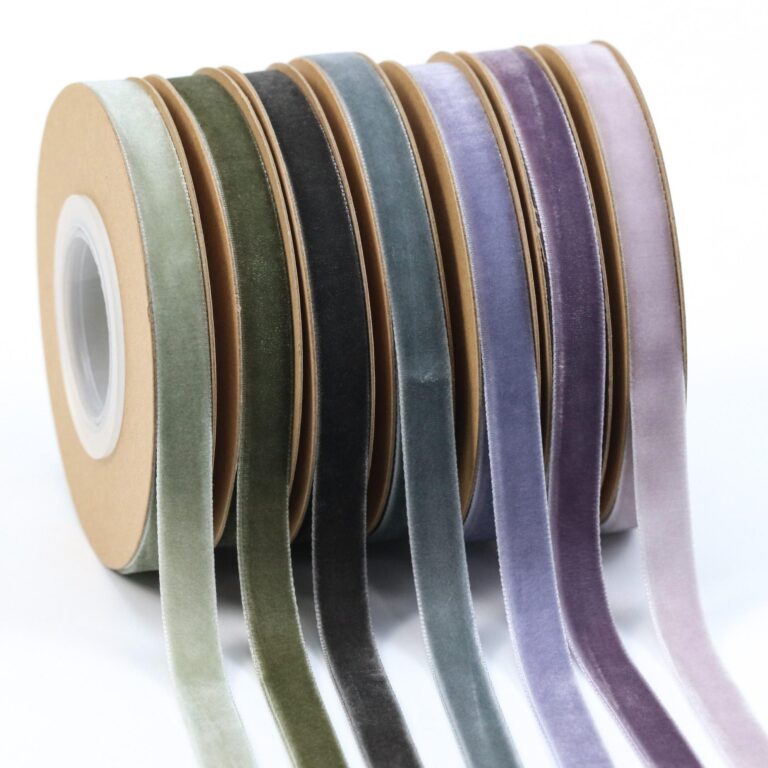 Wholesale Narrow Velvet Ribbon: Specs, Roll Length, and RFQ Checks
Check velvet pile direction, edge finish, cutting, tying, shade, and packout evidence before approving narrow velvet ribbon production.
Explore guide
Wholesale Narrow Velvet Ribbon: Specs, Roll Length, and RFQ Checks
Check velvet pile direction, edge finish, cutting, tying, shade, and packout evidence before approving narrow velvet ribbon production.
Explore guide
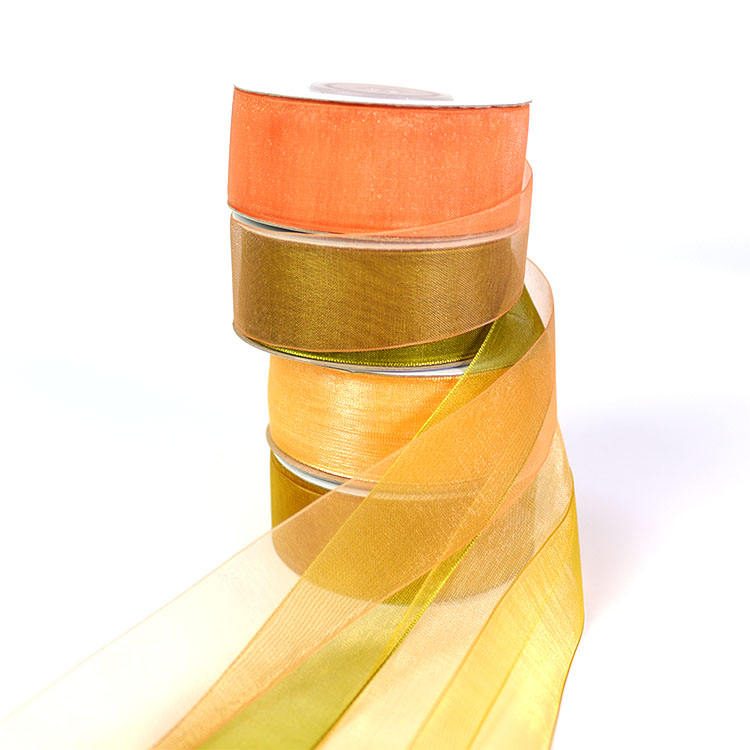 Organza Ribbon Width Guide: When 1/4 Inch Rolls Fit Packaging Orders
Organza Ribbon Width Guide: what to check on artwork files, print method, color target, and material before placing…
Explore guide
Organza Ribbon Width Guide: When 1/4 Inch Rolls Fit Packaging Orders
Organza Ribbon Width Guide: what to check on artwork files, print method, color target, and material before placing…
Explore guide
Leave a comment
Share a sourcing question or feedback on this guide. The Lude team reviews submissions before following up.