


Award Ceremony Recognition: Specs and RFQ Checklist
Award ceremony recognition: what to check on format, event timing, artwork placement, and packing before placing a custom order
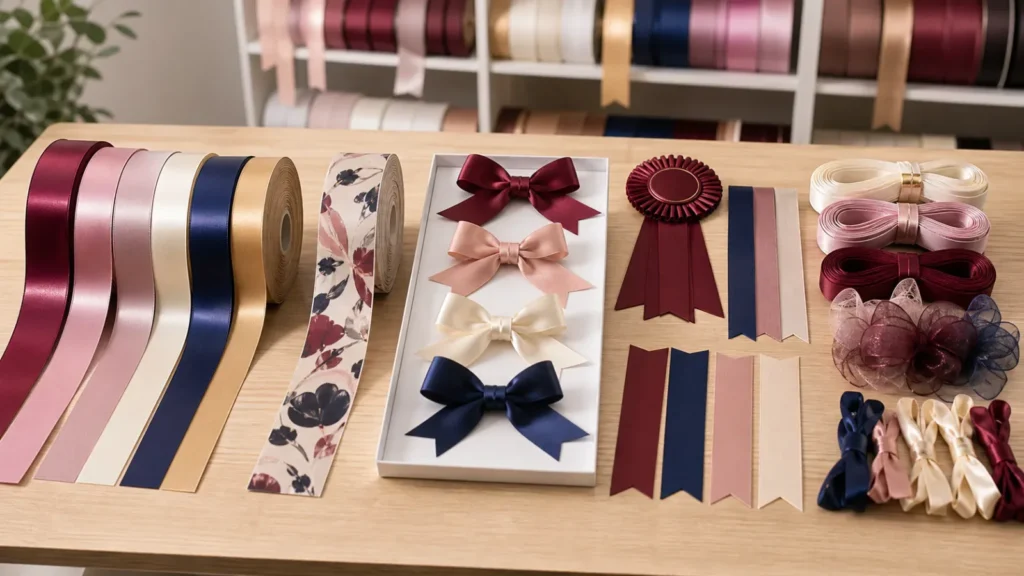
The sourcing record for award ceremony recognition: product selection is incomplete until it identifies the right product type, structure, material, or specification.
Rosette, sash, or printed ribbon: the choice follows how the award is presented and how long it has to last afterwards.
Direct answer: For award ceremony recognition: product selection, buyers should choose the right product type, structure, material, or specification.
Define the Buyer Requirement
Compare the requirements below for award ceremony recognition against one RFQ revision. Each row should identify the requirement, approval evidence, and buyer action before production.
| Requirement | Factory control | Evidence to verify | Order risk | RFQ follow-up |
|---|---|---|---|---|
| MOQ and order quantity | MOQ confirmed per material, print method, width, packing, and order schedule; negotiable on custom ribbon programs. | Request written MOQ breakdown by SKU; verify against your forecast and budget allocation. | Under-ordering triggers reorder at higher unit cost; over-ordering risks obsolete inventory with custom artwork. | Confirm MOQ in RFQ and request tiered pricing for incremental volumes above minimum. |
| Material / substrate | Substrate must meet specified fiber content, weight, and finish; no substitution without written approval. | Request mill certificate or material data sheet; perform burn test or lab analysis on first shipment. | Substituted material may affect drape, durability, or print adhesion, causing ceremony-day failure. | Specify material grade and source in RFQ; request supplier declaration of conformity. |
| Finish or color control | Color must match approved standard within buyer-approved color tolerance under buyer-approved viewing conditions; finish consistent across all production rolls. | Spectrophotometer reading on production sample against approved standard; visual check under controlled light. | Batch-to-batch color drift or uneven finish creates visible inconsistency across award sets. | Request color tolerance range and finish specification in RFQ; approve first production sample. |
For award ceremony recognition, use this table as the decision scope. Read the rows as one approval sequence. Start with MOQ and order quantity; use the risk and buyer-action columns to decide whether its evidence is sufficient. Verify it with the inspection method and approval evidence recorded in the table.
For this award ceremony recognition sourcing record, keep the supplier response, marked sample, and approval owner under the same revision number. If any proof conflicts with the approved record, hold the quote, sample, or production release until the supplier explains the deviation in writing. Before closing the checkpoint, reconcile the latest drawing, sample, quotation, and approval comments, identify which record controls if they disagree, and document the resolution. Carry the signed requirements table into the purchase order and production handoff so the same checks support quote comparison, sample approval, shipment release, and later reorders.
Compare the Available Routes
| Option | Best fit | Trade-off | Risk to avoid | Verification | Follow-up |
|---|---|---|---|---|---|
| Current specification | Matches existing award ceremony recognition program parameters and supplier history | May carry legacy tolerances or print methods that limit design updates | Inherited spec drift from prior orders without documented approval gates | Compare against last approved sample and written spec sheet before reorder | Request current spec sheet and last QC pass report from supplier |
| Alternative specification | Adjusts width, material, or finish to meet updated award ceremony recognition budget or timeline | Requires new artwork approval and a sample run before production | Unvalidated construction may fail drop test or color match under stage lighting | Sign off on physical strike-off or production sample before bulk release | Submit revised spec for quote and request sample with award ribbons and sashes |
| Custom option | Full design control for branded award ceremony recognition with unique color, weave, or packaging | MOQ must be confirmed by material, print method, width, packing, and order schedule | No reorder guarantee if custom materials are not held in supplier inventory | Confirm material sourcing lead time and minimum run per construction method | Provide artwork and construction spec for RFQ and sample timeline |
| Safer fallback | Stock or semi-custom construction with proven QC history for award ceremony recognition | Limited color and finish options compared to fully custom route | May not match exact brand palette or event theme without compromise | Request color swatch deck and previous production sample for comparison | Select closest stock option and request lab dip for color approval |
For current specification, a poor decision can mean inherited spec drift from prior orders without documented approval gates. Ask the supplier to compare against last approved sample and written spec sheet before reorder, then request current spec sheet and last qc pass report from supplier.
For award ceremony recognition, preserve the current specification decision under one revision number: keep the supplier response, marked sample, approved specification, quotation, and approval owner together. If the evidence conflicts with the approved record, hold the quote, sample, or production release until the deviation is explained in writing. Carry that signed record into the purchase order, production handoff, shipment release, and later reorder review so every team works from the same baseline.
Review the Required Proof
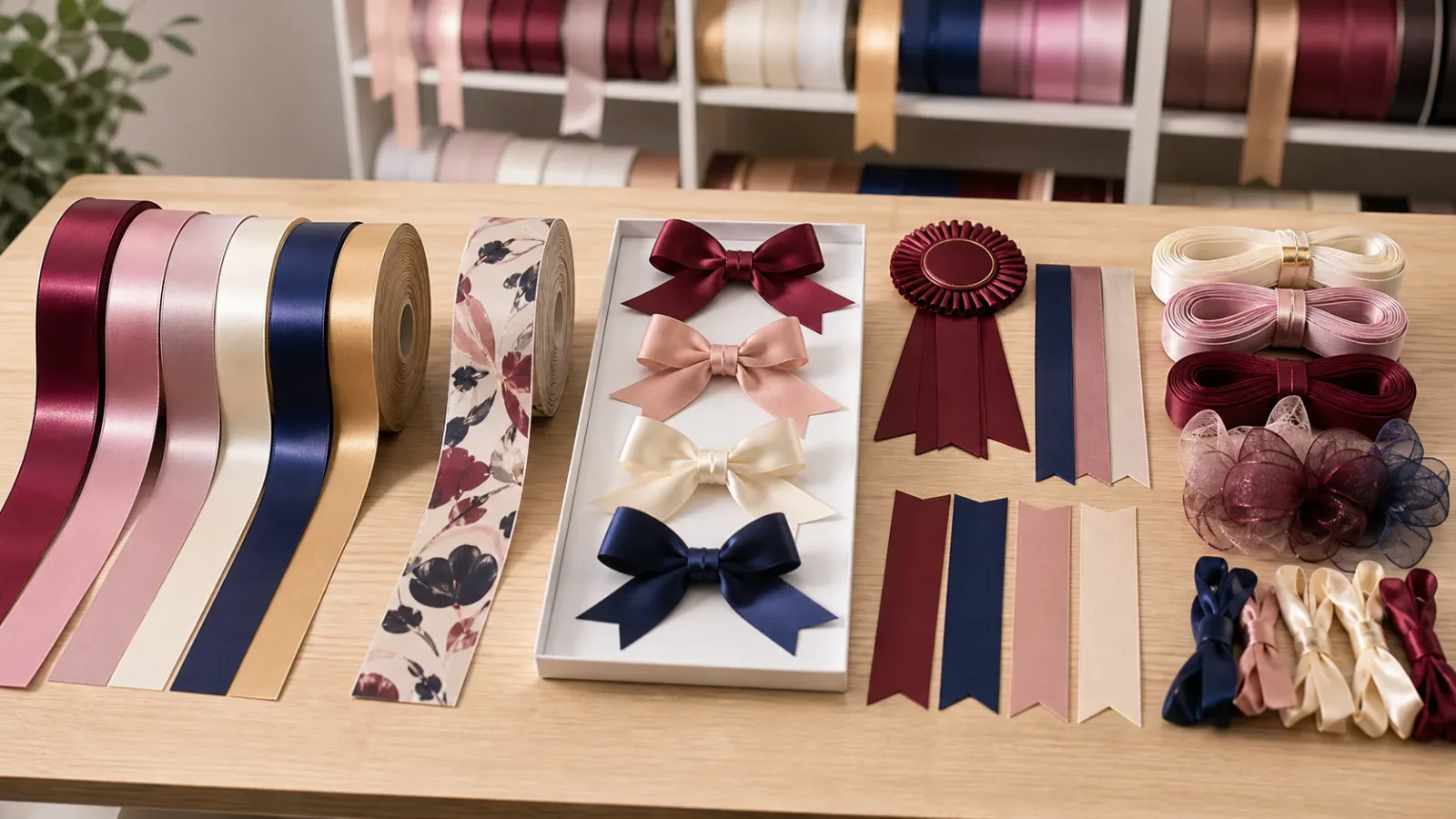
Before placing an order for these products, verify the physical proof—whether a sample, measurement record, or digital mockup—that confirms the design meets your specs. This step eliminates ambiguity and reduces production risk.
- Specs: Confirm dimensions, material thickness, ribbon width, and attachment type against your RFQ.
- Cost or MOQ: Ensure the proof matches the quoted price tier; any deviation may trigger a cost revision.
- Production risk: Check for color consistency, engraving depth, and finish quality to avoid batch rejection.
- Factory execution: Request a signed proof approval form from the supplier before mass production begins.
- quote request/sample handoff: Attach the approved proof to your final purchase order as a binding reference.
For a quick checklist, use the table below to track each proof element before sign-off.
| Proof Element | Check | Status |
|---|---|---|
| Dimensions | Match RFQ | ☐ |
| Color | Pantone match | ☐ |
| Attachment | Secure & correct | ☐ |
| Engraving | Legible & deep | ☐ |
Once the proof is approved, move to the next stage of your award ceremony recognition selection. For more product options, explore our ribbon products.
Build the Decision Asset
At the point where you have a shortlisted supplier and a preliminary quote request, the required output before moving to order placement is a verified decision asset. This asset consolidates three checks: supplier proof, sample approval, and reorder control.
Supplier Proof Check
Request a physical proof—sample, measurement report, or material swatch—to confirm the product matches the spec. The Lude Ribbon editorial team creates practical B2B ribbon and bow buying guides from applied experience, emphasizing that a proof eliminates guesswork. Without it, production risk rises.
Sample Approval Check
Compare the proof against your award ceremony recognition requirements: color, width, material, and imprint. Use a simple table to document pass/fail criteria.
| Spec | Requirement | Proof Result |
|---|---|---|
| Color | Pantone 186C | Match |
| Width | Per approved spec | Within tolerance |
| Material | Woven edge satin | Confirmed |
Document any deviation and decide: accept, revise, or reject. This step ensures the quote request handoff is accurate.
Reorder Control Check
Define reorder triggers—minimum quantity, lead time buffer, and cost lock period. This prevents last-minute scrambles for future ceremonies. For OEM/ODM support, see our OEM and ODM ribbon development.
Prepare Comparable RFQ Inputs
- Does the supplier have documented experience producing award ribbons with custom color matching and die-cut shapes? Verifies the supplier can meet the specific decoration and dimensional requirements of your ceremony program, not just generic ribbon stock. Supplier provides a portfolio of past award ribbon orders with color-match reports and die-cut tolerance records. A supplier without this capability may deliver ribbons with off-color or imprecise cuts, causing rejection before the ceremony. Request three past award ribbon references and a color-matching sample before quote request submission.
- What verification method does the supplier use to confirm color accuracy and dimensional consistency before bulk production? Ensures the supplier has a repeatable QC step to catch deviations before they become a batch problem. Supplier uses a spectrophotometer for color and a calibrated die-press check for shape, with a documented first-article inspection. Without a verification method, you may receive a bulk run that differs from the approved sample, risking ceremony-day rejection. Ask for a copy of their first-article inspection report and color measurement protocol as part of the quote request response.
- What is the approval risk if the supplier cannot provide a physical proof before the full production run? Identifies whether the supplier's process allows you to catch and correct issues before committing to the full quantity. Supplier offers a mandatory sample-approval gate with a written sign-off form before bulk production begins. Skipping proof approval can lead to a full batch that does not match your award ceremony specifications, with no recourse. Include a sample-approval clause in the purchase order and require a signed proof before production release.
- What buyer follow-up is needed to confirm the supplier's quality control checks are applied to your specific award ribbon order? Ensures the supplier's general QC process is actually triggered for your order, not just a standard procedure on paper. Supplier provides a lot-specific QC checklist that includes your color, size, and packaging requirements, with inspector sign-off. Without follow-up, the supplier may skip order-specific checks, leading to mixed-quality ribbons in your ceremony package. Request a copy of the lot-specific QC checklist for your order and schedule a mid-production inspection if volume is high.
- Does the supplier have a documented quality control step for inspecting ribbon edges, print registration, and bow tie-off tension? Confirms the supplier checks the three most common failure points in award ribbons: frayed edges, misaligned print, and loose knots. Supplier lists edge-seal inspection, print registration tolerance, and tension pull-test as standard QC checks on their production sheet. Missing these checks can result in ribbons that look unprofessional, with frayed edges or crooked text, damaging the ceremony's image. Add these three checks to your quote request quality requirements and ask for the supplier's standard inspection report format.
Source check: IEEE SA – Corporate Award; Top 10 Best Awards Companies for Corporate Recognition in 2026; Business Recognition Awards for Sales and Service Honors | ..
In conclusion
For award ceremony recognition, see award and ceremony ribbon solutions; the next procurement action is a written quote request and sample approval record, not only a preferred style or unit price. Confirm the specification, MOQ assumption, artwork version, supplier capability, sample approval method, QC checkpoint, approval risk, and quote follow-up before bulk production.
Frequently Asked Questions
How should a b2b buyer choose product type?
Shortlist product types by comparing the award’s presentation format—ribbon, sash, rosette, or medallion—against your ceremony’s dress code and display method. Confirm the specification for material, width, and print method, then check how the cost and MOQ shift with each option; the supplier can provide a quote per type once you define the order schedule. Ask how QC will check the sample, color, finish, packing, and bulk order.
Which supplier proof should buyers request for award ceremony recognition?
Request a physical proof—a sample, measurement report, or material swatch—that matches your award ceremony recognition requirements for color, size, and finish. Verify the proof against your specification, document any deviation, and approve only after the sample confirms the print alignment and material quality; this step reduces supplier risk before production begins.
What should buyers lock before approving product selection checklist?
Lock the product specification, the confirmed minimum order and unit cost per the quote request, and the lead time buffer before approving the selection checklist. Also document the reorder triggers—minimum quantity and cost lock period—so the same award program can be repeated without requoting; send the approved checklist to the supplier as part of the sample approval to align expectations.
Next step: Send Specs for Review.
Keep exploring
Recommended buyer guides
 Wholesale Foil Printing vs Screen Printing Ribbon: Buyer Comparison
Foil printing vs screen printing ribbon: side-by-side on artwork files, print method, color target, and sample approval. Pick…
Explore guide
Wholesale Foil Printing vs Screen Printing Ribbon: Buyer Comparison
Foil printing vs screen printing ribbon: side-by-side on artwork files, print method, color target, and sample approval. Pick…
Explore guide
 Organza Ribbon Sheer Finish and Print Comparison for Custom Orders
 — the checks that decide whether a quote,…
Explore guide
Organza Ribbon Sheer Finish and Print Comparison for Custom Orders
Organza Ribbon Sheer Finish and Print Comparison for Custom Orders — the checks that decide whether a quote,…
Explore guide
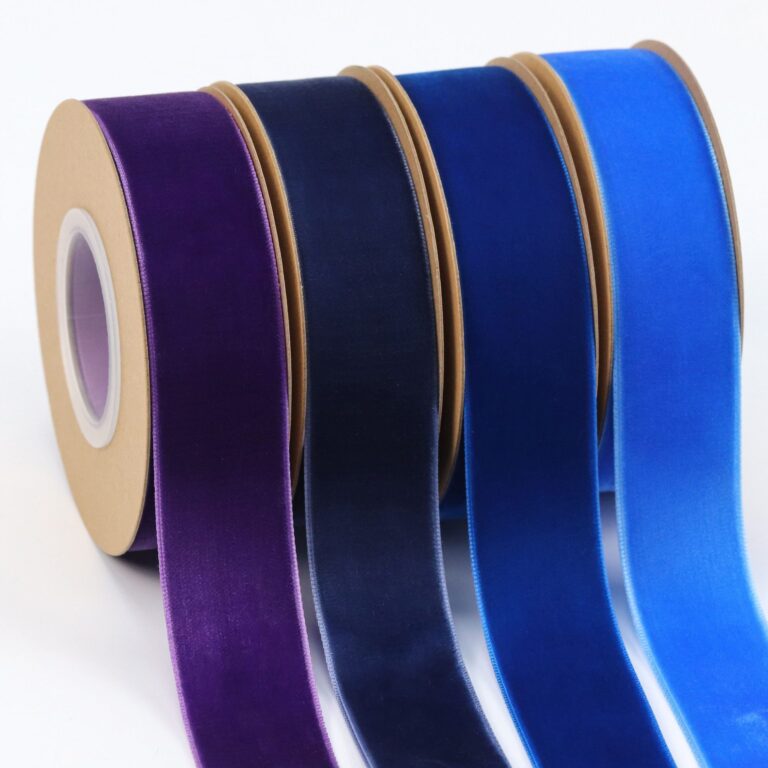 Velvet Ribbon Pile and Finish Comparison for Custom Orders Buyer
: what to confirm on material, MOQ, sample checks,…
Explore guide
Metallic Ribbon Finish Comparison for Custom Orders: Buyer Checklist
Metallic Ribbon Finish Comparison for Custom Orders: what to confirm on material, dimensions, finish, and handling before you…
Explore guide
Velvet Ribbon Pile and Finish Comparison for Custom Orders Buyer
Velvet Ribbon Pile and Finish Comparison for Custom Orders Buyer: what to confirm on material, MOQ, sample checks,…
Explore guide
Metallic Ribbon Finish Comparison for Custom Orders: Buyer Checklist
Metallic Ribbon Finish Comparison for Custom Orders: what to confirm on material, dimensions, finish, and handling before you…
Explore guide
Leave a comment
Share a sourcing question or feedback on this guide. The Lude team reviews submissions before following up.