


Bulk Award Ceremony Recognition: Specs and RFQ Checklist
A buyer's checklist for award ceremony recognition: order risk control checklist — covering sample approval, color tolerance, QC checks, and format from
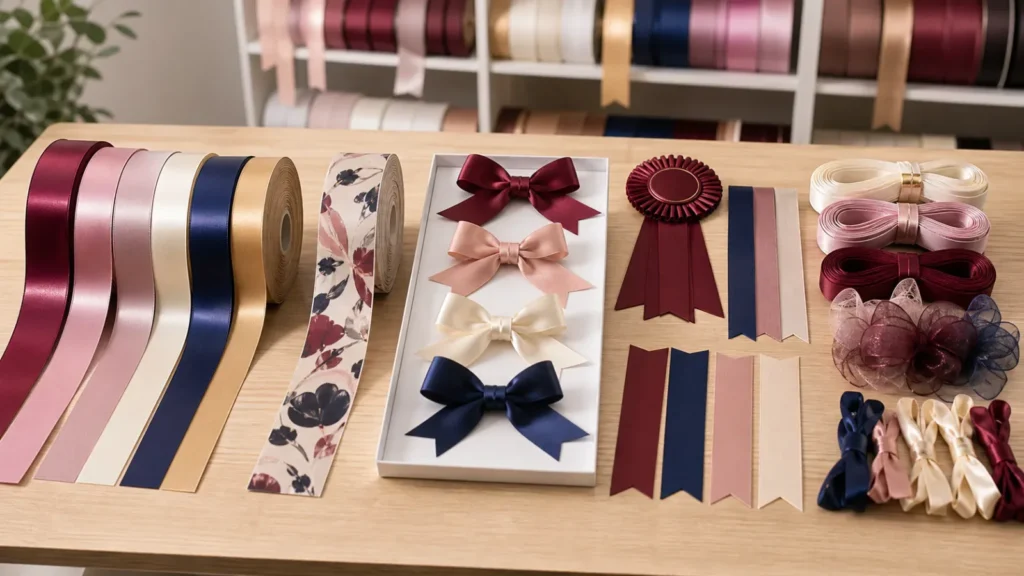
The risk in a ceremony order is the date, not the price. Every control worth having shortens the path between artwork approval and shipment.
Direct answer: For award ceremony recognition: order risk control, buyers should verify samples, materials, print, tolerances, certifications, and bulk-production risk.
Define the Buyer Requirement
- Confirm award ribbon width, material, and print method: Specs drive cost, lead time, and visual impact for ceremony recognition. Compare your spec sheet against supplier's material and print capability. Mismatched specs cause rework or delays before the event. Send full spec sheet and request a pre-production sample.
- Review supplier's quality control process for color consistency: Award ribbons must match brand colors across multiple batches. Ask for a color standard and a sample from the actual production run. Color drift can make ribbons look off-brand at the ceremony. Approve a color standard and request a production sample.
- Verify supplier's capability to handle your order size: Capacity affects on-time delivery and order flexibility. Ask about production capacity and lead time for your quantity. Under-capacity leads to late delivery or quality shortcuts. Request a production timeline and capacity confirmation.
- Confirm approval process for artwork and samples: Clear approval gates prevent errors in print and design. Check if supplier provides digital proof and sample for sign-off. Skipping approval can result in wrong print or design. Set a written approval deadline before production starts.
- Document inspection criteria for final batch: Defines what you'll check on delivery to ensure quality. Agree on inspection points like color, size, and finishing. Undefined criteria make it hard to reject defective goods. Create a checklist and share it with the supplier.
- Specification sheet missing color tolerance or Pantone references: Ribbon colors can shift between dye lots, causing mismatched award ribbons. Ask supplier to confirm color matching method and request a physical sample. Pantone reference and signed color approval sample. Approve sample before bulk production.
- Supplier cannot provide a pre-production sample for approval: Without a sample, you cannot verify print quality, texture, or width accuracy. Require a sample before committing to the order. Pre-production sample with agreed specifications. Evaluate sample against your checklist.
- No documented quality control process for ribbon inspection: Defects like frayed edges or misprints may pass unnoticed, affecting award presentation. Ask for their QC checklist and inspection criteria. QC documentation or inspection report from a recent order. Verify QC process during factory audit or video call.
- Supplier lacks experience with award ribbon production: Inexperienced suppliers may mishandle delicate materials or intricate printing. Request references or case studies from similar award projects. Client references or photos of past award ribbon work. Contact references to confirm quality and reliability.
- Specification details incomplete (width, material, print method): Ambiguity leads to incorrect production, delays, and rework costs. Provide a detailed spec sheet and confirm every parameter with supplier. Supplier's written acknowledgment of all specifications. Review spec sheet and get sign-off before production.
Compare the Available Routes
- Supplier can match award ribbon color across batches: Color standard or Pantone reference and a sample swatch set Supplier's QC or sample room Color drift between ceremony batches causes visible mismatch Request a pre-production sample under the same lighting
- Supplier has capacity to meet order quantity without delays: Production schedule or capacity plan for your order window Supplier's production planner Late delivery disrupts award ceremony schedule Confirm lead time and capacity in writing before PO
- Quality and color control are part of the supplier's standard process: Inspection checklist or QC report from a recent similar order Supplier's QC manager Defects slip through and affect ceremony presentation Ask for a copy of their QC checklist and pass/fail criteria
- MOQ aligns with your order quantity and budget: MOQ breakdown by material, print method, and width Supplier's sales or RFQ team Over-ordering to meet MOQ inflates cost or waste Request a custom MOQ quote for your specific specs
- Supplier has experience with award ribbon production: Case study or client reference for similar ceremony ribbons Supplier's account manager Inexperienced supplier may miss award-specific details Ask for photos or samples from past award programs
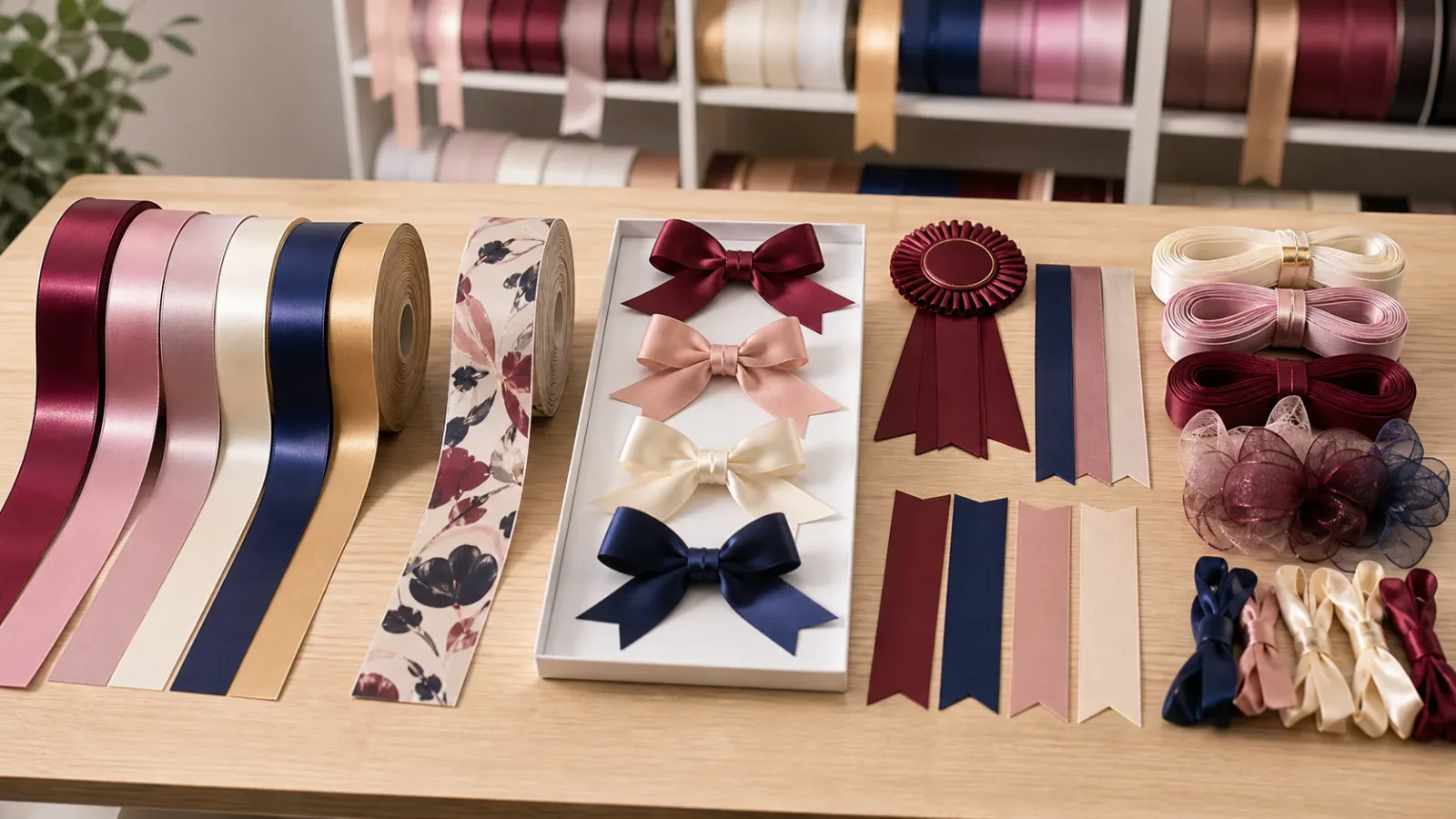
Review the Required Proof
- Can you show a sample of the award ribbon and sash material before bulk production? Confirms the supplier can produce the exact texture, color, and print quality needed for the ceremony. Supplier sends a pre-production sample within the quoted lead time and matches your approved color standard. Accepting a stock sample may hide material or print inconsistencies that appear only in bulk runs. Request a pre-production sample and compare it against your approved color and finish standard.
- What proof and approval steps do you require before cutting award ribbons and sashes? Verifies the supplier has a controlled approval gate that prevents costly artwork or color errors. Supplier provides a digital proof and waits for your written sign-off before production. Skipping a formal proof step can lead to misprinted names or logos that are unusable for the event. Confirm the proof format and approval deadline in your order confirmation.
- How do you check color consistency across multiple dye lots for the same order? Ensures the supplier has a method to keep award ribbons and sashes uniform, even if production runs in batches. Supplier uses a color standard (like Pantone) and documents lot-to-lot tolerance checks. Inconsistent dye lots can make some ribbons look faded or mismatched at the ceremony. Ask for the supplier's color tolerance policy and include it in your quality checklist.
- What is your process for handling defects found during final inspection? Reveals whether the supplier has a clear rejection and replacement procedure that protects your event timeline. Supplier states a specific defect threshold and offers to rework or replace defective pieces before shipping. Without a clear process, defective ribbons may reach the ceremony, causing last-minute scrambling. Document the defect-handling process in your purchase order and agree on a rework timeline.
Build the Decision Asset
When you order award ribbons without a shared reference, the factory interprets your spec differently than you do. The result is a ribbon that reads well in a photo but fails under the lights of the ceremony. The control is a decision asset: a single document that locks down the physical and visual requirements before production begins.
Supplier evidence to request
Ask the supplier to confirm the award ribbon width, material, and print method in writing, and request a pre-production sample that matches those exact specs. Compare the sample against your approved artwork and a physical or digital color standard. If the supplier cannot reproduce the specified color or finish, you need to know before the bulk order, not after.
Sample approval evidence
Establish a formal sample approval step. The sample is your proof that the factory can execute the design at the required quality. Sign off on the sample only when it meets your tolerances for color, text legibility, and ribbon construction. Keep a record of the approved sample and the date of approval—this becomes the benchmark for the entire production run.
Reorder control records
For repeat orders, the decision asset prevents drift. Store the approved sample, the original spec sheet, and the artwork files in a shared folder that both you and the supplier can access. Before placing a reorder, verify that the factory still has the same materials and processes in place. If anything has changed, request a new sample before committing to the order.
This checklist turns a vague request into a measurable specification, reducing the risk of costly rework and ceremony-day surprises.
Prepare Comparable RFQ Inputs
Before you send an award ribbon RFQ, you need a measurable reference. A physical sample or a detailed spec sheet with ribbon width, material, print method, and attachment type turns a vague request into a verifiable contract. Without it, factories interpret your specs differently, leading to mismatched colors, wrong widths, or print that fades after one event.
Use this checklist to make your quote request comparable across suppliers:
- Specs: State ribbon width in millimeters, material (e.g., satin, grosgrain), print method (silk-screen, heat transfer, woven), and attachment (pin, magnet, snap).
- Production risk: Ask how they handle color matching (Pantone codes) and what their rework policy is for print defects.
- Factory execution: Request a pre-production sample before bulk cutting and ask for in-line quality checks during printing.
- quote request/sample handoff: Send a physical sample or a high-resolution photo with a ruler for scale. Include a signed spec sheet to lock the reference.
For example, a buyer who specifies only “red ribbon” may receive a different width and a different red than intended. A buyer who sends a physical sample with Pantone 186C and a silk-screen print method gives the factory a fixed reference. The Lude Ribbon editorial team creates practical B2B ribbon and bow buying guides from actual factory experience, and they emphasize that a shared physical reference prevents many order disputes.
When you prepare your quote request, also ask for a pre-production sample timeline and a quality checklist from the factory. This turns your quote request into a two-way agreement, not a one-way wish list.
For award ceremony recognition, use OEM and ODM ribbon development to align the applicable specification, proof record, supplier responsibility, and quote request handoff before comparing quotes.
In conclusion
For award ceremony recognition: order risk control checklist, the next procurement action is a written quote request and sample approval record, not only a preferred style or unit price. Confirm the specification, minimum order assumption, artwork version, supplier capability, sample approval method, QC checkpoint, approval risk, and quote follow-up before bulk production.
Frequently Asked Questions
How should a b2b buyer check quality risk?
To check quality risk for award ceremony recognition, start by defining measurable specifications: ribbon width, material, print method, and color tolerance. Ask the supplier to confirm these in writing and request a pre-production sample for approval. Verify the sample against your approved reference, and confirm the production lead time (typically 15–20 business days after specs are confirmed) to plan your ceremony schedule. Also, ask about their QC process for color consistency and print alignment, and confirm the minimum order based on your material and width choices.
For cost and supplier risk, compare quotes from multiple suppliers using the same specification sheet. Confirm the minimum order and lead time in the quote request, and check if the supplier has experience with award ribbons specifically. Request a sample approval step before mass production, and document the approved sample for reorder consistency. This reduces the risk of color drift or print defects that could impact your ceremony.
Which supplier proof should buyers request for award ceremony recognition?
Buyers should request proof of specification compliance, including a pre-production sample that matches the approved reference for width, material, and print method. Ask for a sample approval timeline and a production lead time confirmation (typically 15–20 business days after specs are confirmed). Also, request a quality control checklist that covers color consistency, print alignment, and edge finishing, and ask for photos or video of the production run if needed.
For supplier risk, verify their experience with award ribbons and ask for references or case studies. Confirm the minimum order based on your order size and material, and ensure the supplier can handle your required volume within your ceremony deadline. Document all proof in the quote request and sample approval to avoid misunderstandings.
What should buyers lock before approving order risk control checklist?
Before approving an order risk control checklist, lock the measurable specification: ribbon width, material, print method, and color tolerance. Confirm the minimum order and lead time (typically 15–20 business days after specs are confirmed) in the quote request, and ensure the supplier provides a pre-production sample for approval. Verify the sample against your approved reference, and document the approval in writing to prevent drift.
Also, lock the QC verification steps: ask for a quality inspection report or photos before shipment, and confirm the supplier’s process for handling defects. For reorders, store the approved sample and specification sheet to ensure consistency. This checklist turns your order into a controlled process, reducing risk for your award ceremony.
Keep exploring
Recommended buyer guides
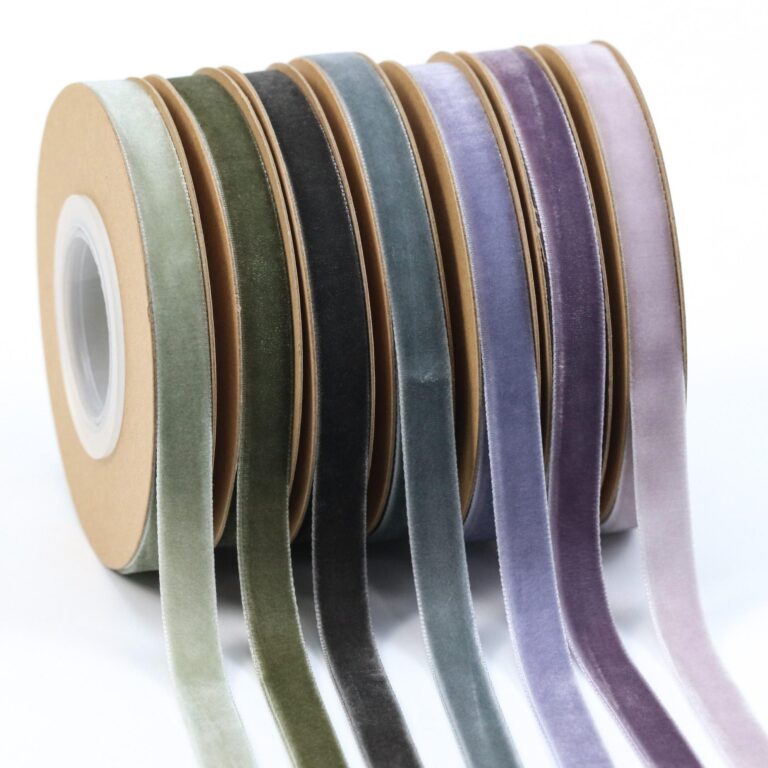 Wholesale Narrow Velvet Ribbon: Specs, Roll Length, and RFQ Checks
Check velvet pile direction, edge finish, cutting, tying, shade, and packout evidence before approving narrow velvet ribbon production.
Explore guide
Wholesale Narrow Velvet Ribbon: Specs, Roll Length, and RFQ Checks
Check velvet pile direction, edge finish, cutting, tying, shade, and packout evidence before approving narrow velvet ribbon production.
Explore guide
 Wholesale Satin Ribbon Sample Approval Workflow: Buyer Checklist
Wholesale Satin Ribbon Sample Approval Workflow — the checks that decide whether a quote, sample, or shipment can…
Explore guide
Wholesale Satin Ribbon Sample Approval Workflow: Buyer Checklist
Wholesale Satin Ribbon Sample Approval Workflow — the checks that decide whether a quote, sample, or shipment can…
Explore guide
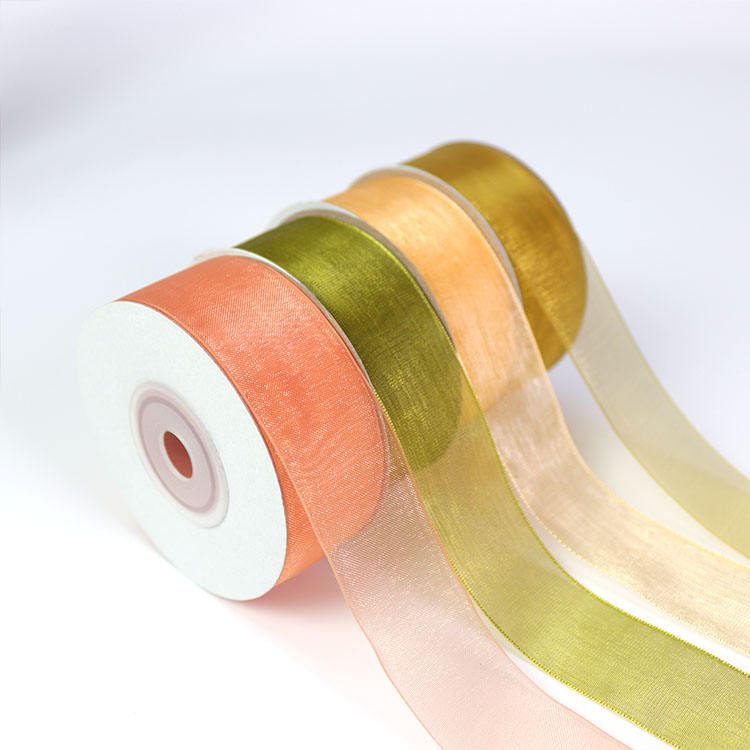 Organza Ribbon Sample Approval Workflow Before Bulk Production Buyer
 — the checks that decide whether a quote, sample,…
Explore guide
Organza Ribbon Sample Approval Workflow Before Bulk Production Buyer
Organza Ribbon Sample Approval Workflow Before Bulk Production Buyer — the checks that decide whether a quote, sample,…
Explore guide
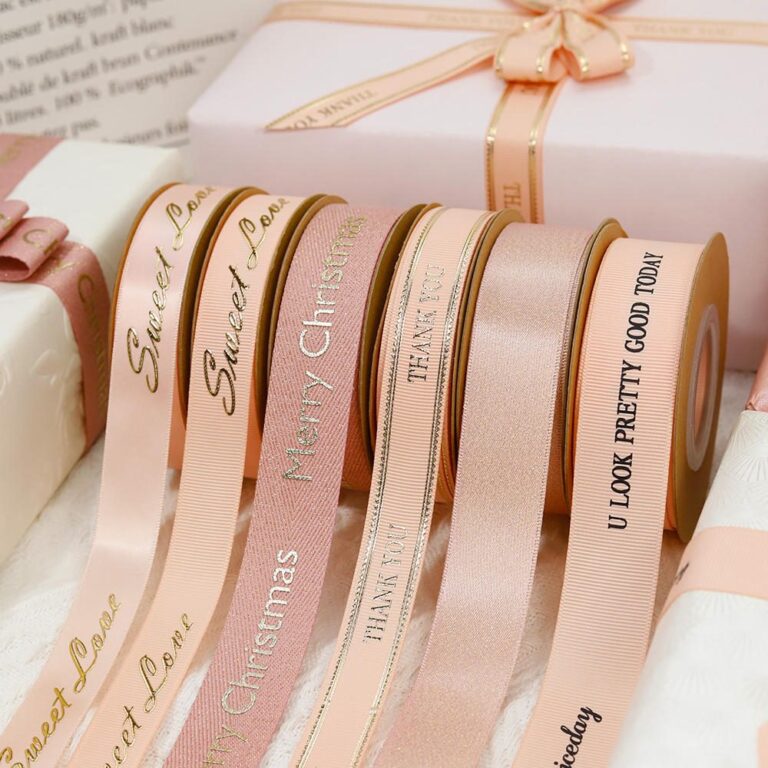 B2B Foil Ribbon Order Risk: Proof, Registration, Release
Buying foil printed ribbon: order risk control checklist? Verify artwork files, print method, color target, and sample approval…
Explore guide
B2B Foil Ribbon Order Risk: Proof, Registration, Release
Buying foil printed ribbon: order risk control checklist? Verify artwork files, print method, color target, and sample approval…
Explore guide
Leave a comment
Share a sourcing question or feedback on this guide. The Lude team reviews submissions before following up.