


Bulk Award Ceremony Recognition: Use-Case Fit and RFQ Checklist
A buyer's checklist for award ceremony recognition: buyer use-case fit checklist — covering format, event timing, artwork placement, and packing before you order.
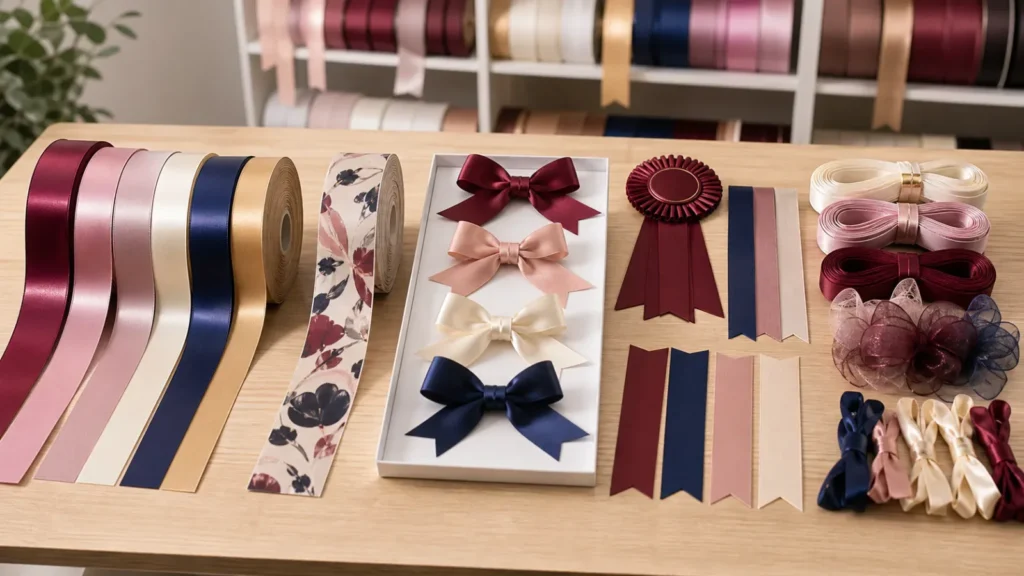
The sourcing record for award ceremony recognition: buyer use-case fit is incomplete until it translates the use case into specs, risks, and RFQ questions.
Award ribbons are worn rather than displayed, and that changes what the fabric has to survive. Fit starts with how long it stays on a person.
Direct answer: For award ceremony recognition: buyer use-case fit, buyers should translate an industry use case into packaging specs, risks, and RFQ questions.
Define the Buyer Requirement
| Application | Fit condition | Risk to avoid | Specification or proof | Follow-up |
|---|---|---|---|---|
| Annual corporate award ceremony for top sales performers | High-gloss satin ribbon with heat-sealed edges and engraved metallic foil stamp | Non-reflective finish or dull foil reduces perceived ceremony value; frayed edges look unprofessional | Sample with specified foil type, finish, and edge seal under event lighting; approval of Pantone metallic reference | Request a lighting-matched production sample and sign off on edge-sealing method before bulk order |
| Multi-tier recognition ribbons for event staff and volunteers | Color-coded grosgrain ribbon with woven text and reinforced safety-pin attachment | Color mismatch across tiers causes confusion at check-in; weak attachment fails during event | Pantone color swatches for each tier and a pull-test certificate for the attachment | Approve color swatches and attachment sample; confirm MOQ and schedule per tier by RFQ |
| Supplier award ribbon for annual gala banquet | Jacquard woven ribbon with custom logo, edge stitching, and stain-resistant finish | Logo alignment off-center or thread color mismatch reduces brand impression; spill stain ruins display | Jacquard woven proof with exact logo placement, thread colors, and stain-resistance test result | Approve woven proof and request a stain-resistance sample; confirm lead time and MOQ by RFQ |
| Reorder of identical award ribbon for next year's ceremony | Same spec as previous order but supplier may change material lot or dye batch | Lot-to-lot color variation and inventory gaps cause inconsistency and last-minute shortages | Pre-production sample from new lot compared to archived approved sample; inventory commitment letter | Verify sample against stored reference and confirm lead time based on spec complexity and order schedule |
For annual corporate award ceremony for top sales performers, a poor decision can mean non-reflective finish or dull foil reduces perceived ceremony value; frayed edges look unprofessional. Request written proof and compare it with the approved sample or specification, then request a lighting-matched production sample and sign off on edge-sealing method before bulk order.
For award ceremony recognition, preserve the annual corporate award ceremony for top sales performers decision under one revision number: keep the supplier response, marked sample, approved specification, quotation, and approval owner together. If the evidence conflicts with the approved record, hold the quote, sample, or production release until the deviation is explained in writing. Carry that signed Define the Buyer Requirement record into the purchase order, production handoff, shipment release, and later reorder review so every team works from the same baseline.
- Ribbon width, color, material, and print method must match the event tier and award type. Signed spec sheet with approved Pantone references and material grade. Supplier production manager Mismatched awards cause brand embarrassment at the ceremony. Cross-check spec sheet against event program requirements before approving sample.
- Production run must match the approved sample’s color, thickness, and finish. First-article inspection report and side-by-side comparison against the signed sample. Supplier QC Bulk appearance drift leads to inconsistent awards across categories. Hold release until QC report is reviewed and sample match is verified.
- No bulk production starts without a finalized approval signature. Written approval email or signed approval form with date and name. Buyer authorized approver Starting production without approval shifts rework liability to the buyer. Require approval timestamp before supplier releases order to the floor.
- After delivery, retain a production sample for future reorder reference. Retained sample with label showing order number, date, and lot. Buyer warehouse or procurement No retained sample delays reorder approval and increases sample cost. Designate a shelf location for one tied sample per order.
- Supplier must have proven experience with award ceremony ribbons of similar complexity. Past order references, photos of similar ribbon projects, or client testimonials. Supplier sales or account manager Inexperienced supplier may miss deadlines or produce off-spec awards. Request at least two references from past award projects and verify lead time compliance.
Compare the Available Routes
Use this checklist to compare routes before committing to an RFQ.
- Specs: Request a physical sample and measure against your PMS or brand color standard.
- Cost/MOQ: Ask for unit price at your target volume; confirm if setup fees apply.
- Production Risk: Check if the supplier uses digital or screen printing—digital reduces color variation risk.
- Factory Execution: Ask for a short video of the ribbon being cut and folded to verify alignment.
- quote request/Sample Handoff: Send your spec sheet with the sample request; require a written confirmation of tolerances.
For a deeper look at award ribbon options, see our award ribbons and sashes.
quote request checkpoint
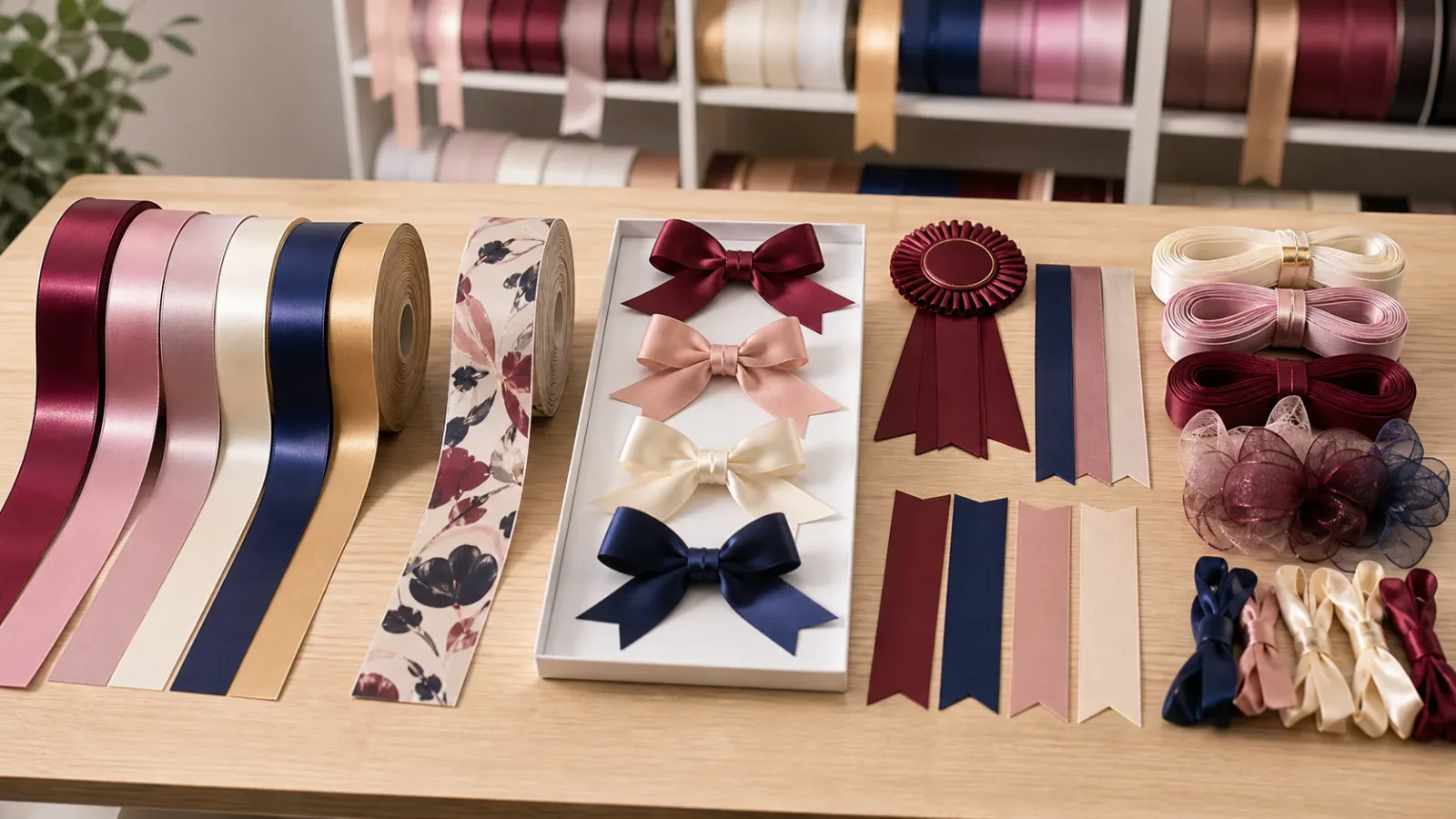
Review the Required Proof
For award ceremony recognition, use a release rule: approve only when the supplier evidence matches the written requirement.
- Award ceremony ribbon specs must match the event's prestige level and display format. Verify ribbon width, material (satin, grosgrain, or metallic), and print method (foil, screen, or sublimation). A mismatch between spec and ceremony scale—like using narrow ribbon for a large stage award—undermines the presentation and risks buyer dissatisfaction. Request a physical strike-off or digital proof that matches the exact ceremony use case before approving the spec.
- Color consistency across award ribbon products is critical for brand and event alignment. Check that PMS or brand color codes are matched on the approved sample and documented on the spec sheet. Even a slight color shift between ribbon products used in the same ceremony creates a visible inconsistency that attendees and photographers notice. Hold the approved sample against the spec sheet under ceremony lighting conditions before signing off on bulk production.
- MOQ for custom award ribbons affects order feasibility and budget planning. Confirm the MOQ per ribbon type, color, and print method—negotiable by material, width, and packing schedule. An unconfirmed MOQ can delay the order or force the buyer to over-order, increasing cost and storage burden for a one-time event. Submit the exact quantity per ribbon product to the supplier and get a written minimum order confirmation before the quote is finalized.
- Approval risk increases when the buyer does not document the spec-to-sample match before production. Document the approved sample's thickness, color, print registration, and cut length on a signed approval form. Without a documented approval gate, the buyer has no recourse if the bulk run deviates from the sample, leading to rework costs and ceremony delays. Create a written approval checklist that includes the spec sheet, sample, and ceremony use case, then sign before production release.
Build the Decision Asset
When the buyer lacks a verified sample match and reorder control, the failure mode is approving a ribbon that shifts color or thickness between production runs. The control is a three-check release rule that ties supplier proof, sample approval, and reorder limits to the original spec.
Supplier evidence to request
Require the supplier to submit a signed spec sheet and a production sample from the same batch as the quote request. Cross-check the sample against your PMS color target and thickness tolerance using a calibrated gauge. Approve only when color and thickness are within the buyer-approved tolerances.
Sample approval evidence
Hold the approved sample as the master reference. For each new order, demand a pre-production sample that matches the master within the same tolerances. Reject any batch that deviates, and document the rejection reason for the supplier’s corrective action plan.
Reorder control records
Set a reorder rule: no new order is released until the previous batch’s sample approval is on file and the supplier’s production risk score (based on past on-time delivery and defect rate) is below your threshold. This prevents cascading quality issues from repeated small orders.
For OEM/ODM ribbon development, use this checklist to formalize the handoff: OEM and ODM ribbon development.
Prepare Comparable RFQ Inputs
At this process checkpoint, the buyer must have a finalized spec sheet and sample approval before issuing the quote request. Without comparable inputs across suppliers, award ceremony recognition risks inconsistent quality and cost overruns.
- Specs: Define ribbon width, material (e.g., grosgrain, satin), color PMS code, and print method (e.g., hot stamp, screen print). Include attachment type (pin, magnet) and durability requirements (e.g., fade resistance).
- Cost or minimum order: Request unit pricing at several volume tiers. Note that minimum order varies by factory; ask for tiered pricing to compare cost efficiency.
- Production Risk: Require suppliers to list common failure modes (e.g., color shift, edge fraying) and their mitigation steps. Request a risk assessment for the specified ribbon type.
- Factory Execution: Ask for lead time breakdown (material sourcing, printing, assembly, quality check) and a sample production schedule. Verify that the factory can handle your volume without splitting lots.
- quote request/Sample Handoff: Submit a sample approval form with pass/fail criteria (e.g., color match within buyer-approved color tolerance, thickness tolerance within the buyer-approved tolerance). Require suppliers to return a signed acknowledgment with their quote request response.
Use this checklist to ensure all quote request inputs are comparable, reducing rework and delays. The Lude Ribbon editorial team creates practical B2B ribbon and bow buying guides from applied factory experience.
Source check: Supplier Qualification Program – Frederick National Laboratory; A Step-by-Step Guide to Applying for Supply Chain and Procureme…; IEEE SA – Conformity Assessment Award.
In conclusion
For award and ceremony ribbon solutions, the next procurement action is a written quote request and sample approval record, not only a preferred style or unit price. Confirm the specification, minimum order assumption, artwork version, supplier capability, sample approval method, QC checkpoint, approval risk, and quote follow-up before bulk production.
Frequently Asked Questions
How should a b2b buyer match industry use case?
Shortlist suppliers whose past award ribbon projects match your event tier and ribbon width, material, and attachment method. Compare their spec sheet against your use-case checklist and confirm minimum order and lead time in the quote request before requesting samples. Approving the wrong structure or supplier proof can create quality, cost, or delivery problems.
Which supplier proof should buyers request for award ceremony recognition?
Request a signed spec sheet and a production sample from the same run used for a prior award ceremony. Verify the sample against your master reference for color, thickness, and drape, then document approval to lock the supplier’s process and reduce reorder risk.
What should buyers lock before approving buyer use-case fit checklist?
Lock a finalized spec sheet and an approved sample before signing the buyer use-case fit checklist. Confirm the supplier’s cost, minimum order, and lead time in writing, and set a reorder rule that no new order releases until the previous batch’s sample passes QC verification. Approving the wrong structure or supplier proof can create quality, cost, or delivery problems.
quote request handoff: Send Specs for Review.
Keep exploring
Recommended buyer guides
 Pre-Tied Bows for Retail Packaging: When They Reduce Labor and Rework
See when pre-tied bows reduce retail packaging labor, improve consistency, and simplify bulk packing, SKU planning, and reorders
Explore guide
Pre-Tied Bows for Retail Packaging: When They Reduce Labor and Rework
See when pre-tied bows reduce retail packaging labor, improve consistency, and simplify bulk packing, SKU planning, and reorders
Explore guide
 Wholesale Grosgrain Ribbon Rolls: Specs, Roll Length, and RFQ Checks
Buying Grosgrain Ribbon Rolls? Verify sample approval, color tolerance, QC checks, and material to reduce quoting errors and…
Explore guide
Wholesale Grosgrain Ribbon Rolls: Specs, Roll Length, and RFQ Checks
Buying Grosgrain Ribbon Rolls? Verify sample approval, color tolerance, QC checks, and material to reduce quoting errors and…
Explore guide
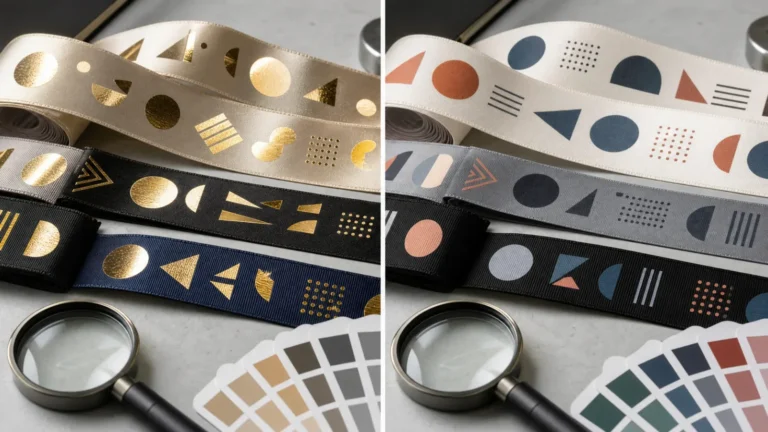 Wholesale Foil Printed Ribbon: Use-Case Fit and RFQ Checklist
Buying foil printed ribbon: buyer use-case fit checklist? Verify artwork files, print method, and color target to reduce…
Explore guide
Wholesale Foil Printed Ribbon: Use-Case Fit and RFQ Checklist
Buying foil printed ribbon: buyer use-case fit checklist? Verify artwork files, print method, and color target to reduce…
Explore guide
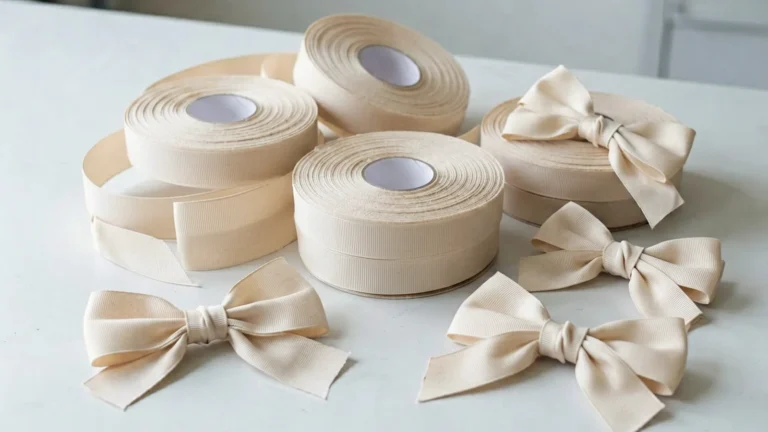 Grosgrain Ribbon Width Guide: Width choice for packaging and bows
Grosgrain Ribbon Width Guide: what to check on artwork files, print method, color target, and material before placing…
Explore guide
Grosgrain Ribbon Width Guide: Width choice for packaging and bows
Grosgrain Ribbon Width Guide: what to check on artwork files, print method, color target, and material before placing…
Explore guide
Leave a comment
Share a sourcing question or feedback on this guide. The Lude team reviews submissions before following up.