


How to Choose Metallic Ribbon for Seasonal and Premium Packaging
How to Choose Metallic Ribbon for Seasonal and Premium Packaging: what to check on material, width, finish, and handling before placing a ribbon order
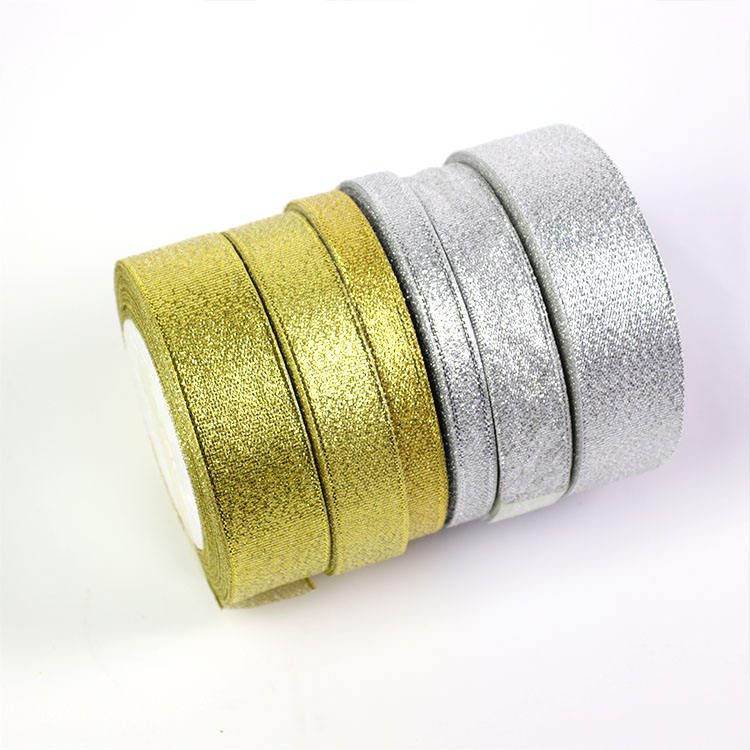
For gift packaging buyers, gift shops and gift basket sellers, e-commerce sellers and marketplace brands, retail packaging buyers, retail chains and store operations teams, cosmetics and perfume brands, wine and festive decoration buyers, floral shops and seasonal decoration businesses, event accessory companies, event agencies and promotional product distributors, award and ceremony organizers, importers, wholesalers, distributors, private label brands, metallic ribbon becomes expensive when the buyer only compares surface details. A vague spec, missing quote input, weak sample check, or unclear supplier responsibility can change cost, delay approval, or create reorder problems.
Expert note: The Lude Ribbon editorial team works with ribbon manufacturing, sampling, printing, quality control, and export service specialists to create practical buying guides for importers, brands, wholesalers, and procurement teams.
This article helps you turn a vague purchase need into clear criteria, specs, risks, and quote inputs. You will see what to check, why it matters commercially, what risk to watch for, and what action to take before quote, sample, or bulk order approval.
Related buyer references: Pantone Formula Guide for spot-color and print approval context; ISTA test procedures for packaged-product transit testing context; and ISO 2859-1 for AQL-based lot inspection plans. Use each source only for the specific buyer check it actually covers.
When metallic ribbon fits bulk or custom orders
Use this decision matrix to connect each buyer decision to verification, buyer risk, and a concrete next action before RFQ, sample approval, or bulk order.
| Option | Best fit | Trade-off | Buyer risk | Verification | Next action |
|---|---|---|---|---|---|
| Metallic ribbon for bulk orders | Buyers requiring high-volume metallic ribbon for seasonal packaging or event programs with consistent color and width. | Higher MOQ and lead time compared to stock satin or grosgrain; custom color matching adds sampling steps. | Metallic coating may fray or tarnish if production process is not verified; color variance across dye lots. | Request a pre-production sample and color approval before bulk production. | Submit RFQ with target metallic finish, width, and yardage for MOQ confirmation. |
| Metallic ribbon for custom orders | Brands needing custom-width metallic ribbon or Pantone-matched metallic effect for exclusive packaging or awards. | Custom metallic colors require dye-lot approval and may extend lead time beyond 15-20 business days. | Metallic finish may not match standard ribbon sheen; artwork approval critical for printed metallic ribbon. | Confirm metallic color target via physical swatch or digital proof before production. | Send artwork and color target for sampling; confirm MOQ per design program. |
| Plain stock ribbon | Buyers with immediate needs for standard colors and widths at standard MOQ (3,000 yards per selected color or design). | Limited to existing inventory colors and widths; no metallic finish available in stock. | Stock ribbon may lack metallic effect required for premium packaging or event aesthetics. | Check current stock inventory for available colors and widths. | Order from stock inventory if metallic effect is not required. |
| Printed ribbon | Buyers requiring custom logos or designs on metallic ribbon for branded packaging or ceremonies. | Printed metallic ribbon starts at 3,000 yards per design; sampling and artwork approval needed. | Ink adhesion on metallic surface may vary; color matching between print and metallic base is complex. | Request a printed sample on metallic substrate for artwork and color approval. | Submit artwork and specify metallic base color for print feasibility check. |
| Ribbon flowers or rosettes | Buyers needing metallic ribbon flowers or award rosettes for events or retail packaging. | Award rosettes start from 1,000 pieces; ribbon flower minimums are confirmed at RFQ. Metallic finish may increase production complexity. | Metallic ribbon flowers may have inconsistent sheen or fraying at edges if not properly finished. | Inspect sample rosette for metallic finish consistency and edge quality. | Request sample of metallic rosette before bulk order confirmation. |
| Sashes | Ceremony or pageant buyers requiring metallic sashes with custom titles or colors. | Minimum from 1,000 pieces per color/title; metallic fabric may be stiffer than standard sash material. | Metallic sashes may not drape as expected; color fading or transfer possible with metallic dyes. | Confirm sash material and metallic finish via sample before production. | Provide title artwork and color specification for sash sample approval. |
Best-fit buyer scenarios
Use this checkpoint for metallic ribbon: confirm the specification, quote input, supplier proof, buyer risk, and next action before RFQ, sample approval, or bulk order.
Cases where another ribbon option is safer
Use this checkpoint for metallic ribbon: confirm the specification, quote input, supplier proof, buyer risk, and next action before RFQ, sample approval, or bulk order.
Use metallic ribbon as the related internal reference when confirming quote assumptions, product fit, sample approval, and supplier next action.
Key specs buyers should compare
Use this quote preparation checklist to connect each buyer decision to verification, buyer risk, and a concrete next action before RFQ, sample approval, or bulk order.
- Input: Confirm material grade (e.g., PET metallic vs. PVC metallic), width in mm, color code or Pantone, finish (matte/glossy), and packing unit (roll/spool). Why it matters: Mismatched material or finish causes rework; width and packing affect freight and storage costs. Example detail: Specify: PET metallic ribbon, 10mm width, Pantone 871C gold, glossy finish, wound on 100-yard spools. Risk if missing: Supplier may ship wrong material or finish, leading to returns or production delays. Next action: Verify each spec against your product brief and request a pre-production sample card.
- Input: Check printing method (hot stamp vs. screen), sample approval cycle (artwork to physical sample), and reorder lead time for repeat orders. Why it matters: Printing method impacts durability and cost; sample approval prevents artwork errors; reorder lead time affects inventory planning. Example detail: Hot stamp metallic logo on 6mm ribbon, 3 rounds of artwork approval, 5-day sample production, 15-day reorder lead time. Risk if missing: Artwork errors may go unnoticed until bulk production; reorder delays can halt packaging lines. Next action: Confirm artwork file format and request a printed sample before bulk order release.
- Input: Review technical specs: tensile strength (kg), colorfastness rating, core diameter, and splice count per roll. Why it matters: Low tensile strength causes breakage during automated tying; poor colorfastness leads to fading; high splice count reduces usable yield. Example detail: Tensile strength ≥ 8 kg, colorfastness 4-5 (AATCC), 3-inch core, max 1 splice per 100-yard roll. Risk if missing: Ribbon may fail in automated packaging or discolor in storage, causing customer complaints. Next action: Request a spec sheet and test report for tensile and colorfastness before PO issuance.
- Input: Confirm MOQ per SKU (e.g., 500 rolls per color/width combination) and whether mixed MOQ is allowed across finishes. Why it matters: MOQ determines inventory commitment; mixed MOQ can reduce upfront cost for multi-SKU orders. Example detail: MOQ: 500 rolls per color/width, or 2000 rolls total across 4 SKUs with same material. Risk if missing: You may be forced to order excess stock or pay higher per-unit cost for small quantities. Next action: Negotiate mixed MOQ terms and confirm in writing before quote acceptance.
- Pricing differences among materials, widths, print methods, quantities, and packing must be calculated from dated quotations for the same approved specification.
- Pricing differences and savings must be calculated from dated quotations for the same approved specification, quantity, packing, delivery terms, and destination.
Material, width, color, finish, and packing
Use this checkpoint for metallic ribbon: confirm the specification, quote input, supplier proof, buyer risk, and next action before RFQ, sample approval, or bulk order.
Printing, sample, and reorder requirements
Use this checkpoint for metallic ribbon: confirm the specification, quote input, supplier proof, buyer risk, and next action before RFQ, sample approval, or bulk order.
Use custom printed ribbon as the related internal reference when confirming quote assumptions, product fit, sample approval, and supplier next action.
Material, finish, and use-case decision table
Use the table to lock each specification before RFQ, sample approval, or bulk order. It connects quality control, verification method, buyer risk, and next action in one check.
| Specification | Quality control | Verification method | Buyer risk | Next action |
|---|---|---|---|---|
| Use the buyer-approved method, threshold, and dated result | Adhesion and metal thickness verified via tape peel and spectrophotometer | Measure optical density with densitometer; cross-hatch tape test per ASTM D3359 | Delamination or pinhole defects cause print failure and rework | Request RFQ specifying gauge and metal density tolerance |
| Matte, gloss, holographic, or brushed metallic surface finish | Gloss units and holographic pattern registration checked against approved limit sample | Compare to approved master sample under D65 light; glossmeter reading at 60° | Off-spec finish causes brand rejection or visual inconsistency | Approve finish master sample before production order |
| Pre-production sample matching approved color and surface standard | Sample signed off by QC against spectral curve and visual standard | Spectrophotometer delta-E ≤ 1.0; visual approval under controlled lighting | Production run deviates from approved sample, causing scrap | Submit and approve pre-production sample within 15-20 business days |
| Minimum order quantity 500 linear meters per SKU; increments of 100 meters | Order quantity confirmed against inventory and slitting capacity | Check PO line items against MOQ table; confirm yield from master roll | Under-ordering triggers MOQ shortfall charge or delayed production | Confirm MOQ and order increment in RFQ before PO issuance |
| 15–15-20 business days from sample approval to first shipment | Production schedule tracked against confirmed approval date | Supplier provides weekly production milestone report with photos | Late delivery disrupts packaging line or promotional launch | Request supplier follow-up with weekly status updates |
How to compare options
Use this checkpoint for metallic ribbon: confirm the specification, quote input, supplier proof, buyer risk, and next action before RFQ, sample approval, or bulk order.
What changes MOQ, cost, and lead time
Use this checkpoint for metallic ribbon: confirm the specification, quote input, supplier proof, buyer risk, and next action before RFQ, sample approval, or bulk order.
Use OEM and ODM ribbon development as the related internal reference when confirming quote assumptions, product fit, sample approval, and supplier next action.
Common selection mistakes
Use this comparison table to connect each buyer decision to verification, buyer risk, and a concrete next action before RFQ, sample approval, or bulk order.
| Criteria | Option A | Option B | Buyer meaning | Buyer risk | Next action |
|---|---|---|---|---|---|
| Choosing by unit price only | Compare total landed cost including shipping, duties, and sampling fees | Accept lowest unit price without verifying material grade or width tolerance | Unit price alone ignores specification compliance and hidden logistics costs | Receiving substandard ribbon that fails colorfastness or tensile strength checks | Request a full cost breakdown and material specification sheet before quoting |
| Skipping sample or quality checks | Require pre-production sample approval and bulk production inline inspection | Proceed to bulk order based only on digital images or supplier claims | Physical sample verification confirms color, width, and metallic finish consistency | Bulk shipment may contain color variation, width deviation, or metallic flaking defects | Order a production-matched sample and schedule a third-party inspection before shipment |
| Specifications | Define material composition, width tolerance, color target, and metallic coating method | Rely on generic 'metallic ribbon' description without detailed parameters | Clear specs enable accurate quoting and consistent production across reorders | Undefined tolerances lead to rejected goods that do not fit packaging or printing equipment | Provide written specification sheet with acceptable ranges for width, color, and coating |
| Cost Driver | Identify material grade, metallic coating type, width, and order quantity as main cost factors | Assume all metallic ribbon costs are similar regardless of substrate or finish | Cost drivers affect per-unit price and MOQ feasibility for your program | Underestimating coating complexity may cause budget overruns or supplier switching | Request a cost driver breakdown per spec element to validate quote structure |
| Quality Control | Implement inline inspection during production and final random sampling before packing | Rely on supplier self-certification without independent verification | QC checks catch width deviation, metallic flaking, and color inconsistency before shipment | Defective ribbon reaches your warehouse, causing returns and production delays | Define QC checkpoints in the purchase contract and confirm inspection agency availability |
| Buyer Risk | Mitigate risk by requiring sample approval, specification agreement, and inspection report | Accept verbal guarantees and low upfront cost without documented quality commitments | Documented agreements and third-party checks reduce supply chain disruption | Undocumented orders lead to disputes over material, color, or delivery compliance | Include sample approval, spec sheet, and inspection clause in the purchase order |
Choosing by unit price only
Use this checkpoint for metallic ribbon: confirm the specification, quote input, supplier proof, buyer risk, and next action before RFQ, sample approval, or bulk order.
Skipping sample or quality checks
Use this checkpoint for metallic ribbon: confirm the specification, quote input, supplier proof, buyer risk, and next action before RFQ, sample approval, or bulk order.
Use gift and retail packaging ribbon solutions as the related internal reference when confirming quote assumptions, product fit, sample approval, and supplier next action.
When to request samples or a quote
Request samples early in your design cycle to validate metallic ribbon color, sheen, and adhesion under real-world conditions. A quote should follow only after you have defined the key variables that affect cost and production feasibility.
Quote-ready inputs to prepare
Before contacting a factory, gather these specifications to ensure accurate pricing and avoid delays:
- Ribbon width and thickness – Specify in millimeters (e.g., 6 mm, 10 mm) and gauge (e.g., 0.05 mm).
- Core size and material – Common cores are 3-inch plastic or cardboard; confirm if your winding equipment matches.
- Metallic finish type – Choose between hot stamping, vacuum metallization, or laminated foil; each affects cost and durability.
- Color and Pantone reference – Provide a Pantone number or physical color chip to minimize color deviation.
- Quantity per roll and total order – State meters per roll and total rolls; this directly impacts unit price.
- Packaging requirement – Indicate if rolls need individual shrink wrap, bulk cartons, or retail-ready packaging.
Approval checks before bulk production
Once you receive samples, run these checks to confirm the ribbon meets your quality standards and production needs:
- Color accuracy – Compare sample against your Pantone reference under daylight and store lighting.
- Adhesion and flaking – Bend the ribbon 90° and rub the metallic surface; no flaking or peeling should occur.
- Winding tension – Ensure the ribbon unwinds smoothly without sticking or tearing on your automated equipment.
- Heat resistance – If the ribbon will pass through a heat sealer, test at your typical sealing temperature.
- Do not reuse a fixed test threshold across materials or applications. State the buyer-approved method, conditions, repetitions where applicable, acceptance criteria, date, and sample or lot result.
After passing these checks, submit a signed approval form to the factory to authorize bulk production. For more guidance, visit our resources page.
Lead-time check: ask the supplier to confirm production lead time after specifications and sample approval are fixed, plus the date when packing and delivery handoff can start.
Conclusion
For metallic ribbon sourcing, the final step is to validate the spec against your application requirements, confirm cost and MOQ feasibility, and assess lead time—Lude Ribbon’s standard production of 15-20 business days offers a reliable baseline. Mitigate quality risk by requesting supplier proof such as material certifications or past order references, then proceed to request a quote to lock in commercial terms and initiate the procurement cycle.
Final buyer checks before moving forward
Use this checkpoint for metallic ribbon: confirm the specification, quote input, supplier proof, buyer risk, and next action before RFQ, sample approval, or bulk order.
Conclusion – Quote-ready inputs to prepare
Use this checkpoint for metallic ribbon: confirm the specification, quote input, supplier proof, buyer risk, and next action before RFQ, sample approval, or bulk order.
Supplier or sample action to take next
Use this checkpoint for metallic ribbon: confirm the specification, quote input, supplier proof, buyer risk, and next action before RFQ, sample approval, or bulk order.
To request a quote, visit metallic ribbon and confirm the final specification, quote assumptions, sample approval, QC evidence, buyer risk, and next action before bulk order.
FAQs About Metallic Ribbon
Use the questions below to confirm how metallic ribbon affects specification fit, cost exposure, production risk, supplier execution, and approval timing.
Which specs decide whether Metallic Ribbon fits a bulk buying project?
Key specs include material composition (e.g., polyester vs. nylon core for tensile strength), width tolerance (±0.5mm for precision projects), colorfastness rating (minimum 4 on AATCC for light exposure), and metallic finish type (laminated vs. woven metallic thread). For bulk buying, confirm that the breaking strength meets your packaging or garment load requirements, and that the ribbon passes a 20-wash durability test if used on apparel.
What should I verify with the supplier before ordering Metallic Ribbon at scale?
Verify the supplier’s ISO 9001 certification for production consistency, request a third-party lab test report for heavy metals (especially if used on children’s products), and confirm lead time in writing—standard production typically takes 15–15-20 business days after spec confirmation. Also ask about MOQ flexibility: many suppliers require 3,000 yards per color for custom metallic finishes, and whether they offer split shipments to reduce inventory risk.
What sample or packing checks reduce risk before confirming Metallic Ribbon production?
Request a 5-yard pre-production sample in the exact metallic finish and width, then test it under your actual production conditions (e.g., heat sealing, stitching, or folding). Check for edge fraying, color transfer on white fabric, and metallic flaking after bending. For packing, confirm that rolls are wound on 3-inch cores with protective tissue to prevent tarnishing, and that each roll is individually sealed in polybags to avoid moisture damage during transit.
What information should go into the decision matrix, spec confirmation table, commercial parent bridge for Metallic Ribbon?
Your decision matrix should include columns for: spec tolerance (width, thickness, color code), unit cost per yard at MOQ, lead time in business days, supplier risk score (based on audit results or trade references), and sample approval status. The spec confirmation table must list each critical parameter (e.g., metallic thread count, backing material, roll length) with a sign-off column. The commercial bridge should map these specs to your end-use requirement—for example, a 6mm width for gift wrap vs. 10mm for garment trim—to prevent misalignment.
How can buyers avoid wrong judgment can create inaccurate quotes, bad samples, quality disputes, delivery delays, reorder variation, or supplier mismatch when sourcing Metallic Ribbon?
Do not reuse a fixed technical or color threshold across materials and applications. State the buyer-approved method, conditions, repetitions where applicable, acceptance criteria, date, sample or lot, result, and remedy.
What should buyers confirm before ordering Metallic Ribbon?
Payment terms are commercial inputs, not universal supplier benchmarks. Confirm the deposit, balance, credit terms, release conditions, and remedies in the dated quotation and sales agreement.
Keep exploring
Recommended buyer guides
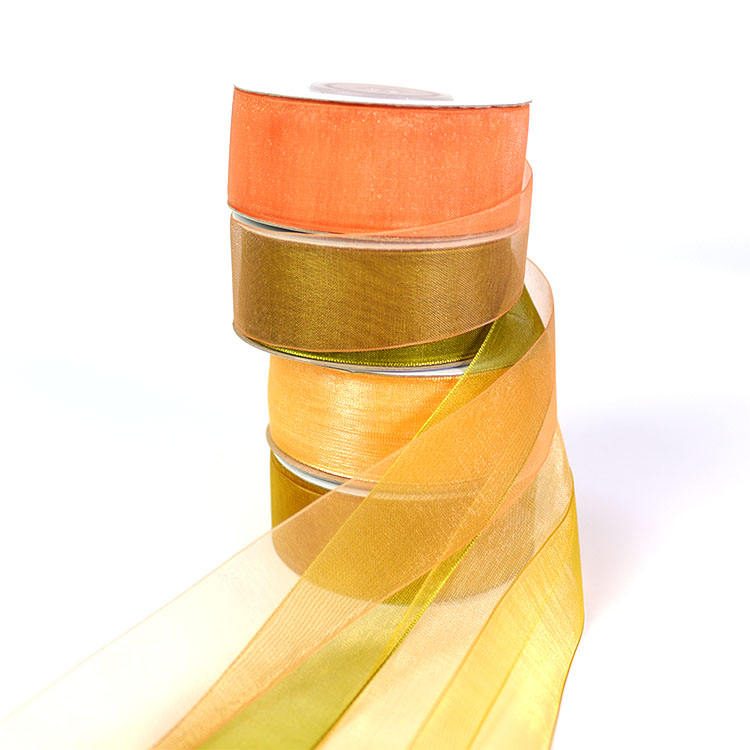 Organza Ribbon Width Guide: When 1/4 Inch Rolls Fit Packaging Orders
Organza Ribbon Width Guide: what to check on artwork files, print method, color target, and material before placing…
Explore guide
Organza Ribbon Width Guide: When 1/4 Inch Rolls Fit Packaging Orders
Organza Ribbon Width Guide: what to check on artwork files, print method, color target, and material before placing…
Explore guide
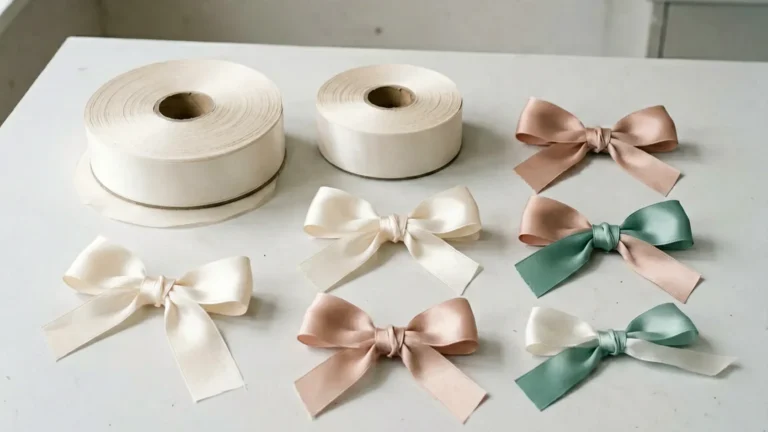 Pre Tied Bow Attachment Method Sample Approval Wholesale Buyer Guide
 — the checks that decide whether a quote,…
Explore guide
Pre Tied Bow Attachment Method Sample Approval Wholesale Buyer Guide
Pre Tied Bow Attachment Method Sample Approval Wholesale Buyer Guide — the checks that decide whether a quote,…
Explore guide
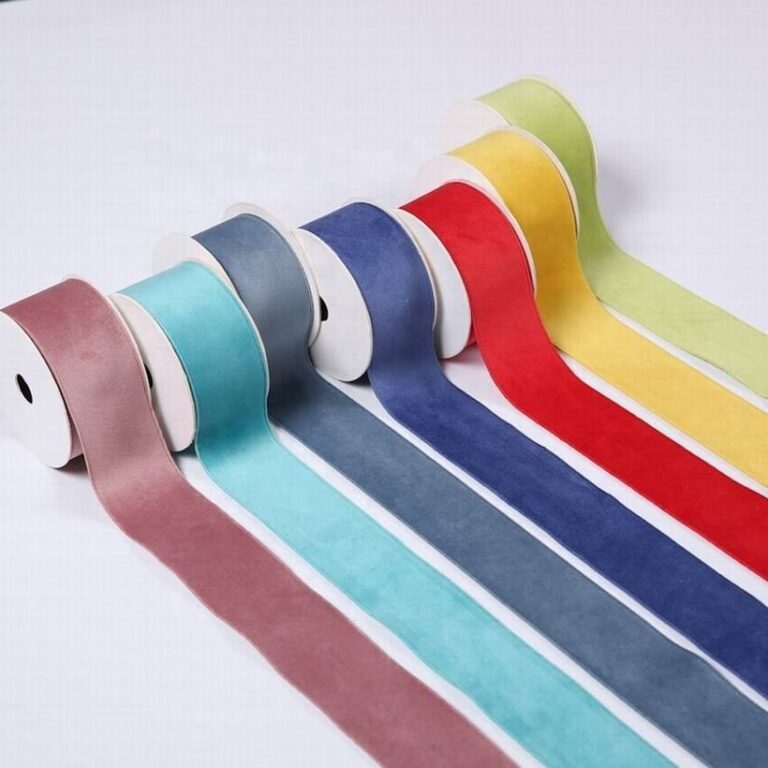 Wholesale Heat Cut vs Ultrasonic Cut Ribbon Edge Approval Buyer
: what to confirm on sample approval, color tolerance,…
Explore guide
Wholesale Heat Cut vs Ultrasonic Cut Ribbon Edge Approval Buyer
Wholesale Heat Cut vs Ultrasonic Cut Ribbon Edge Approval Buyer: what to confirm on sample approval, color tolerance,…
Explore guide
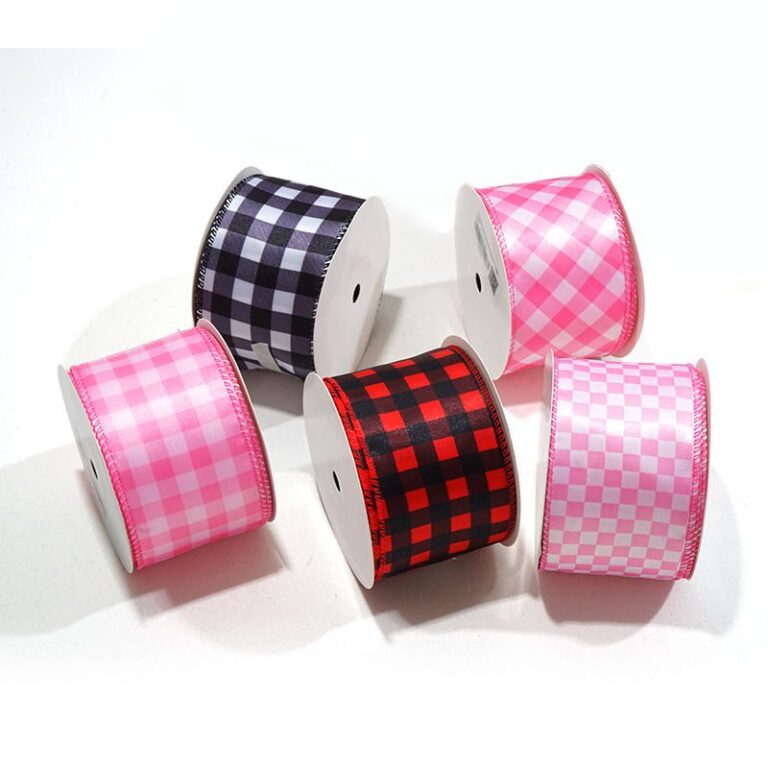 Satin Ribbon Width Guide: When 1/2 Inch Rolls Fit Packaging Orders
Where 1/2 inch satin fits in packaging programs, width comparison against adjacent sizes, specs to lock before quoting,…
Explore guide
Satin Ribbon Width Guide: When 1/2 Inch Rolls Fit Packaging Orders
Where 1/2 inch satin fits in packaging programs, width comparison against adjacent sizes, specs to lock before quoting,…
Explore guide
Leave a comment
Share a sourcing question or feedback on this guide. The Lude team reviews submissions before following up.