


Velvet Ribbon Foil Printing: Five Approval Checks for Buyers
Review five practical approval checks for foil printing on velvet ribbon, covering substrate, artwork, color, adhesion testing, inspection, and RFQ documentation.
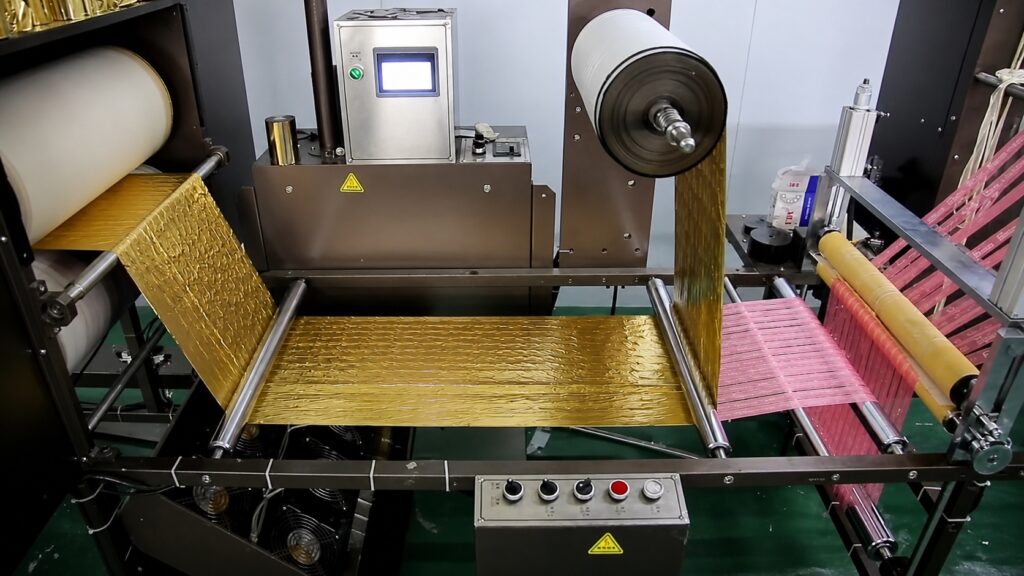
Foil printing on velvet combines a reflective decoration with a raised surface. That interaction makes physical sampling essential: pressure, heat, foil, artwork, pile direction, and ribbon construction can change both the logo appearance and the hand feel.
The goal is not to rely on a universal machine setting. It is to approve a repeatable result on the exact proposed material and record the production controls that matter for that order.
Check 1: Lock the velvet construction
“Velvet ribbon” is not a complete specification. Pile height, density, fiber composition, backing, edge construction, width, and finish can affect how foil sits on the surface. A foil result approved on one velvet should not be assumed to transfer to another.
Ask the supplier to identify the exact material proposed for production and to retain it as part of the approved sample record. If pile direction changes the appearance, mark the viewing orientation on the sample.
Check 2: Define the foil appearance and artwork
State whether the required finish is bright, satin, matte, or another approved foil effect. Provide vector artwork and identify the intended logo size, repeat spacing, orientation, and placement relative to the ribbon edges.
Fine lines, small gaps, and large solid areas can behave differently on a raised pile. Let the physical strike-off determine whether artwork needs adjustment instead of relying on a digital proof alone.
Check 3: Approve color under recorded conditions
Velvet changes with pile direction and light. Record the physical color reference, viewing orientation, lighting conditions, measurement method where applicable, and buyer-approved acceptance tolerance. Compare the decorated ribbon and the unprinted area so the foil does not hide a base-color issue.
Keep the signed sample with the written specification and use it as the production reference.
Check 4: Agree the foil-adhesion test
A test name alone is not enough. The specification should identify the exact method, equipment or manual procedure, load or handling condition, number of repetitions where required, conditioning, pass/fail criteria, and the area to inspect.
Choose the test from the end use. Ribbon tied once around a presentation box may need a different approval method from ribbon repeatedly handled in retail display or event use. Request the dated sample result before bulk authorization.
Check 5: Define inspection and packing
Inspection should compare production against the approved sample for foil placement, coverage, edge quality, base color, width, pile appearance, and visible transfer defects. State the sampling plan, inspection stage, record format, and remedy in the purchase agreement.
Packing also matters. Confirm roll tension, interleaving or surface protection where needed, roll length, labels, carton layout, and storage conditions so the approved finish is not damaged after production.
Foil printing or screen printing?
| Decision factor | Foil printing | Screen printing |
|---|---|---|
| Visual effect | Reflective metallic or foil appearance | Printed color with a generally less reflective finish |
| Main approval risk | Pile compression, incomplete transfer, edge quality, adhesion | Ink coverage, surface texture, cure and rub behavior |
| Artwork review | Confirm line detail and solid-area transfer on the exact velvet | Confirm ink coverage and legibility on the pile |
| Buyer evidence | Decorated sample plus agreed adhesion and appearance checks | Printed sample plus agreed cure, rub, and appearance checks |
MOQ, timing, and RFQ information
Printed ribbon programs start at 3,000 yards per design; custom colors are confirmed by RFQ. The final MOQ depends on the velvet construction, width, color, foil, artwork, packing, and schedule. Standard production is normally 15–20 business days after specifications and samples are approved.
Send the velvet specification, width, color reference, artwork, foil effect, quantity per SKU, roll format, packing, destination, intended use, required tests, and delivery date. Ask the supplier to separate sample approval from bulk authorization.
Frequently asked questions
Can the same foil setting be used for satin and velvet?
Do not assume so. Approve the result on the exact velvet construction and record the production method used for the accepted sample.
Why can velvet look different between viewing angles?
The raised pile reflects light differently when its direction changes. Record orientation and lighting conditions for visual approval.
What should an adhesion record include?
Include the method, sample condition, handling or load, repetitions where applicable, acceptance criteria, date, result, and connection to the approved material.
Should the buyer approve a digital proof first?
A digital proof is useful for layout, but the physical decorated sample should control material, color, foil appearance, and adhesion approval.
What is the starting MOQ?
Printed ribbon programs start at 3,000 yards per design, subject to the final velvet, foil, artwork, packing, and schedule.
Review the foil printed ribbon options, then send the complete RFQ for feasibility and sampling.
Keep exploring
Recommended buyer guides
 Grosgrain vs Velvet Ribbon Printing: Texture Performance Guide
Evidence and specification note: Color targets, tolerances, test methods, documentation, acceptance criteria, and remedies must be confirmed for…
Explore guide
Grosgrain vs Velvet Ribbon Printing: Texture Performance Guide
Evidence and specification note: Color targets, tolerances, test methods, documentation, acceptance criteria, and remedies must be confirmed for…
Explore guide
 Custom Award Ribbon Manufacturing Process: Avoid Disputes
Evidence and specification note: Color targets, tolerances, test methods, documentation, acceptance criteria, and remedies must be confirmed for…
Explore guide
Custom Award Ribbon Manufacturing Process: Avoid Disputes
Evidence and specification note: Color targets, tolerances, test methods, documentation, acceptance criteria, and remedies must be confirmed for…
Explore guide
 Double Face Satin Ribbon: Avoid Fraying & Foil Lifting in Bows
Evidence and specification note: Color targets, tolerances, test methods, documentation, acceptance criteria, and remedies must be confirmed for…
Explore guide
Double Face Satin Ribbon: Avoid Fraying & Foil Lifting in Bows
Evidence and specification note: Color targets, tolerances, test methods, documentation, acceptance criteria, and remedies must be confirmed for…
Explore guide
 Satin Ribbon Roll Lengths: Bulk Importers’ Quality Guide
Evidence and specification note: Color targets, tolerances, test methods, documentation, acceptance criteria, and remedies must be confirmed for…
Explore guide
Satin Ribbon Roll Lengths: Bulk Importers’ Quality Guide
Evidence and specification note: Color targets, tolerances, test methods, documentation, acceptance criteria, and remedies must be confirmed for…
Explore guide
Leave a comment
Share a sourcing question or feedback on this guide. The Lude team reviews submissions before following up.