


Wholesale Ribbon Fray Edge Quality: Specs, Roll Length, and RFQ Checks
Which Ribbon Fray Edge Quality options deserve an RFQ? Compare artwork files, print method, color target, and sample approval to find the right production
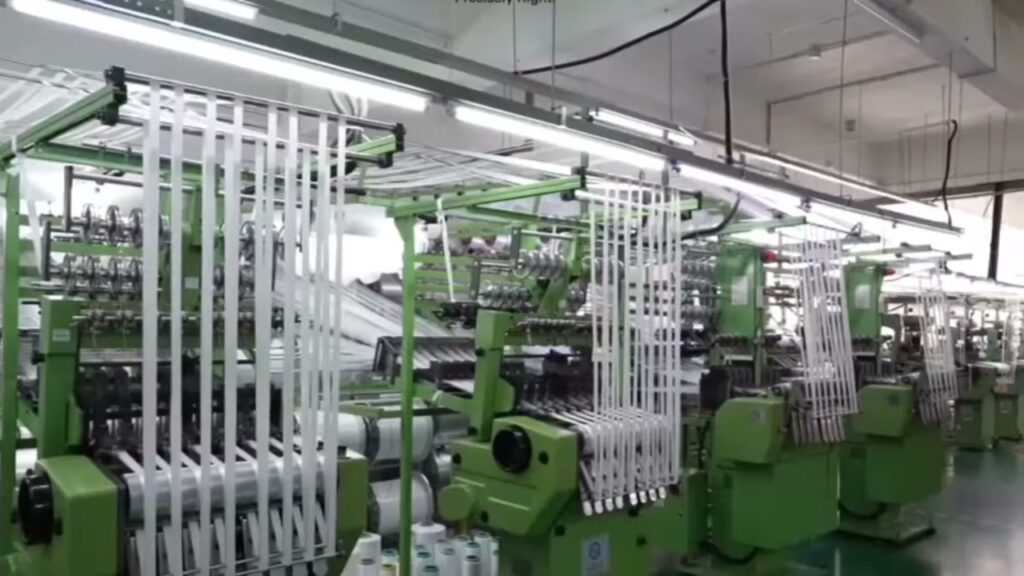
A ribbon fray edge quality needs a written RFQ path before price comparison, because material, structure, print, packing, and timing all change the supplier answer.
For ribbon fray edge quality, the useful factory reply is specific: what material, structure, artwork, packing, MOQ, and proof must be confirmed before sampling.
Use the sections below to make the quote, sample, and supplier follow-up easier to compare.
What buyers must define before approving ribbon fray edge quality
Define the desired edge condition as a visible acceptance result, not only as “no fraying.” The buyer should state the ribbon material, cutting method, intended handling, and whether a sealed, woven, wired, or intentionally raw edge is acceptable. The supplier can then quote the process and sample route against one written requirement.
| Specification | Quality control | Verification method | Risk to avoid | Buyer action |
|---|---|---|---|---|
| Edge appearance | State whether loose fibers, exposed wire, discoloration, or edge distortion are acceptable. | Compare the approved physical sample with the approved visual reference. | A subjective “clean edge” description creates disputes during inspection. | Attach close-up photos and mark the acceptable edge condition. |
| Ribbon construction | Record the base material, weave, coating, wire, and cut direction used for the sample. | Ask the supplier to identify the cutting or sealing method in the sample record. | A method that works on one construction may damage another. | Approve the method on the actual ribbon construction. |
| Handling and packing | Define how the ribbon will be tied, cut, spooled, packed, and unpacked. | Test the sample through the buyer’s real packing and handling sequence. | An edge may pass flat inspection but fray during tying or transit. | Include the handling sequence in sample approval. |
- State the order breakdown and ask how the MOQ applies to each material, color, and edge process.
- Request separate timing for artwork or specification review, sample approval, production, inspection, and shipping.
- Ask the supplier to itemize any sample, setup, edge-treatment, packing, or inspection charge instead of hiding it in unit price.
Use Ribbon Quality, Samples & Artwork Approval for the wider approval framework.
Ribbon Quality, Samples & Artwork Approval provides the related product or service context for What buyers must define before approving ribbon fray edge quality.
Artwork file and proofing requirements
- Does your artwork proof include a visual reference for the acceptable fray edge tolerance? To confirm the supplier can translate the fray edge spec into a measurable, reviewable proof before production. Approving artwork without visible fray edge limits may lead to bulk production with uncontrolled fraying. Request a marked proof with the fray edge limit clearly indicated.
- What is the review process if the proof shows fray edge beyond the acceptable range? To understand if the supplier will flag out-of-spec edges before production begins. Supplier may proceed with out-of-spec edge if no escalation process is defined, resulting in rejected goods. Document the escalation and re-approval process in the purchase order.
- How do you verify that the production run matches the approved proof for fray edge quality? To ensure consistent quality across the entire order and avoid variation from the approved sample. Production may deviate from the approved proof, leading to out-of-spec edges and shipment rejection. Request a first-run sample for inspection before bulk shipment and retain the approved proof as a reference.
RFQ checkpoint
Check the product route for sizes, structures, materials, finishes, and RFQ details before sampling ribbon fray edge quality.
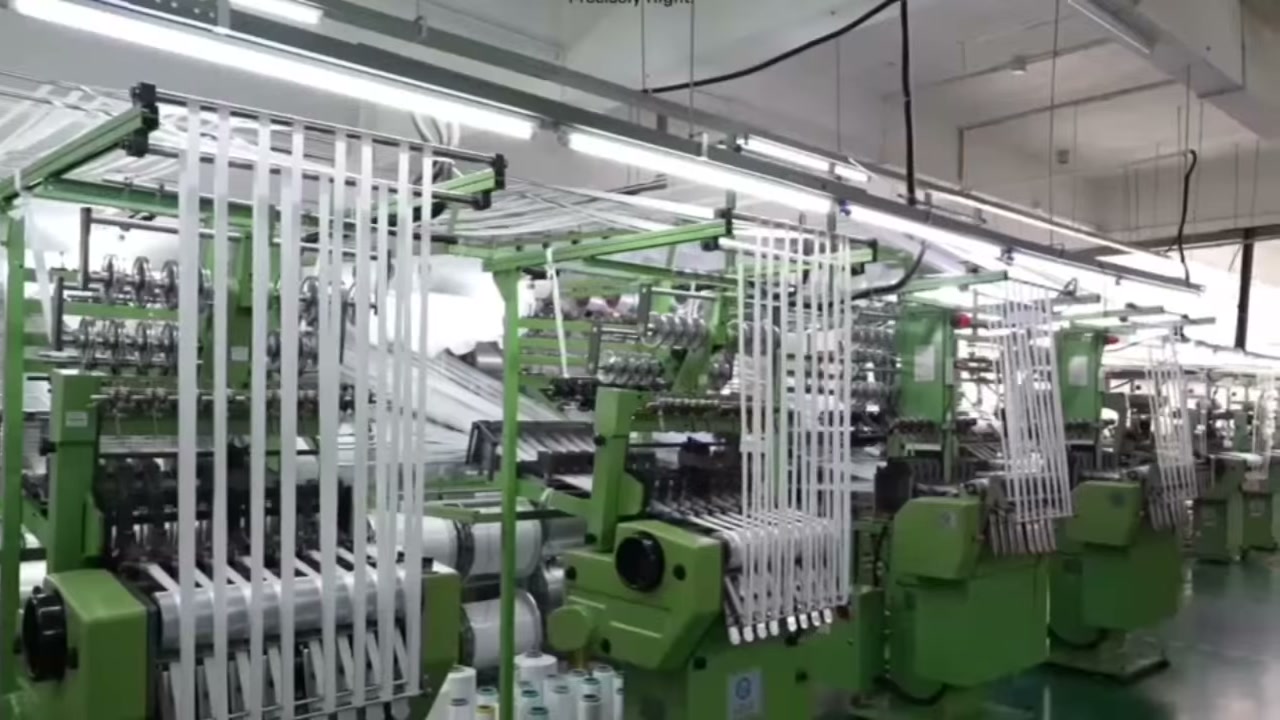
Sample approval workflow
Sample approval should prove that the chosen edge method survives the buyer’s actual use, not merely that the ribbon looks clean when it arrives. Keep the approval sequence short and record each result against the same specification revision.
Physical sample checks before production
- Confirm the sample uses the quoted ribbon construction and the planned edge process.
- Inspect the edge before handling, then cut, tie, fold, or spool it as the buyer will use it.
- Check for loose fibers, exposed wire, coating damage, discoloration, and changes in ribbon hand.
- Pack and unpack the sample using the proposed spool, bag, label, and carton method.
Record the result, approver, date, and revision before production release.
Color, handfeel, print clarity, and packing confirmation
Edge quality cannot be approved in isolation when heat, cutting, coating, or wire changes the visible face of the ribbon. Review color under the buyer-approved viewing conditions, feel the edge and printed area, inspect logo clarity near the cut, and confirm that packing does not crush or abrade the edge. A failed check should create a revised sample, not a verbal exception.
oem odm ribbon development services specification support when the sample requires a new construction or edge method.
production quality checkpoints
Bulk inspection should compare the edge with the approved sample at the points where production can change it: material release, slitting or cutting, rewinding, and final packing. The buyer does not need an invented universal tolerance; the acceptance method should be agreed for this ribbon and use.
Inspection points that prevent reorder variation
Check the start, middle, and end of selected rolls for the same edge appearance, ribbon width method, wire containment, finish, and hand. Confirm that the sample reference and process notes stay with the batch, and archive a retained piece with the purchase order. For a reorder, ask the supplier to disclose changes in material, cutting equipment, sealing conditions, or packing before production.
Common defects and when to reject a sample
Reject or resample when loose fibers continue into the ribbon body, exposed wire creates a handling risk, heat treatment discolors or hardens the face, the cut edge varies visibly across the roll, or packing creates new abrasion. The rejection rule should name the defect, the inspection method, and who can approve a concession; otherwise a visual dispute will be decided too late.
Review quality color control services process when the RFQ requires a documented inspection handoff.
Final approval checklist before RFQ or deposit
The final handoff should connect the visible edge standard to the quoted construction, approved sample, production check, and repeat-order record. Close only the decisions that the supplier has answered; keep open items visible.
Information to confirm in writing
- Name the ribbon construction, edge method, intended use, cut or roll format, artwork, color, and packing basis.
- Attach close-up approval images and identify the physical sample used as the edge reference.
- State who measures or visually checks the edge, when the check occurs, and what evidence is returned.
- Separate sample, setup, production, packing, freight, and schedule assumptions in the supplier response.
Record which specification or process change requires new sample or commercial approval.
What to archive for repeat orders
Supporting evidence includes the signed specification and current artwork revision. The retained sample or clearly identified physical reference. Close-up edge images, measurement method, and inspection evidence.
The Lude Ribbon factory overview provides the related supplier context for production and quality-control questions.
Use gift and retail packaging ribbon solutions provides the related product or service context for Final approval checklist before RFQ or deposit.
- Cost breakdown table: compare ribbon fray edge quality quotes by specification, material, customization, development, packing, quantity, inspection, and freight assumptions.
- send the product specification, reference files, target quantity, branding or packing inputs, sample requirement, and delivery terms in the same RFQ.
- Red flag list: pause ribbon fray edge quality quotes that hide development, sample, tooling, lead-time, quality, or reorder assumptions behind one unit price.
- Supplier capability context: verify the RFQ against satin ribbon, grosgrain ribbon, organza ribbon, velvet ribbon, metallic ribbon so the buyer compares the right production route.
In conclusion
After defining the edge finish tolerance, comparing quotes with documented inspection criteria, and verifying a physical sample under magnification, the buyer can approve a sample that locks the required fray edge quality for bulk production. This final approval step ensures that the supplier’s execution matches the spec, protecting cost, lead time, and reorder consistency before committing to the order.
Hand off the approved sample, written spec sheet, and inspection report as the production benchmark. The same checklist—material, width, color, edge finish, and quality checks—should be referenced in the RFQ to avoid misinterpretation and to confirm that the supplier maintains the same standard across rolls.
To approve a sample, visit wired edge ribbon products specification page and confirm the final specification, quote assumptions, sample approval, QC evidence, approval risk, and supplier follow-up before bulk order.
Ribbon fray edge quality FAQ
What specs should I send to get a usable ribbon fray edge quality quote?
Send the ribbon construction, intended edge appearance, cutting or sealing method if known, use and handling sequence, color or artwork reference, packing method, and close-up approval photo. Ask the supplier to identify any missing input before quoting.
Which quote terms should buyers compare before RFQ?
Compare the same construction and edge process, then separate sample, setup, treatment, inspection, packing, freight, and production timing assumptions. A unit price is not comparable when one supplier includes edge treatment and another treats it as an exception.
What hidden costs should I check before approving a ribbon fray edge quality order?
Check whether the quote excludes sample revisions, special cutting or sealing, added handling, protective packing, inspection evidence, or rework after a failed edge test. Ask which specification change would trigger a requote.
Which sample or QC proof should buyers request?
Request a approved physical sample, close-up edge photos, the stated inspection method, a packing sample, and a retained reference tied to the approved revision. The proof should show the edge before and after the buyer’s real handling test.
Keep exploring
Recommended buyer guides
 Satin Ribbon MOQ Planning for Custom Orders Cost Checklist
What drives custom satin ribbon MOQ and pricing? Check MOQ, setup fees, unit cost, and packing before you…
Explore guide
Satin Ribbon MOQ Planning for Custom Orders Cost Checklist
What drives custom satin ribbon MOQ and pricing? Check MOQ, setup fees, unit cost, and packing before you…
Explore guide
 Organza Ribbon MOQ Planning for Custom Orders Cost Checklist
Break down Organza Ribbon MOQ Planning for Custom Orders Cost Checklist costs: MOQ, setup fees, unit cost, and…
Explore guide
Velvet Ribbon MOQ Planning for Custom Orders Cost Checklist
What drives Velvet Ribbon MOQ Planning for Custom Orders Cost Checklist pricing? Check MOQ, setup fees, unit cost,…
Explore guide
Organza Ribbon MOQ Planning for Custom Orders Cost Checklist
Break down Organza Ribbon MOQ Planning for Custom Orders Cost Checklist costs: MOQ, setup fees, unit cost, and…
Explore guide
Velvet Ribbon MOQ Planning for Custom Orders Cost Checklist
What drives Velvet Ribbon MOQ Planning for Custom Orders Cost Checklist pricing? Check MOQ, setup fees, unit cost,…
Explore guide
 Custom Ribbon RFQ Checklist: Specs to Prepare Before Requesting a Price
A complete custom ribbon RFQ needs material, width, print method, color spec, quantity per SKU, and packing, so…
Explore guide
Custom Ribbon RFQ Checklist: Specs to Prepare Before Requesting a Price
A complete custom ribbon RFQ needs material, width, print method, color spec, quantity per SKU, and packing, so…
Explore guide
Leave a comment
Share a sourcing question or feedback on this guide. The Lude team reviews submissions before following up.