


Organza Ribbon MOQ Planning for Custom Orders Cost Checklist
Break down Organza Ribbon MOQ Planning for Custom Orders Cost Checklist costs: MOQ, setup fees, unit cost, and packing. Know the real price drivers before
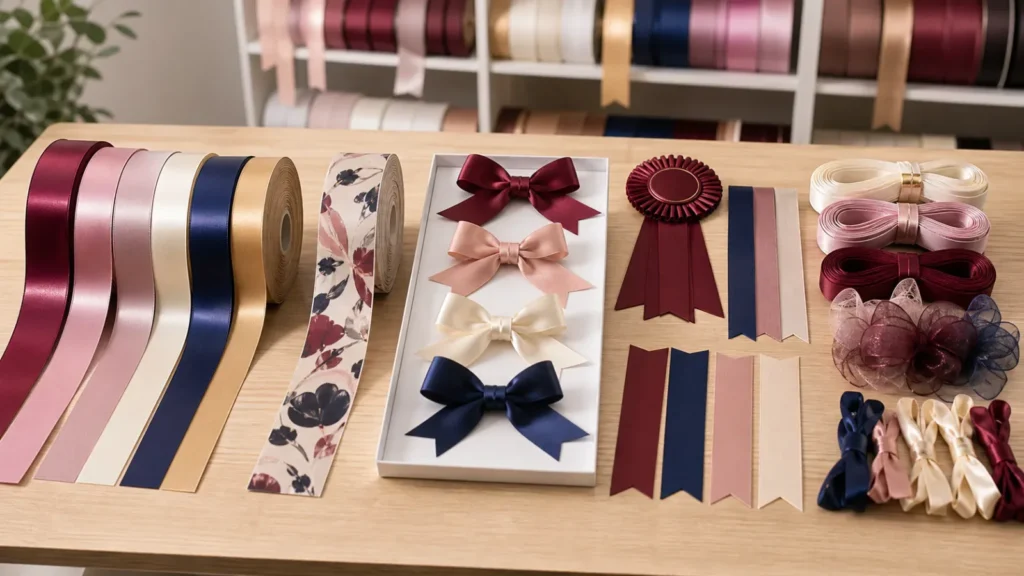
The sourcing record for organza ribbon MOQ planning for custom is incomplete until it supports this Prepare quote-ready specifications before contacting suppliers.
Organza MOQ is set by the dye lot, and sheer fabric shows lot variation far more plainly than opaque ribbon does.
Direct answer: For organza ribbon MOQ planning for custom, buyers should prepare quote-ready specifications before contacting suppliers.
Define the Buyer Decision for Organza Ribbon MOQ Planning
Compare the decision criteria for organza ribbon minimum order against one RFQ revision. Each row should identify the requirement, approval evidence, and buyer action before production.
| Requirement | Factory control | Evidence to verify | Order risk | RFQ follow-up |
|---|---|---|---|---|
| Sample approval | Factory holds shipment until sign-off on strike-off or production sample | Match sample against approved PMS, width, and weave density under buyer-approved viewing conditions | Deviation in shade or hand feel triggers reorder delay and restocking fee | Request RFQ confirmation attach sample approval form with pass/fail criteria |
| MOQ and order quantity | Factory confirms per-material, per-width, per-print method minimums in writing | Cross-check quoted MOQ against actual reel yield and setup waste allowance | Quote mismatch quantity leads to short-ship or forced over-buy of unused color | Ask for RFQ confirmation attach MOQ breakdown by SKU before PO issue |
| Lead time after approval | Factory commits calendar days from signed sample approval to ex-works release | Verify lead time clause includes artwork review, sample iteration, and shipping window | Unspecified approval gate extends delivery past event or launch deadline | Shortlist suppliers who document lead time per order type in RFQ response |
For organza ribbon minimum order, use the decision criteria as the decision scope. Read the rows as one approval sequence. Start with sample approval; use the risk and buyer-action columns to decide whether its evidence is sufficient. Verify it with the inspection method and approval evidence recorded in the table.
For this organza ribbon minimum order sourcing record, keep the supplier response, marked sample, and approval owner under the same revision number. If any proof conflicts with the approved record, hold the quote, sample, or production release until the supplier explains the deviation in writing. Before closing the checkpoint, reconcile the latest drawing, sample, quotation, and approval comments, identify which record controls if they disagree, and document the resolution. Carry the signed the decision criteria table into the purchase order and production handoff so the same checks support quote comparison, sample approval, shipment release, and later reorders.
Material and specification cost drivers
Organza ribbon pricing hinges on denier count, yarn type, and dye method. Polyester organza costs less than silk but may lack the crispness required for luxury packaging. Width tolerance and edge finish—heat-cut versus hemmed—also shift per-yard cost. Buyers should request a spec sheet listing yarn composition, thread count, and colorfastness grade to compare quotes accurately.
Customization, setup, and MOQ impact
Custom orders incur setup charges for jacquard patterns, custom dye lots, or printed logos. These non-recurring costs are amortized across the run, making per-unit price sensitive to order volume. For custom orders, the factory typically sets a minimum quantity per SKU to cover loom setup and color changeover. Negotiate minimum order by consolidating similar widths or colors into a single production batch.
Hidden risks in quotes and delivery
Quotes may exclude artwork approval cycles, sample shipping, or partial shipment fees. A low per-yard price can mask high setup costs or a rigid minimum order that forces overstock. Delivery risk includes factory capacity constraints during peak season and port delays for imported organza. Mitigate by requiring a written lead time guarantee with liquidated damages for late delivery.
Questions to confirm before ordering:
For organza ribbon minimum order, treat the listed items as RFQ inputs. Match each buyer input to written supplier confirmation, approval evidence, and the risk that would hold the quote.
- Specify organza ribbon width, denier, and edge finish: Width and denier directly affect material cost and loom setup; edge finish (selvedge, cut, or fused) changes waste and production speed. the buyer-confirmed requirement single-face organza with fused edge costs more per yard than a 3/the buyer-confirmed limit cut-edge version due to slower finishing. Quote may be based on a standard width or finish that does not match your packaging or bow-tie application, causing rework or order rejection. Attach a spec sheet or sample swatch to the RFQ and ask the supplier to confirm they can match the exact edge and width tolerance.
- Confirm minimum order per color and per design for custom printed organza: Custom printing requires plate or screen setup; minimum order is often higher per color than per design, and splitting across SKUs may increase total cost. A four-color logo on organza ribbon may carry a the confirmed minimum order per color, while a single-color design may be the quoted quantity per color. Supplier may quote a single-SKU minimum order, but your order splits across colors, triggering a higher total commitment or per-color minimums. Request a written minimum order breakdown by color, design, and total order in the quote, and verify that split shipments are allowed without penalty.
- Verify lead time and sample approval gate for custom organza ribbon: Custom organza requires artwork approval, strike-off sample, and production scheduling; lead time typically starts after sample sign-off, not after order placement. A standard lead time of supplier-confirmed timing after spec confirmation may extend to supplier-confirmed timing if artwork revisions or sample rounds are needed. Delivery date in the quote may be based on an optimistic schedule that does not account for sample approval, causing missed launch dates. Ask the supplier to state the lead time in calendar days from sample approval to shipment, and include a clause for revision delays.
- Document cost drivers: material grade, print method, and packing format: Organza grade (A, B, or recycled), print method (silk-screen vs. digital), and packing (roll, spool, or flat-fold) each shift unit cost and minimum order. Digital-printed organza on recycled material may have a lower minimum order but higher per-yard cost than screen-printed virgin organza at higher volume. Quote may lock in a low per-unit price that later increases due to a material upgrade or packing change not specified in the initial quote request. Include material grade, print method, and packing format in the quote request specification table, and ask the supplier to price each variant separately.
Organza ribbon cost is driven by fiber type (nylon, polyester, or recycled), thread count, and finishing method. A higher denier or fused edge increases material use and slows production. Buyers should request a cost breakdown per spec variant during quote request to avoid surprises when the final order deviates from the quoted standard.
Custom colors and printed designs require screen or plate setup, which raises the minimum order per SKU. Splitting an order across multiple colors or artwork files may trigger separate minimums. Confirm per-color and per-design minimum order in writing, and ask whether combined orders across designs can reduce the total commitment.
Quotes often omit sample approval time, artwork revision rounds, and shipping windows. A lead time stated as 15–20 business days may start only after the buyer signs off on a strike-off sample. Request a calendar-date delivery estimate that accounts for these gates, and include a revision delay clause in the purchase order.
Confirm Product and Order Scope
| Cost driver | What changes it | Quote signal | Risk to avoid | Buyer action |
|---|---|---|---|---|
| Fiber type (nylon vs. polyester) and denier count | Recycled yarn or custom dye lot adds setup and material surcharges | Supplier lists separate line items for yarn grade and dye method | Accepting a blended quote without fiber breakdown hides cost variance | Verify fiber type and denier per width; request a split quote for recycled or custom-dye runs |
| Jacquard pattern or custom print setup | Number of colors, repeat size, and screen/plate complexity | Setup fee is quoted per color or per repeat, not a flat rate | Flat-rate setup may hide per-color revision costs after sample approval | Document the number of print colors and repeat length; confirm revision fees in writing |
| Order quantity and packaging format | MOQ per SKU, inner pack quantity, and spool vs. roll packing | Unit price drops at tiered MOQ thresholds; packaging surcharge appears at low volume | Ordering below the supplier's efficient MOQ triggers per-yard handling fees | Compare unit price at your target quantity vs. the next tier; confirm packaging cost per roll |
| Quality control and inspection level | AQL standard, shade-band approval, and in-process vs. final inspection | Supplier includes QC steps (shade band, width check, yardage count) as standard or optional | Skipping shade-band approval leads to color mismatch across production lots | Require a physical shade-band approval before bulk production; specify the agreed sampling plan for visual defects |
Evaluate Confirm Product and Order Scope as one decision scope. Use this cost breakdown table as an approval sequence, not as a supplier claim. For fiber type (nylon vs. polyester) and denier count, a poor decision can mean accepting a blended quote without fiber breakdown hides cost variance. Request written proof and compare it with the approved sample or specification, then verify fiber type and denier per width; request a split quote for recycled or custom-dye runs.
For the fiber type (nylon vs. polyester) and denier count checkpoint, keep the supplier response, marked sample, approved specification, quotation, and approval owner under the same revision number. If the evidence conflicts with the approved record, hold the quote, sample, or production release until the deviation is explained in writing. Carry the signed decision record into the purchase order, production handoff, shipment release, and later reorder review so every team works from the same baseline.
RFQ details to send
Your quote request must include width, color code or Pantone reference, print method, and target quantity per SKU. Without these, the supplier cannot give a firm minimum order or unit price. Attach a spec sheet or tech pack. For printed designs, note the number of colors and repeat length. This avoids revision rounds that delay the quote.
Production handoff details
Once the quote is accepted, confirm the production lead time starts only after spec confirmation and sample approval. Lock the revision cap in writing. For organza ribbon, a shade-band approval before bulk dyeing prevents color drift across lots. Document the AQL level for visual defects and yardage tolerance. This handoff step protects both sides.
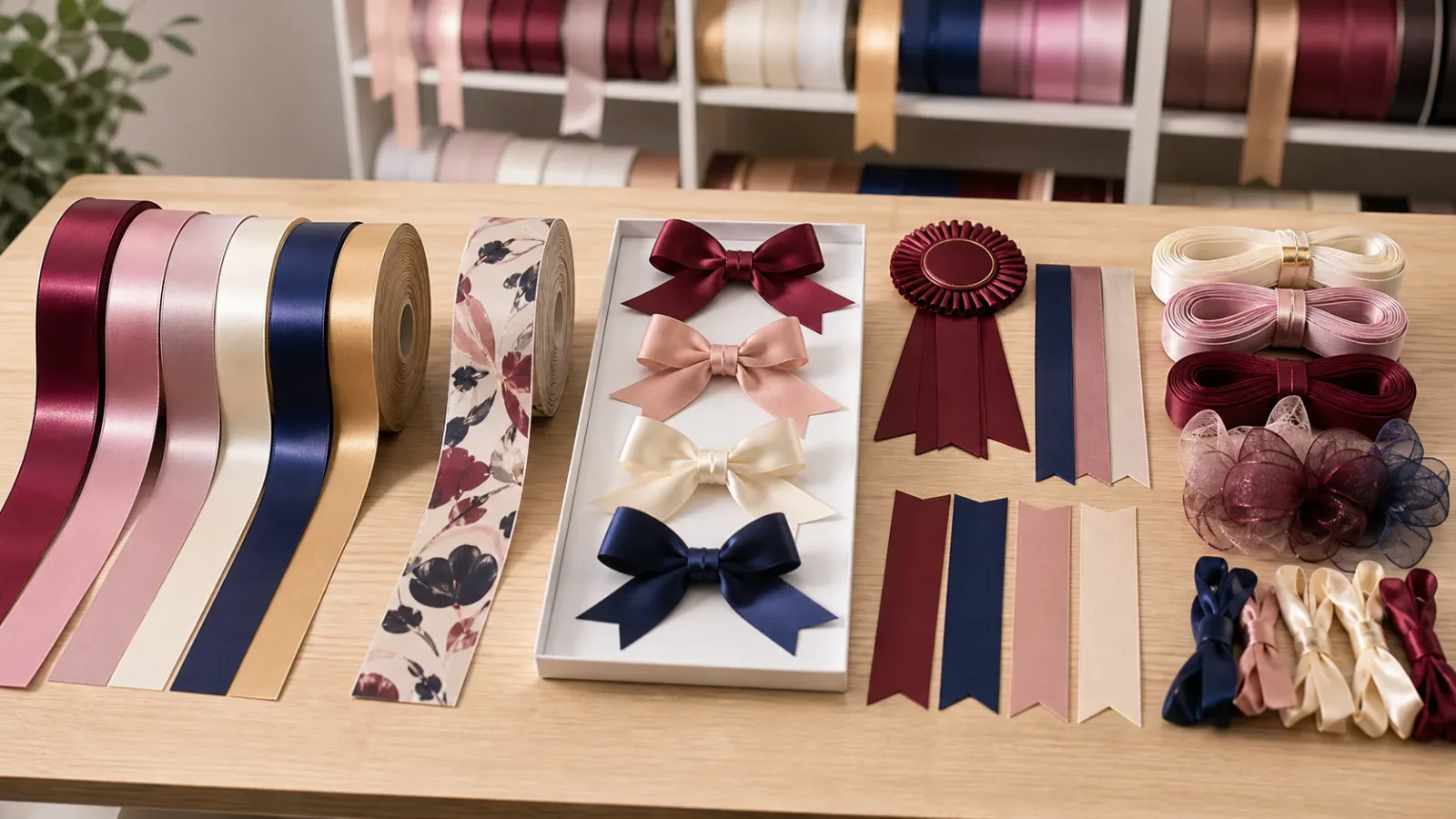
Build the Verification Checklist
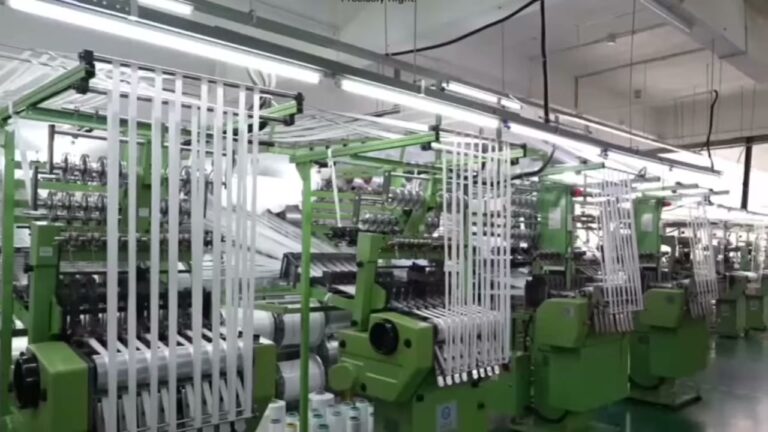
- Supplier cannot confirm organza ribbon loom type or denier range: Without loom capability proof, the factory may sub-contract or use equipment that cannot hold consistent width and edge finish for custom printed ribbon, leading to rejects. Ask for a list of active loom types, denier capabilities, and the maximum print width they run in-house. Factory equipment list or a dated photo of the production floor showing looms and print stations. Shortlist only suppliers who provide loom documentation before sample order.
- No sample approval record or artwork revision log is offered: Missing approval records mean the supplier may start bulk production before the buyer signs off, causing color or print mismatches that are costly to rework. Require a written sample approval procedure with a minimum of two revision rounds included in the quote. A sample approval form or email template from the supplier showing sign-off steps. Document the approval gate in the quote request and confirm it before any production deposit.
- Supplier quotes minimum order without confirming material, print method, and width separately: A single minimum order number hides cost drivers: custom colors and screen setup for custom printed ribbon can double the effective minimum if the print method changes. Request a line-item minimum order breakdown by material type, print method (screen vs. digital), width, and packing format. A written minimum order matrix or quote table that lists each variable separately. Compare minimum order breakdowns across shortlisted suppliers before selecting the order quantity.
- Supplier cannot provide a third-party color standard or Pantone reference for organza ribbon: Organza dye absorption varies by fiber type; without a verified color standard, the bulk run may deviate from the approved sample, causing rejection at inspection. Ask the supplier to confirm they use Pantone or a physical swatch library for every custom color order. A color standard certificate or a dated photo of the swatch library used for matching. Include the color standard requirement in the quote request and verify it during sample approval.
Compare Quote and Production Assumptions
The main failure mode for organza ribbon minimum order is approval before the supplier has resolved the listed evidence gaps.
- Can the supplier produce organza ribbon at your target minimum order without splitting the run across multiple dye lots? A single dye lot ensures color consistency across the entire order. Split lots introduce shade variation that is visible on finished goods. The supplier confirms one continuous production run at the requested minimum order and provides a dye-lot control protocol. Receiving ribbons from two lots that do not match under gift and retail packaging ribbon solutions or event lighting, causing rework or rejected packaging. Document the agreed minimum order and dye-lot requirement in the quote request revision before sample approval.
- How does the supplier handle artwork approval risk for custom printed organza ribbon? Printed organza requires screen or plate setup. Artwork errors caught after production start mean full cost of re-plating and wasted material. The supplier requires a signed proof before any production run and offers one free revision round within the quoted lead time. Approving artwork by email without a formal proof leads to misprints that are charged as a new setup, delaying delivery. Shortlist only suppliers who provide a digital or physical proof and a written revision limit before the bulk order.
- What is the supplier's cost driver for organza ribbon at your target order quantity? Fiber type (nylon vs. polyester), denier, and number of print colors each shift the unit price. Knowing the driver lets you negotiate the right variable. The supplier itemizes the quote by material cost, setup fee, and print-color surcharge, and explains which factor changes at higher volumes. Accepting a flat per-yard price without understanding the cost breakdown, then facing a hidden surcharge on reorders. Compare the cost driver breakdown from at least two suppliers before selecting the final quote.
Run the Review Before Approval
Before signing off on an organza ribbon custom order, confirm that every requirement from the quote request has been verified. This checkpoint ensures the supplier can execute without hidden cost or production risk.
Questions to send back to the supplier
- Can you confirm the ribbon width and tolerance as stated in the quote request?
- What is the confirmed dye lot consistency process for this order?
- Do you have a sample of the exact weave and finish we specified?
- What is the minimum quantity per color if we split the order?
- How do you handle edge fraying on custom-cut lengths?
When to revise, escalate, or reject
If the supplier cannot answer all five questions with documented evidence, do not approve. Revise the quote request to clarify specs, escalate to a production manager if the supplier offers verbal assurances only, or reject the quote if key requirements remain unconfirmed. A table of common review points helps structure the decision.
| Checkpoint | Requirement | Verification Method |
|---|---|---|
| Width tolerance | Within the buyer-approved tolerance of specified dimension | Sample measurement report |
| Dye lot consistency | buyer-approved color tolerance across batches | Spectrophotometer data |
| Edge finish | No fraying after the approved tolerance cut | Video or physical sample |
| Quantity split | Per-color minimum confirmed | Written supplier confirmation |
Use this table as a checklist during the review meeting. Only proceed to sample handoff when every row has a documented yes.
Move from Review to RFQ or Sample
When the supplier cannot confirm the organza ribbon loom type or edge finish required for your custom order, the review stalls. The control is a verified requirement checklist that forces resolution before the next gate.
Inputs to include in the next message
- Specify the ribbon width and edge type (e.g., fused or stitched) as confirmed by the supplier.
- State the dye lot tolerance or color matching standard (e.g., buyer-approved color tolerance) that the sample must meet.
- Include the production risk: if the supplier uses a different loom, the ribbon may have uneven tension or fraying.
- Add the cost impact of a sample versus a small production run to validate minimum order.
Ownership and sign-off for the next gate
The buyer must verify that every requirement from the quote request is confirmed before signing off. The supplier must provide written confirmation of loom type, edge finish, and color matching method. Use this table to track the handoff:
| Requirement | Supplier Confirmation | Buyer Verification |
|---|---|---|
| Width tolerance | the buyer-approved tolerance | Verified via sample |
| Edge finish | Fused | Confirmed in RFQ |
| Color match | buyer-approved color tolerance | Sample approval |
After the table, send the quote request or request a sample only when all rows are complete. This prevents rework and ensures factory execution aligns with your custom order.
Source check: ISO 2859-1 sampling inspection standard; Exercise: Reviewing Critical Paths; What Information Should You Prepare Before Asking a Garment Man….
In conclusion
The sourcing choice for organza ribbon custom orders comes down to how thoroughly you compare, verify, and document every specification before committing to a supplier. By validating the material, print method, width, and packing requirements upfront, you can shortlist only those factories that provide documented evidence for each parameter, reducing the risk of costly minimum order mismatches or production delays. Approve a physical sample and signed-off artwork proof as the official reference, and only then proceed to request a quote for the confirmed order scope.
To request a quote for organza ribbon minimum order, use MOQ and lead time to confirm the final specification, quote assumptions, sample approval, QC evidence, approval risk, and supplier follow-up before bulk order.
Organza Ribbon MOQ Planning FAQ
What should buyers confirm first?
It depends on the specific combination of material, print method, width, and packing, so the buyer must first confirm the exact minimum order with the supplier for their custom organza ribbon program. Check that the supplier can document the loom type and edge finish, then compare the cost per yard and lead time against your order volume before requesting a physical sample for approval.
Which proof should be retained for approval and reorders?
Retain the approved physical sample and the signed-off artwork proof as the official reference for both production and reorders. Verify that the sample matches the specified width, color, and edge finish, and document the supplier’s confirmation of the minimum order and lead time for reorder terms.
Which warning signs should stop the order?
Stop the order if the supplier cannot confirm the loom type, edge finish, or provide a physical sample for QC verification before bulk production. Also halt if the quoted minimum order or lead time changes without documented justification, or if the artwork proof does not match the original specification.
quote request handoff: Send Specs for Review.
Keep exploring
Recommended buyer guides
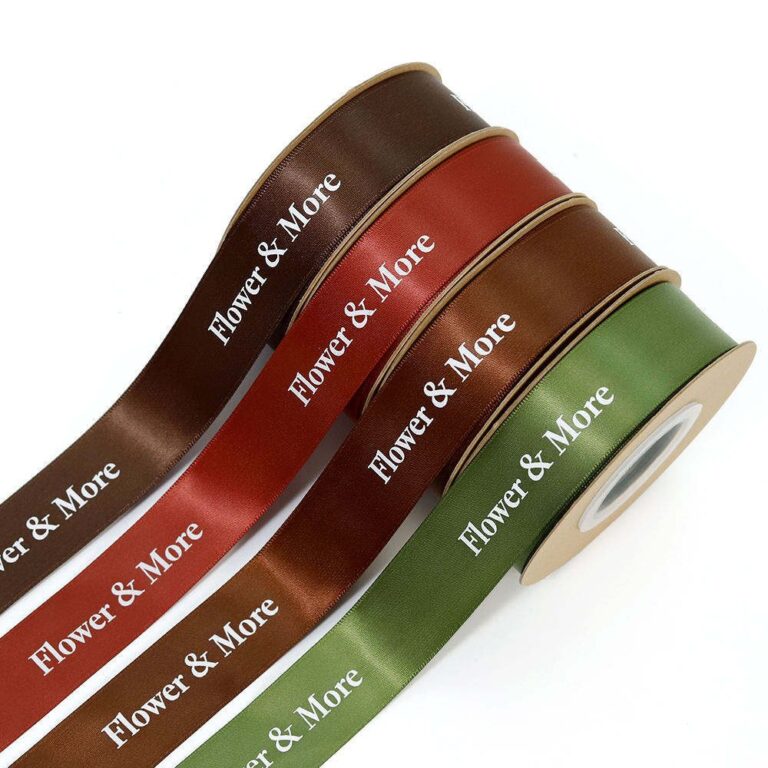 Bulk Custom Printed Ribbon Orders: MOQ, Supplier Checks, and Quote Inputs
Plan bulk custom printed ribbon orders with MOQ, print method, artwork files, color targets, and supplier checks ready…
Explore guide
Bulk Custom Printed Ribbon Orders: MOQ, Supplier Checks, and Quote Inputs
Plan bulk custom printed ribbon orders with MOQ, print method, artwork files, color targets, and supplier checks ready…
Explore guide
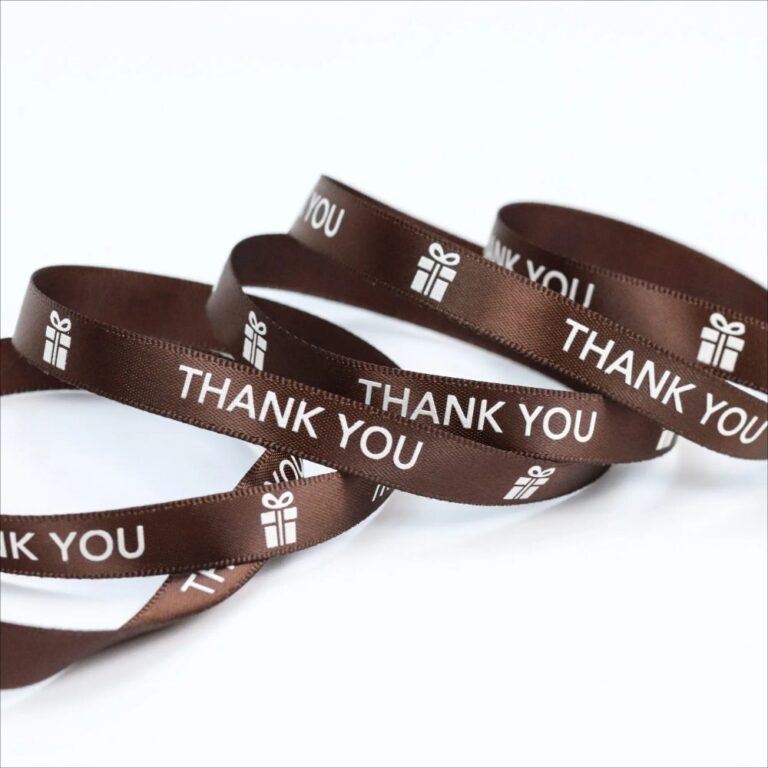 Custom Ribbon RFQ Checklist: Specs to Prepare Before Requesting a Price
A complete custom ribbon RFQ needs material, width, print method, color spec, quantity per SKU, and packing, so…
Explore guide
Custom Ribbon RFQ Checklist: Specs to Prepare Before Requesting a Price
A complete custom ribbon RFQ needs material, width, print method, color spec, quantity per SKU, and packing, so…
Explore guide
 Wholesale Ribbon Fray Edge Quality: Specs, Roll Length, and RFQ Checks
Which Ribbon Fray Edge Quality options deserve an RFQ? Compare artwork files, print method, color target, and sample…
Explore guide
Wholesale Ribbon Fray Edge Quality: Specs, Roll Length, and RFQ Checks
Which Ribbon Fray Edge Quality options deserve an RFQ? Compare artwork files, print method, color target, and sample…
Explore guide
 Organza Ribbon Width Guide: When 1/4 Inch Rolls Fit Packaging Orders
Organza Ribbon Width Guide: what to check on artwork files, print method, color target, and material before placing…
Explore guide
Organza Ribbon Width Guide: When 1/4 Inch Rolls Fit Packaging Orders
Organza Ribbon Width Guide: what to check on artwork files, print method, color target, and material before placing…
Explore guide
Leave a comment
Share a sourcing question or feedback on this guide. The Lude team reviews submissions before following up.