


Bulk Custom Printed Ribbon Orders: MOQ, Supplier Checks, and Quote Inputs
Plan bulk custom printed ribbon orders with MOQ, print method, artwork files, color targets, and supplier checks ready before RFQ
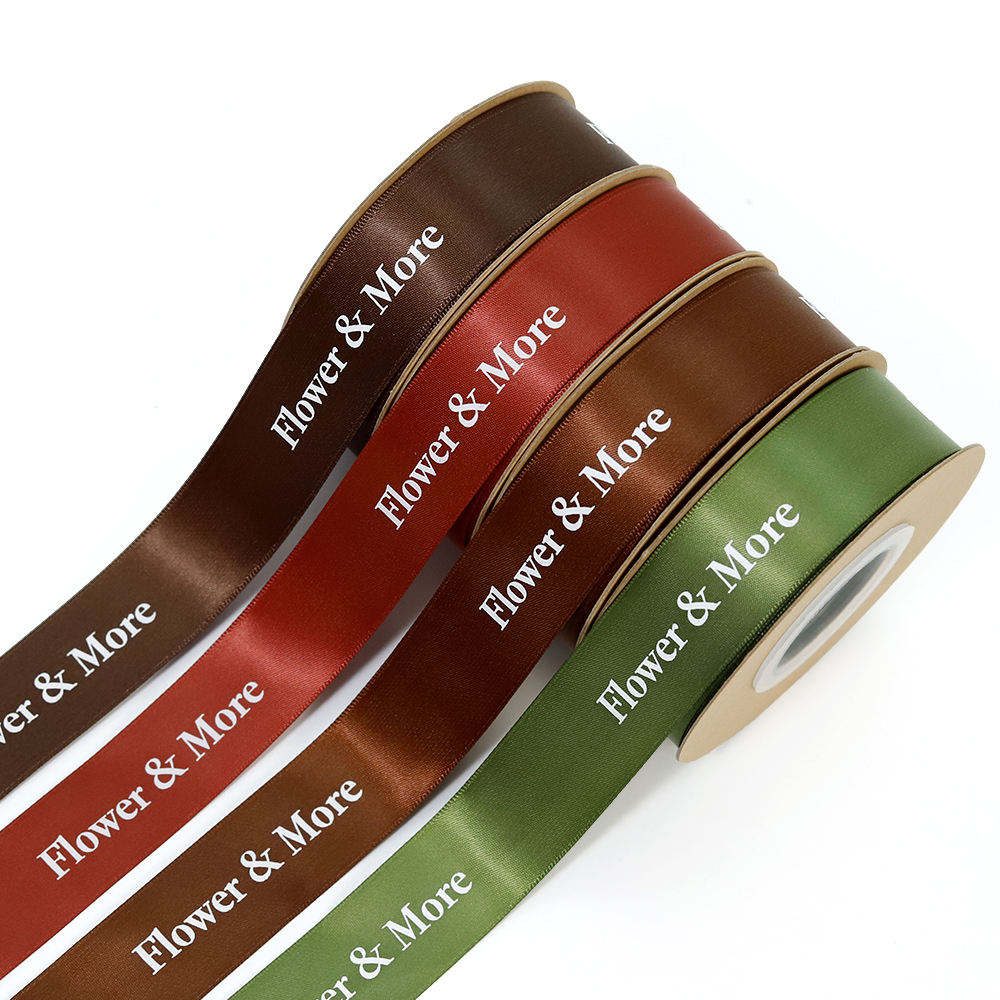
For gift packaging buyers, retail packaging buyers, cosmetics and perfume brands, wine and festive decoration buyers, event accessory companies, award and ceremony organizers, importers, wholesalers, custom printed ribbon bulk becomes expensive when the buyer only compares surface details. A vague spec, missing quote input, weak sample check, or unclear supplier responsibility can change cost, delay approval, or create reorder problems.
Expert note: The Lude Ribbon editorial team works with ribbon manufacturing, sampling, printing, quality control, and export service specialists to create practical B2B buying guides.
This article helps you turn a vague purchase need into clear criteria, specs, risks, and quote inputs. You will see what to check, why it matters commercially, what risk to watch for, and what action to take before quote, sample, or bulk order approval.
What to prepare before RFQ
A bulk printed ribbon RFQ should start with the job file, not with a generic price request. Buyers get cleaner quotes when they send the ribbon substrate, width, base color, artwork, print method preference, total yards, packing style, and delivery window in one package.
Define the requirement and success criteria
Confirm whether the order is a printed ribbon program, a plain stock ribbon purchase, or a custom color or custom width project. Lude Ribbon’s rule is clear: printed ribbon starts at 3,000 yards per design or program; plain stock ribbon starts at 1,500 yards per color; custom colors, custom widths, and non-standard constructions need RFQ confirmation.
| RFQ input | What to send | Why it changes the quote |
|---|---|---|
| Ribbon spec | Material, width, base color, edge, roll length, and total yards. | Controls substrate availability, cutting setup, and stock vs. custom production route. |
| Artwork file | Vector logo, repeat spacing, print color target, and printable area. | Controls print method, plate or screen setup, and sample approval risk. |
| Commercial plan | Order quantity, packing method, destination, and required ship date. | Controls unit cost, production slot, export packing, and delivery planning. |
For textile color references, buyers can align fabric color language with Pantone Color Systems for Textiles before approving a ribbon sample.
Confirm execution details with the factory
Ask the supplier to confirm the workable print process, whether a physical sample is needed, what approval file will be kept for bulk production, and whether the requested date fits a 15-20 business day standard production lead time after specifications are confirmed.
Approve samples and control reorder risk
For repeated retail or event programs, request one controlled approval record: ribbon base, logo placement, color reference, packing method, and approved photo. That record is what prevents a reorder from drifting after the first shipment. Use the custom printed ribbon page when matching the RFQ to the right product route.
Specs that change price and lead time
Price differences usually come from setup and control points, not from the word “custom” itself. The buyer should separate substrate cost, print setup, approval work, packing, and production timing before comparing suppliers.
Material and specification fit
Satin, grosgrain, organza, velvet, metallic, and cotton-style ribbons do not behave the same under ink, heat transfer, or foil. A smooth satin surface can carry sharper logo detail; a ribbed grosgrain surface needs more attention to ink coverage and line thickness. Width also matters because narrow ribbon limits logo height and repeat spacing.
MOQ, cost structure, and lead time
| Order type | Confirmed MOQ rule | Planning note |
|---|---|---|
| Printed ribbon | 3,000 yards per design or program. | Best for logo, brand packaging, event, or retail programs. |
| Plain stock ribbon: 1,500 yards per color from existing inventory colors and widths. | Useful when color and width can match existing stock. | |
| Custom color or width | Confirm by RFQ. | Dyeing, cutting, and construction assumptions must be checked first. |
For packaging print discussions that involve spot color expectations, Pantone’s Extended Gamut guide for packaging is a useful reference, but ribbon approval still needs substrate-specific sampling.
For printed ribbon, plan around 15-20 business days for standard production after specifications are confirmed. Do not compare that with a supplier’s vague sample promise; sampling, artwork correction, and freight are separate planning steps.
Supplier reliability and quality checks
Ask how the supplier checks print registration, color tolerance, roll length, edge quality, and packing labels before shipment. If the design uses metallic effect, compare the print route with foil printed ribbon options instead of assuming every artwork should use the same method.
Artwork and sampling inputs
Artwork quality decides whether a printed ribbon quote is actionable. A supplier cannot accurately judge print method, repeat spacing, or sample risk from a low-resolution logo pasted into an email.
Core specifications to prepare
- Vector artwork, preferred logo height, repeat distance, and whether the logo prints one side or both sides.
- Ribbon material, width, base color, print color target, and any Pantone or physical reference.
- Total order quantity, roll length, packing unit, carton mark, and shipment destination.
Artwork, sample, and packing inputs
For color-critical programs, reference a textile color standard or physical ribbon sample instead of relying only on screen color. Pantone’s textile systems are useful for fabric color discussions, while packaging print color tools support paper and board workflows; the buyer should state which reference controls the final approval.
Supplier information to confirm early
- Which print methods are suitable for the selected ribbon: foil or hot stamping, screen printing, or digital printing.
- What sample or proof will be approved before bulk production.
- Who owns artwork correction if the logo is too small, too detailed, or too close to the edge.
If the quote depends on artwork readiness, send the files through the custom sampling and artwork process before asking for a final production commitment.
Common missing details
Delays often happen because the buyer and supplier quote different assumptions. The visible ribbon may look simple, but production still depends on width, base color, printing, packing, and approval ownership.
Common missing details – Material and specification fit
A request that says only “black ribbon with gold logo” is not enough. The supplier still needs material, width, base color reference, logo size, print color, repeat length, roll length, and whether the ribbon will be tied, bowed, glued, or wrapped around packaging.
Common missing details – MOQ, cost structure, and lead time
Do not ask for a low MOQ and a fixed launch date without showing the design and packing requirement. Printed ribbon starts at 3,000 yards per design or program, while a standard production lead time should be planned as 15-20 business days after specifications are confirmed. If the buyer changes the ribbon width, color, print method, or packing after quotation, the quote may need to be reset.
Common missing details – Supplier reliability and quality checks
Before approving bulk production, confirm what photos, measurements, or inspection records the supplier will share. For gift boxes, cosmetics, bakery, and retail packaging, the ribbon is part of the shelf presentation, so packing consistency and logo alignment matter as much as the ribbon itself. Application pages such as gift and retail packaging ribbon solutions help buyers frame the end use before RFQ.
RFQ checklist before contacting a supplier
Use this checklist before sending the inquiry. It keeps the buyer’s request specific enough for a supplier to quote, sample, and schedule production without repeated clarification.
RFQ checklist before contacting a supplier – Define the requirement and success criteria
- Name the ribbon material, width, base color, printed color, and final use case.
- Attach vector artwork and state logo height, repeat spacing, and one-side or two-side print.
- Confirm whether the order is printed ribbon, stock plain ribbon, custom color, custom width, flower, rosette, or sash.
RFQ checklist before contacting a supplier – Confirm execution details with the factory
- Ask which print method fits the artwork and substrate: foil, hot stamping, screen, or digital.
- Ask the supplier to state the applicable MOQ rule and whether any non-standard color or width needs RFQ confirmation.
- Confirm the standard production planning window of 15-20 business days after specifications are confirmed.
RFQ checklist before contacting a supplier – Approve samples and control reorder risk
- Approve a physical sample or controlled production proof before bulk release when color, logo, or finish is critical.
- Keep the approved artwork, color target, ribbon spec, packing method, and inspection notes in one reorder file.
- Review related ribbon resources when building a repeatable purchasing checklist for future programs.
Conclusion
Bulk custom printed ribbon is easiest to quote when the buyer treats the order as a controlled production program. Start with the ribbon spec, artwork file, color target, MOQ route, packing method, and approval responsibility. Then compare suppliers by their ability to confirm the print method, sample record, QC checks, and 15-20 business day production plan after specifications are confirmed.
If the project is logo ribbon, brand packaging, event ribbon, or retail ribbon, use the 3,000-yard printed ribbon MOQ as the planning baseline and confirm any custom color or custom width requirement by RFQ before committing to launch timing.
FAQs About Bulk Custom Printed Ribbon
What MOQ should I expect for printed ribbon?
For Lude Ribbon planning, printed ribbon starts at 3,000 yards per design or program, and plain stock ribbon starts at 1,500 yards per selected color. Custom colors, custom widths, and other non-standard details should be confirmed by RFQ.
How long should I plan for production?
Use 15-20 business days as the standard production lead time after specifications are confirmed. Artwork correction, sample approval, holidays, and freight planning can add time, so buyers should not treat production lead time as the full landed delivery schedule.
Which print methods can be used?
Mainstream ribbon printing methods can be discussed, including foil or hot stamping, screen printing, and digital printing. The right method depends on ribbon material, artwork detail, color target, quantity, and approval risk.
What files make a quote faster?
Send vector artwork, ribbon width, material, base color, print color, repeat spacing, quantity, packing method, and destination. If the color is important, provide a Pantone reference or physical sample.
Keep exploring
Recommended buyer guides
 Satin Ribbon MOQ Planning for Custom Orders Cost Checklist
What drives custom satin ribbon MOQ and pricing? Check MOQ, setup fees, unit cost, and packing before you…
Explore guide
Satin Ribbon MOQ Planning for Custom Orders Cost Checklist
What drives custom satin ribbon MOQ and pricing? Check MOQ, setup fees, unit cost, and packing before you…
Explore guide
 Organza Ribbon MOQ Planning for Custom Orders Cost Checklist
Break down Organza Ribbon MOQ Planning for Custom Orders Cost Checklist costs: MOQ, setup fees, unit cost, and…
Explore guide
Velvet Ribbon MOQ Planning for Custom Orders Cost Checklist
What drives Velvet Ribbon MOQ Planning for Custom Orders Cost Checklist pricing? Check MOQ, setup fees, unit cost,…
Explore guide
Organza Ribbon MOQ Planning for Custom Orders Cost Checklist
Break down Organza Ribbon MOQ Planning for Custom Orders Cost Checklist costs: MOQ, setup fees, unit cost, and…
Explore guide
Velvet Ribbon MOQ Planning for Custom Orders Cost Checklist
What drives Velvet Ribbon MOQ Planning for Custom Orders Cost Checklist pricing? Check MOQ, setup fees, unit cost,…
Explore guide
 Custom Ribbon RFQ Checklist: Specs to Prepare Before Requesting a Price
A complete custom ribbon RFQ needs material, width, print method, color spec, quantity per SKU, and packing, so…
Explore guide
Custom Ribbon RFQ Checklist: Specs to Prepare Before Requesting a Price
A complete custom ribbon RFQ needs material, width, print method, color spec, quantity per SKU, and packing, so…
Explore guide
Leave a comment
Share a sourcing question or feedback on this guide. The Lude team reviews submissions before following up.