


Grosgrain Ribbon MOQ Planning for Custom Orders Cost Checklist
Break down Grosgrain Ribbon MOQ Planning for Custom Orders Cost Checklist costs: MOQ, setup fees, unit cost, and packing. Know the real price drivers
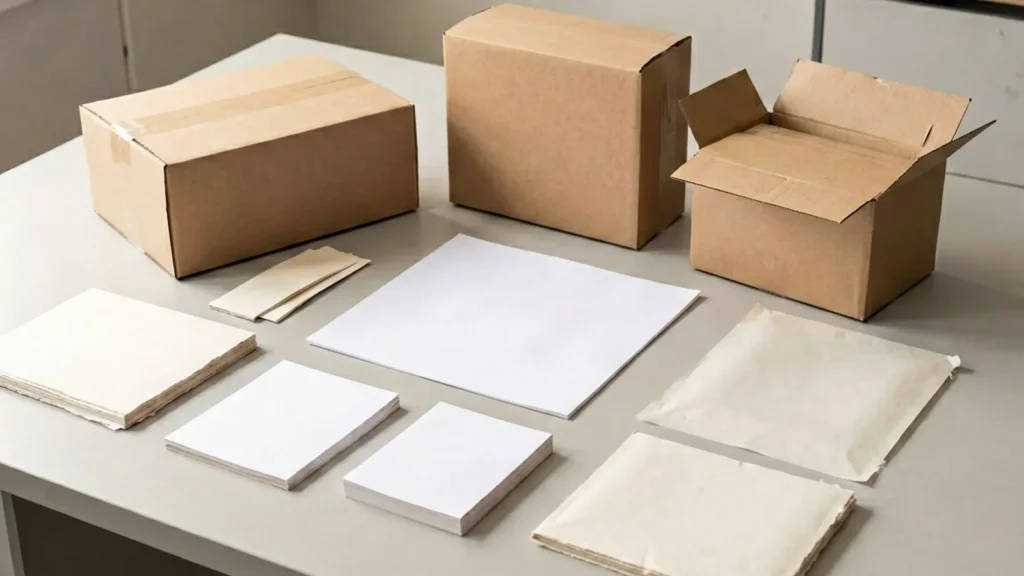
Grosgrain MOQ is driven by loom setup as much as by dye lot, which is why a width change can cost as much as a color change.
Direct answer: For grosgrain ribbon MOQ planning for custom, buyers should prepare quote-ready specifications before contacting suppliers.
Define the Buyer Decision for Grosgrain Ribbon MOQ Planning for Custom Orders
Compare the decision criteria for grosgrain ribbon minimum order against one RFQ revision. Each row should identify the requirement, approval evidence, and buyer action before production.
| Requirement | Factory control | Evidence to verify | Order risk | RFQ follow-up |
|---|---|---|---|---|
| Sample approval | Factory holds production until signed sample is returned | Compare production sample against approved reference and QC report | Order shipped without final approval leads to rejection | Request a sealed sample and sign the approval form before production |
| MOQ and order quantity | Factory confirms MOQ by material, print, width, and packing | Request a written MOQ breakdown per SKU in the RFQ | Under-ordering triggers re-run charges or delayed delivery | Verify MOQ tiers and negotiate split shipments if needed |
| Lead time after approval | Factory starts clock only after all specs and sample are confirmed | Check the production schedule and shipping window in the order acknowledgment | Lead time quoted without approval gate causes missed launch dates | Document the approval date and confirm the production start in writing |
For grosgrain ribbon minimum order, use the decision criteria as the decision scope. Read the rows as one approval sequence. Start with sample approval; use the risk and buyer-action columns to decide whether its evidence is sufficient. Verify it with the inspection method and approval evidence recorded in the table.
For this grosgrain ribbon minimum order sourcing record, keep the supplier response, marked sample, and approval owner under the same revision number. If any proof conflicts with the approved record, hold the quote, sample, or production release until the supplier explains the deviation in writing. Before closing the checkpoint, reconcile the latest drawing, sample, quotation, and approval comments, identify which record controls if they disagree, and document the resolution. Carry the signed the decision criteria table into the purchase order and production handoff so the same checks support quote comparison, sample approval, shipment release, and later reorders.
Material and specification cost drivers
Material grade, width tolerance, and dye lot consistency directly affect per-yard pricing for custom grosgrain ribbon. Buyers should request a spec sheet listing yarn type, weave density, and finish treatment. Any deviation from the agreed substrate may shift the minimum order or require a new sample run. Confirming these parameters before quoting prevents cost surprises.
Customization, setup, and MOQ impact
Setup charges for custom printing, color matching, or jacquard patterns often raise the effective minimum order. Each customization variable—ink colors, repeat length, or edge finish—adds a setup fee that the supplier amortizes across the order. Buyers should ask for a separate line item for tooling or plate costs. Combining multiple designs into one production run can lower per-unit minimum order.
Hidden risks in quotes and delivery
Quotes may exclude artwork revision fees, sample courier costs, or partial shipment surcharges. Delivery dates often assume immediate approval, so any delay in sign-off shifts the lead time. Buyers should verify that the quoted price includes all pre-production steps and that the supplier provides a binding delivery window. A written confirmation of these terms reduces last-minute disputes.
Questions to confirm before ordering:
For grosgrain ribbon minimum order, treat the listed items as RFQ inputs. Match each buyer input to written supplier confirmation, approval evidence, and the risk that would hold the quote.
- Specify material type, width, and print method before RFQ: Drives cost per yard and supplier capability fit the buyer-confirmed requirement grosgrain with recessed print Incorrect quote or unfeasible production run Confirm with supplier's technical spec sheet
- Confirm minimum order by material, color, and print method: Separate MOQs per spec variant; combined orders may reduce the total quantity per color or print method Unexpected per-variant minimums inflate cost Request written minimum order breakdown per spec
- Verify quality control plan for color and print registration: Rejects at receiver stage delay production Supplier uses the agreed sampling plan for shade variation Off-spec product delivered Require sample approval before bulk
- Document approval risk with sign-off gate for each spec change: Unapproved changes cause scrap and rework Width change after sample sign-off triggers new minimum order review Shipment of wrong material Set written change order protocol
The base material grade, width tolerance, and print coverage directly affect both unit cost and supplier minimum order. A wider ribbon or full-coverage print increases waste and setup time. Buyers should request a cost breakdown by spec component to identify which variable drives the minimum order quantity.
Custom colors, engraved logos, or special packaging require additional setup and tooling, which suppliers generally amortize across the first production run. This setup cost is often the real floor for minimum order, not the material itself. Ask for the setup charge and the number of units it covers before committing to a volume.
Delivery lead times quoted without confirmed spec changes or sample approval can misalign with your schedule. Also, incomplete quotes may omit mold charges, color matching fees, or split minimum order penalties. Cross-check each line item against the agreed spec matrix and request a dated quote validity period.
Confirm Product and Order Scope
| Cost driver | What changes it | Quote signal | Risk to avoid | Buyer action |
|---|---|---|---|---|
| Substrate weight and width tolerance | Heavier grosgrain ribbon or tighter width tolerance increases material waste and machine setup time. | Quote lists a separate surcharge for non-standard width or weight. | Under-specified tolerance can cause rejection at QC for width variation. | Confirm the exact GSM and width tolerance with the supplier before RFQ submission. |
| Print method and color count | Rotary screen or digital print changes plate cost; each additional color adds a setup fee. | Quote itemizes plate charges per color and print method. | Unbudgeted artwork revision fees inflate total cost after order placement. | Request a print method comparison and artwork revision fee schedule in writing. |
| MOQ or order quantity | Higher quantity spreads setup cost across more yards; lower quantity triggers a short-run premium. | Quote shows a tiered per-yard price break at specific order volumes. | Ordering below the supplier's economic run risks delayed production or partial shipment. | Verify the MOQ by material, print method, and packing, and negotiate a trial quantity if needed. |
| Lead time and sample approval cycle | Standard production is 15–20 business days after spec confirmation; artwork review and sample courier add days. | Quote states production lead time separately from artwork approval and shipping. | Skipping sample approval can result in bulk goods that fail color or print match. | Document the sample approval gate and add buffer days for courier and revision rounds. |
| Packing and unit configuration | Individual polybagging, inner boxes, or custom roll lengths increase handling and material cost. | Quote includes a packing specification line with per-unit packing cost. | Non-standard packing may cause damage during transit or incur extra freight charges. | Confirm the packing method and request a packing cost breakdown before order confirmation. |
For substrate weight and width tolerance, a poor decision can mean under-specified tolerance can cause rejection at qc for width variation. Request written proof and compare it with the approved sample or specification, then confirm the exact gsm and width tolerance with the supplier before quote request submission.
For the substrate weight and width tolerance checkpoint, keep the supplier response, marked sample, approved specification, quotation, and approval owner under the same revision number. If the evidence conflicts with the approved record, hold the quote, sample, or production release until the deviation is explained in writing. Carry the signed decision record into the purchase order, production handoff, shipment release, and later reorder review so every team works from the same baseline.
Decision criteria to confirm
Before you commit to a custom grosgrain ribbon order, verify that the substrate weight, width tolerance, and print method match your end-use requirements. A mismatch here can cause registration failure or packaging fit issues. Confirm these specs in writing with the supplier before requesting a quote.
RFQ details to send
When you prepare the quote request, include exact width, GSM, print method, and order quantity. Suppliers use these inputs to calculate per-yard cost and minimum order. Missing details force the supplier to assume, which often leads to a higher quote or a later change order. Attach a spec sheet if available.
Production handoff details
Once the quote request is approved, document the approved sample, artwork proof, and packing instructions in a production handoff document. This prevents the factory from interpreting specs differently. A signed proof and a physical sample of the grosgrain ribbon should accompany the purchase order to the production team.
quote request checkpoint
Build the Verification Checklist
- No sample approval record exists before bulk production. Without an approved sample, the bulk run may mismatch color, print registration, or substrate weight, leading to full order rejection. Require a written sample approval gate in the order timeline. Do not authorize production until the sample is signed off. A dated and signed sample approval form or email thread confirming the sample matches the approved artwork. Document the sample approval record in your order file and share it with the QC team.
- Supplier cannot verify the minimum order for the chosen print method and width. minimum order may change after artwork setup, causing unexpected cost increases or order delays for custom printed ribbon. Ask the supplier to confirm the minimum order by material, print method, width, and packing in writing before any deposit. A written quote request response that lists the minimum order per SKU with the conditions for reorder and split shipments. Compare the confirmed minimum order against your planned order quantity and negotiate if the minimum order exceeds your budget.
- No color match standard is defined for the custom printed ribbon. Color variation between sample and bulk can make the ribbon unusable for branded packaging or event use. Define a color tolerance (e.g., buyer-approved color tolerance) and require the supplier to use a spectrophotometer for verification. A color measurement report from the supplier's QC lab for the approved sample and first production run. Include the color tolerance clause in the purchase order and request a pre-shipment color check report.
- Supplier has no documented QC process for grosgrain ribbon defects. Defects like frayed edges, uneven dye, or print misalignment may pass through without inspection, causing customer complaints. Ask for a QC checklist that covers visual inspection, width measurement, and print registration for every roll. A copy of the supplier's QC checklist or a third-party inspection report from a recent similar order. Schedule a pre-shipment inspection or request photos of QC checks before the order is shipped.
Compare Quote and Production Assumptions
The main failure mode for grosgrain ribbon minimum order is approval before the supplier has resolved the listed evidence gaps.
- Does the supplier's equipment handle the exact width and substrate weight for custom grosgrain ribbon? A mismatch between your spec and the factory's loom or slitter capability causes rejects or renegotiated minimum order. Supplier provides a capability sheet listing width range, GSM tolerance, and print method compatibility. Approved sample may not match bulk production if equipment limits are undisclosed. Request a capability statement and compare to your quote request spec before sample approval.
- What verification method does the supplier use to confirm color and substrate consistency across the production run? Without a documented QC checkpoint, color drift or substrate variation can pass unnoticed until final inspection. Supplier describes an inline color measurement or lab dip approval gate with pass/fail criteria. Rejected rolls at final inspection delay delivery and increase total cost. Include the verification method as a required field in the quote request and sample approval form.
- Is the minimum order per color, per design, or per total order for custom grosgrain ribbon? A supplier may state a low total minimum order but require a high minimum per SKU, inflating your commitment. Supplier breaks out minimum order by material, print method, width, and packing, and confirms it is negotiable per schedule. Unexpected per-SKU minimums lock capital into slow-moving inventory. Document the minimum order breakdown by SKU in the quote request and confirm it before placing the order.
- What cost drivers are itemized in the quote beyond the unit price for custom grosgrain ribbon? Setup, artwork, sample shipping, and color match fees can sharply raise the effective cost per roll if not quoted upfront. Quote lists all one-time and recurring charges with clear triggers (e.g., artwork revision, re-sample). Hidden cost drivers erode margin and complicate budget approval. Compare itemized cost drivers across at least two quotes and flag any missing line items.
- How does the supplier handle approval risk for artwork and sample sign-off before production? Unclear approval gates lead to production starting on unapproved artwork, causing rework and delays. Supplier provides a written approval workflow with deadlines, revision limits, and a final sign-off step. Production begins on outdated artwork, and you absorb the cost of re-cutting and re-shipping. Define the approval workflow in the purchase order and require a written sign-off before production release.
Run the Review Before Approval
At this process checkpoint, you must have a confirmed quote request revision that includes all agreed-upon grosgrain ribbon specifications and minimum order terms. Before moving to sample production, verify each requirement against the supplier’s latest quote.
Questions to send back to the supplier
- What is the confirmed width tolerance for the grosgrain ribbon? Request a written guarantee within the range you specified.
- Does the minimum order apply per color or per design? Clarify if you can combine multiple colors to meet the minimum.
- What is the exact cost per unit at the agreed minimum order? Ask for a line-item breakdown including any setup or tooling fees.
- How will the supplier handle defects or color variation? Request a quality acceptance criteria document.
- What is the lead time from sample approval to bulk shipment? Confirm it aligns with your production schedule.
When to revise, escalate, or reject
If the supplier cannot provide written confirmation on any of the above questions, revise the quote request to close the gap. Escalate to a supervisor if the supplier refuses to commit to a tolerance or cost guarantee. Reject the quote if the minimum order or unit price exceeds your budget by more than an agreed threshold, or if the supplier cannot meet your quality standards.
Use the table below to document your review findings before approving the order.
| Requirement | Supplier Response | Status |
|---|---|---|
| Width tolerance | Confirmed within agreed range | Pass |
| MOQ per color/design | Combined colors allowed | Pass |
| Cost per unit at MOQ | Line-item provided | Pass |
| Quality acceptance criteria | Document received | Pass |
| Lead time from sample approval | Aligned with schedule | Pass |
After passing this review, proceed to sample handoff with a signed quote request and clear specification sheet. No bulk production should start without a confirmed sample approval record.
Move from Review to RFQ or Sample
The main failure mode for grosgrain ribbon minimum order is approval before the supplier has resolved the listed evidence gaps. The control is a structured quote request or sample request that includes all required inputs and ownership sign-off. According to the Lude Ribbon editorial team, who create practical B2B ribbon and bow buying guides, this structured approach prevents costly rework.
Inputs to include in the next message
- Specifications: ribbon width, color, weave, and material composition as defined in the review.
- Cost parameters: target price per unit and acceptable range based on the agreed minimum order.
- Production risk evidence: dye lot approval, weave consistency, and any previous quality issues.
- Factory execution details: quality control documentation and sample approval process steps.
Ownership and sign-off for the next gate
Each input requires a designated owner who signs off before the quote request or sample is sent. The following table outlines the sign-off matrix for the next gate.
| Input | Owner | Sign-off Required |
|---|---|---|
| Specifications | Design Engineer | Yes |
| Cost Parameters | Procurement Lead | Yes |
| Production Risk | Quality Manager | Yes |
| Factory Execution | Operations Manager | Yes |
After sign-off, the quote request or sample request moves to the supplier with clear ownership. This step ensures that the buyer is not acting on incomplete evidence, mirroring the best practices from satin ribbon procurement as well.
In conclusion
The sourcing choice for grosgrain ribbon minimum order ultimately comes down to how thoroughly you compare the specification, cost, and lead time against the supplier’s documented capabilities. Before you shortlist a supplier, verify that the material, print method, width, packing, and order schedule are all confirmed in writing, and document your review findings to avoid approval gaps. A signed sample approval form and corresponding QC report serve as the final checkpoint, ensuring the supplier can deliver on the agreed minimum order without hidden risk. Once these checks are complete, you can confidently request a quote and move the order to sample handoff with a clear owner for each input.
To request a quote for grosgrain ribbon minimum order, use MOQ and lead time to confirm the final specification, quote assumptions, sample approval, QC evidence, approval risk, and supplier follow-up before bulk order.
Grosgrain Ribbon MOQ Planning for Custom Orders FAQ
What should buyers confirm first?
It depends on confirming the exact material, print method, width, packing, and order schedule, as these variables directly impact the minimum order. Check that the supplier provides a written specification sheet covering all these parameters, and compare the cost per unit against the total order volume to ensure the minimum order aligns with your budget. Ask how QC will check the sample, color, finish, packing, and bulk order.
Which proof should be retained for approval and reorders?
Retain a signed sample approval form and the corresponding QC report that documents color, width, and weave consistency against the approved reference. For reorders, keep the original quote request revision and the sample approval record to ensure the supplier reproduces the same specification without deviation. Confirm minimum order and order quantity by color, width, artwork, and packing route. Ask for a sample, specification confirmation, or QC evidence before approval.
Which warning signs should stop the order?
Stop the order if the supplier cannot provide a written minimum order breakdown by material and print method, or if they refuse to produce a pre-production sample for color and width verification. Also halt if the lead time quoted exceeds the standard production window after specifications are confirmed, as this signals potential capacity or quality control issues.
Keep exploring
Recommended buyer guides
 Satin Ribbon MOQ Planning for Custom Orders Cost Checklist
What drives custom satin ribbon MOQ and pricing? Check MOQ, setup fees, unit cost, and packing before you…
Explore guide
Satin Ribbon MOQ Planning for Custom Orders Cost Checklist
What drives custom satin ribbon MOQ and pricing? Check MOQ, setup fees, unit cost, and packing before you…
Explore guide
 Organza Ribbon MOQ Planning for Custom Orders Cost Checklist
Break down Organza Ribbon MOQ Planning for Custom Orders Cost Checklist costs: MOQ, setup fees, unit cost, and…
Explore guide
Velvet Ribbon MOQ Planning for Custom Orders Cost Checklist
What drives Velvet Ribbon MOQ Planning for Custom Orders Cost Checklist pricing? Check MOQ, setup fees, unit cost,…
Explore guide
Organza Ribbon MOQ Planning for Custom Orders Cost Checklist
Break down Organza Ribbon MOQ Planning for Custom Orders Cost Checklist costs: MOQ, setup fees, unit cost, and…
Explore guide
Velvet Ribbon MOQ Planning for Custom Orders Cost Checklist
What drives Velvet Ribbon MOQ Planning for Custom Orders Cost Checklist pricing? Check MOQ, setup fees, unit cost,…
Explore guide
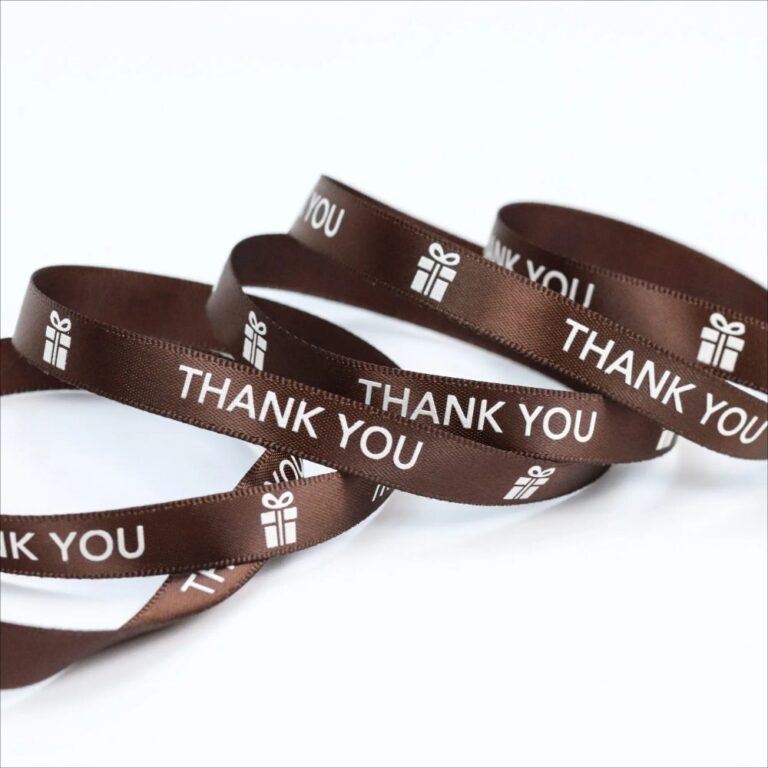 Custom Ribbon RFQ Checklist: Specs to Prepare Before Requesting a Price
A complete custom ribbon RFQ needs material, width, print method, color spec, quantity per SKU, and packing, so…
Explore guide
Custom Ribbon RFQ Checklist: Specs to Prepare Before Requesting a Price
A complete custom ribbon RFQ needs material, width, print method, color spec, quantity per SKU, and packing, so…
Explore guide
Leave a comment
Share a sourcing question or feedback on this guide. The Lude team reviews submissions before following up.