


Foil Stamp Fading on Ribbon: Root Causes & Fixes
Evidence and specification note: Color targets, tolerances, test methods, documentation, acceptance criteria, and remedies must be confirmed for the quoted material and written into the approved sample, specification, and sales agreement. General scenarios in this article are not guaranteed production results. Pricing and example note: Current pricing is quoted to specification. Material, width, color, decoration,…
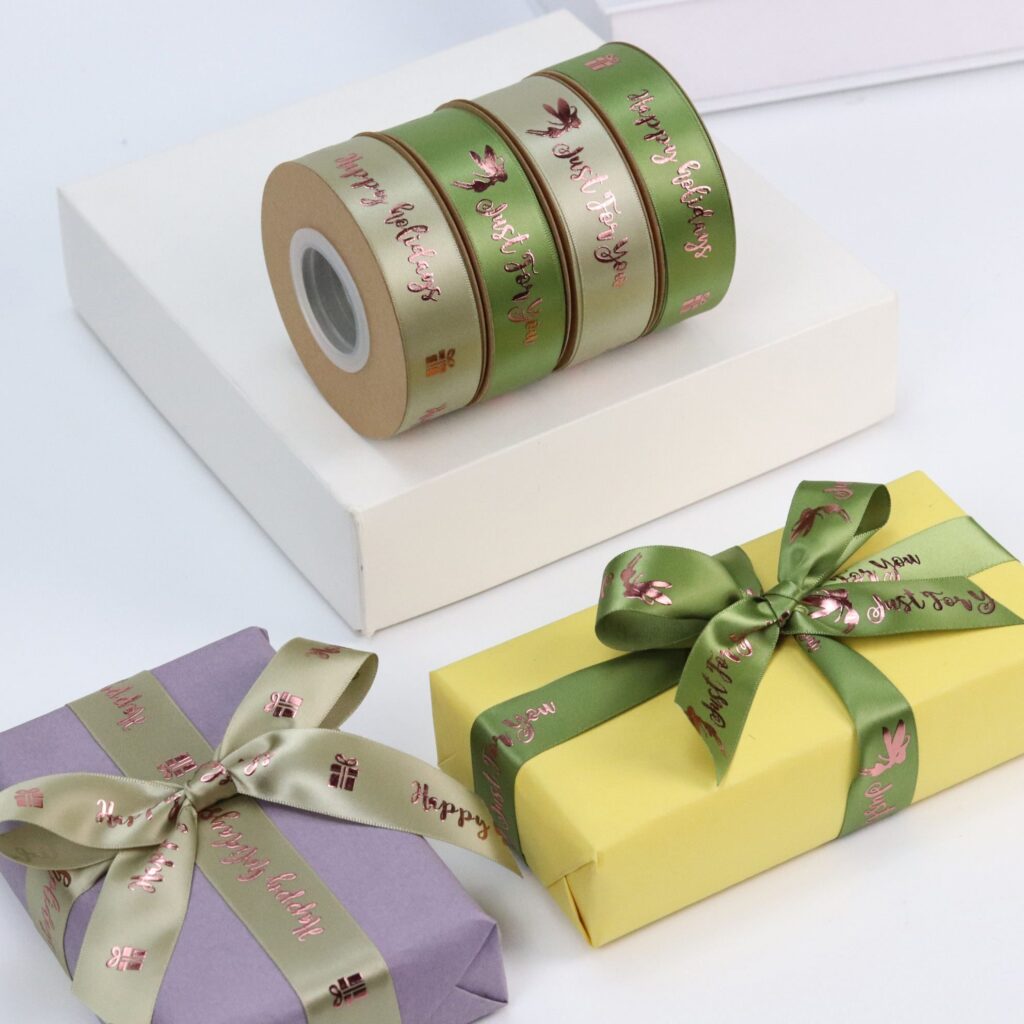
Foil stamp fading on ribbon is the kind of problem that shows up after the shipment lands. A luxury cosmetics brand opens a container of 10,000 finished gift boxes, and the gold logo on the satin ribbon is already dull. The procurement manager who signed off on that order now has a launch delay, a chargeback from the retailer, and a supplier who blames the shipping environment. That scenario repeats across the industry because many buyers never see the machine settings that control foil adhesion.
State the buyer-approved method, conditions, repetitions where applicable, acceptance criteria, date, and sample or lot result.

Why Foil Stamp Fading Ruins Luxury Packaging
Foil stamp fading is a brand integrity failure, not a production defect.
For luxury cosmetics brands, a gold foil logo that peels off a satin ribbon after one box opening signals poor quality to the consumer. The packaging is the first physical touchpoint — if the foil flakes, the buyer assumes the product inside is equally compromised. This isn’t a minor blemish; it triggers returns, chargebacks, and long-term brand erosion. Current pricing is quoted after the material, width, decoration, quantity, packing, delivery terms, and destination are confirmed.
State the buyer-approved method, conditions, repetitions where applicable, acceptance criteria, date, and sample or lot result.
- State the buyer-approved method, conditions, repetitions where applicable, acceptance criteria, date, and sample or lot result.
- State the buyer-approved method, conditions, repetitions where applicable, acceptance criteria, date, and sample or lot result.
- Substrate compatibility: 100% polyester satin accepts heat-activated adhesive. Blended or coated fabrics may require a different foil type.
- State the buyer-approved method, conditions, repetitions where applicable, acceptance criteria, date, and sample or lot result.
The color target, measurement method, lighting conditions, and acceptance tolerance are confirmed against the buyer-approved sample and written specification.
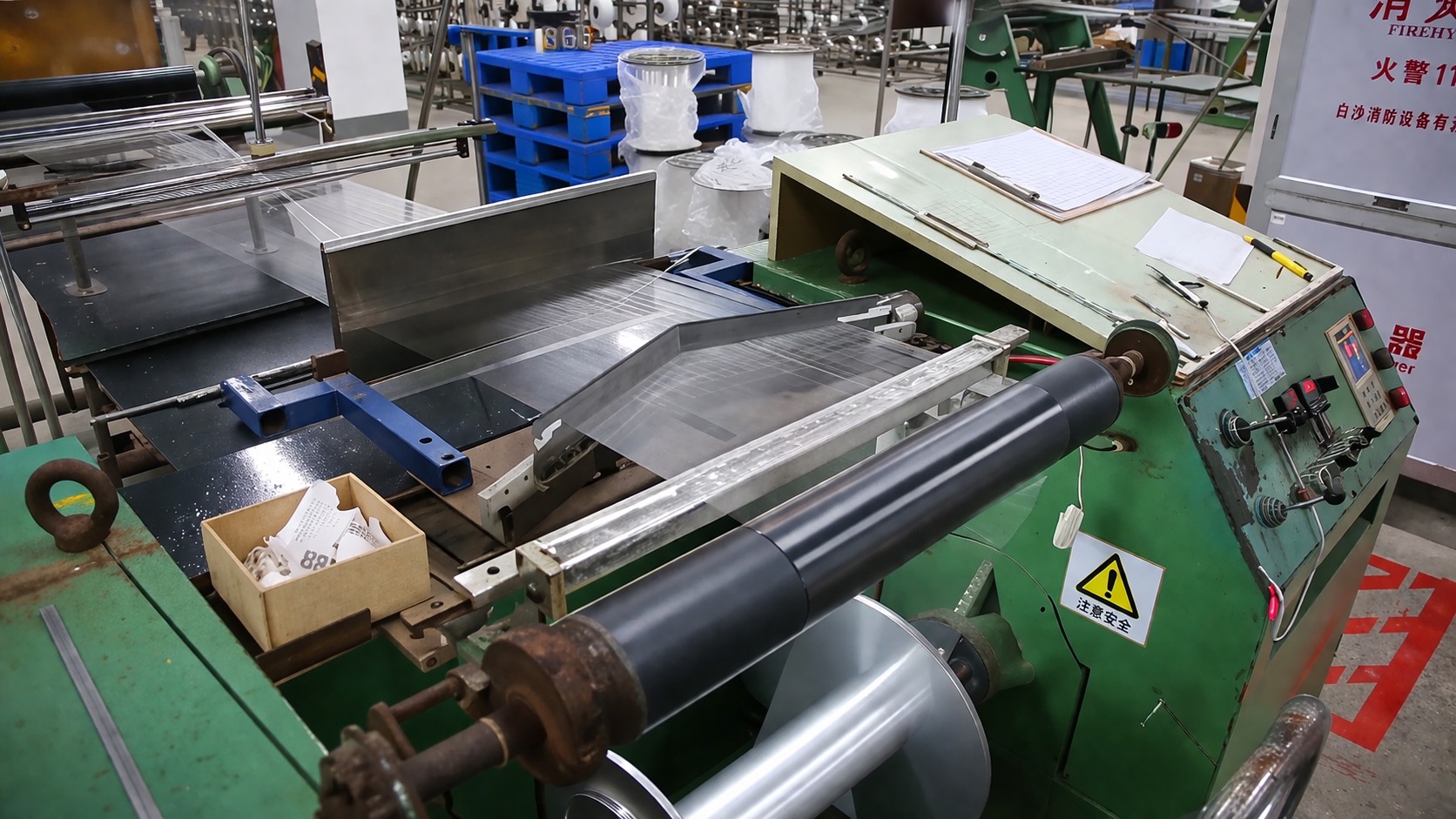
Real Cost of Faded Foil
Any cost, discount, or savings must be calculated from the dated quotation and the buyer’s approved specification.
Physical sample approval can reduce mismatch and rework risk; use the signed sample, written specification, and dated production records as the control evidence.
- Foil and adhesive requirements depend on the construction, use and target market. Request applicable composition or test evidence; an OEKO-TEX article certificate is not a universal import-compliance baseline. Pricing is quoted after material, width, decoration, quantity, packing, delivery terms and destination are confirmed.
- Require a dated sample or production-lot record that identifies the material, method, conditions, acceptance criteria, result, and approver.
Define the buyer-approved acceptance criteria and verify the selected material with a dated sample or production-lot record.

Foil Stamping vs. Screen Printing: Which Lasts Longer?
State the buyer-approved method, conditions, repetitions where applicable, acceptance criteria, date, and sample or lot result.
Screen printing embeds pigment into the polyester fiber. It survives folding, rubbing, and repeated handling without visible loss. The trade-off is a flat, non-reflective finish. For applications where the ribbon is handled frequently — award rosettes, badge ribbons, or packaging that gets opened and closed — screen printing is the mechanically safer choice.
State the buyer-approved method, conditions, repetitions where applicable, acceptance criteria, date, and sample or lot result.
- State the buyer-approved method, conditions, repetitions where applicable, acceptance criteria, date, and sample or lot result.
- State the buyer-approved method, conditions, repetitions where applicable, acceptance criteria, date, and sample or lot result.
- Require a dated sample or production-lot record that identifies the material, method, conditions, acceptance criteria, result, and approver.
For luxury cosmetics packaging — where the ribbon is touched once, briefly, under controlled conditions — foil stamping that passes a rub test on the approved sample is the right choice. For any application involving repeated friction, folding, or laundering, screen printing will outlast foil by a wide margin. The decision is not about which method is ‘better.’ It is about matching the print method to the handling environment.
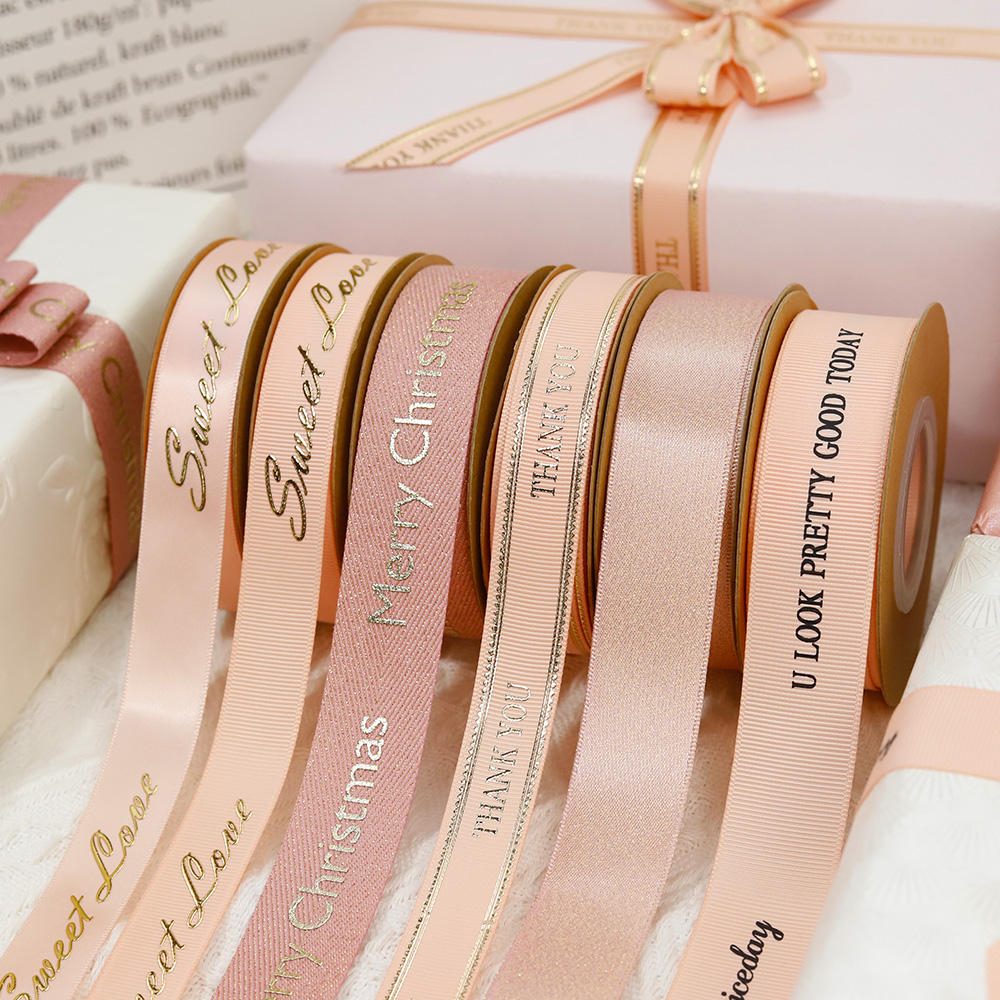
How to Source Foil-Printed Ribbon Without Fading
Three verifiable controls eliminate many foil-fading disputes.
Require a dated sample or production-lot record that identifies the material, method, conditions, acceptance criteria, result, and approver.
Process capability should be evaluated on the selected material using a dated test method, documented acceptance criteria, and the approved sample result.
- State the buyer-approved method, conditions, repetitions where applicable, acceptance criteria, date, and sample or lot result.
- Dwell time calibration: Each material — polyester satin, grosgrain, organza — requires a specific dwell time. A one-second deviation on a 40mm satin ribbon can mean the difference between a bonded logo and foil that flakes on the first fold.
- Spectrophotometer verification: A buyer-approved ΔE tolerance ensures the foil color matches the Pantone standard within a range invisible to the human eye.
Setup, tooling, artwork, and sample costs are quoted after the selected process and order specification are reviewed. Buyers who insist on these three benchmarks reduce the dispute risk.
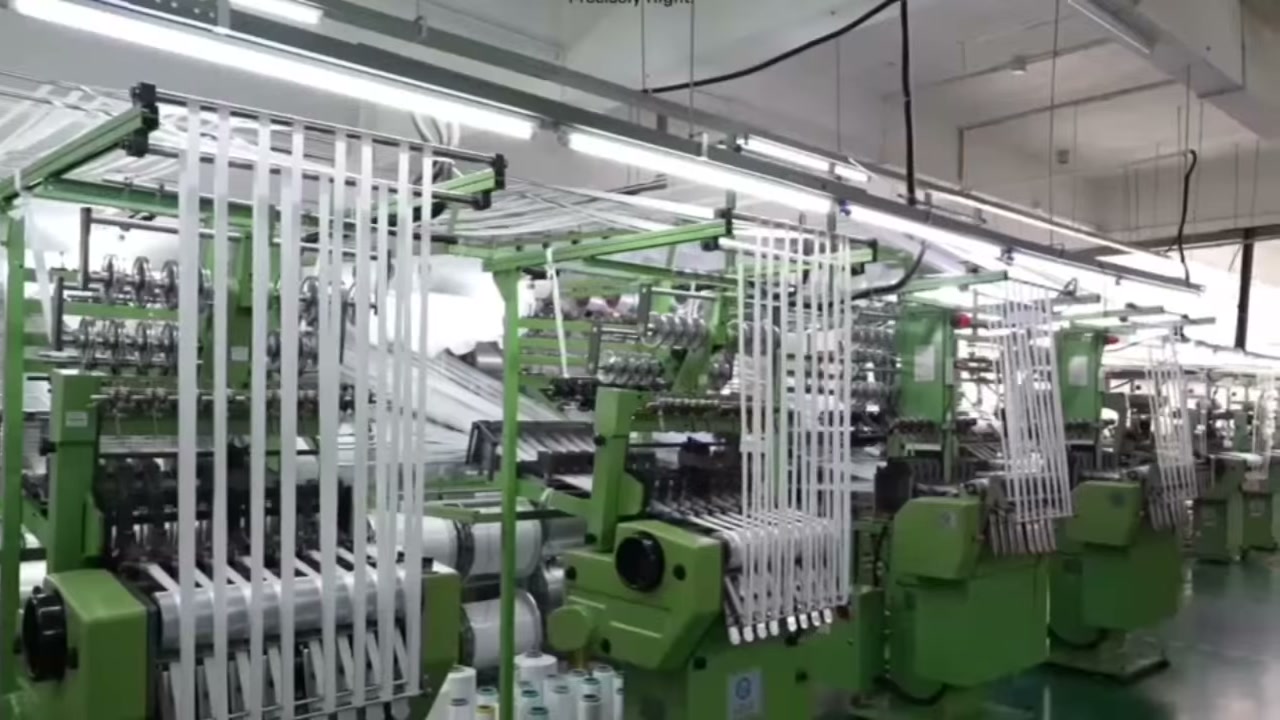
Red Flags in Foil Ribbon Supplier Quotes
Current pricing is quoted after the material, width, decoration, quantity, packing, delivery terms, and destination are confirmed.
Pricing differences among materials, widths, print methods, quantities, and packing must be calculated from dated quotations for the same approved specification.
- Low Cost Signal: Current pricing is quoted after the material, width, decoration, quantity, packing, delivery terms, and destination are confirmed. Low-grade foil can bond only to the surface and peel off under friction or humidity. The supplier avoids mentioning the Crockmeter test because the result would fail.
- State the buyer-approved method, conditions, repetitions where applicable, acceptance criteria, date, and sample or lot result.
- ΔE Tolerance Gap: A supplier that cannot provide a ΔE report with the sample cannot show which tolerance it works to. Always request the machine brand and calibration date.
- Require a dated sample or production-lot record that identifies the material, method, conditions, acceptance criteria, result, and approver.
Veteran buyers treat the unit price as the least important variable. The real cost is the defect rate. Any cost, discount, or savings must be calculated from the dated quotation and the buyer’s approved specification. Current pricing is quoted after the material, width, decoration, quantity, packing, delivery terms, and destination are confirmed.
Conclusion
State the buyer-approved method, conditions, repetitions where applicable, acceptance criteria, date, and sample or lot result.
Review the technical specs for foil-printed ribbon options.
Frequently Asked Questions
How to gold foil on ribbon?
Gold foil is applied to ribbon using a heated die and pressure to transfer a metallic layer onto the substrate. Request a physical sample to verify foil adhesion before bulk production.
Is foil stamping expensive?
Pricing differences among materials, widths, print methods, quantities, and packing must be calculated from dated quotations for the same approved specification.
What are common hot foil stamping problems?
State the buyer-approved method, conditions, repetitions where applicable, acceptance criteria, date, and sample or lot result.
What adhesive do you use for gold foil?
Industrial gold foil stamping uses a heat-activated adhesive that is pre-coated on the foil roll, not a separate liquid glue. This adhesive bonds into the ribbon fiber when heated. Confirm the foil type and substrate compatibility with your ribbon manufacturer before ordering.
Can you fix foil stamp fading on an existing ribbon?
No, foil stamp fading on finished ribbon cannot be reliably fixed because the adhesive bond has already failed at the fiber level. Prevent fading by requiring a physical sample and mid-production inspection on your next order.
Keep exploring
Recommended buyer guides
 Pre-Tied Bows for Retail Packaging: When They Reduce Labor and Rework
See when pre-tied bows reduce retail packaging labor, improve consistency, and simplify bulk packing, SKU planning, and reorders
Explore guide
Pre-Tied Bows for Retail Packaging: When They Reduce Labor and Rework
See when pre-tied bows reduce retail packaging labor, improve consistency, and simplify bulk packing, SKU planning, and reorders
Explore guide
 Velvet Ribbon Wholesale Checklist: MOQ, Finish, and Supplier Questions
Evaluate velvet ribbon wholesale options: MOQ, setup fees, unit cost, and packing. Narrow the list before requesting samples…
Explore guide
Velvet Ribbon Wholesale Checklist: MOQ, Finish, and Supplier Questions
Evaluate velvet ribbon wholesale options: MOQ, setup fees, unit cost, and packing. Narrow the list before requesting samples…
Explore guide
 Wholesale Custom Ribbon with Logo: Specs, Roll Length, and RFQ Checks
Step-by-step: Custom Ribbon With Logo. Check artwork files, print method, color target, and sample approval to avoid delays,…
Explore guide
Wholesale Custom Ribbon with Logo: Specs, Roll Length, and RFQ Checks
Step-by-step: Custom Ribbon With Logo. Check artwork files, print method, color target, and sample approval to avoid delays,…
Explore guide
 Wholesale Ribbon By The Roll: Roll length and inventory planning
Evaluate Wholesale Ribbon By The Roll options: factory capability, QC proof, lead time, and reorder reliability. Narrow the…
Explore guide
Wholesale Ribbon By The Roll: Roll length and inventory planning
Evaluate Wholesale Ribbon By The Roll options: factory capability, QC proof, lead time, and reorder reliability. Narrow the…
Explore guide
Leave a comment
Share a sourcing question or feedback on this guide. The Lude team reviews submissions before following up.