


Custom Satin Ribbon for Cosmetics: Pantone Match & Foil Stamp
Evidence and specification note: Color targets, tolerances, test methods, documentation, acceptance criteria, and remedies must be confirmed for the quoted material and written into the approved sample, specification, and sales agreement. General scenarios in this article are not guaranteed production results. custom satin ribbon cosmetics is the first checkpoint buyers should lock before they approve…
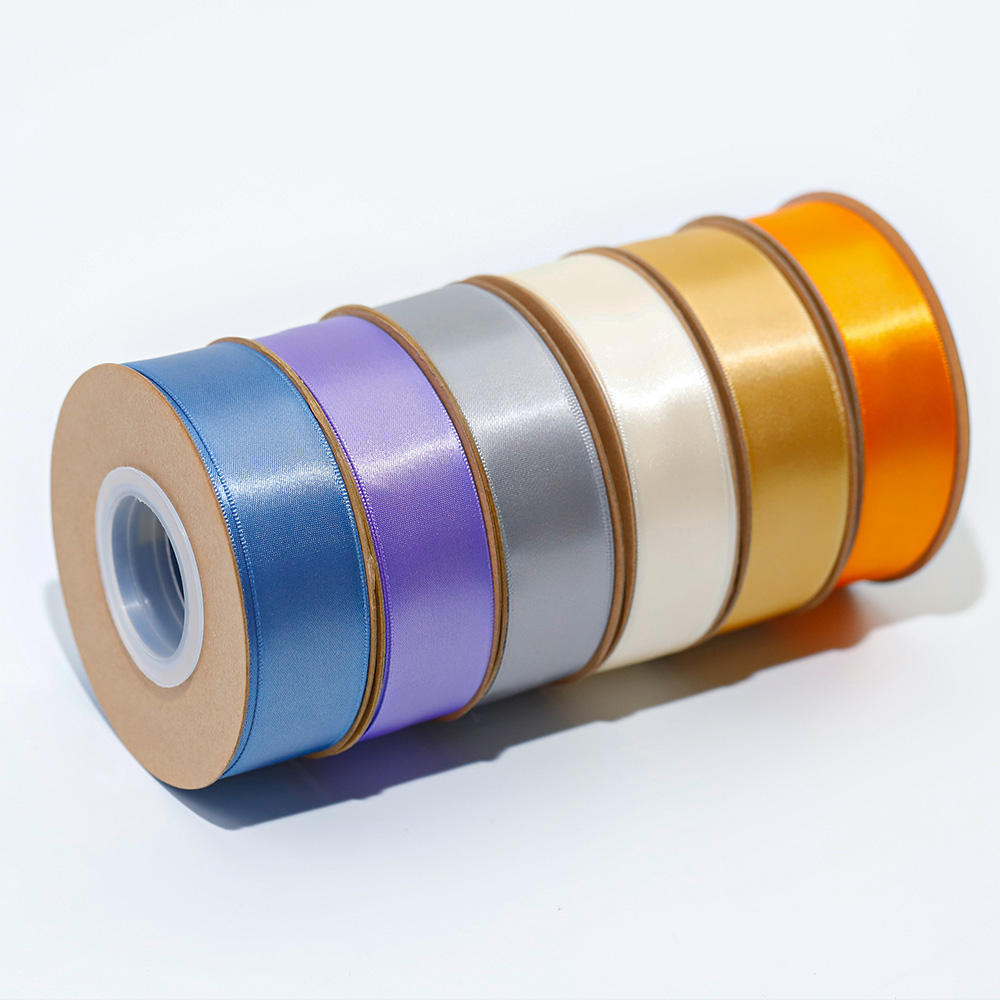
custom satin ribbon cosmetics is the first checkpoint buyers should lock before they approve a supplier, budget, or production slot. When you are specifying custom satin ribbon for cosmetics, the conversation usually starts with a Pantone code and a logo file. For a cosmetics packaging engineer, that is just the surface. The real work is in the numbers behind the match and the test data behind the foil adhesion.
Some custom satin ribbon suppliers talk about color matching in vague terms. They often do not publish their spectrophotometer tolerance. That matters. A buyer-approved ΔE tolerance might look acceptable in a showroom under halogen lights. On a production line next to a hot-stamped jar label, the mismatch is obvious. It gets rejected. Then you wait for a re-run.
The other hidden variable is foil adhesion. Cosmetics packaging goes through humidity cycles in warehouses, cold chains, and retail shelves. If the foil stamp on the ribbon starts to fade or flake after a few months, that is a failed launch event. A factory that owns its own foil-printing machines instead of outsourcing that step is in a much stronger position to control the outcome.
The color target, measurement method, lighting conditions, and acceptance tolerance are confirmed against the buyer-approved sample and written specification.
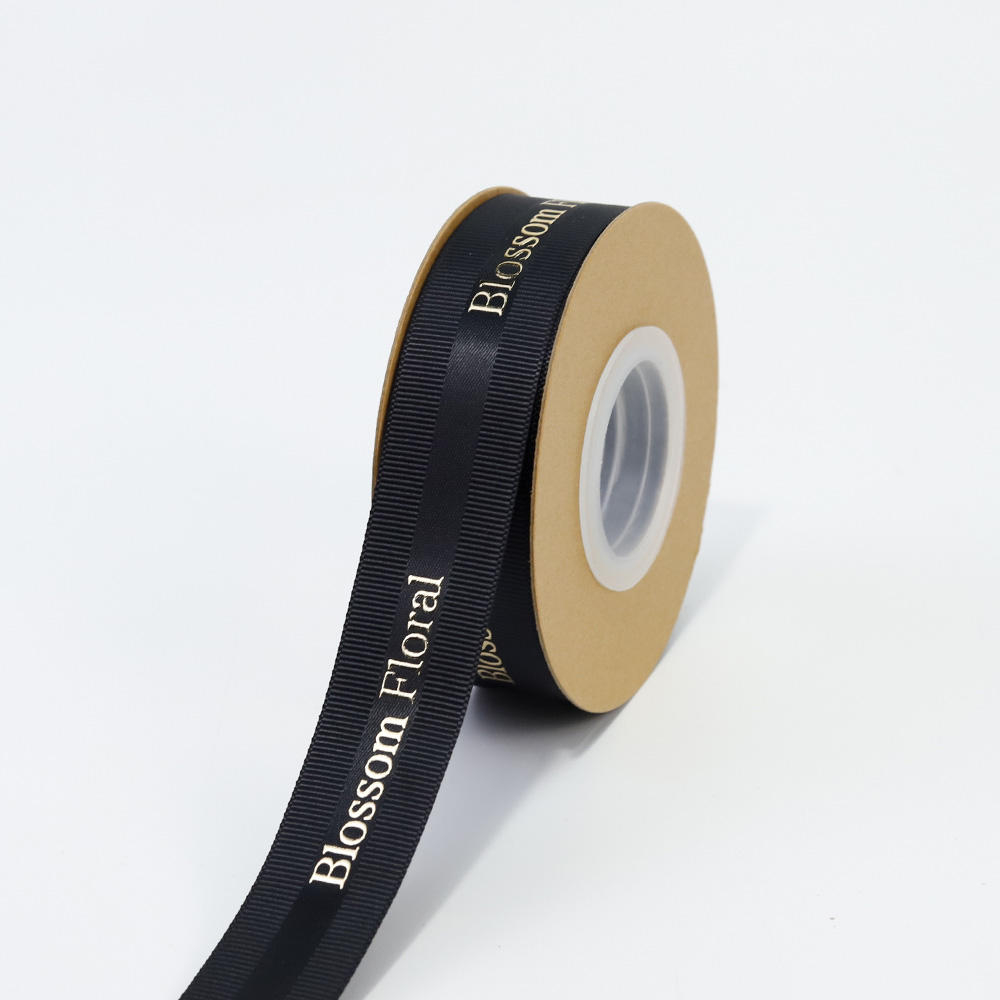
Why Custom Satin Ribbon for Cosmetics Demands Technical Specs
The acceptance tolerance is set against the buyer-approved sample.
Any quality guarantee, acceptance threshold, and remedy must be stated in the approved specification and sales agreement.
- The color target, measurement method, lighting conditions, and acceptance tolerance are confirmed against the buyer-approved sample and written specification.
- Define the buyer-approved acceptance criteria and verify the selected material with a dated sample or production-lot record.
Require a dated sample or production-lot record that identifies the material, method, conditions, acceptance criteria, result, and approver.

The Hidden Risks: Foil Fading and Batch Color Drift
Foil adhesion failure and batch color drift cause many disputes when sampling is skipped.
Some trading companies do not own foiling presses — they subcontract, losing control over temperature, pressure, and adhesive quality. This outsourcing can contribute to foil peel and color inconsistency. The factory operates 6 dedicated foil-printing machines, eliminating that handoff.
- Define the buyer-approved acceptance criteria and verify the selected material with a dated sample or production-lot record.
- Require a dated sample or production-lot record that identifies the material, method, conditions, acceptance criteria, result, and approver.
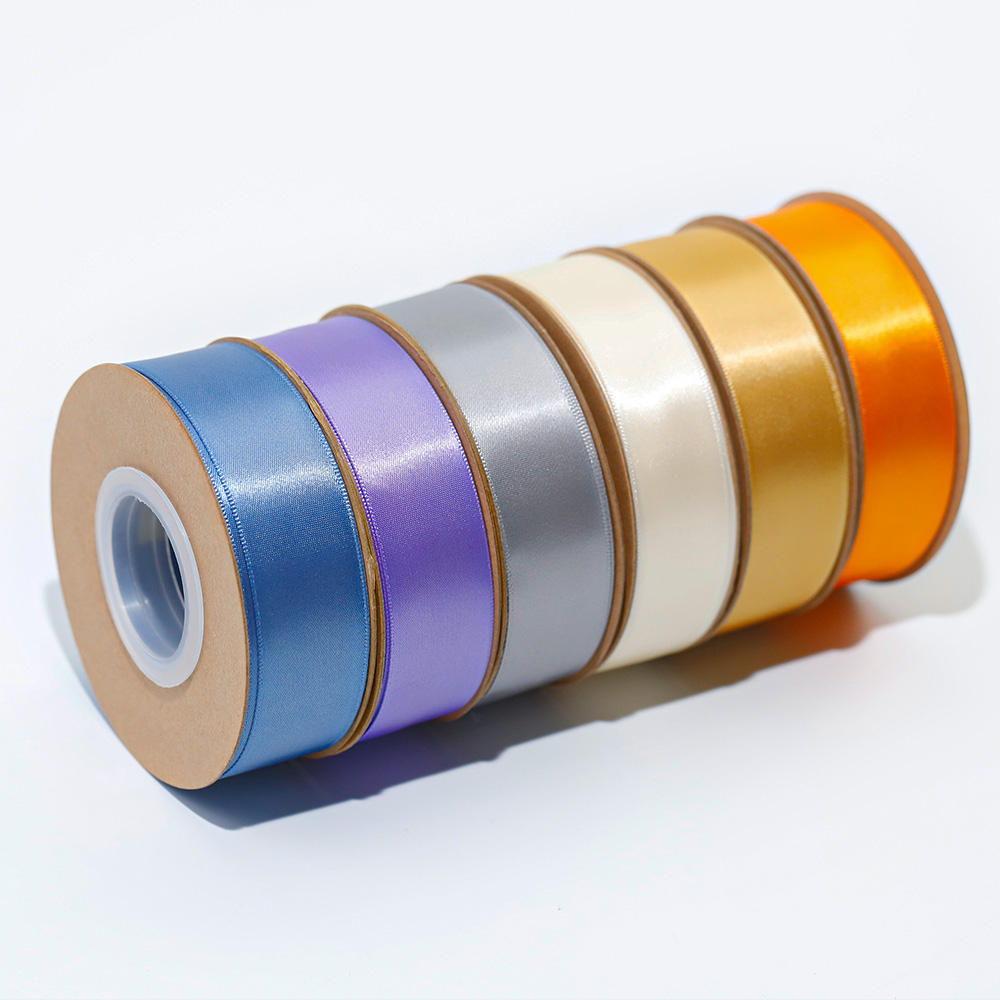
Custom Satin Ribbon Print Methods: Foil vs. Screen vs. Heat Transfer
Pricing differences among materials, widths, print methods, quantities, and packing must be calculated from dated quotations for the same approved specification.
Screen printing is the baseline method for custom satin ribbon. It applies ink through a mesh stencil, making it economical for large, solid-color logos. However, the ink layer is thick and prone to bleeding on fine details. If your logo text is under 6pt or requires sharp corners, screen printing will distort the edges. For cosmetics packaging engineers running automated lines, this inconsistency creates rejection risk.
- Pricing differences among materials, widths, print methods, quantities, and packing must be calculated from dated quotations for the same approved specification.
- Pricing differences among materials, widths, print methods, quantities, and packing must be calculated from dated quotations for the same approved specification.
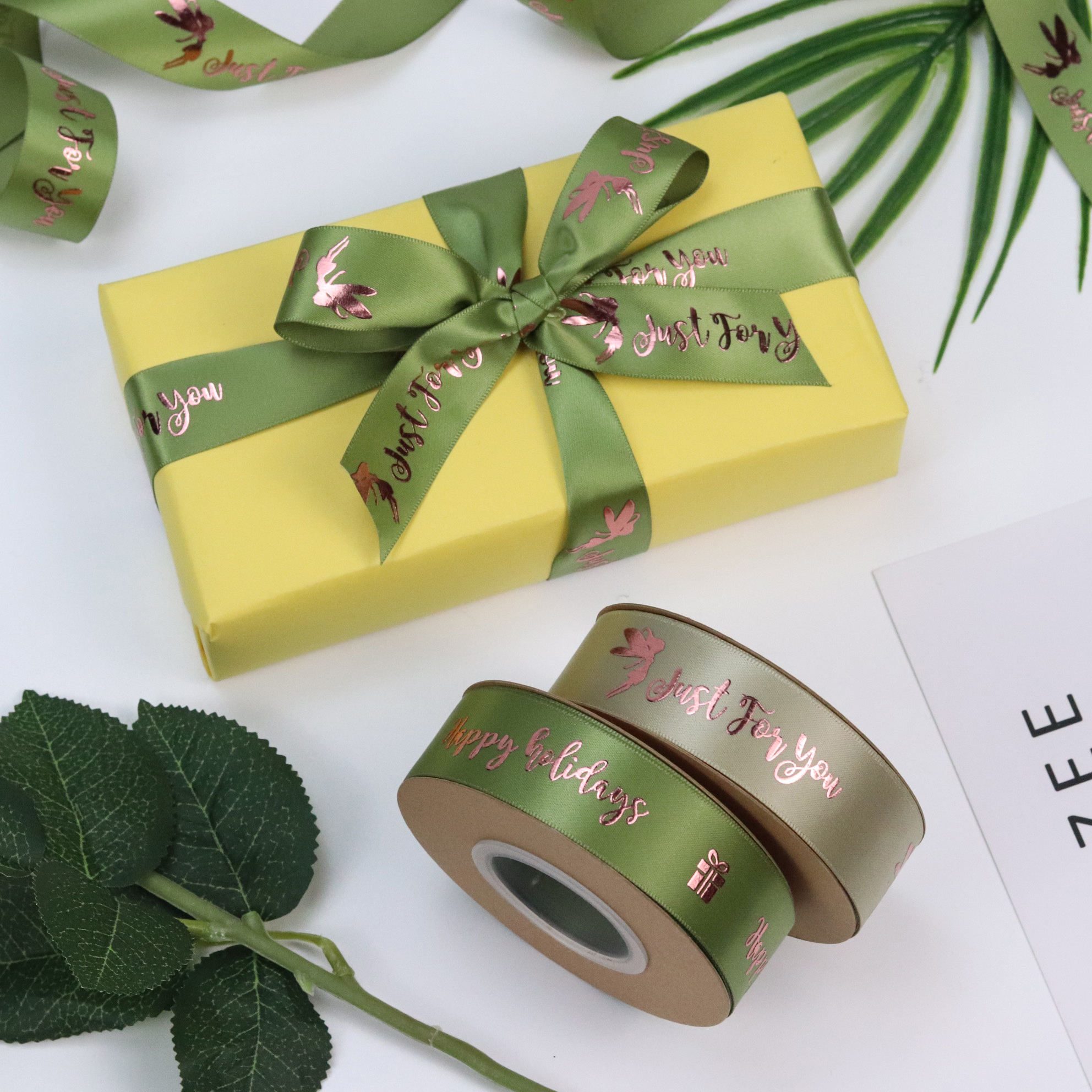
For luxury cosmetics, foil stamping is not just a look — it is a durability requirement. Satin ribbons with foil logos from trading companies often fade after warehouse humidity cycles because the foil was outsourced to a third printer with no quality lock. The factory controls the entire process: it weaves the polyester satin and applies the foil. No other method matches foil stamping for the metallic clarity that signals premium unboxing.
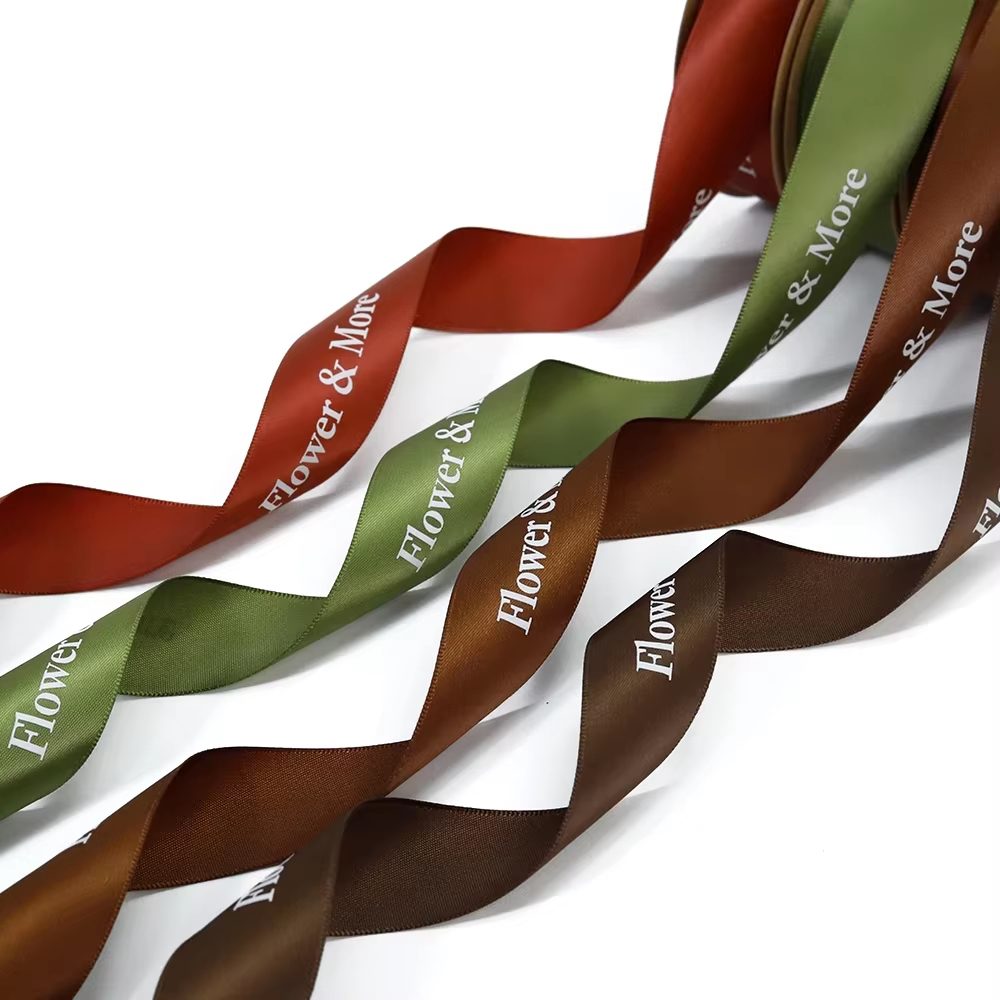
How to Source Custom Satin Ribbon That Passes Your RSL
Request a 50-yard prototype before bulk — it’s the only way to validate packaging line compatibility.
Treat certification and compliance as document-verification tasks. Confirm the issuer, identifier, covered product and site, scope, applicable transaction evidence, and expiry before relying on a supplier claim.
- Quantity: Request a minimum of 50 yards (not a 1-yard swatch) to run through your automated packaging line. This length simulates real tension, heat sealing, and feed mechanisms. One-yard samples hide defects that appear only under production speed.
- Lead time: Prototype lead time is 7–14 business days after artwork approval. Expedited feasibility and timing are confirmed after the RFQ is reviewed.
- Any quality guarantee, acceptance threshold, and remedy must be stated in the approved specification and sales agreement.
Physical sample approval can reduce mismatch and rework risk; use the signed sample, written specification, and dated production records as the control evidence.
Conclusion
Any quality guarantee, acceptance threshold, and remedy must be stated in the approved specification and sales agreement.
Review the foil printed ribbon product page for detailed specs on width options and prototype lead times. Send your artwork for a mandatory sample run to verify color match before committing to bulk.
Frequently Asked Questions
What is the MOQ for custom color satin ribbon?
Pantone custom-dyed satin ribbon starts at 5,000 yards per color.
Do you offer prototype runs of under 500 yards for packaging line testing?
Prototype run length is confirmed by RFQ. Physical samples are approved before bulk; printed ribbon starts at 3,000 yards per design and plain stock ribbon at 1,500 yards per color. Contact us to discuss feasibility for small trial orders.
Can you provide an Oeko-Tex certificate with the bulk shipment?
Treat certification and compliance as document-verification tasks. Confirm the issuer, identifier, covered product and site, scope, applicable transaction evidence, and expiry before relying on a supplier claim.
What is your tolerance for color matching (ΔE)?
Color matching tolerance is agreed per order against the buyer-approved sample and Pantone reference. Send your Pantone code so the acceptance target can be confirmed against the approved sample.
How do you prevent foil stamp from fading on satin ribbon?
Process capability should be evaluated on the selected material using a dated test method, documented acceptance criteria, and the approved sample result.
Keep exploring
Recommended buyer guides
 Grosgrain vs Velvet Ribbon Printing: Texture Performance Guide
Evidence and specification note: Color targets, tolerances, test methods, documentation, acceptance criteria, and remedies must be confirmed for…
Explore guide
Grosgrain vs Velvet Ribbon Printing: Texture Performance Guide
Evidence and specification note: Color targets, tolerances, test methods, documentation, acceptance criteria, and remedies must be confirmed for…
Explore guide
 Custom Award Ribbon Manufacturing Process: Avoid Disputes
Evidence and specification note: Color targets, tolerances, test methods, documentation, acceptance criteria, and remedies must be confirmed for…
Explore guide
Custom Award Ribbon Manufacturing Process: Avoid Disputes
Evidence and specification note: Color targets, tolerances, test methods, documentation, acceptance criteria, and remedies must be confirmed for…
Explore guide
 Double Face Satin Ribbon: Avoid Fraying & Foil Lifting in Bows
Evidence and specification note: Color targets, tolerances, test methods, documentation, acceptance criteria, and remedies must be confirmed for…
Explore guide
Double Face Satin Ribbon: Avoid Fraying & Foil Lifting in Bows
Evidence and specification note: Color targets, tolerances, test methods, documentation, acceptance criteria, and remedies must be confirmed for…
Explore guide
 Satin Ribbon Roll Lengths: Bulk Importers’ Quality Guide
Evidence and specification note: Color targets, tolerances, test methods, documentation, acceptance criteria, and remedies must be confirmed for…
Explore guide
Satin Ribbon Roll Lengths: Bulk Importers’ Quality Guide
Evidence and specification note: Color targets, tolerances, test methods, documentation, acceptance criteria, and remedies must be confirmed for…
Explore guide
Leave a comment
Share a sourcing question or feedback on this guide. The Lude team reviews submissions before following up.