


Wired Ribbon Wholesale Checklist: Structure, MOQ, and Supplier Questions
Evaluate Wired ribbon wholesale options: MOQ, setup fees, unit cost, and packing. Narrow the list before requesting samples or quotes

For gift packaging buyers, gift shops and gift basket sellers, e-commerce sellers and marketplace brands, retail packaging buyers, retail chains and store operations teams, cosmetics and perfume brands, wine and festive decoration buyers, floral shops and seasonal decoration businesses, event accessory companies, event agencies and promotional product distributors, award and ceremony organizers, importers, wholesalers, distributors, private label brands, wired ribbon wholesale becomes expensive when the buyer only compares surface details. A vague spec, missing quote input, weak sample check, or unclear supplier responsibility can change cost, delay approval, or create reorder problems.
Expert note: The Lude Ribbon editorial team works with ribbon manufacturing, sampling, printing, quality control, and export service specialists to create practical buying guides for importers, brands, wholesalers, and procurement teams.
This article helps you shortlist credible suppliers or options without being fooled by surface claims. You will see what to check, why it matters commercially, what risk to watch for, and what action to take before quote, sample, or bulk order approval.
Related buyer references: Pantone textile color systems for textile color matching context; ISO 9001 for supplier quality-management system context; and ISO 2859-1 for AQL-based lot inspection plans. Use each source only for the specific buyer check it actually covers.
What buyers should compare when sourcing wired ribbon wholesale
When evaluating wired ribbon wholesale suppliers, focus on factory capability, commercial terms, and export readiness. Use a supplier scorecard to compare objectively.
Factory capability evidence to request
- Ask for production line photos or video showing wired edge machinery and quality control stations.
- Request a sample of the exact ribbon grade you need (e.g., 1.5-inch wired edge) to verify color consistency and wire retention.
- Confirm they can produce custom widths, colors, and core sizes without excessive tooling charges.
MOQ, sampling, lead-time, and reorder terms to compare
| Term | What to compare |
|---|---|
| MOQ per SKU | Lower MOQs (e.g., 500 yards) reduce inventory risk; higher MOQs may signal larger factory runs. |
| Sample policy | Free samples with shipping paid vs. paid samples; turnaround time for custom samples. |
| Lead time | Standard production lead time and rush order availability. |
| Reorder terms | Price lock period, minimum reorder quantity, and lead time consistency. |
Communication, packing, and export-readiness signals
- Assess response time and clarity in English or your language.
- Check packing: polybag inner, carton outer, and labeling for retail or bulk.
- Verify export documentation (commercial invoice, packing list, certificate of origin) and shipping options (FOB, CIF, EXW).
Pricing differences among materials, widths, print methods, quantities, and packing must be calculated from dated quotations for the same approved specification.
Product and specification checks before shortlisting
Use this buyer questions list to connect each buyer decision to verification, buyer risk, and a concrete next action before RFQ, sample approval, or bulk order.
- Question: What material, width, color, finish, and customization options do you offer for wired ribbon? Why ask: To verify the supplier's product range matches your specific requirements before requesting a quote. Good answer signal: Supplier provides a detailed spec sheet with available materials (e.g., polyester, satin), widths (e.g., 1.5–4 inches), color swatches, finish types (e.g., matte, gloss), and customization options like printing or dyeing. Buyer risk: Risk of receiving ribbon that does not match your intended use or branding, leading to rework or rejection. Next action: Request a spec sheet and color swatches for your target widths and finishes.
- Question: What are your capabilities for printing, bow-making, packing, and inspection? Why ask: To confirm the supplier can handle value-added processes and quality checks needed for your order. Good answer signal: Supplier lists in-house printing (e.g., screen or digital), bow-making equipment, packing options (e.g., spools, rolls, poly bags), and inspection steps (e.g., visual, tension tests). Buyer risk: Outsourced or limited capabilities may cause delays, inconsistent quality, or higher costs. Next action: Request a process flow document and sample of printed ribbon or bow for evaluation.
- Question: What is your supplier capability in terms of production volume, lead time, and MOQ? Why ask: To ensure the supplier can meet your order quantity and delivery schedule consistently. Good answer signal: Supplier provides clear MOQ per SKU, standard lead time of 15–15-20 business days for production, and capacity for bulk orders without compromising quality. Buyer risk: Underestimating lead time or MOQ can cause stockouts or overcommitment to inventory. Next action: Request a production timeline and MOQ breakdown for your target quantities.
- Question: How do you verify material quality and color consistency before production? Why ask: To confirm the supplier has checks in place to avoid defects and ensure batch-to-batch uniformity. Good answer signal: Supplier uses incoming material inspection, color spectrophotometer checks, and sample approval before bulk production. Buyer risk: Inconsistent color or material defects may lead to rejected goods and reorder costs. Next action: Request a quality control checklist and sample approval process documentation.
- Question: What are the buyer risks when ordering wired ribbon from a new supplier? Why ask: To identify potential issues like miscommunication, quality variance, or shipping delays before committing. Good answer signal: Supplier acknowledges risks and offers solutions like pre-production samples, third-party inspection, and clear payment terms. Buyer risk: Unforeseen risks include off-spec product, late delivery, or hidden fees, impacting your supply chain. Next action: Request a risk mitigation plan and sample order to test quality and communication.
- Question: What is the next action to proceed with a wired ribbon order? Why ask: To clarify the steps and timeline for moving from inquiry to production. Good answer signal: Supplier outlines a clear process: spec confirmation, sample approval, order placement, production, inspection, and shipment. Buyer risk: Unclear next steps can cause delays, misorders, or missed deadlines. Next action: Confirm the spec sheet and request a sample for approval before placing a bulk order.
Material, width, color, finish, and customization range
Use this checkpoint for wired ribbon wholesale: confirm the specification, quote input, supplier proof, buyer risk, and next action before RFQ, sample approval, or bulk order.
Printing, bow-making, packing, and inspection capability
Use this checkpoint for wired ribbon wholesale: confirm the specification, quote input, supplier proof, buyer risk, and next action before RFQ, sample approval, or bulk order.
Use custom printed ribbon as the related internal reference when confirming quote assumptions, product fit, sample approval, and supplier next action.
MOQ, cost, sample, and lead-time questions
Use this comparison table to connect each buyer decision to verification, buyer risk, and a concrete next action before RFQ, sample approval, or bulk order.
| Criteria | Option A | Option B | Buyer meaning | Buyer risk | Next action |
|---|---|---|---|---|---|
| Quote assumptions: material, width, color target, quantity, packing, delivery | Supplier A lists unit price based on unspecified material grade and standard packing | Supplier B provides itemized quote with material spec, width tolerance, color target, packing, and delivery timing | Verify each supplier's quote includes material type, width, color target, quantity, packing, and delivery timing to enable apples-to-apples comparison | Hidden assumptions in quote can cause cost overruns or specification mismatches during production | Request a quote breakdown covering material, width, color target, quantity, packing, and delivery timing from each supplier |
| Low unit price vs. quality and delay risk | Compare dated quotations for the same approved specification | Supplier offers competitive unit price with documented material grade, QC checks, and lead-time buffer | Low unit price may indicate thinner material, fewer QC checks, or capacity constraints that cause delays or rejects | Accepting lowest unit price without verifying material grade and QC process can lead to off-spec ribbon and shipment delays | Ask supplier to confirm material grade, QC checkpoints, and production lead time before accepting low unit price |
| Specifications: material, width, color target, packing | Supplier provides generic spec sheet without tolerances or color target reference | Supplier provides detailed spec sheet including material type, width tolerance, color target (Pantone or lab dip), and packing format | Detailed specifications enable accurate quote comparison and reduce risk of production errors | Missing tolerances or color target can result in ribbon that does not fit packaging or match brand color | Request spec sheet with material, width tolerance, color target, and packing format from each supplier |
| Cost driver: material grade, width, quantity, packing, delivery | Supplier quotes flat unit price without explaining cost drivers | Supplier breaks down cost by material grade, width, quantity tier, packing type, and delivery method | Understanding cost drivers helps you negotiate and choose the most cost-effective combination for your program | Without cost driver breakdown, you may overpay for unnecessary features or miss savings opportunities | Ask supplier to itemize cost by material grade, width, quantity, packing, and delivery |
| Quality control: sample approval, color control, reorder consistency | Supplier offers QC only after bulk production, no sample approval or color control documented | Supplier requires sample approval before bulk production, performs color control checks, and maintains reorder consistency records | Pre-production sample approval and color control reduce risk of bulk rejects and ensure reorder matches first order | Skipping sample approval or color control can lead to bulk production of off-spec ribbon and costly rework | Confirm supplier requires sample approval before bulk production and has color control and reorder consistency processes |
| Buyer risk: hidden assumptions, off-spec product, delays, reorder mismatch | Supplier does not disclose quote assumptions, QC process, or reorder consistency checks | Supplier provides clear quote assumptions, QC checkpoints, sample approval, and reorder consistency records | Transparent supplier reduces risk of hidden assumptions, off-spec product, delays, and reorder mismatch | Without transparency, buyer faces cost overruns, production delays, and inconsistent reorder quality | Evaluate supplier transparency on quote assumptions, QC process, sample approval, and reorder consistency before committing |
How to compare quote assumptions across suppliers
Use this checkpoint for wired ribbon wholesale: confirm the specification, quote input, supplier proof, buyer risk, and next action before RFQ, sample approval, or bulk order.
When low unit price creates quality or delay risk
Use this checkpoint for wired ribbon wholesale: confirm the specification, quote input, supplier proof, buyer risk, and next action before RFQ, sample approval, or bulk order.
Use OEM and ODM ribbon development as the related internal reference when confirming quote assumptions, product fit, sample approval, and supplier next action.
Quality and communication red flags
Use this red flag list to connect each buyer decision to verification, buyer risk, and a concrete next action before RFQ, sample approval, or bulk order.
- Red flag: Supplier proceeds to bulk production without signed artwork or color-sample approval. Why it is risky: Unapproved artwork or color target can shift during production, causing rework or rejected goods. How to respond: Require written approval of final artwork and a physical color-sample strike-off before any bulk cutting. Proof to request: Signed artwork approval form and a dated color-sample approval record from the supplier. Next action: Hold bulk production until both artwork and color-sample approvals are confirmed in writing.
- Red flag: Packing and labeling specifications differ between initial quote and repeat-order confirmation. Why it is risky: Inconsistent packing or labeling can cause customs delays, mis-shipments, or brand presentation failures. How to respond: Request a packing and labeling specification sheet that is locked per program and verified each reorder. Proof to request: A program-specific packing and labeling master sheet with revision date and supplier sign-off. Next action: Compare the packing and labeling master sheet against the reorder confirmation before production starts.
- Red flag: Supplier cannot demonstrate dedicated ribbon production equipment or material sourcing capability. Why it is risky: Lack of specialized ribbon machinery or material supply chain increases risk of inconsistent width, weave, or color. How to respond: Ask for a facility tour or equipment list showing ribbon looms, slitting, and finishing lines. Proof to request: Photographs or video of ribbon-specific production lines and a list of raw material suppliers. Next action: Verify supplier capability by reviewing equipment list and material sourcing documentation before quoting.
- Red flag: Supplier has no documented quality control plan for in-process or final inspection of ribbon orders. Why it is risky: Without a QC plan, defects in color, width, print registration, or edge finish may go undetected until arrival. How to respond: Request a written QC plan that includes in-process checks and final inspection criteria for ribbon. Proof to request: A QC checklist or inspection report template used for previous ribbon orders. Next action: Require the QC plan to be attached to the order confirmation and reviewed before production.
- Red flag: Buyer does not confirm MOQ or lead time against Lude Ribbon's standard terms before placing a reorder. Why it is risky: Assuming MOQ or lead time carries over can result in order rejection or delayed delivery. How to respond: Always confirm MOQ and lead time per the product manual MOQ table and standard 15-20 business days production window. Proof to request: A written order acknowledgment that references the applicable MOQ and lead time from the manual. Next action: Cross-check reorder MOQ and lead time against the product manual before issuing a purchase order.
- Red flag: Supplier cannot provide third-party verification of ribbon material composition or colorfastness claims. Why it is risky: Unverified material or colorfastness claims can lead to product failure, returns, or compliance issues. How to respond: Request a test report from an accredited lab for material composition and colorfastness to washing or light. Proof to request: A dated test certificate from a recognized third-party laboratory covering the specific ribbon material. Next action: Review the test report and file it with the order record; require updated reports for each new production lot.
Artwork, color, and sample approval gaps
Use this checkpoint for wired ribbon wholesale: confirm the specification, quote input, supplier proof, buyer risk, and next action before RFQ, sample approval, or bulk order.
Packing, labeling, and repeat-order control risks
Use this checkpoint for wired ribbon wholesale: confirm the specification, quote input, supplier proof, buyer risk, and next action before RFQ, sample approval, or bulk order.
Use gift and retail packaging ribbon solutions as the related internal reference when confirming quote assumptions, product fit, sample approval, and supplier next action.
How to move from shortlist to RFQ
Use this quote preparation checklist to connect each buyer decision to verification, buyer risk, and a concrete next action before RFQ, sample approval, or bulk order.
- Input: Confirmed material type, width, color target, and printed artwork files Why it matters: Enables accurate pricing and avoids rework from mismatched specs Example detail: Send Pantone reference, wire gauge, and print-ready PDF for 25mm wired ribbon Risk if missing: Supplier may quote on assumed specs, leading to cost overruns or rejection Next action: Verify all spec fields against your product brief before sending
- Input: Sample approval record and bulk production sign-off Why it matters: Prevents color drift or construction defects from scaling without validation Example detail: Check that lab dip or strike-off matches approved standard under daylight Risk if missing: Bulk run may proceed with unapproved deviations, causing order rejection Next action: Document sample approval date and sign-off party in quote file
- Input: Ribbon width, wire gauge, color code, and print registration tolerance Why it matters: Defines measurable acceptance criteria for production and incoming inspection Example detail: Specify 38mm width ±1mm, 0.5mm wire, and print registration within 2mm Risk if missing: Supplier may interpret specs loosely, resulting in non-conforming goods Next action: Cross-check specs against previous order records for consistency
- Input: Minimum order quantity per SKU and color combination Why it matters: Determines if your volume fits supplier's production batch and pricing tier Example detail: Confirm MOQ of 500 rolls per color for custom printed wired ribbon Risk if missing: May be forced to pay premium or accept unwanted inventory to meet MOQ Next action: Negotiate MOQ split across colors if total volume is below threshold
- Input: Production lead time from spec confirmation to shipment readiness Why it matters: Aligns delivery schedule with your inventory or event timeline Example detail: Standard 15–15-20 business days after artwork approval for printed ribbon Risk if missing: Late delivery may cause stockouts or missed promotional windows Next action: Request lead time in writing and add buffer for QC and transit
- Input: Material cost per roll, printing setup fee, and wire surcharge Why it matters: Identifies price drivers to target negotiation or alternative options Example detail: Setup, tooling, artwork, and sample costs are quoted after the selected process and order specification are reviewed. Risk if missing: Hidden charges may inflate total cost beyond budget approval Next action: Request itemized cost breakdown and compare against baseline quote
Quote-ready inputs to send
Use this checkpoint for wired ribbon wholesale: confirm the specification, quote input, supplier proof, buyer risk, and next action before RFQ, sample approval, or bulk order.
Sample checks before deposit or bulk approval
Use this checkpoint for wired ribbon wholesale: confirm the specification, quote input, supplier proof, buyer risk, and next action before RFQ, sample approval, or bulk order.
Use ribbon resources as the related internal reference when confirming quote assumptions, product fit, sample approval, and supplier next action.
Conclusion
Before finalizing a wired ribbon wholesale order, buyers should confirm that their specifications—material, width, color target, and any custom printing or construction details—align with the supplier’s standard MOQ thresholds. A 1,500-yard minimum applies when selecting from existing inventory colors and widths, while custom colors or widths require RFQ confirmation rather than a fixed MOQ. Printed ribbon programs start at 3,000 yards per design, and ready-made bows and award ribbons start at 1,000 pieces per category or design. Standard production lead time is 15-20 business days after specifications are finalized, so planning around this window is essential. Buyers should also request sample approval and color control proof before bulk production to mitigate supplier risk and ensure consistency across reorders.
To move forward efficiently, prepare quote-ready inputs including exact material type, width, color reference (Pantone or physical swatch), target quantity, packing requirements, and delivery timeline. For custom or printed programs, artwork files and a clear design brief will accelerate the RFQ process. The next procurement action is to submit these details to the supplier for a formal quotation, confirm MOQ feasibility, and initiate sampling. By verifying these parameters upfront—specifications, MOQ/cost, lead time, sample/QC proof, and reorder controls—buyers can reduce production surprises and secure a reliable wholesale partnership.
Final buyer checks before moving forward
Use this checkpoint for wired ribbon wholesale: confirm the specification, quote input, supplier proof, buyer risk, and next action before RFQ, sample approval, or bulk order.
Quote-ready inputs to prepare
Use this checkpoint for wired ribbon wholesale: confirm the specification, quote input, supplier proof, buyer risk, and next action before RFQ, sample approval, or bulk order.
Supplier or sample action to take next
Use this checkpoint for wired ribbon wholesale: confirm the specification, quote input, supplier proof, buyer risk, and next action before RFQ, sample approval, or bulk order.
FAQs About Wired Ribbon Wholesale
Use the questions below to confirm how wired ribbon wholesale affects specification fit, cost exposure, production risk, supplier execution, and approval timing.
What factory capability checks should I finish before sending a Wholesale Wired Ribbon RFQ?
Confirm the factory’s wire type (e.g., copper vs. galvanized iron), ribbon width tolerance (±1mm), and edge finishing (heat-cut vs. stitched). Request a specification sheet listing GSM, wire gauge, and colorfastness ratings. Ask for MOQ per SKU and lead time—standard production is 15–15-20 business days after spec confirmation. Require a pre-production sample to verify wire retention and ribbon durability before RFQ approval.
How can I compare Wholesale Wired Ribbon suppliers on samples, communication, and repeat-order stability?
Request 3–5 samples from shortlisted suppliers and compare wire stiffness, ribbon sheen, and edge fraying. Evaluate communication responsiveness within 24 hours and clarity on custom color matching. Check repeat-order stability by asking for references from clients who placed 3+ bulk orders—verify on-time delivery rates and consistency in shade and wire placement across batches.
What red flags show a Wholesale Wired Ribbon supplier may not handle bulk or custom orders?
Red flags include vague wire gauge specifications, refusal to provide a sample before bulk order, or MOQ above 10,000 yards without flexibility. Avoid suppliers who cannot guarantee lead times in writing or lack a quality control process for wire alignment. Also watch for inconsistent communication, no trade assurance, or inability to handle custom Pantone colors—these signal poor bulk order capability.
What information should go into the supplier scorecard, comparison table, red flag list for Wholesale Wired Ribbon?
Your scorecard should list: wire type, ribbon width, GSM, MOQ, unit price per yard, lead time, sample cost, and QC certifications (e.g., OEKO-TEX). The comparison table must include communication rating (1–5), sample approval status, and reorder consistency. The red flag list should note suppliers with no sample policy, hidden wire rust risk, or history of delivery delays beyond 15-20 business days.
How can buyers avoid wrong judgment can create inaccurate quotes, bad samples, quality disputes, delivery delays, reorder variation, or supplier mismatch when sourcing Wholesale Wired Ribbon?
Avoid inaccurate quotes by providing exact wire gauge, ribbon width, and color codes in the RFQ. Prevent bad samples by requesting a sealed pre-production sample with a written approval form. Mitigate quality disputes by agreeing on a QC checklist (e.g., wire retention test, color match under D65 light). For delivery delays, set liquidated damages in the contract. Ensure reorder variation by keeping a retained sample from the first batch and requiring the same production line for repeat orders.
What should buyers confirm before ordering Wired Ribbon Wholesale?
Confirm the wire is rust-resistant for your end-use (e.g., indoor vs. outdoor). Verify the ribbon material (polyester, satin, or grosgrain) and request a wash test if needed. Check MOQ aligns with your budget—typical wholesale starts at 500 yards per color. Ask for a production timeline with milestones and a pre-shipment inspection report. Next action: sign a contract covering spec tolerance, lead time penalties, and sample retention for future reorders.
Keep exploring
Recommended buyer guides
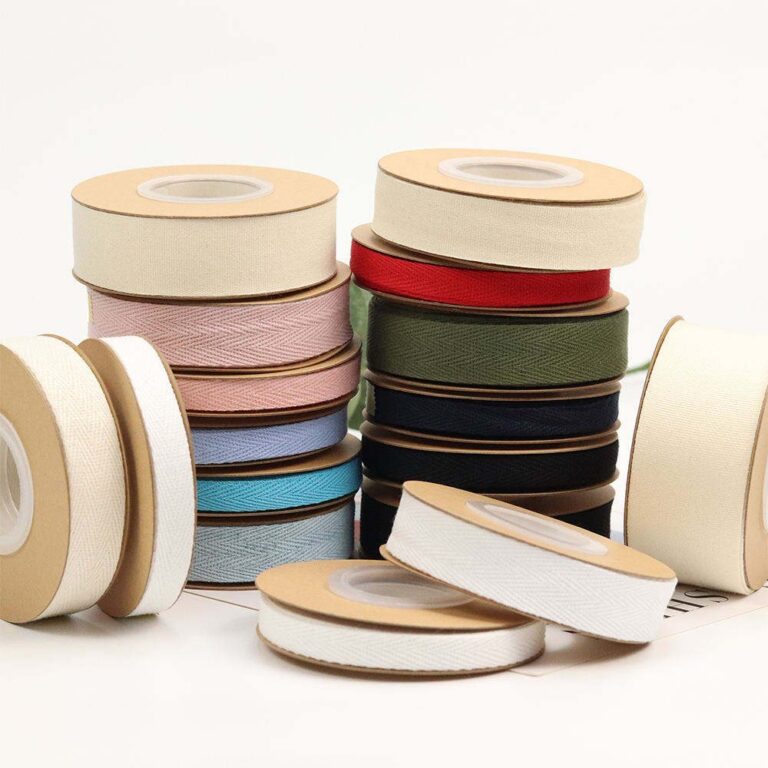 Bulk Ribbon Cost Guide: How to Compare Price Without Losing Quality
What drives Bulk Ribbon Cost Guide How to Compare Price Without Losing Quality pricing? Check sample approval, color…
Explore guide
Bulk Ribbon Cost Guide: How to Compare Price Without Losing Quality
What drives Bulk Ribbon Cost Guide How to Compare Price Without Losing Quality pricing? Check sample approval, color…
Explore guide
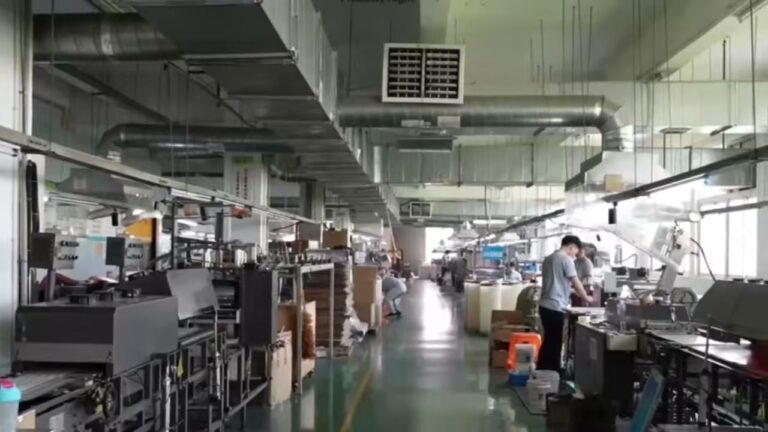 Wholesale Ribbon Manufacturers: Factory vs Trading Company Checklist
Evaluate Wholesale Ribbon Manufacturers options: factory capability, QC proof, lead time, and reorder reliability. Narrow the list before…
Explore guide
Wholesale Ribbon Manufacturers: Factory vs Trading Company Checklist
Evaluate Wholesale Ribbon Manufacturers options: factory capability, QC proof, lead time, and reorder reliability. Narrow the list before…
Explore guide
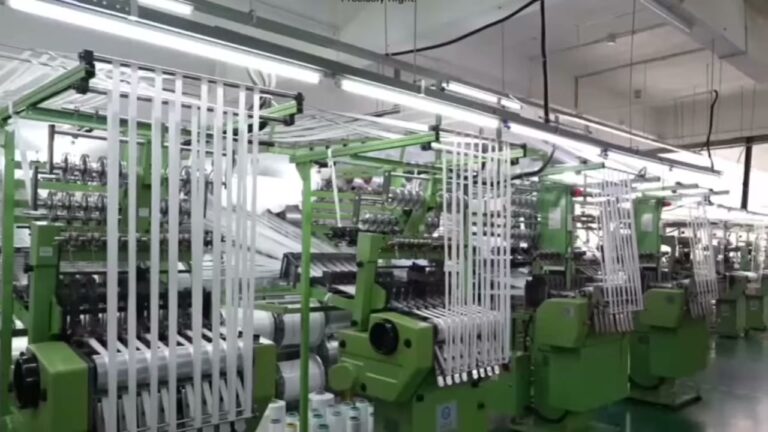 Velvet Ribbon Wholesale Checklist: MOQ, Finish, and Supplier Questions
Evaluate velvet ribbon wholesale options: MOQ, setup fees, unit cost, and packing. Narrow the list before requesting samples…
Explore guide
Velvet Ribbon Wholesale Checklist: MOQ, Finish, and Supplier Questions
Evaluate velvet ribbon wholesale options: MOQ, setup fees, unit cost, and packing. Narrow the list before requesting samples…
Explore guide
Leave a comment
Share a sourcing question or feedback on this guide. The Lude team reviews submissions before following up.