


Bulk Ribbon Cost Guide: How to Compare Price Without Losing Quality
What drives Bulk Ribbon Cost Guide How to Compare Price Without Losing Quality pricing? Check sample approval, color tolerance, QC checks, and MOQ to
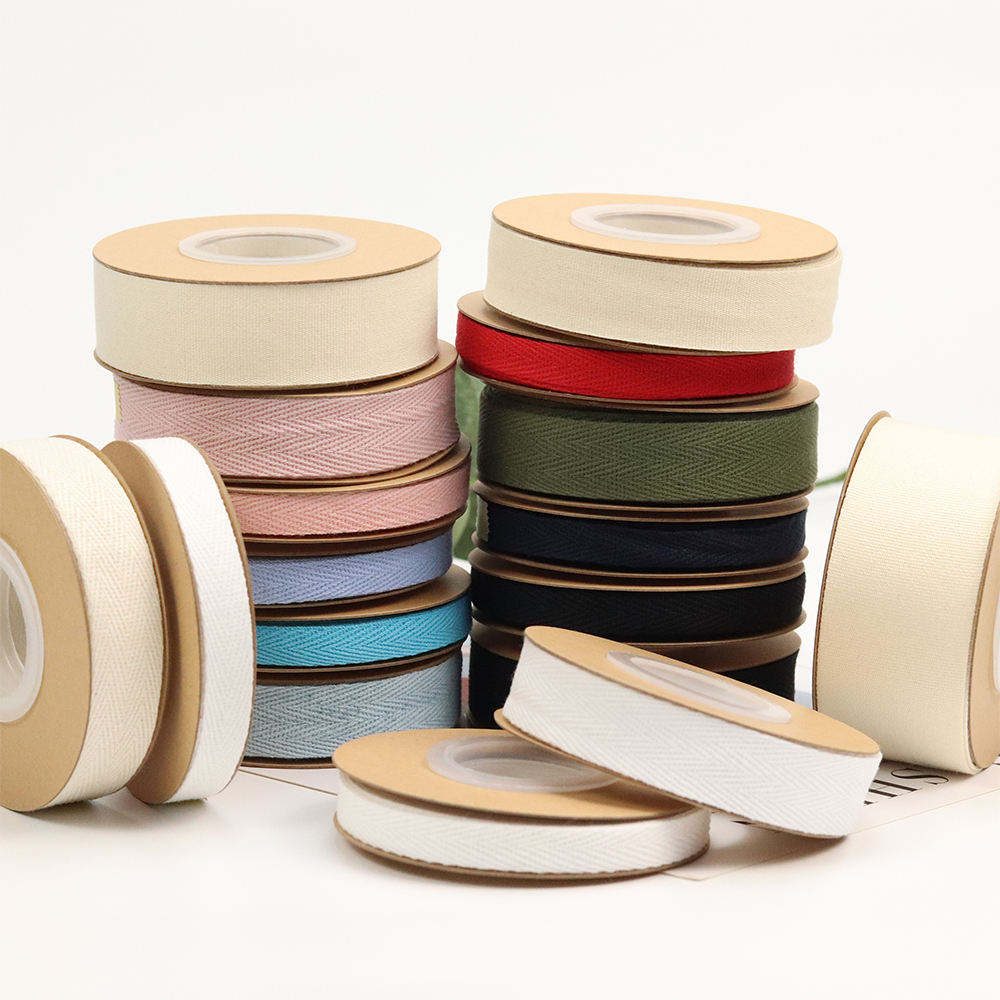
Bulk ribbon cheap needs a written specification before the buyer can shortlist Bulk Ribbon Cheap suppliers using proof, capability, quality, MOQ, and delivery criteria; otherwise suppliers may quote different product and approval assumptions.
Two ribbon quotes become comparable only after you normalize roll length, width tolerance, and usable output. Price per yard hides all three.
Direct answer: For bulk ribbon cheap, compare matched samples, documented production capability, quality records, quantity rules, and delivery assumptions on the same basis.
What does a comparable bulk-ribbon price include?
Start with the physical output, not the currency figure. A price per roll, spool, yard, metre, cut length, or finished bow answers a different question. The quote must identify what arrives, what can be used, and which approval work has already been included.
Key takeaways
- Normalize the denominator: sellable or usable output after agreed defects, joins, edge loss, conversion, and pack count.
- Freeze material, construction, width, color, finish, print, roll length, conversion, and packing before comparing price.
- Separate sample, tooling, inspection, packing, transport, tax/duty, and change charges so the commercial difference is visible.
| QUOTE-LOCK field | Evidence to request | Order risk | Comparison action |
|---|---|---|---|
| Unit and usable output | Unit, nominal and usable length, roll count, joins, allowance, converted count | Offers use different denominators | Convert to cost per accepted usable output |
| Physical specification | Construction, fibre or material, width method, shade/finish, print, core and pack | A cheaper offer changes the product | Requote on one signed specification |
| Commercial scope | Sample, setup, inspection, packing, delivery term, exclusions and validity | Included work is unclear | Separate each conditional charge |
How should buyers normalize quantity and usable output?
Normalize the accepted output before comparing offers: define the sale unit, the usable-output rule, and the variant split that each bidder must return.
Usable-output rule
Write the comparison formula into the ledger: normalized material cost equals the quoted material amount plus applicable setup, sample, inspection, packing, and delivery charges, divided by accepted usable output. State whether accepted output is yards, metres, finished rolls, cut pieces, or approved bows. Do not mix nominal roll length with usable output after joins, damaged edges, or conversion loss.
For width-sensitive programs, the official textile-width measurement source distinguishes fabric width from usable width and covers full rolls and short specimens. Use that distinction to define the buyer’s ribbon method; the source does not supply a ribbon tolerance or commercial allowance.
Variant and MOQ basis
Ask whether MOQ applies to the total program, each material, each width, each color, each print design, or each converted format. Custom ribbon and bow MOQ is negotiable and must be confirmed by material, print method, width, packing, and schedule. Treat it as a quote-specific term, not a global number.
- Roll route: reconcile nominal length, usable length, core, winding, joins, roll label, and carton count.
- Converted route: reconcile input ribbon, piece dimensions, count, formation or attachment work, reject handling, inner pack, and accepted quantity.
- Split program: show quantity by material, width, color, artwork, format, and destination so each bidder prices the same changeovers.
Use OEM and ODM ribbon development when the usable-output rule must be proven through a new conversion trial.
COST-TRACE: Compare material, width, finish and usable roll assumptions in separate columns before unit cost is discussed.
Supplier capability proof should show how the factory measures usable output, controls joins and edge loss, counts converted pieces, and reconciles the accepted quantity with the packing record. Verify those records on the quoted route before using the normalized cost in the shortlist.
QUOTE-LOCK review
Send the unit basis, usable-output definition, variant split, sample route, packing scope, delivery term, and open charges for one quote comparison.
Which sample and quality costs belong in the quote?
Sample and QC costs are not automatically waste; they buy evidence. The buyer should know whether the quote includes a shade or construction specimen, printed proof, formed application sample, packed sample, production reference, inspection record, and retained reorder standard.
If acceptance sampling is used, ISO 2859-1:2026 provides indexed sampling procedures for inspection by attributes. It does not choose the buyer’s defect classes, acceptance quality limit, lot definition, or commercial remedy. Put the applicable plan and ownership in the order record rather than treating “AQL inspection” as a complete price line.
| Evidence route | What it removes | Quote field | Release record |
|---|---|---|---|
| Material/appearance sample | Construction, shade, hand, width and finish ambiguity | Sample count, revision, freight and approval round | Marked physical reference and disposition |
| Converted/packed sample | Cutting, tying, print position, winding and packout uncertainty | Setup, conversion, protection and reopen work | Finished application plus reopened pack photo |
| Production inspection | Bulk drift, mix-up and packing mismatch | Method, lot, sample, defect class and reporting scope | Dated inspection result and release owner |
How should logistics and change charges be separated?
Write the delivery term with the named place and current rule set. The ICC Incoterms 2020 rules allocate specified delivery obligations, costs, and risks between seller and buyer; they do not determine product quality, payment terms, title transfer, duty rate, or the buyer’s total landed-cost formula.
Separate export packing, inland movement, export clearance, main carriage, insurance where applicable, destination handling, import clearance, duty/tax assumptions, and final delivery. Ask the supplier to name what is included rather than comparing an EXW-style factory amount with a delivered offer as if both are unit prices.
Change-charge rule
Every approved change should identify the old assumption, revised field, evidence to repeat, charge, schedule impact, owner, and quote-validity reset. Color additions, artwork revisions, new widths, shorter converted pieces, added inner packs, expedited samples, split destinations, and changed delivery terms can reopen different parts of QUOTE-LOCK.
Lude Ribbon’s approved planning baseline is 15-20 business days for standard production after specifications are confirmed, with artwork review, sample approval, and shipping time added separately; complex programs are quoted longer per RFQ. Use this only as a planning baseline and request dated, order-specific milestones.
How quote control has evolved
A unit-price worksheet was enough only when every offer described the same output. Multi-variant ribbon programs now need the usable-output denominator, evidence scope, delivery responsibility, and change history reconciled together; QUOTE-LOCK makes that wider approval boundary visible without claiming a universal market rate.
Buyer questions and red flags
- Ask: Which named place and delivery responsibilities does the quotation use, and which logistics evidence verifies the charge? Red flag: freight or destination handling appears only after supplier selection.
- Ask: Which material, color, artwork, conversion, packout, or schedule change resets price validity? Red flag: the supplier cannot connect a change charge to a revised record and buyer approval.
- Ask: Who owns packing, inspection, export handoff, and corrective action at the factory? Red flag: capability is described generally but no owner or proof can be checked.
What must a quote-comparison ledger record?
The ledger must let a second reviewer reproduce the shortlist. Record supplier, quote revision/date/validity, currency, unit, quantity and variant split, signed specification, sample status, applicable charges, transport responsibility, dated release checkpoints, payment assumptions, open deviations, and accountable buyer decision.
First-party method and limitation
For each quote, record nominal output and accepted usable output. Calculate normalized cost per accepted unit as all applicable quoted charges divided by accepted usable output; calculate conversion yield as accepted finished pieces divided by input pieces where a piece route is used; calculate change-cost share as approved change charges divided by the revised quoted total. Lude Ribbon has not published an aggregated quote or defect dataset in this article, so these are reproducible fields and formulas, not invented savings or supplier-performance results.
Shortlist rule
- Hold an offer if the unit, usable-output basis, specification revision, or variant split is missing.
- Reopen the quote when a material, width, color, print, conversion, packing, delivery, or schedule assumption changes.
- Shortlist only after the sample and evidence scope match the price basis; keep exclusions beside the selected offer.
Use the OEM and ODM ribbon development route for a new custom construction or conversion trial. Keep the selected quote, signed specification, exclusions, sample disposition, and packing basis together as the approval record, then review Lude Ribbon's sourcing resources before sending the RFQ.
Source check: ISO 2859-1:2026.
For bulk ribbon cheap, use MOQ and lead time to align the applicable specification, proof record, supplier responsibility, and RFQ handoff before comparing quotes.
For bulk ribbon cheap, use quality and color control to align the applicable specification, proof record, supplier responsibility, and RFQ handoff before comparing quotes.
In conclusion
Bulk-ribbon price comparison is complete only when all nine QUOTE-LOCK fields use the same basis. The defensible choice is the offer whose accepted usable output, specification, evidence, exclusions, delivery responsibilities, and change rules are traceable—not automatically the lowest number.
Compare the signed ledger with the ribbon products because that commercial route keeps the priced construction and format tied to the physical sample. Send open assumptions with the quote request and retain the selected quote revision beside the approved sample and packing record. Otherwise, the buyer risks selecting a lower headline price that represents a different product, evidence scope, packout, or delivery responsibility.
COST-TRACE: Carry the winning quote assumptions into the purchase order and reopen pricing if a locked variable changes.
Confirm supplier capability with current proof for construction, usable-output measurement, sample control, inspection, packing, and delivery handoff. The buyer should release the selected offer only when the factory evidence and cost ledger describe the same ribbon program.
For like-for-like planning, Lude Ribbon records 1,500 yards per color for plain stock ribbon selected from existing inventory and 3,000 yards per design or program for printed ribbon. Keep those baselines on separate quote rows.
Bulk ribbon cost FAQ
How can buyers compare two bulk-ribbon prices fairly?
Give both suppliers the same signed physical specification, quantity by variant, unit and usable-output definition, evidence scope, packout, delivery term/place, and dated milestone request. Then compare normalized cost per accepted usable output rather than the headline roll or piece price.
When does a lower ribbon unit price create a higher landed cost?
It can happen when the quote contains less usable length, more joins or damaged output, excludes sampling or conversion, uses a different pack count, shifts freight or clearance obligations, or requires buyer-side rework. The ledger should expose each difference before selection.
Which quote assumptions should be reopened after a specification change?
Reopen the affected material, width, color, print, setup, sample, inspection, conversion, packing, delivery, minimum order, and milestone fields. Do not carry the old price into a revised program without a recorded supplier confirmation.
Send the unit basis, usable-output definition, variant split, sample route, packing scope, delivery term, and open charges for one quote comparison. Send Specs for Review.
Keep exploring
Recommended buyer guides
 Velvet Ribbon Wholesale Checklist: MOQ, Finish, and Supplier Questions
Evaluate velvet ribbon wholesale options: MOQ, setup fees, unit cost, and packing. Narrow the list before requesting samples…
Explore guide
Velvet Ribbon Wholesale Checklist: MOQ, Finish, and Supplier Questions
Evaluate velvet ribbon wholesale options: MOQ, setup fees, unit cost, and packing. Narrow the list before requesting samples…
Explore guide
 Wholesale Ribbon By The Roll: Roll length and inventory planning
Evaluate Wholesale Ribbon By The Roll options: factory capability, QC proof, lead time, and reorder reliability. Narrow the…
Explore guide
Wholesale Ribbon By The Roll: Roll length and inventory planning
Evaluate Wholesale Ribbon By The Roll options: factory capability, QC proof, lead time, and reorder reliability. Narrow the…
Explore guide
 Award Ribbons Wholesale: Bulk award ribbon supplier checks
Shortlist Award Ribbons Wholesale suppliers by factory capability, QC proof, lead time, and reorder reliability. See which options…
Explore guide
Award Ribbons Wholesale: Bulk award ribbon supplier checks
Shortlist Award Ribbons Wholesale suppliers by factory capability, QC proof, lead time, and reorder reliability. See which options…
Explore guide
 Wholesale Ribbon Manufacturers: Factory vs Trading Company Checklist
Evaluate Wholesale Ribbon Manufacturers options: factory capability, QC proof, lead time, and reorder reliability. Narrow the list before…
Explore guide
Wholesale Ribbon Manufacturers: Factory vs Trading Company Checklist
Evaluate Wholesale Ribbon Manufacturers options: factory capability, QC proof, lead time, and reorder reliability. Narrow the list before…
Explore guide
Leave a comment
Share a sourcing question or feedback on this guide. The Lude team reviews submissions before following up.