


Wholesale Printed Ribbon With Logo: Quote Checklist
Buying Wholesale Custom Printed Ribbon with Logo? Verify artwork files, print method, color target, and sample approval to reduce quoting errors
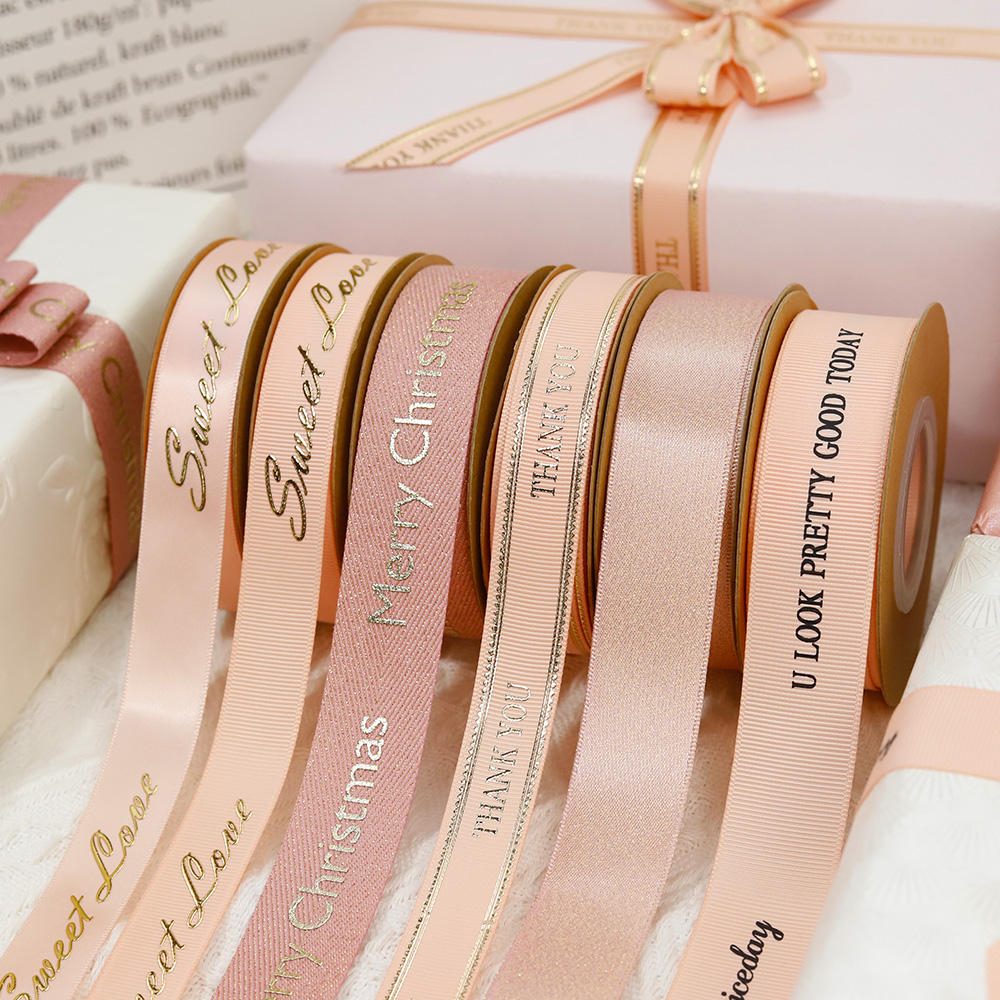
Custom printed ribbon with logo needs a written specification before the buyer can plan custom artwork, samples, finishes, and production handoff; otherwise suppliers may quote different product and approval assumptions.
A logo on ribbon is constrained by width and by repeat length. Getting both into the RFQ avoids a proof round that only discovers them.
Direct answer: For custom printed ribbon with logo, buyers should plan custom artwork, samples, finishes, and production handoff.
What buyers must define before approving custom printed ribbon with logo
| Requirement | Factory control | Evidence to verify | Order risk | RFQ follow-up |
|---|---|---|---|---|
| Finish or surface effect | Factory holds a sealed finish standard and gloss/matte reference. | Compare production sample against the approved finish chip under daylight. | Unmatched finish causes brand inconsistency and rework costs. | Request a finish sample chip before bulk production. |
| Artwork or logo file | Factory checks file resolution, color mode, and bleed lines. | Submit a PDF proof and confirm all text and logo elements are legible. | Low-resolution artwork leads to blurred print and rejected goods. | Approve the digital proof in writing before sample making. |
| Sample approval | Factory holds the signed sample as the production master. | Inspect sample against spec sheet: width, color, print registration, and cut. | Missing sample approval allows deviation in bulk run. | Sign and date the physical sample; return a photo to supplier. |
| Lead time after approval | Factory commits to a calendar schedule from sample sign-off. | Confirm lead time in writing; request a production timeline with milestones. | Unconfirmed lead time delays launch or event delivery. | Ask for a binding lead time quote tied to the approved sample date. |
Material, width, color, finish, and packing requirements
Before approving a custom printed ribbon with logo, the buyer must document the exact material type, width tolerance, color standard, and surface finish. These specifications directly affect print adhesion, ribbon drape, and packaging compatibility. A written spec sheet prevents mismatches between the sample and bulk production. The factory uses these inputs to set the correct ink, dye, and cutting parameters. Without complete material and finish definitions, the supplier cannot guarantee repeatable quality across the order quantity.
Logo, artwork, placement, and tolerance requirements
The buyer must provide the final logo file in vector format with clear placement instructions, including distance from ribbon edges and repeat interval. Tolerance for print registration, color shift, and logo alignment must be stated in millimeters. This avoids artwork interpretation errors during plate making and setup. The supplier will use these tolerances to set up the printing machine and conduct first-piece inspection. Documented artwork requirements also streamline the proof approval stage and reduce revision cycles.
Questions to confirm before ordering:
- Ribbon material type, width, color code, finish, and packing method: Material or width change after bulk run starts causes full re-spool and re-print cost Procurement manager and supplier production lead Compare written spec against supplier's production order form before any cutting Sign off on spec sheet and file with sample approval record
- Logo artwork file format, placement coordinates, and print tolerance: Artwork revision after sample approval delays production and may void quoted lead time Brand owner or marketing lead Confirm artwork matches approved sample color, size, and registration marks Issue written artwork approval with revision date and version number
- Sample approval sign-off and QC pass/fail criteria: Missing written sample approval leads to bulk rework or rejected goods at delivery Quality inspector and buyer representative Review sample against spec: color, print clarity, width tolerance, and edge finish Document sample approval with photo and sign-off date before bulk production
- Lead time commitment and production schedule: Unconfirmed lead time causes missed launch dates and expedite fees Supplier production scheduler and buyer logistics coordinator Verify lead time starts after spec and sample approval, not after order placement Confirm production start date and shipping window in writing
Before approving, confirm the exact material type, width in millimeters, color code (PMS or brand standard), finish (matte, gloss, satin), and packing method (roll, spool, or flat). Any change after bulk production begins triggers re-spooling and re-print costs. Write these specs into the supplier's production order form and compare them against the approved sample before any cutting starts.
Logo artwork must specify file format, exact placement coordinates, print method (screen, offset, or hot stamp), and acceptable registration tolerance. A change after sample approval delays production and may void the quoted lead time. Issue a written artwork approval with revision date and version number, and confirm the supplier has the final file before bulk printing begins.
Artwork file and proofing requirements
| Option | Best fit | Trade-off | Risk to avoid | Verification | Follow-up |
|---|---|---|---|---|---|
| Digital proof approval | Solid-color designs with no critical brand color match | Lower cost and faster turnaround, but color accuracy limited to screen calibration | Color variation between digital proof and production ribbon due to monitor and printer differences | Compare proof to Pantone reference under daylight; request supplier's color accuracy statement | Document approved proof revision; require written confirmation that production will match within tolerance |
| Physical strike-off sample | Multi-color logos, gradients, or brand-critical color match | Higher cost and lead time, but provides physical reference for color, print quality, and material feel | Sample may not represent bulk production due to setup differences, ink density, or tension variation | Measure width, check print alignment, color density, and edge finish against approved artwork and color reference | Sign off sample with revision code; request first-article inspection for bulk run and retain sealed sample |
| Production first-article inspection | Repeat orders or large-volume runs where batch consistency is critical | Adds inspection step and potential delay, but prevents rework and rejection of full production | Bulk production may deviate from approved sample without checkpoint, causing reorder inconsistency | Request supplier's first-article report; check width tolerance, print alignment, color density, and edge finish against approved sample | Approve first-article; archive report with sealed sample as baseline for reorder consistency |
For digital proof approval, a poor decision can mean color variation between digital proof and production ribbon due to monitor and printer differences. Ask the supplier to compare proof to pantone reference under daylight; request supplier's color accuracy statement, then document approved proof revision; require written confirmation that production will match within tolerance. For physical strike-off sample, a poor decision can mean sample may not represent bulk production due to setup differences, ink density, or tension variation. Ask the supplier to measure width, check print alignment, color density, and edge finish against approved artwork and color reference, then sign off sample with revision code; request first-article inspection for bulk run and retain sealed sample. For production first-article inspection, a poor decision can mean bulk production may deviate from approved sample without checkpoint, causing reorder inconsistency. Ask the supplier to provide supplier's first-article report; check width tolerance, print alignment, color density, and edge finish against approved sample, then approve first-article; archive report with sealed sample as baseline for reorder consistency.
Bind every printed-ribbon proof to an artwork revision code that also names the ribbon substrate, width, print method, color reference, and repeat direction. When the supplier returns a strike-off or revised quote, record who checked each field and which version is released for bulk production. If any field changes, cancel the prior approval in writing and issue a new coded proof before updating the purchase order or reorder file.
Review foil printed ribbon before carrying the approved artwork file and proofing requirements into the wider custom printed ribbon with logo sourcing decision.
Sample approval workflow
- Does the supplier have a documented sample approval process that ties artwork revision to a production-ready sample? Ensures the supplier can replicate the approved sample in bulk without deviation. Supplier provides a written sample approval record with artwork revision number, approval date, and approver name. Without a documented process, bulk production may drift from the approved sample, causing rework or rejection. Request a sample approval template or record from the supplier before committing to production.
- What measurement and visual checks are used to verify that the sample matches the approved artwork? Confirms objective acceptance criteria are in place before bulk production. Supplier lists width tolerance, print alignment, color density, and edge finish as standard checks. Subjective approval leads to inconsistent batches and last-minute disputes. Define acceptable tolerance limits in writing and include them in the sample approval form.
- What happens if the sample is approved but the bulk order shows color variation or misregistration? Understands the supplier’s quality control and rework policy before deposit. Supplier performs a first-article inspection and holds production until the sample is formally approved. Approval risk transfers to the buyer if no inspection checkpoint exists between sample and bulk. Require a first-article inspection report and written acceptance before bulk production begins.
- How does the supplier ensure reorder consistency for the same artwork and material? Verifies long-term repeatability and protects future orders. Supplier retains a sealed sample and production inspection record for each order. Without archived baseline, reorders may differ from the original approved sample. Confirm that the supplier archives the sealed sample and inspection report and can provide a comparison for reorders.
Review OEM and ODM ribbon development before carrying the approved sample approval workflow requirements into the wider custom printed ribbon with logo sourcing decision.
Bulk production quality checkpoints
Reorder risk rises when bulk production quality checkpoints are not documented before the deposit. A buyer who cannot state the inspection points, defect thresholds, and rejection rules will accept production that drifts from the approved sample. The first-article inspection report is the factory-side proof that the ribbon meets width tolerance, print alignment, color density, and edge finish. Without this record, reorder consistency is a hope, not a guarantee.
Inspection points that prevent reorder variation
Compare the first-article inspection report against the approved sample. Check width tolerance against the specification, print alignment across the full repeat, color density against the reference, and edge finish for fraying or uneven trim. The supplier must retain a sealed sample and the inspection record so that every subsequent batch is compared to the same baseline. Document the acceptance criteria in writing and archive the report with the reorder file. This prevents the cost of rework or shipment rejection when the next order is placed.
Common defects and when to reject a sample
Common defects include color variation from the approved reference, misregistration of the logo, ink bleeding beyond the intended print area, and edge fraying or uneven cutting. Reject the sample if any defect exceeds the tolerance agreed in the specification. Ask the supplier for their written defect criteria and compare them with your requirements. Reject before bulk production and request a revised proof. For a deeper understanding of the ribbon printing process, review Ribbon Printing Process for Custom Logo and OEM Ribbon Orders. For use-case support, explore gift and retail packaging ribbon solutions.
Final approval checklist before RFQ or deposit
Before sending the quote request or placing a deposit, the buyer must have a complete written record that ties the approved specification, artwork file, sample approval, and QC checkpoints to one revision. A missing or verbal assumption can create rework, delay, or shipment rejection.
Information to confirm in writing
Request the supplier to provide a written confirmation that includes the material, width, print method, color references, and production tolerance. This document must name the same artwork revision used during sample approval. Without it, the factory has no fixed baseline for the first production run.
- Verify that the supplier’s written confirmation matches the approved sample record: material, width, print method, color references, and tolerance.
- Require the supplier to state the acceptable width tolerance and color deviation before bulk production begins.
- Confirm the first-article inspection method: the supplier must inspect print alignment, color density, and edge finish against the approved sample.
- Document the MOQ and lead time assumptions tied to the confirmed specification. Lude Ribbon’s MOQ and lead-time guidance lists 3,000 yards per design for custom printed ribbon and a standard production window of 15–20 business days after specifications are confirmed.
What to archive for repeat orders
Retain the sealed sample, artwork revision file, supplier written confirmation, and first-article inspection report. Label the sample with the approval date and revision code. This archive ensures that the same artwork, material, and print method produce identical results in every subsequent order. If the supplier cannot provide a sealed sample, reject the shortlist and move to a factory that can demonstrate repeatability. Use the Lude Ribbon factory as a reference for documented sample approval and reorder controls.
In conclusion
The final approval for your custom printed ribbon with logo comes down to verifying that every specification, cost, and lead time detail is documented and agreed upon before production begins. Compare the supplier’s written confirmation against your original artwork file, material type, width, and print method, then approve a physical sample to lock in quality. This sequence—check, compare, verify, document, and approve—ensures that the quote terms, MOQ, and delivery schedule are aligned with your order requirements, reducing reorder risk and setting a clear handoff from sample to bulk run.
The Lude Ribbon factory profile lists more than 300 skilled workers, while its MOQ and lead-time guidance gives a standard production window of 15–20 business days after specifications are confirmed. Confirm current line allocation, artwork review, sample approval, and shipping for the quoted logo-ribbon program.
To request a quote for custom printed ribbon, use custom printed ribbon to confirm the final specification, quote assumptions, sample approval, QC evidence, approval risk, and supplier follow-up before bulk order.
Custom printed ribbon with logo FAQ
What should buyers confirm before ordering custom printed ribbon with logo?
Buyers should confirm the exact material type, width, print method, artwork file format, color references, and production tolerance before ordering. minimum order and lead time depend on these specifications; the buyer should request a written confirmation from the supplier and include all details in the quote request to avoid rework.
How should buyers compare MOQ, lead time, and quote terms?
Compare minimum order, lead time, and quote terms by requesting a breakdown that ties each cost element to the specific material, print method, width, and order quantity.
For Lude Ribbon, custom printed ribbon starts at 3,000 yards per design, while standard production lead time is 15–20 business days after specifications are confirmed. Verify that the quote also includes artwork review, sample approval, and shipping time, and document all assumptions in the quote request.
What sample, quality, or supplier checks reduce risk?
Sample and quality checks reduce risk by requiring a physical sample approval, first-article inspection, and documented QC checkpoints. The buyer should specify width tolerance, print alignment, color density, and edge finish, then compare the sample against the approved artwork. Risk includes color variation and misregistration; verification is done by inspecting the first production samples against the approved sample. The supplier should retain a sealed sample for reorder consistency.
Keep exploring
Recommended buyer guides
 Wholesale Custom Ribbon with Logo: Specs, Roll Length, and RFQ Checks
Step-by-step: Custom Ribbon With Logo. Check artwork files, print method, color target, and sample approval to avoid delays,…
Explore guide
Wholesale Custom Ribbon with Logo: Specs, Roll Length, and RFQ Checks
Step-by-step: Custom Ribbon With Logo. Check artwork files, print method, color target, and sample approval to avoid delays,…
Explore guide
 Ribbon Cutting Ribbon Custom Order: Specs, Roll Length, and RFQ Checks
Shortlist Ribbon Cutting Ribbon Custom Order suppliers by sample approval, color tolerance, and QC checks. See which options…
Explore guide
Ribbon Cutting Ribbon Custom Order: Specs, Roll Length, and RFQ Checks
Shortlist Ribbon Cutting Ribbon Custom Order suppliers by sample approval, color tolerance, and QC checks. See which options…
Explore guide
 Wholesale Custom Organza Ribbon: Specs, Roll Length, and RFQ Checks
Custom Organza Ribbon — a practical checklist covering artwork files, print method, color target, and sample approval for…
Explore guide
Wholesale Foil Printed Ribbon: Custom Specs, Samples, and RFQ Checks
Foil printed ribbon: what to check on artwork files, print method, color target, and sample approval before placing…
Explore guide
Wholesale Custom Organza Ribbon: Specs, Roll Length, and RFQ Checks
Custom Organza Ribbon — a practical checklist covering artwork files, print method, color target, and sample approval for…
Explore guide
Wholesale Foil Printed Ribbon: Custom Specs, Samples, and RFQ Checks
Foil printed ribbon: what to check on artwork files, print method, color target, and sample approval before placing…
Explore guide
Leave a comment
Share a sourcing question or feedback on this guide. The Lude team reviews submissions before following up.