


How to Verify Satin Ribbon Factory Quality: 7 Expert Checks
Evidence and specification note: Color targets, tolerances, test methods, documentation, acceptance criteria, and remedies must be confirmed for the quoted material and written into the approved sample, specification, and sales agreement. General scenarios in this article are not guaranteed production results. Pricing and example note: Current pricing is quoted to specification. Material, width, color, decoration,…
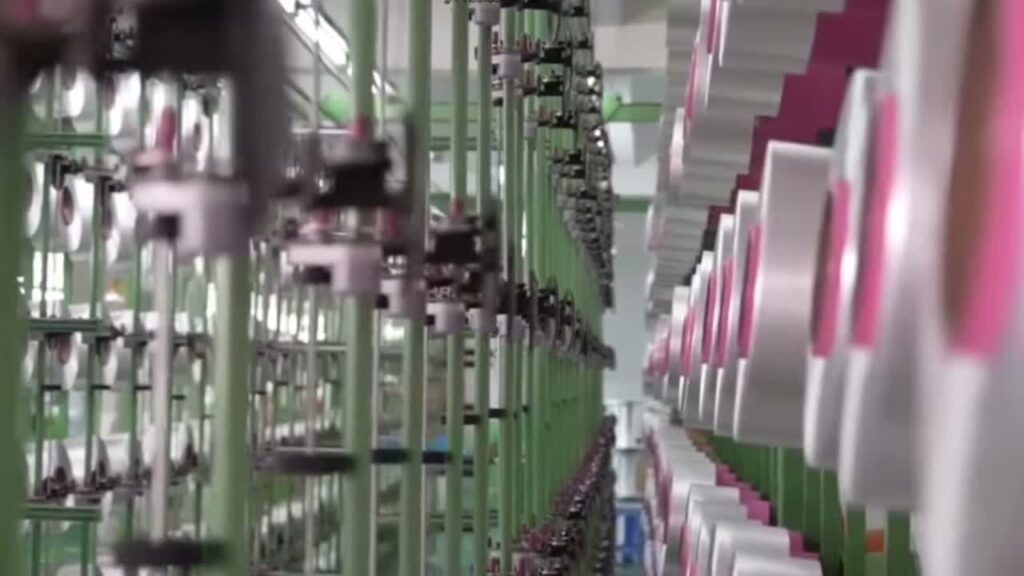
When you’re sourcing satin ribbon factory quality for a cosmetics or perfume launch, the real test isn’t a website claim or a PDF spec sheet. It’s whether the people running the looms and the dye bath will answer your call on a Friday afternoon. Many luxury procurement managers have been burned by a batch that arrived three shades off Pantone, or a foil stamp that flaked off after the second unboxing. That’s why the first question isn’t price or MOQ—it’s who owns the production floor.
The color target, measurement method, lighting conditions, and acceptance tolerance are confirmed against the buyer-approved sample and written specification.
Why Most Satin Ribbon Orders Fail: The Hidden Risks
Skipping the physical sample step causes many post-production disputes in the ribbon industry.
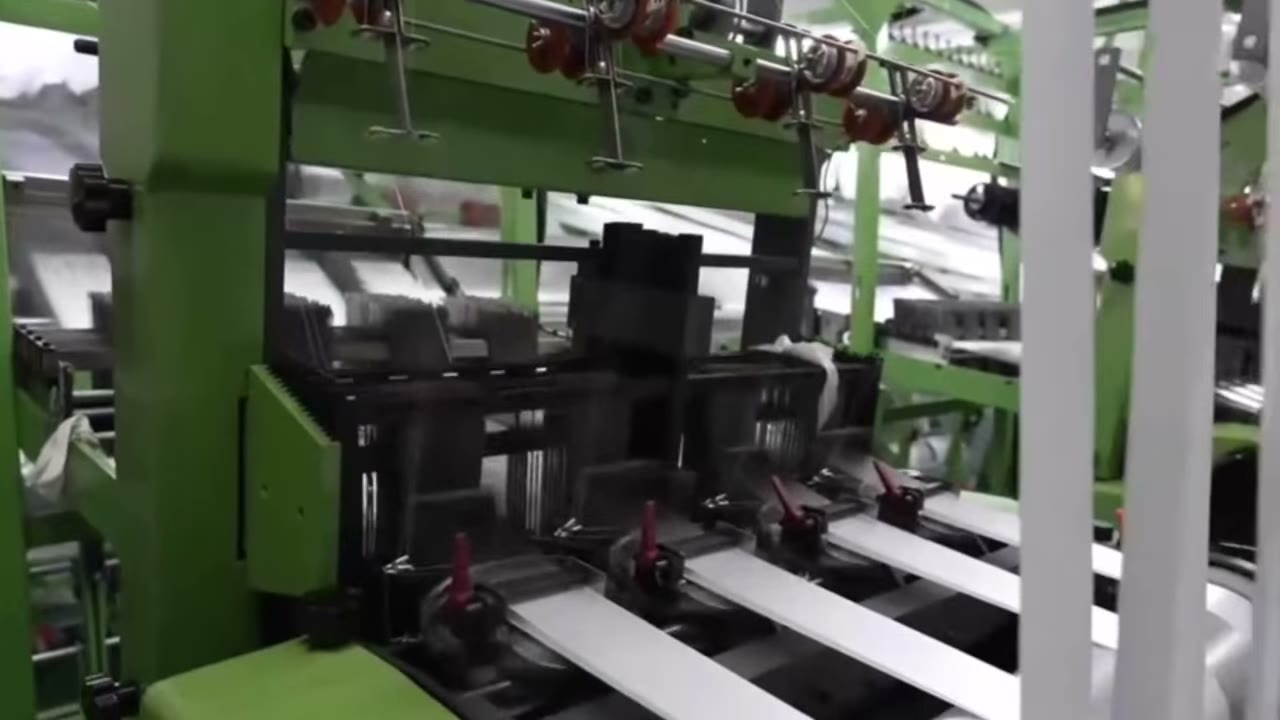
These four defects—inconsistent color, foil stamp failure, frayed edges, and artwork mismatch—aren’t random. They trace back to one root cause: a production floor that doesn’t own its dyeing, printing, or cutting equipment.
- Inconsistent color between batches: Without a spectrophotometer buyer-approved ΔE tolerance, you’re relying on the operator’s eyes. A batch-to-batch shift of buyer-approved ΔE tolerance is visible in luxury lighting. Demanding a Pantone-matched physical sample using the same production method (not a digital proof) is the only way to lock the color before bulk.
- Foil stamping that washes off: The magic isn’t the foil—it’s the curing temperature and dwell time. Factories with in-house foil stamping lines (like Lude’s six dedicated lines) control these variables. A trading company that sub-contracts printing cannot guarantee adhesion through ethanol or alcohol wipe tests required by cosmetics brands.
- Frayed edges that ruin the unboxing: Polyester satin cut with a hot knife or ultrasonic blade seals the edge. Cold-cut edges unravel after a few folds. If your supplier can’t confirm heat-sealed cutting on their production floor, expect frayed ribbons in your packaging.
- Artwork-to-production mismatch: Low-resolution RGB files get misinterpreted on a CMYK production press. Vector files (AI, EPS, PDF) at 300 dpi with Pantone references are non-negotiable. A factory that accepts ‘any format’ is likely to misprint your logo.
The fastest way to eliminate all four risks? Demand a mandatory physical sample before any bulk order. If your supplier pushes back on a sample, you’re dealing with a broker—not a manufacturer. A direct factory floor will print your color, stamp your foil, and cut your edges exactly as they will in production. That sample is your insurance policy against recurring disputes that happen when you skip it.
Real Quality Metrics: What buyer-approved ΔE tolerance Means for Your Brand
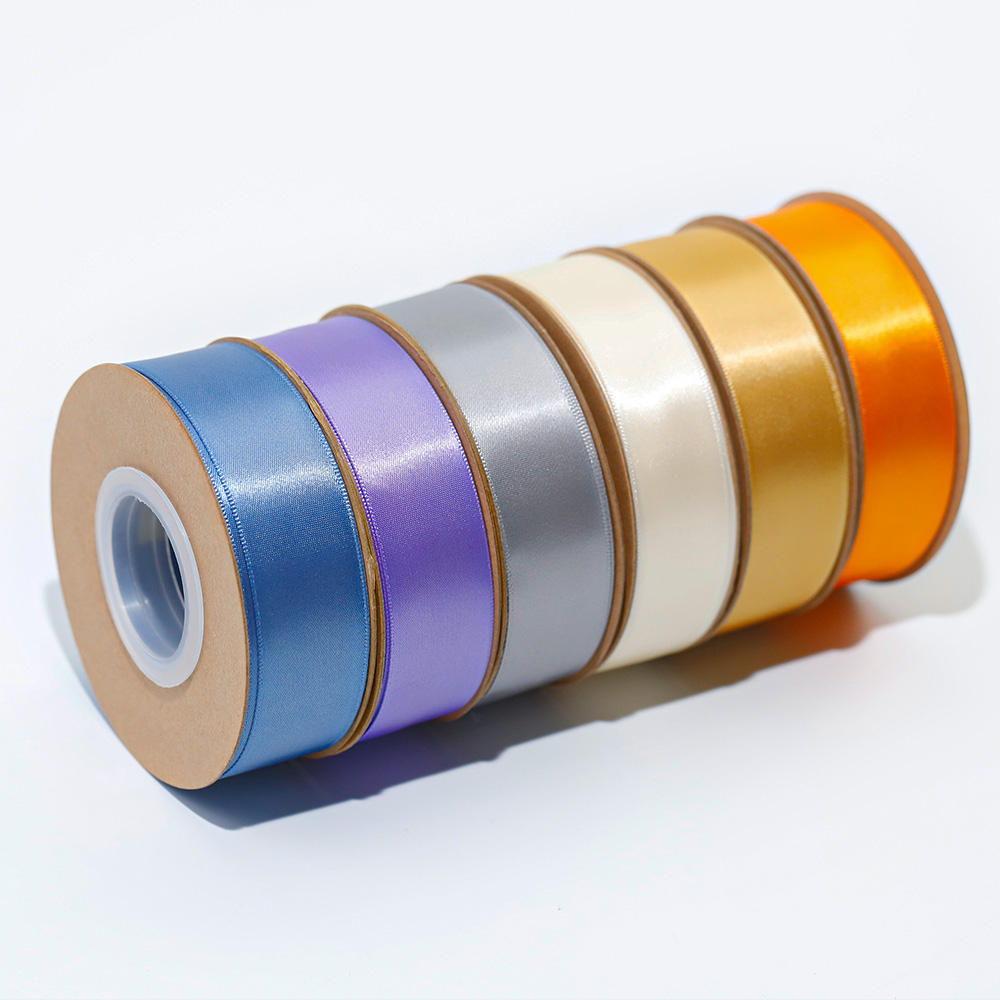
buyer-approved ΔE tolerance is the difference between a brand accent and a brand disaster.
Apply the buyer’s own brand standard. Approve color, construction, decoration, handling, inspection, and remedies on the proposed material.
- The color target, measurement method, lighting conditions, and acceptance tolerance are confirmed against the buyer-approved sample and written specification.
- Measurement Device: The X-Rite spectrophotometer (typically a Ci7600 or Ci7800 series) is a common standard in this industry. If a supplier cannot name the make and model of their color measurement equipment, or if they claim to match Pantone by ‘eye comparison’, you are buying blind. Demand a spectrophotometer calibration certificate with your sample report.
- Pricing differences among materials, widths, print methods, quantities, and packing must be calculated from dated quotations for the same approved specification.

Factory vs Trading Company: How to Spot the Real Manufacturer
A 20-minute phone call can reveal whether you are dealing with a real factory or a middleman.
Verify the supplier’s relationship with the production facility rather than treating a showroom or business label as proof. Ask who controls dye lots, weave tension and foil-stamp curing, and who owns the approval and corrective-action records. Lude Ribbon operates 80+ machines across 75 weaving looms, 5 screen-print lines and 6 dedicated foil stamping presses inside a 6,000 sqm facility. Confirm the order’s specification and process responsibilities with the assigned team.
- Red flag 1: Vague machinery answers: When asked ‘How many weaving looms do you run?’, a trading company hesitates or gives a round number. A real factory rattles off exact counts per department.
- Red flag 2: No live factory tour: If they push back on a quick video call showing the production floor, they likely don’t have one. A direct manufacturer will walk you from the dye house to the slitting station without editing.
The 3‑question phone audit that takes less than 5 minutes: (1) ‘What is the ΔE tolerance of your spectrophotometer and what brand do you use?’ — a factory answers with a number and the model (e.g., buyer-approved ΔE tolerance, X‑Rite). (2) ‘The foil stamp curing area, temperature gauge, and press are requested to be shown.’ — a real factory will turn the camera. (3) ‘What are your certifications that are registered under your own company name?’ —Oeko‑Tex and GRS certificates, and the amfori BSCI social audit report, are tied to the factory entity, not a trading license.
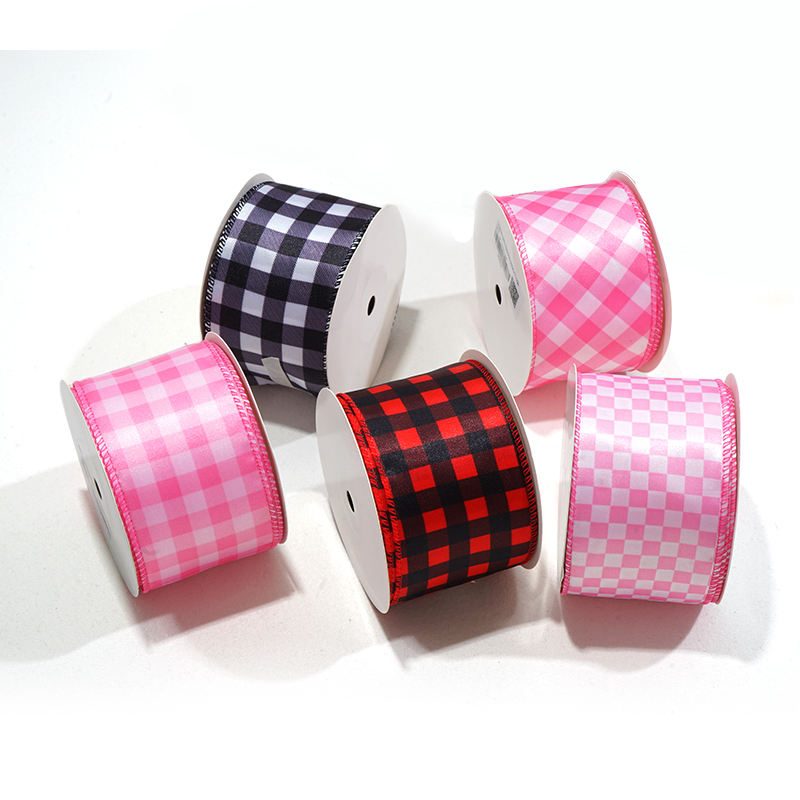
The Mandatory Sampling Process: Why Skipping It Causes many Disputes
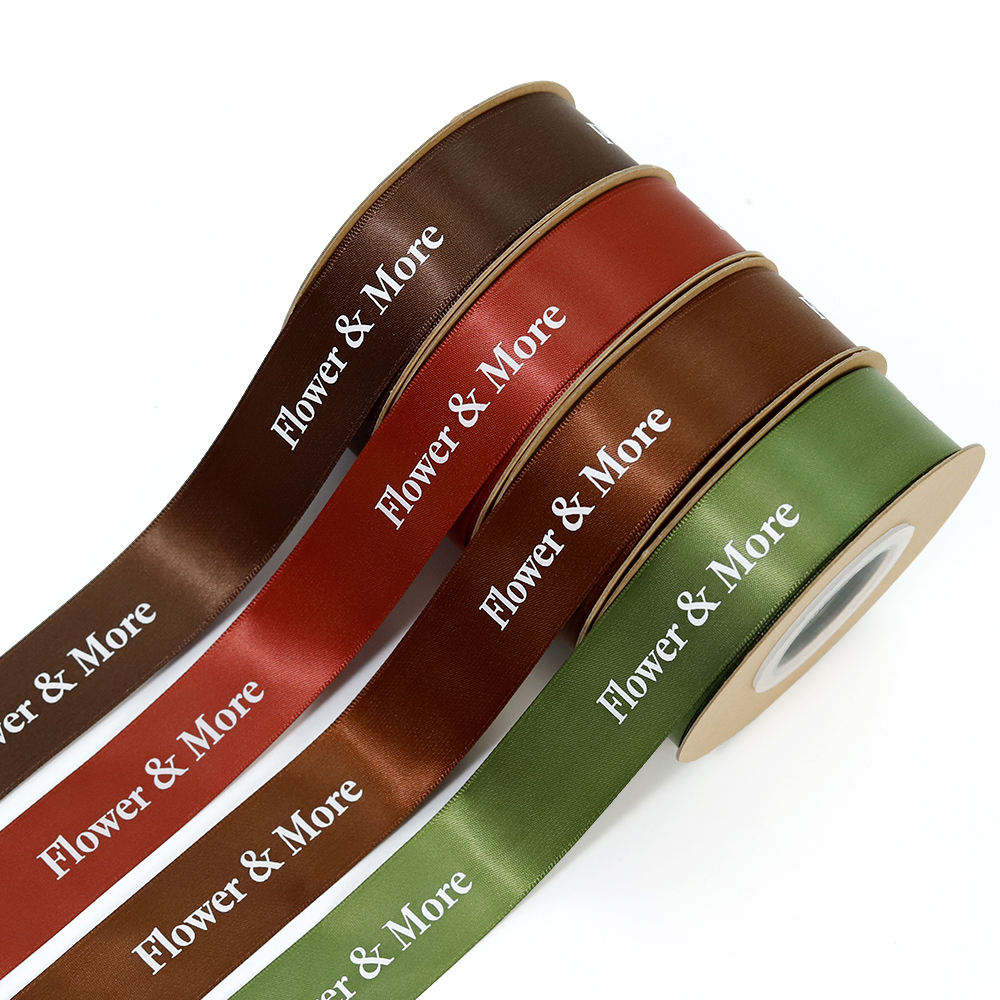
A physical sample with your Pantone color and foil stamp is the most reliable way to confirm production accuracy.
The four-phase workflow at a direct factory is straightforward: requirement intake (you submit artwork or physical reference), feasibility confirmation (the factory confirms material, print method, color-match capability, MOQ, and lead time), mandatory physical sampling (a physical sample is shipped for your approval), and bulk production with mid-run and pre-shipment inspections. The physical sample is not optional. It must include the exact Pantone color under your chosen lighting, the production-identical foil stamp with correct curing and dwell time, and the actual ribbon width and weave. Without that physical proof, you are approving a theoretical product.
Pricing differences and savings must be calculated from dated quotations for the same approved specification, quantity, packing, delivery terms, and destination.
Conclusion
A satin ribbon order lives or dies on three things: a physical sample that matches your Pantone within buyer-approved ΔE tolerance, a foil stamp that survives routine handling, and a factory that owns its looms and print lines. Skip any one of those, and you are gambling with your launch timeline and brand consistency.
If your current supplier cannot provide a spectrophotometer report, an Oeko-Tex certificate, or a live video walkthrough of the production floor, that is your sign to start shopping. Review the custom printed ribbon specifications and request a physical sample that matches your exact color and print requirements.
Frequently Asked Questions
Is satin ribbon the same as polyester?
Not exactly—satin is a weave structure, while polyester is the fiber. Most commercial satin ribbon today is made from 100% polyester, as that offers durability, color consistency, and washability. Confirm fiber content with your factory before ordering.
How to tell if ribbon is satin?
Look for a glossy face and a matte back, plus a smooth, fluid drape. Satin ribbon has a distinctive high-luster surface from its floating warp threads. Use a burn test to confirm fiber if in doubt.
How to iron a satin ribbon?
Use a low-heat setting (synthetic or silk) and always iron on the reverse side. Place a pressing cloth between the iron and the ribbon to avoid melting or shiny marks. Test on a small piece of scrap ribbon first.
What kind of ribbon is washable?
Polyester satin ribbon is machine washable on a gentle cycle and can be air-dried. Avoid cotton or organza ribbons if frequent washing is needed, as they may shrink or fray. Request wash test samples from your factory before committing.
How to seal a satin ribbon?
Use a hot knife or a lighter flame to melt the cut end, then quickly press it flat with a metal tool. This seals the polyester fibers and prevents fraying. Factory pre-finishing is more consistent than manual sealing.
Keep exploring
Recommended buyer guides
 Pre-Tied Bows for Retail Packaging: When They Reduce Labor and Rework
See when pre-tied bows reduce retail packaging labor, improve consistency, and simplify bulk packing, SKU planning, and reorders
Explore guide
Pre-Tied Bows for Retail Packaging: When They Reduce Labor and Rework
See when pre-tied bows reduce retail packaging labor, improve consistency, and simplify bulk packing, SKU planning, and reorders
Explore guide
 Velvet Ribbon Wholesale Checklist: MOQ, Finish, and Supplier Questions
Evaluate velvet ribbon wholesale options: MOQ, setup fees, unit cost, and packing. Narrow the list before requesting samples…
Explore guide
Velvet Ribbon Wholesale Checklist: MOQ, Finish, and Supplier Questions
Evaluate velvet ribbon wholesale options: MOQ, setup fees, unit cost, and packing. Narrow the list before requesting samples…
Explore guide
 Wholesale Custom Ribbon with Logo: Specs, Roll Length, and RFQ Checks
Step-by-step: Custom Ribbon With Logo. Check artwork files, print method, color target, and sample approval to avoid delays,…
Explore guide
Wholesale Custom Ribbon with Logo: Specs, Roll Length, and RFQ Checks
Step-by-step: Custom Ribbon With Logo. Check artwork files, print method, color target, and sample approval to avoid delays,…
Explore guide
 Wholesale Ribbon By The Roll: Roll length and inventory planning
Evaluate Wholesale Ribbon By The Roll options: factory capability, QC proof, lead time, and reorder reliability. Narrow the…
Explore guide
Wholesale Ribbon By The Roll: Roll length and inventory planning
Evaluate Wholesale Ribbon By The Roll options: factory capability, QC proof, lead time, and reorder reliability. Narrow the…
Explore guide
Leave a comment
Share a sourcing question or feedback on this guide. The Lude team reviews submissions before following up.