


Screen Printing vs Foil Stamping vs Heat Transfer Ribbon: Cost
Evidence and specification note: Color targets, tolerances, test methods, documentation, acceptance criteria, and remedies must be confirmed for the quoted material and written into the approved sample, specification, and sales agreement. General scenarios in this article are not guaranteed production results. Pricing and example note: Current pricing is quoted to specification. Material, width, color, decoration,…
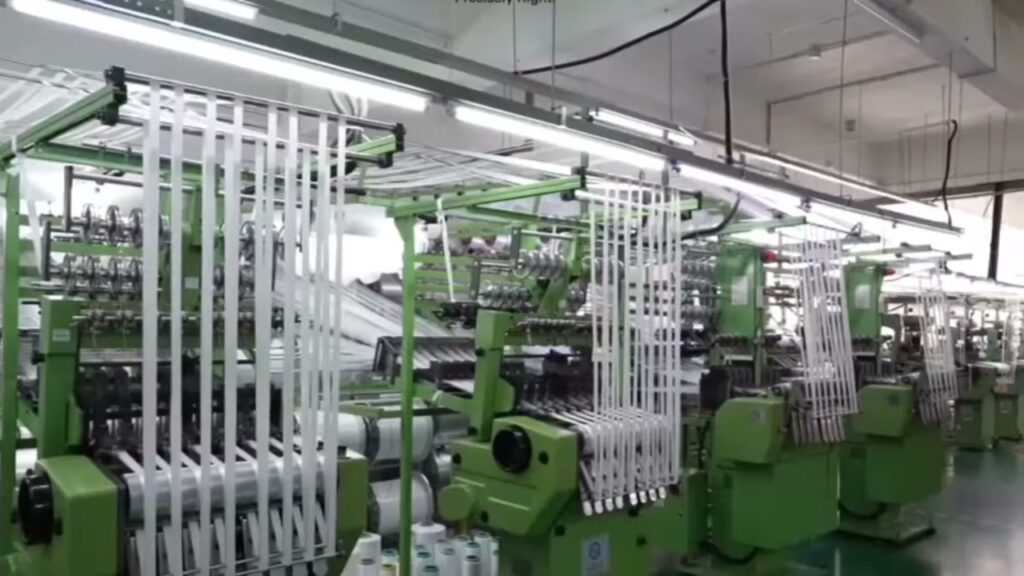
When a gift packaging distributor evaluates ribbon printing methods for a 10,000-yard order, the choice directly determines your per-yard cost and the return rate on that container. Current pricing is quoted after the material, width, decoration, quantity, packing, delivery terms, and destination are confirmed. foil stamping Setup, tooling, artwork, and sample costs are quoted after the selected process and order specification are reviewed. The real margin difference comes from how each method behaves on your actual ribbon material — not what the spec sheet says.
The color target, measurement method, lighting conditions, and acceptance tolerance are confirmed against the buyer-approved sample and written specification.
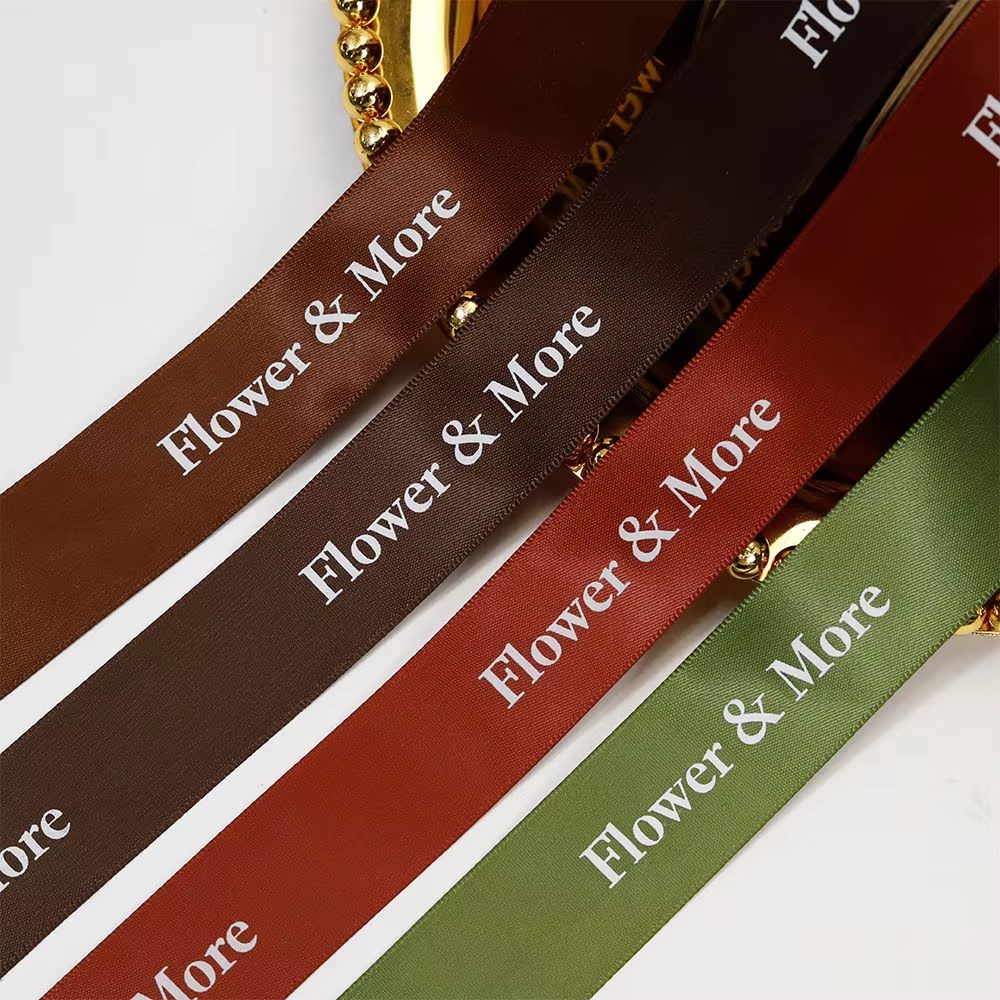
Why Your Ribbon Printing Method Choice Affects Margins and Returns
Choose the wrong print method and your margin disappears in chargebacks and dead stock.
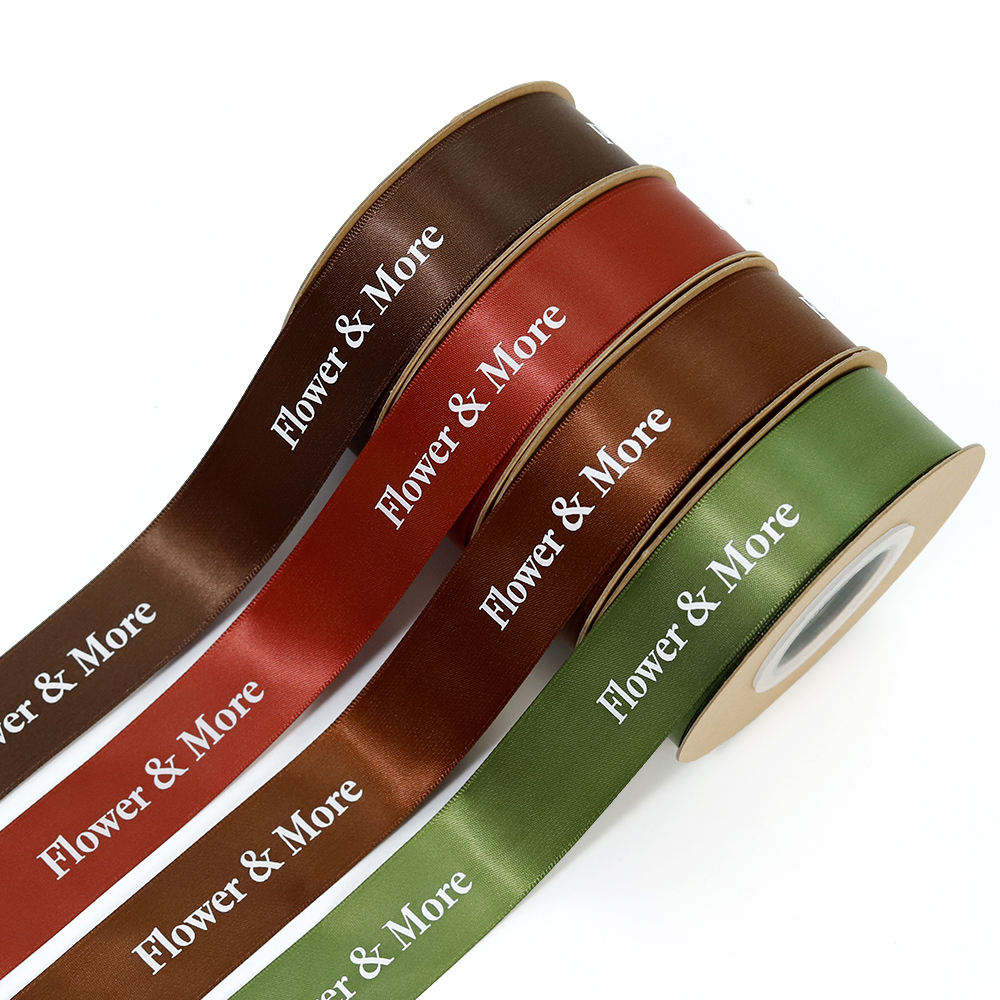
- Screen printing: Best for solid colors. MOQ 3,000 yards per design. Sample 7–14 business days, bulk 15–20 business days after sample approval. Quoted after RFQ. Risk: cracking if cure temperature drifts.
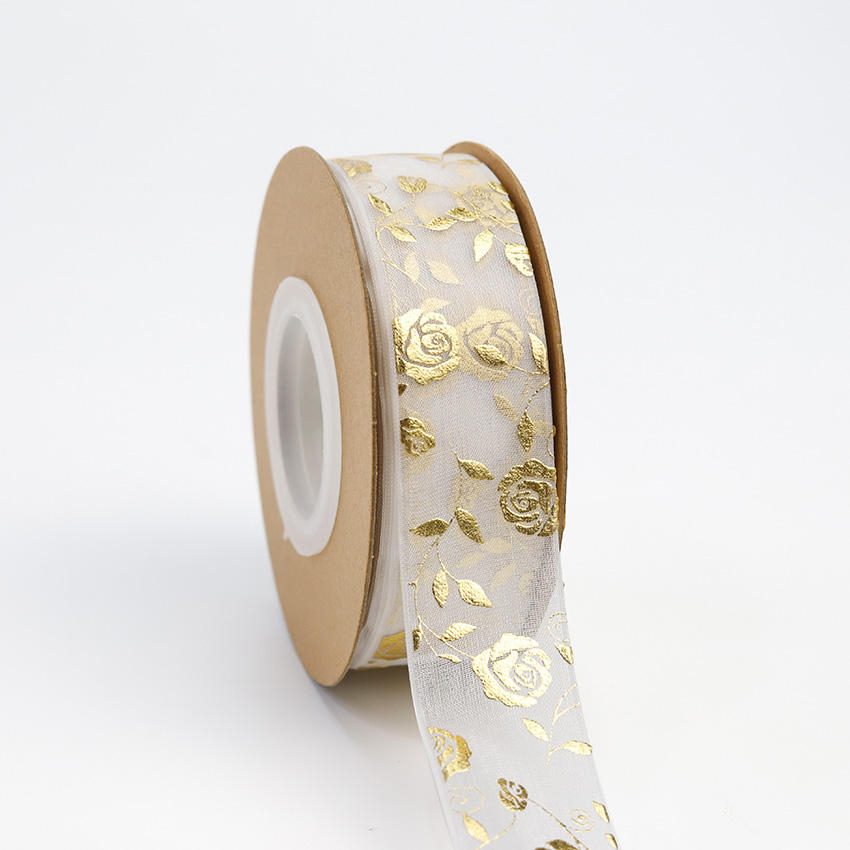
- Foil stamping: Best for premium metallic logos. Same MOQ and lead time. Quoted after RFQ. Risk: delamination on loose-weave ribbon.
Each method’s sweet spot directly affects your inventory performance. Screen printing yields the highest margin per yard for high-volume runs — ideal for gift-card ribbons and basic brand colors. Foil stamping lets you charge a premium but requires tight quality control on weave selection. Heat transfer offers design flexibility without upfront die costs, making it the go-to for limited-run, multicolor designs.
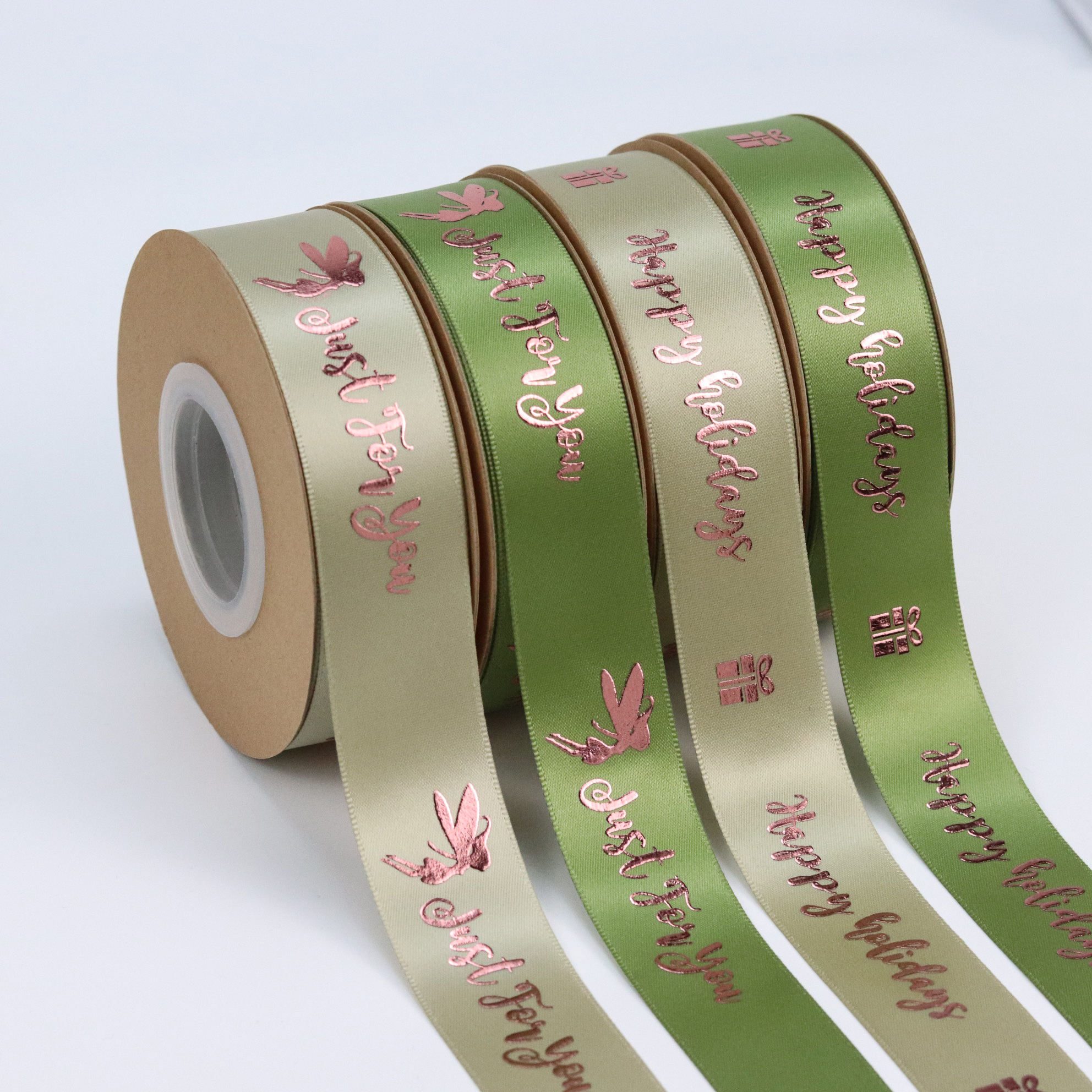
Real Cost Breakdown: Screen vs Foil vs Heat Transfer for Ribbon
Current pricing is quoted after the material, width, decoration, quantity, packing, delivery terms, and destination are confirmed.
For a distributor, screen printing offers the widest margin on volume orders. Foil stamping works only if your end customer pays a luxury markup. Heat transfer fills the gap for complex designs where screen printing would need too many screens. Physical sampling before bulk is mandatory — many post-production disputes come from skipping that step.
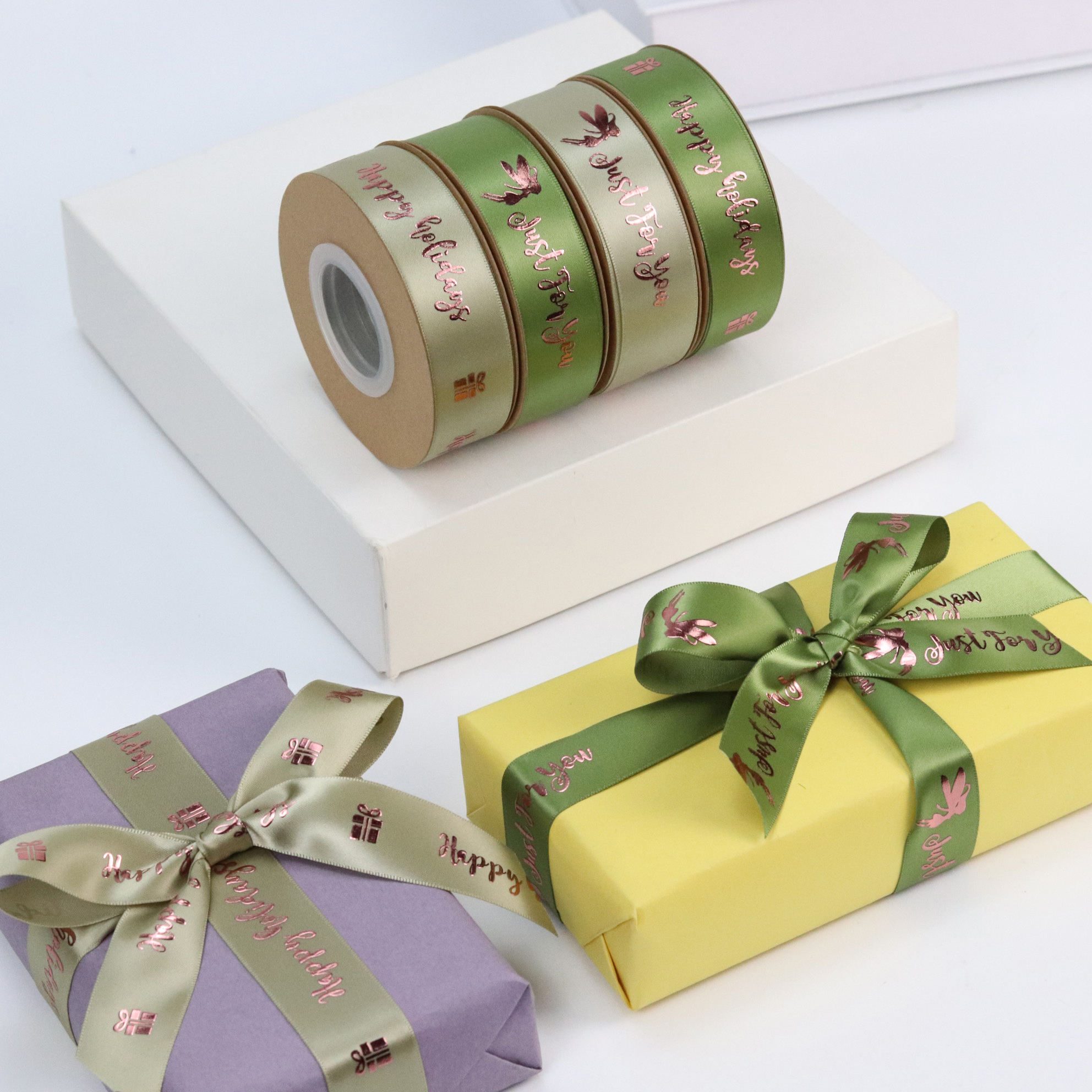
How to Choose the Right Printing Method for Your Ribbon Inventory
Screen printing for margins, foil for premium, heat transfer for complexity — but always sample first.
Your printing method choice directly impacts per-yard cost, defect rate, and your customer’s satisfaction. For a plain brand color on satin ribbon (common in gift bags), screen printing gives you the lowest unit cost with opaque, durable results. Current pricing is quoted after the material, width, decoration, quantity, packing, delivery terms, and destination are confirmed. margin-friendly option.
- The color target, measurement method, lighting conditions, and acceptance tolerance are confirmed against the buyer-approved sample and written specification.
Conclusion
Screen printing protects margins on high-volume solid-color runs. Foil stamping commands a premium but only works on tight-weave ribbons like satin — loose weaves cause delamination. Heat transfer handles complex multicolor art but can peel on satin after repeated folding. The factory’s mandatory sample step eliminates many quality disputes. Color matching at buyer-approved ΔE tolerance keeps your retail partners from rejecting shipments.
Match your print method to your end client’s packaging needs, then request a physical sample in your target material. That sample confirms adhesion, color accuracy, and feel before you commit to thousands of yards.
Frequently Asked Questions
Is it better to screen print or heat transfer?
It depends on your design complexity and budget. Screen printing is more economical for solid colors, while heat transfer suits intricate multicolor logos without die costs. Choose screen for bulk flat colors; heat transfer for complex designs.
What are the disadvantages of hot foiling?
Current pricing is quoted after the material, width, decoration, quantity, packing, delivery terms, and destination are confirmed. Foil adhesion also often fails on loose-weave ribbons, causing peeling. Reserve foil for premium lines with tight weave ribbons.
Which ribbon printing method is most profitable for resale?
Setup, tooling, artwork, and sample costs are quoted after the selected process and order specification are reviewed. Evaluate your target price point and volume to decide.
Keep exploring
Recommended buyer guides
 Pre-Tied Bows for Retail Packaging: When They Reduce Labor and Rework
See when pre-tied bows reduce retail packaging labor, improve consistency, and simplify bulk packing, SKU planning, and reorders
Explore guide
Pre-Tied Bows for Retail Packaging: When They Reduce Labor and Rework
See when pre-tied bows reduce retail packaging labor, improve consistency, and simplify bulk packing, SKU planning, and reorders
Explore guide
 Velvet Ribbon Wholesale Checklist: MOQ, Finish, and Supplier Questions
Evaluate velvet ribbon wholesale options: MOQ, setup fees, unit cost, and packing. Narrow the list before requesting samples…
Explore guide
Velvet Ribbon Wholesale Checklist: MOQ, Finish, and Supplier Questions
Evaluate velvet ribbon wholesale options: MOQ, setup fees, unit cost, and packing. Narrow the list before requesting samples…
Explore guide
 Wholesale Custom Ribbon with Logo: Specs, Roll Length, and RFQ Checks
Step-by-step: Custom Ribbon With Logo. Check artwork files, print method, color target, and sample approval to avoid delays,…
Explore guide
Wholesale Custom Ribbon with Logo: Specs, Roll Length, and RFQ Checks
Step-by-step: Custom Ribbon With Logo. Check artwork files, print method, color target, and sample approval to avoid delays,…
Explore guide
 Wholesale Ribbon By The Roll: Roll length and inventory planning
Evaluate Wholesale Ribbon By The Roll options: factory capability, QC proof, lead time, and reorder reliability. Narrow the…
Explore guide
Wholesale Ribbon By The Roll: Roll length and inventory planning
Evaluate Wholesale Ribbon By The Roll options: factory capability, QC proof, lead time, and reorder reliability. Narrow the…
Explore guide
Leave a comment
Share a sourcing question or feedback on this guide. The Lude team reviews submissions before following up.