


Ribbon Pre-Shipment Inspection Quality Checks for Bulk Orders
Shortlist Ribbon Pre-Shipment Inspection Checklist for Bulk Orders suppliers by artwork files, print method, color target, and sample approval. See which
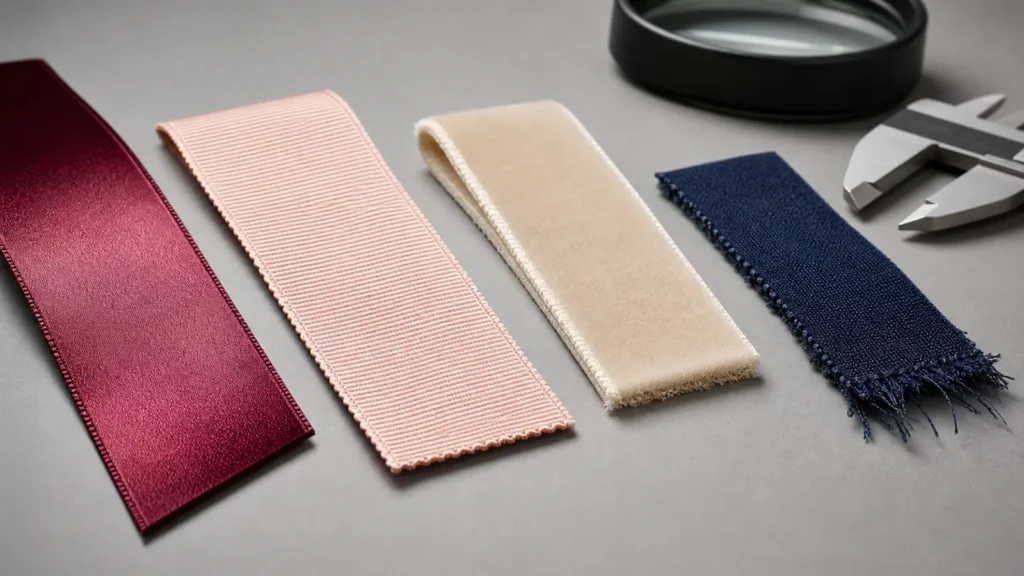
Pre-shipment inspection usually fails not because defects go unfound, but because buyer and factory never agreed what counts as a defect. The inspection report and the factory’s own QC record then describe the same cartons in incompatible terms.
Appearance faults on ribbon tend to be continuous rather than random: shade drift, skipped picks, and frayed edges run along a roll. Sampling by carton and sampling by roll therefore produce different conclusions, which is why the sampling plan belongs in the contract rather than in the inspector’s judgement.
This guide sets the inspection basis, the construction and packing checks to run, how to classify defects against release conditions, and what the pre-shipment evidence pack should contain.
Direct answer: A pre-shipment inspection only settles anything if the acceptance standard, the sampling plan, and the defect classification were agreed before production started. Fix those three in writing, then inspect construction, shade continuity along the roll, length and splice records, labelling, and carton counts against that agreement.
Copy this custom printed ribbon pre-shipment inspection checklist bulk orders approval record into the RFQ file. Keep every checked item on the same revision before releasing the order.
- ☐ Ribbon material, width, color target, and packing format
- ☐ Artwork revision, print method, placement, and repeat
- ☐ Approved sample, production reference, and exception notes
- ☐ Quantity, schedule, quote assumptions, owner, and approval date
Move the custom printed ribbon pre-shipment inspection checklist bulk orders order forward only when each gate leaves written evidence for the next. Return an unresolved specification, sample, or quote exception to its owner before bulk production.
Set the inspection basis before production
For custom printed ribbon pre-shipment inspection checklist bulk orders, compare Set the inspection basis before production against one RFQ revision. Each row should identify the requirement, approval evidence, and buyer action before production.
| Specification | Quality control | Verification method | Risk to avoid | Buyer action |
|---|---|---|---|---|
| Material / substrate | Verify substrate type, weight, and weave against the approved tech pack and sealed sample. | Compare physical ribbon to the tech pack using a calibrated scale and weave count; request a dated material certificate from the supplier. | Accepting a substitute substrate can alter ribbon hand feel, print adhesion, and bow performance, causing rework or customer rejection. | Request a sealed material sample and dated certificate from the supplier before approving bulk production. |
| Sample approval | Confirm the sealed sample matches the tech pack for color, print registration, width, and finish under buyer-specified lighting. | Inspect the sample against the tech pack using a buyer-approved viewing conditions source and a calibrated ruler; request a signed sample approval record with revision code. | Approving a sample that drifts from the spec can lead to costly rework in bulk or shipment rejection at the receiving dock. | Sign and date the sample approval record, attach it to the purchase order, and request a production sample from the first run. |
| MOQ and order quantity | Verify that the order quantity meets the supplier's confirmed MOQ per SKU and that the cost breakdown reflects the agreed volume. | Compare the purchase order quantity to the supplier's written MOQ confirmation; request a cost breakdown that lists material, printing, tooling, and packing per unit. | Ordering below the MOQ can trigger minimum charge penalties or force a split shipment that delays your production line. | Confirm the MOQ per SKU in writing during RFQ and adjust the order quantity to meet the threshold before issuing the purchase order. |
For custom printed ribbon pre-shipment inspection checklist bulk orders, use Set the inspection basis before production as the decision scope. Read the rows as one approval sequence. Start with material / substrate because accepting a substitute substrate can alter ribbon hand feel, print adhesion, and bow performance, causing rework or customer rejection. Verify it by asking the supplier to compare physical ribbon to the tech pack using a calibrated scale and weave count; request a dated material certificate from the supplier. Then resolve sample approval; approving a sample that drifts from the spec can lead to costly rework in bulk or shipment rejection at the receiving dock., so sign and date the sample approval record, attach it to the purchase order, and request a production sample from the first run. Finish with MOQ and order quantity, confirm that the supplier can compare the purchase order quantity to the supplier's written MOQ confirmation; request a cost breakdown that lists material, printing, tooling, and packing per unit., and confirm the MOQ per sku in writing during rfq and adjust the order quantity to meet the threshold before issuing the purchase order.
Keep the custom printed ribbon pre-shipment inspection checklist bulk orders supplier response, marked sample, and approval owner under the same revision number. If any proof conflicts with the approved record, hold the quote, sample, or production release until the supplier explains the deviation in writing. Before closing the checkpoint, reconcile the latest drawing, sample, quotation, and approval comments, identify which record controls if they disagree, and document the resolution. Carry the signed Set the inspection basis before production table into the purchase order and production handoff so the same checks support quote comparison, sample approval, shipment release, and later reorders.
Inspect ribbon construction and appearance
Start Inspect ribbon construction and appearance with evidence for custom printed ribbon pre-shipment inspection checklist bulk orders:
- Supplier cannot produce a sealed sample on the actual ribbon substrate before bulk production. Print adhesion, hand feel, and color may fail on the production material, causing rework or rejection. Require a printed strike-off on the exact ribbon material; compare under buyer-approved viewing conditions. Signed sample record with revision code and dated approval from the buyer. Attach the approved sample record to the purchase order before production release.
- Supplier lacks a documented roll-length measurement method or splice log for bulk runs. Short-wound rolls or unmarked splices inflate effective cost per yard and cause line stoppages. Request a dated roll-length report naming nominal length, actual measured length per roll, and splice locations. Signed roll-length report and splice log from the production run. Compare the report against the quoted nominal length and approved sample; file with the purchase order.
- Supplier proceeds to bulk production without written sample approval from the buyer. Production drifts from the approved specification; color, print registration, or width may mismatch. Confirm in writing that bulk production starts only after the buyer signs the sample approval record. Dated sample approval record with buyer signature and revision code. Hold production release until the signed approval record is received and filed.
- Supplier cannot provide a deviation log or reinspection report for defects found during production. Verbal fixes may drift into a different product; defects may be shipped without buyer knowledge. Define which defects halt shipment and which are acceptable with a signed concession; require a dated deviation log. Signed deviation log naming roll number, observed fault, corrective action, and reinspection evidence. Attach the deviation log and reinspection report to the purchase order; approve only after review.
Use custom printed ribbon to align the related specifications and RFQ inputs.
RFQ checkpoint
Confirm the route, specs, proof requirements, and quote step before sampling custom printed ribbon pre-shipment inspection checklist bulk orders.
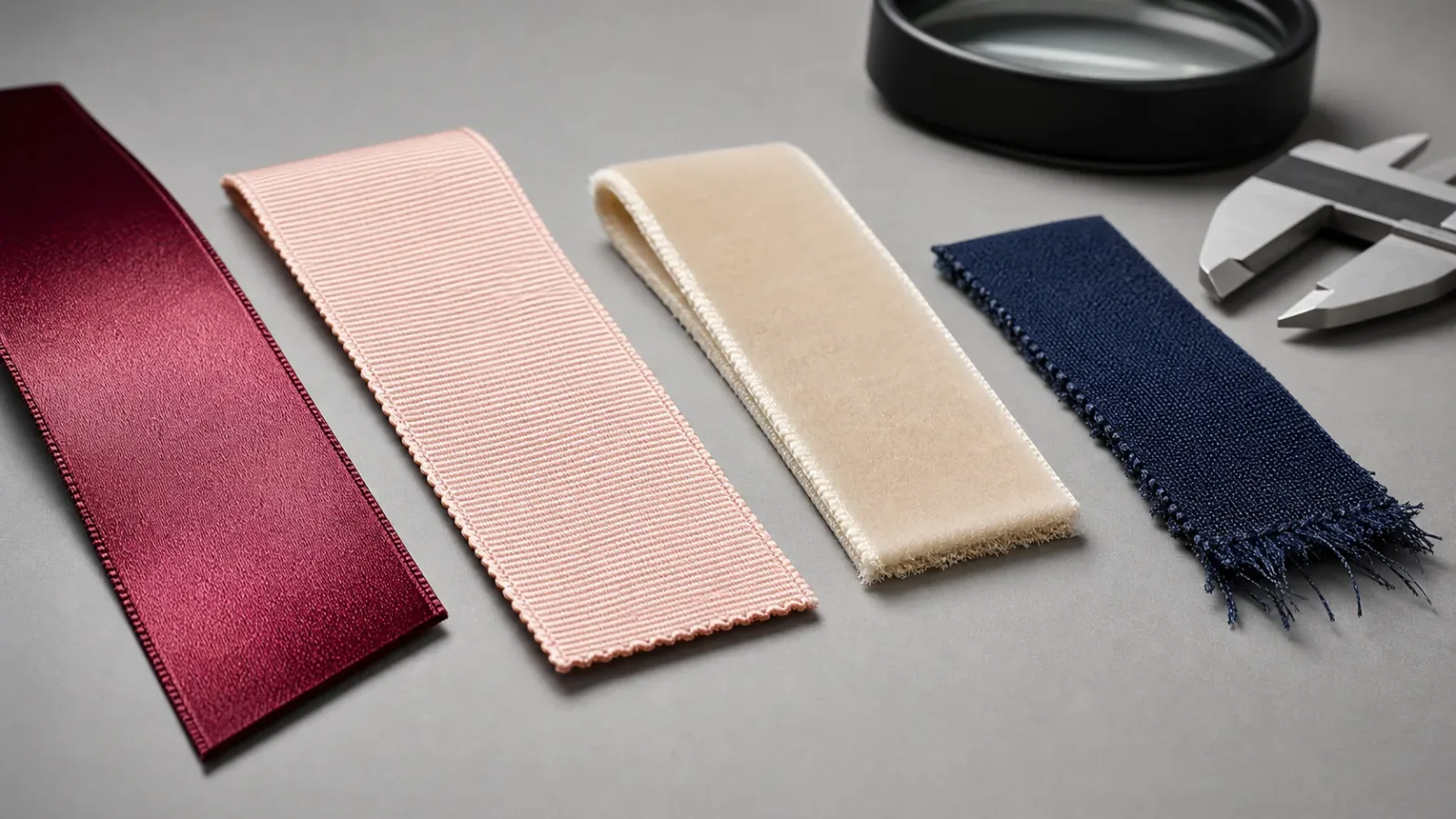
Verify roll, spool, and packing details
Approval fails when a roll of custom printed ribbon arrives with a different usable length than quoted, or when splices are unmarked and cause line runout. The control is a dated measurement report from the supplier that names the nominal length, the actual measured length per roll, and the location of every splice.
Confirm length and splice records
Ask the supplier to return a signed roll-length report from the production run that states the unit of measure, the measurement method, and the result for each roll. Request a splice log that records the position, type, and inspector ID for every join. The risk of skipping this step is approving a shipment where short-wound rolls or hidden splices inflate the effective cost per yard and cause stoppages on the packing line. Verify by comparing the report against the quoted nominal length and the approved sample roll.
Check labels, counts, and protection
Verify that each roll carries a label with the material, width, color reference, roll length, and revision number that matches the approved specification. Confirm the total roll count matches the packing list and that the protective wrap—shrink film, edge guards, or carton dividers—meets the agreed standard. A missing label or mismatched count forces a receiving hold that delays your production line. Document the label fields and packing configuration in the inspection record before release. For application-specific packing that changes carton dimensions, review gift and retail packaging ribbon solutions before finalizing the release.
| Check Point | Risk to Avoid | Verification Method | Buyer Follow-Up |
|---|---|---|---|
| Roll length vs. quoted nominal | Short winding inflates effective per-yard cost | Compare signed measurement report to approved spec | Hold shipment if any roll falls short of tolerance |
| Splice records | Unmarked splice causes runout on packing line | Request splice log with position, type, and inspector ID | Reject roll if splice is not recorded |
| Label fields and roll count | Mismatched count or missing label forces receiving hold | Cross-check label data and count against packing list | Document label fields and packing in inspection record |
| Protective wrap | Damaged wrap exposes ribbon to dirt or moisture | Verify shrink film, edge guards, or dividers match agreed standard | Require re-pack if protection is insufficient |
Carry the signed roll-length report, splice log, and packing record into the purchase order so the same baseline supports reorder consistency. A supplier that routinely provides this evidence set is one you can shortlist with confidence.
See foil printed ribbon for verify roll, spool, and packing details.
Classify defects and control release
A dated deviation log naming the affected roll, the observed fault, and the corrective action is the only verifiable proof that a bulk run stays within the approved standard. Without it, a verbal fix can drift into a different product by the next shift. The buyer must define which defects stop the line and which can be accepted with a signed concession before release.
Separate critical and cosmetic issues
State which defect halts shipment: a color shift beyond the approved sample, print misregistration that misaligns the logo, edge fray that compromises handling, or a roll length shortfall that inflates effective cost per yard. A cosmetic issue—such as a slight variation in ribbon hand feel or a minor label placement difference—may be accepted with a dated concession from the buyer. The risk of skipping this classification is approving a shipment with a defect that forces rework or customer rejection.
Document rework and reinspection
Log each deviation with the roll number, observed fault, root cause, corrective action, and the person who approved it. Attach the corrected sample or inspection photo to the record. Require the supplier to reinspect every affected roll and return a signed reinspection report before release. Carry the signed deviation log and reinspection evidence into the purchase order so the same baseline supports reorder consistency.
- Define critical defects in writing before production: color shift, misregistration, edge fray, roll length shortfall.
- Accept cosmetic issues only with a dated buyer concession naming the affected rolls and the accepted variation.
- Require a signed deviation log that names the roll number, fault, root cause, corrective action, and approval owner.
- Demand a reinspection report for every affected roll before shipment release.
Additional RFQ items include carry the signed log and reinspection evidence into the purchase order for reorder consistency.
See gift and retail packaging ribbon solutions for classify defects and control release.
Issue the pre-shipment evidence pack
Issue the pre-shipment evidence pack only when every roll of custom printed ribbon matches the RFQ-confirmed specifications. This pack serves as the final documented proof that the factory executed the order as agreed, covering specs, cost, production risk, and sample handoff.
Use the following practical checklist to compile the evidence. Each row identifies a check point, the buyer verification question, and the required documented evidence.
| Check Point | Buyer Verification Question | Documented Evidence |
|---|---|---|
| Material & Width | Does the ribbon material and width match the approved sample? | Photo showing material swatch and measurement against a ruler |
| Color & Print | Is the color within tolerance of the Pantone reference? Is print registration accurate? | Color spectrophotometer reading and print registration report |
| Roll Length & Splices | Is the usable length per roll as quoted? Are splices documented? | Length measurement log and splice deviation log |
| Packaging & Labeling | Are rolls labeled with order number, color, and length? Packaging intact? | Packaging checklist and label photos |
For a complete overview of the ordering process, refer to our guide on Bulk Custom Printed Ribbon Orders and the Custom Ribbon Wholesale Supplier Checklist. The evidence pack reduces production risk by ensuring factory execution is verified before shipment.
- Supplier proof checklist: ask for printed ribbon pre-shipment inspection orders sample records, production confirmation, QC checkpoints, and packing evidence before approval.
- Approval record: keep the approved printed ribbon pre-shipment inspection orders specification, reference files, material, sample version, and supplier confirmation in one file.
- RFQ handoff: make each supplier answer the same printed ribbon pre-shipment inspection orders requirements so price, lead time, and quality risk are comparable.
- Supplier capability context: verify the RFQ against satin ribbon, grosgrain ribbon, organza ribbon, velvet ribbon, metallic ribbon so the buyer compares the right production route.
In conclusion
The final approval of a bulk custom printed ribbon shipment rests on documented evidence that every roll meets the agreed specification. By comparing the roll-length report, splice log, and deviation records against the approved sample, buyers can verify that the supplier’s production matches the quote and protect against hidden cost risks from short-wound rolls or unmarked splices. This checklist shifts the quality burden from the receiving dock to the factory floor, ensuring that the supplier’s proof—not a verbal assurance—backs the shipment. For buyers seeking a reliable source, a supplier that routinely provides this evidence set is one you can shortlist with confidence. When you are ready to move forward, request a quote from a partner who understands the importance of pre-shipment verification.
Frequently Asked Questions
What should a ribbon inspection checklist include?
A ribbon inspection checklist should include verification of material, width, color reference, print registration, roll length, splice count, and packing configuration against the approved sample. The buyer must request a dated roll-length report and splice log from the supplier before bulk release, and confirm the nominal length and measurement method during RFQ. Without this evidence, short-wound rolls or unmarked splices can inflate the effective cost per yard and cause line stoppages. Compare the report against the approved sample and attach the inspection record to the purchase order for reorder consistency. Approving the wrong structure or supplier proof can create quality, cost, or delivery problems.
How should buyers select ribbon samples for inspection?
Select samples by comparing the physical ribbon against the tech pack for substrate, cut width, shade reference, artwork placement, and order volume. The supplier must return a sealed sample with a revision code and a dated approval record, and confirm the sample fee and revision rule during RFQ. Without this documented comparison, the sample may drift from the specification, causing costly rework in bulk. Verify the sample under buyer-approved viewing conditions and attach the signed sample record to the purchase order before production.
Which defects should stop a ribbon shipment?
Defects that stop a shipment include a color shift beyond the approved sample, print misregistration that misaligns the logo, edge fray that compromises handling, or a roll length shortfall that inflates the effective cost per yard. The buyer must define these halt criteria in a deviation log before release, and accept only cosmetic issues such as a slight hand feel variation with a signed concession. Without this classification, a shipment can pass with defects that force rework or customer rejection. Log each deviation with roll number, observed fault, corrective action, and reinspection evidence, and attach the log to the purchase order.
Keep exploring
Recommended buyer guides
 Pre-Tied Bows for Retail Packaging: When They Reduce Labor and Rework
See when pre-tied bows reduce retail packaging labor, improve consistency, and simplify bulk packing, SKU planning, and reorders
Explore guide
Pre-Tied Bows for Retail Packaging: When They Reduce Labor and Rework
See when pre-tied bows reduce retail packaging labor, improve consistency, and simplify bulk packing, SKU planning, and reorders
Explore guide
 Velvet Ribbon Wholesale Checklist: MOQ, Finish, and Supplier Questions
Evaluate velvet ribbon wholesale options: MOQ, setup fees, unit cost, and packing. Narrow the list before requesting samples…
Explore guide
Velvet Ribbon Wholesale Checklist: MOQ, Finish, and Supplier Questions
Evaluate velvet ribbon wholesale options: MOQ, setup fees, unit cost, and packing. Narrow the list before requesting samples…
Explore guide
 Wholesale Custom Ribbon with Logo: Specs, Roll Length, and RFQ Checks
Step-by-step: Custom Ribbon With Logo. Check artwork files, print method, color target, and sample approval to avoid delays,…
Explore guide
Wholesale Custom Ribbon with Logo: Specs, Roll Length, and RFQ Checks
Step-by-step: Custom Ribbon With Logo. Check artwork files, print method, color target, and sample approval to avoid delays,…
Explore guide
 Wholesale Ribbon By The Roll: Roll length and inventory planning
Evaluate Wholesale Ribbon By The Roll options: factory capability, QC proof, lead time, and reorder reliability. Narrow the…
Explore guide
Wholesale Ribbon By The Roll: Roll length and inventory planning
Evaluate Wholesale Ribbon By The Roll options: factory capability, QC proof, lead time, and reorder reliability. Narrow the…
Explore guide
Leave a comment
Share a sourcing question or feedback on this guide. The Lude team reviews submissions before following up.