


Wholesale Printed Ribbon Repeat Spacing Registration Proof Checklist
Wholesale Printed Ribbon Repeat Spacing Registration Proof Checklist: what to confirm on artwork files, print method, color target, and factory capability
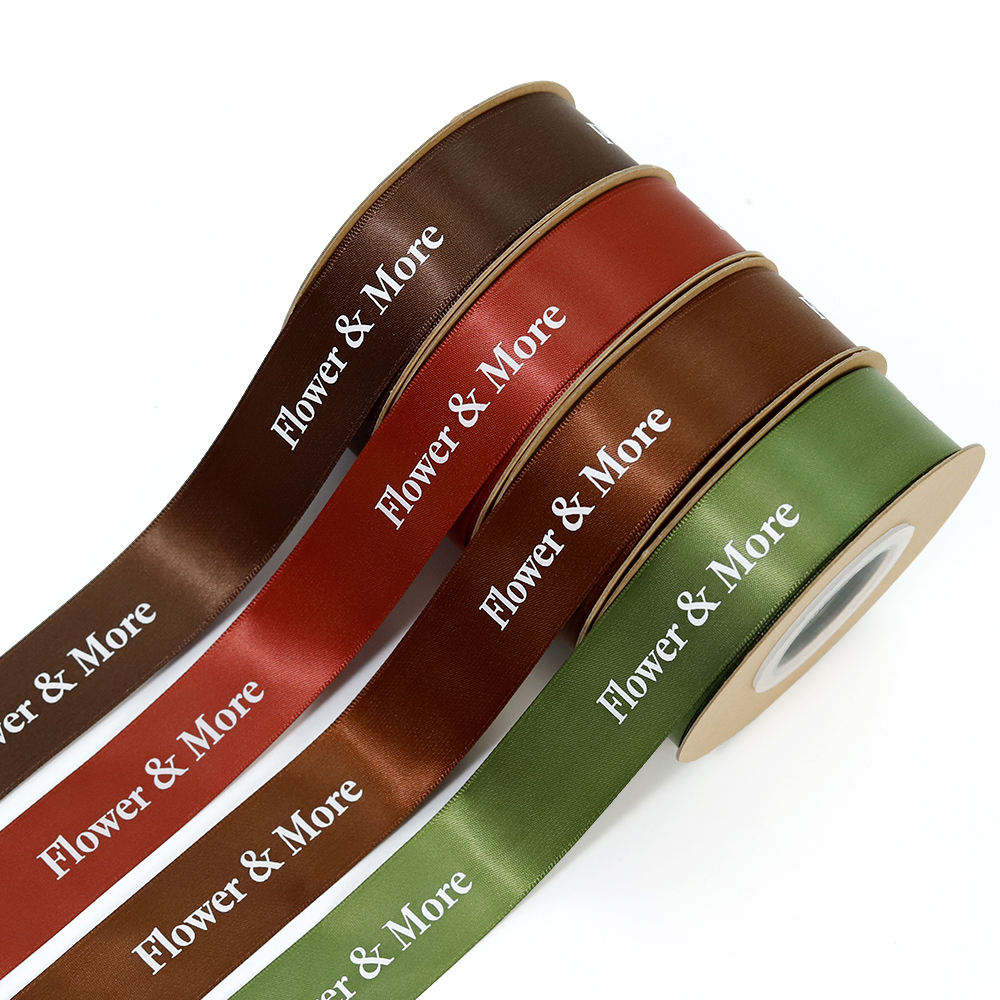
Print and finish programs look approved on screen while the physical sample still fails color, registration, adhesion, structure, or packing checks.
The factory-side check is whether artwork, material, finish, structure, and packing can be approved from one sample record.
The sections below connect design approval with physical proof, RFQ inputs, and production handoff records.
Direct answer: For printed ribbon repeat spacing proof, release the order only after the intended use, approved construction, test record, commercial terms, and sign-off responsibility all match. If one item remains unresolved, return it to the responsible buyer or supplier before bulk production.
Copy this printed ribbon repeat spacing proof approval record into the RFQ file. Keep every checked item on the same revision before releasing the order.
- ☐ Final specification and intended use
- ☐ Supplier feasibility and documented exceptions
- ☐ Sample or inspection evidence
- ☐ Commercial assumptions, owner, decision, and date
Move the printed ribbon repeat spacing proof order forward only when each gate leaves written evidence for the next. Return an unresolved specification, sample, or quote exception to its owner before bulk production.
Define the Visible Repeat on the Final Application
For printed ribbon repeat spacing proof, compare Define the Visible Repeat on the Final Application against one RFQ revision. Each row should identify the requirement, approval evidence, and buyer action before production.
| Specification | Quality control | Verification method | Risk to avoid | Buyer action |
|---|---|---|---|---|
| Finish or surface effect | Confirm gloss, matte, or textured finish matches the approved physical strike-off and RFQ specification sheet. | Compare the finish on the production sample against the sealed reference sample under a 60° gloss meter or visual light box. | Accepting a finish deviation can cause brand inconsistency, rejected packaging, or a full reprint order at your cost. | Request a finish-matching report from the supplier before bulk production release. |
| Artwork or logo file | Verify the vector file (AI, EPS, or PDF) contains exact logo dimensions, repeat interval, and edge clearance as per the approved quotation. | Open the artwork file in Adobe Illustrator and measure the repeat spacing and logo boundaries against the spec sheet tolerances. | Using an unverified artwork file can cause registration drift, cut-off logos, and a rejected shipment that delays your launch. | Approve the artwork file only after cross-checking dimensions and repeat data with the RFQ-confirmed specification. |
| Sample approval | Ensure the physical sample matches the digital proof, artwork file, and RFQ specification for repeat interval, logo placement, and registration. | Measure the repeat spacing at three points on the ribbon sample and compare logo scale, color, and edge sharpness against the approved artwork. | Approving a sample without full verification can lead to bulk production with misaligned logos, wasted material, and costly rework. | Sign the sample approval form only after all measurements match the specification and attach it to the purchase order. |
For printed ribbon repeat spacing proof, use Define the Visible Repeat on the Final Application as the decision scope. Read the rows as one approval sequence. Start with finish or surface effect because accepting a finish deviation can cause brand inconsistency, rejected packaging, or a full reprint order at your cost. Verify it by asking the supplier to compare the finish on the production sample against the sealed reference sample under a 60° gloss meter or visual light box.
Keep the printed ribbon repeat spacing proof supplier response, marked sample, and approval owner under the same revision number. If any proof conflicts with the approved record, hold the quote, sample, or production release until the supplier explains the deviation in writing. Before closing the checkpoint, reconcile the latest drawing, sample, quotation, and approval comments, identify which record controls if they disagree, and document the resolution. Carry the signed Define the Visible Repeat on the Final Application table into the purchase order and production handoff so the same checks support quote comparison, sample approval, shipment release, and later reorders.
Set Logo Size Spacing and Edge Clearance
Start Set Logo Size Spacing and Edge Clearance with evidence for printed ribbon repeat spacing proof:
- Logo size, repeat spacing, and edge clearance in artwork file: Misaligned logos or cut-off design in bulk production Buyer or procurement lead Compare vector artwork (AI/EPS/PDF) against RFQ-confirmed dimensions and repeat interval Approve artwork revision and attach to purchase order
- Physical sample repeat spacing measurement: Registration drift across ribbon length Quality assurance or buyer Measure repeat interval at three points on sample; verify within tolerance Document measurement and sign sample approval form
- Lead time assumptions based on approved artwork revision: Delayed production if artwork revisions cause re-sampling Buyer and supplier production planner Confirm lead time starts from artwork approval; check if sample approval adds days Update purchase order with confirmed lead time
- Signed sample approval form with unique reference code: Specification drift in reorders without baseline sample Buyer and supplier quality manager Verify sample revision number matches quotation and artwork file Retain sealed reference sample; attach approval form to PO
Additional RFQ items include supplier QC documentation and AQL levels: Undefined defect acceptance leads to inconsistent quality Buyer Request AQL level and defect classification in writing Confirm QC documentation attached to same revision number as sample.
See foil printed ribbon for set logo size spacing and edge clearance.
RFQ checkpoint
Check the product route for sizes, structures, materials, finishes, and RFQ details before sampling printed ribbon repeat spacing proof.
Confirm Print Orientation and Roll Direction
At this checkpoint, the approved repeat spacing proof must show the exact print orientation and roll direction that will be used in production. Without this confirmation, the factory cannot guarantee that logos will align correctly on the final ribbon roll.
- Verify print orientation – Confirm whether the design runs parallel or perpendicular to the ribbon edge. Ask your supplier: “Is the repeat spacing proof set to the same orientation as the bulk production roll?”
- Check roll direction – Determine if the ribbon unwinds from the top or bottom of the roll. This affects how the pattern appears when cut and applied. Request a written confirmation from the factory before proceeding.
- Match the RFQ specification – Ensure the proof matches the orientation and direction stated in your RFQ. If the RFQ did not specify, add a buyer verification question: “What is the standard roll direction for this ribbon width and repeat spacing?”
- Assess production risk – Misaligned orientation can cause logos to appear upside down or off-center, leading to rejected batches. Confirm that the factory’s registration system accounts for roll direction during printing.
Document the handoff – Save the confirmed proof with orientation and direction notes. This becomes part of the sample handoff package for the next stage.
Before moving to the next stage, you must have a proof that clearly states the print orientation and roll direction, verified by the factory. Use the table below to track key details.
| Checkpoint | Requirement | Buyer Verification Question |
|---|---|---|
| Print orientation | Design direction matches RFQ | Is the repeat spacing proof set to the same orientation as bulk production? |
| Roll direction | Unwind direction specified | What is the standard roll direction for this width and repeat? |
| Proof documentation | Written factory confirmation | Can you provide a signed proof with orientation and roll direction noted? |
Once these details are locked, the repeat spacing registration proof is ready for the next workflow step. For more on OEM/ODM ribbon development, see our OEM and ODM ribbon development.
Approve Registration on a Physical Sample
For printed ribbon repeat spacing proof, treat Approve Registration on a Physical Sample as a release rule: approve only when the supplier evidence matches the written requirement.
- 2. Verify print orientation and roll direction: Specification sheet stating print orientation (e.g., top-to-bottom) and roll direction (e.g., left-to-right). Proof clearly showing exact print orientation and roll direction as used in production. Missing orientation confirmation can cause misaligned logos on final ribbon roll, requiring costly re-runs. Compare proof orientation against specification; request corrected proof if mismatch found.
- 3. Check color density and edge sharpness: Pantone reference and approved color target from RFQ. Sample showing color density within visual tolerance and sharp edges without bleed. Color drift or edge bleed can cause brand inconsistency and rejected packaging. Compare sample color under light box; request revised strike-off if deviation exceeds acceptable tolerance.
- 4. Confirm lead time and cost drivers: Itemized quote covering material, print method, setup, sample, and packing costs. Written lead-time confirmation (15–20 business days after spec confirmation) and cost breakdown. Low unit price may hide sample or setup fees; unconfirmed lead time risks production delays. Verify lead-time assumptions match approved sample; hold release if cost drivers are unclear.
- 5. Document approval and retain reference sample: Signed sample approval form and purchase order with reference code. Sealed reference sample retained by supplier for future reorder matching. Verbal approval allows specification drift; reorders may not match original sample without reference. Attach approved sample reference to PO; confirm supplier retains sealed sample before bulk production.
RFQ details to send
Compare the supplier’s itemized quote against the approved specification to ensure material, print method, setup, sample, and packing costs are listed. Verify that lead-time assumptions (15–20 business days after spec confirmation) are consistent with the approved sample. A low unit price without written cost drivers often signals hidden fees that inflate total cost.
Production handoff details
Document the approved sample with a reference code and attach it to the purchase order. Confirm that the supplier retains a sealed reference sample for future reorder matching. Before authorizing bulk production, ensure that the signed sample approval form, RFQ-confirmed specification, and cost breakdown are reconciled under the same revision number.
Use gift and retail packaging ribbon solutions to align the sample and production handoff.
Lock Artwork and Repeat Data for Bulk
An unclear repeat spacing specification on a printed ribbon proof—especially for satin ribbon—can lead to misaligned designs and costly re-runs. Without a precise approval record, both buyer and supplier face unpredictable costs. The Lude Ribbon editorial team creates practical B2B buying guides from factory experience. Use this checklist to lock artwork and repeat data before bulk production.
Supplier evidence to request
For printed ribbon repeat spacing proof, use this checkpoint within lock Artwork and Repeat Data for Bulk to confirm sample ownership, QC evidence, change-control responsibility, and the supplier contact who signs the record.
Sample approval evidence
For printed ribbon repeat spacing proof, use this checkpoint under lock Artwork and Repeat Data for Bulk to connect artwork files, print target, finish sample, packing method, and buyer approval evidence.
Reorder control records
For printed ribbon repeat spacing proof, compare this checkpoint with the signed physical sample before approving lock Artwork and Repeat Data for Bulk for production.
See Lude Ribbon factory for lock artwork and repeat data for bulk.
- Cost breakdown table: compare printed ribbon repeat spacing registration proof quotes by specification, material, customization, development, packing, quantity, inspection, and freight assumptions.
- send the product specification, reference files, target quantity, branding or packing inputs, sample requirement, and delivery terms in the same RFQ.
- Red flag list: pause printed ribbon repeat spacing registration proof quotes that hide development, sample, tooling, lead-time, quality, or reorder assumptions behind one unit price.
- Supplier capability context: verify the RFQ against grosgrain ribbon, organza ribbon, velvet ribbon, metallic ribbon so the buyer compares the right production route.
Conclusion: Release the Order Only After the Evidence Matches the Approved Sample
The final approval for a printed ribbon order rests on one rule: release only when every piece of evidence—digital proof, physical sample, and RFQ-confirmed specification—matches the approved sample. Before authorizing bulk production, check that the repeat interval, logo dimensions, edge clearance, and print orientation align exactly with the signed-off artwork and quotation. Compare the supplier’s documented proof against your specification sheet, verify that the cost drivers and lead-time assumptions are consistent with the approved sample, and confirm that the supplier has retained a sealed reference sample for future reorder matching. This checklist ensures that no deviation in registration, spacing, or material quality slips into production, protecting your brand consistency and avoiding costly rework or rejected shipments.
Checklist limits
This checklist is a buyer-side approval guide, not a guarantee of print performance or order success. It does not set universal tolerances for every ink system, ribbon material, print method, width, or finishing process. Registration and color acceptance limits vary by artwork, substrate, equipment, and supplier process, so the RFQ must record the project-specific measurement method, tolerance, inspection stage, and approval owner. When the construction or print route changes, approve a new physical sample instead of carrying the earlier result forward.
To request a quote, visit custom printed ribbon and confirm the final specification, quote assumptions, sample approval, QC evidence, approval risk, and supplier follow-up before bulk order.
Printed Ribbon Repeat Spacing and Registration Proof Checklist FAQ
What drawings and operating inputs should buyers send for printed ribbon repeat spacing review?
For printed ribbon repeat spacing proof, turn the answer into a written RFQ note: intended use, ribbon width, material, finish, packing method, and approval owner. Ask the supplier what sample proof or QC record will confirm the same result in production. A vague answer can turn into quote mismatch, sample delay, packing damage, or repeat-order drift. Confirm MOQ and order quantity by color, width, artwork, and packing route.
Which printed ribbon repeat spacing sample checks and supplier records should buyers approve?
Compare the supplier’s itemized quote against your approved specification to ensure material, print method, setup, sample, and packing costs are listed. Verify that lead-time assumptions (15–20 business days after spec confirmation) are consistent with the approved sample. A low unit price without written cost drivers often signals hidden fees that inflate total cost. Confirm MOQ and order quantity by color, width, artwork, and packing route.
What printed ribbon repeat spacing settings and traceability details should be frozen for production?
Before approving the proof, check that the repeat interval, logo dimensions, edge clearance, and print orientation align exactly with the signed-off artwork and quotation. Compare the supplier’s documented proof against your specification sheet, and confirm that the supplier has retained a sealed reference sample for future reorder matching. This ensures no deviation in registration or spacing slips into production. Confirm MOQ and order quantity by color, width, artwork, and packing route.
RFQ handoff: Confirm the route, specs, proof requirements, and quote step before sampling printed ribbon repeat spacing proof. Send Specs for Review.
Source check: ISO 2859-1 sampling inspection standard; Promotional Product Sample Approval Checklist Before Bulk Produ….
Keep exploring
Recommended buyer guides
 Wholesale Custom Ribbon with Logo: Specs, Roll Length, and RFQ Checks
Step-by-step: Custom Ribbon With Logo. Check artwork files, print method, color target, and sample approval to avoid delays,…
Explore guide
Wholesale Custom Ribbon with Logo: Specs, Roll Length, and RFQ Checks
Step-by-step: Custom Ribbon With Logo. Check artwork files, print method, color target, and sample approval to avoid delays,…
Explore guide
 Ribbon Cutting Ribbon Custom Order: Specs, Roll Length, and RFQ Checks
Shortlist Ribbon Cutting Ribbon Custom Order suppliers by sample approval, color tolerance, and QC checks. See which options…
Explore guide
Ribbon Cutting Ribbon Custom Order: Specs, Roll Length, and RFQ Checks
Shortlist Ribbon Cutting Ribbon Custom Order suppliers by sample approval, color tolerance, and QC checks. See which options…
Explore guide
 Wholesale Custom Organza Ribbon: Specs, Roll Length, and RFQ Checks
Custom Organza Ribbon — a practical checklist covering artwork files, print method, color target, and sample approval for…
Explore guide
Wholesale Foil Printed Ribbon: Custom Specs, Samples, and RFQ Checks
Foil printed ribbon: what to check on artwork files, print method, color target, and sample approval before placing…
Explore guide
Wholesale Custom Organza Ribbon: Specs, Roll Length, and RFQ Checks
Custom Organza Ribbon — a practical checklist covering artwork files, print method, color target, and sample approval for…
Explore guide
Wholesale Foil Printed Ribbon: Custom Specs, Samples, and RFQ Checks
Foil printed ribbon: what to check on artwork files, print method, color target, and sample approval before placing…
Explore guide
Leave a comment
Share a sourcing question or feedback on this guide. The Lude team reviews submissions before following up.