


Organza Ribbon Colors: Color selection and stock planning
Which Organza Ribbon Colors options deserve an RFQ? Compare sample approval, color tolerance, QC checks, and material to find the right production partner
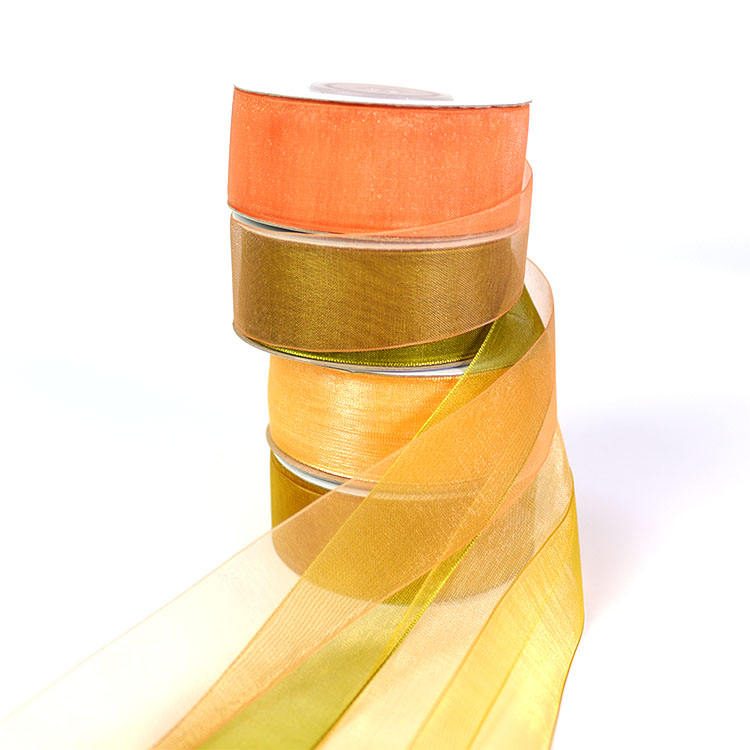
For packaging, retail, event, and wholesale buyers, organza ribbon colors becomes expensive when the buyer only compares surface details. A vague spec, missing quote input, weak sample check, or unclear supplier responsibility can change cost, delay approval, or create reorder problems.
Expert note: The Lude Ribbon editorial team works with ribbon manufacturing, sampling, printing, quality control, and export service specialists to create practical buying guides for importers, brands, wholesalers, and procurement teams.
This article helps you pick the best-fit option for a real project, not the most generic best item. You will see what to check, why it matters commercially, what risk to watch for, and what action to take before quote, sample, or bulk order approval.
When organza ribbon colors fit bulk or custom orders
| Use case | Recommended choice | Spec note | Risk note | Follow-up |
|---|---|---|---|---|
| Buyer ordering solid-color organza ribbon for event sashes or packaging ribbon where color consistency across one dye lot is critical | Plain stock organza ribbon from existing inventory colors | Verify color availability against Lude Ribbon's current stock color swatch; standard widths apply; lead time 15–20 business days after spec confirmation | Custom dyeing introduces shade variation risk and MOQ negotiable; may miss event deadline | Request stock color list and confirm width and yardage before PO |
| Buyer needing a specific Pantone-matched organza ribbon for brand packaging or retail display | Custom-dyed organza ribbon via RFQ | Provide Pantone reference; width, construction, and yardage confirmed by RFQ; MOQ negotiable; lead time quoted by RFQ after spec and sample approval | Sample approval required before bulk; color shift possible between dye lots; MOQ confirmed by RFQ | Submit RFQ with Pantone, width, and quantity; request sample yardage for color approval |
| Buyer ordering printed organza ribbon with logo or design for event or promotion | Printed organza ribbon via mainstream printing method | Artwork required; MOQ 3,000 yards per design/program; lead time 15–20 business days after art approval; Pantone reference for ink mixing | Artwork approval risk; color match risk between screen and ribbon; MOQ may be high for small run | Submit artwork and Pantone reference; request printed sample for color and registration approval before bulk |
| Buyer ordering organza ribbon for award rosettes or ceremony sashes | Ribbon flowers/rosettes or sashes from stock or custom | For stock: 1,000 pieces per style; for custom: RFQ required; lead time 15–20 business days after spec confirmation | Color consistency across pieces critical; custom dyeing may introduce shade variation; MOQ may be high for small order | Confirm stock availability or submit RFQ for custom; request sample piece for color and construction approval |
| Buyer needing organza ribbon for high-volume packaging or retail program with repeat orders | Plain stock organza ribbon with reorder program | Stock color and width; MOQ 1,500 yards per color; lead time 15–20 business days; reorder consistency check via packing and color log | Color shift between production runs; packing consistency risk; reorder lead time may vary | Request reorder program details; confirm color and packing specification; request production sample for color and packing check |
Best-fit buyer scenarios
Check the physical sample against the dieline, material specification, and product-fit requirement. Record the accepted tolerance or revision so production and QC use the same reference.
Cases where another ribbon option is safer
Set the buyer acceptance rule in writing: name the approved sample or standard, keep the evidence record, assign the approval owner, and require supplier confirmation before bulk production.
Key specs buyers should compare
| RFQ input | Quote impact | What to verify | Risk to avoid | Supplier follow-up |
|---|---|---|---|---|
| Verify material composition, width tolerance, color reference, finish type, and packing specification. | Ensures product matches buyer's end-use requirements and prevents mismatch at delivery. | Organza ribbon width tolerance as buyer-approved, color matched to Pantone code, finish: matte, packing: 100yd rolls. | Incorrect material or finish leads to rejection, delay, and rework costs. | Request spec sheet with measurements and packing details before quoting. |
| Confirm printing method, artwork format, sample approval procedure, and reorder consistency. | Avoids delays due to unapproved artwork or mismatched reorder colors. | Printing on organza; 3,000 yd MOQ per design; sample approval before bulk. | Production halted if artwork not confirmed; reorder may not match original. | Submit artwork for pre-production sample and agree on reorder lead time. |
| List all required technical specs: width, color (Pantone/TPX), material, weight, and construction. | Clear specs prevent ambiguity and ensure consistent quality. | Organza ribbon width as buyer-approved, Pantone 14-4103 TPX, polyester, weight per metre as buyer-provided. | Supplier may use different specs, causing product non-compliance. | Provide a detailed spec sheet in RFQ. |
| Confirm which MOQ applies to the order. | MOQ affects pricing and inventory planning; incorrect MOQ causes order rejection. | Plain stock organza ribbon: 1,500 yds per color; custom color: confirm by RFQ; printed: 3,000 yds per design. | Order may be refused or require special negotiation. | Check MOQ table and adjust order quantity or request RFQ for custom. |
| Standard production lead time is 15–20 business days after spec confirmation. | Affects project schedule; urgent orders may need expedite. | Bulk organza ribbon production: 15–20 business days; sample approval time is added separately. | Delivery delays cause missed deadlines; no buffer for rework. | Confirm production lead time and plan accordingly; request expedite if needed. |
| Identify cost drivers: material type, custom color, width, printing, quantity, packing. | Helps negotiate pricing and optimize specification to reduce cost. | Custom colored organza ribbon adds dyeing cost; printed ribbon increases setup fee. | Unclear cost drivers lead to unexpected price increases. | Request a cost breakdown by driver to identify savings opportunities. |
Material, width, color, finish, and packing
Compare the sample with the approved artwork, dieline, color target, and finish notes. If anything is unclear, pause approval until the supplier confirms how it will be repeated in bulk production.
Printing, sample, and reorder requirements
Compare the sample with the approved artwork, dieline, color target, and finish notes. If anything is unclear, pause approval until the supplier confirms how it will be repeated in bulk production.
For product context, review ribbon quality and color control after the buyer has confirmed specifications, sample records, and RFQ assumptions.
RFQ checkpoint
Help buyers prepare ribbon specifications, artwork, quantity, packaging requirements, and timeline before requesting a quote.
Material, finish, and use-case decision table
| Risk signal | Why it matters | Buyer response | Proof to request | Follow-up |
|---|---|---|---|---|
| Supplier offers organza ribbon in generic 'assorted colors' without specifying Pantone or color code | Color mismatch between sample and bulk order is common; no color standard means no repeatable shade for reorders or multi-lot programs | Ask for Pantone reference or physical color swatch for each color before quoting | Pantone code or Lude Ribbon color swatch card with batch number | Request a color swatch set and confirm Pantone target before RFQ |
| MOQ for custom-dyed organza ribbon is quoted as a fixed low number without RFQ confirmation | Custom dye requires minimum production run; a fixed low MOQ may hide per-yard surcharge or lead to order rejection | Confirm that custom color or width organza ribbon MOQ is negotiable and must be confirmed by RFQ | Written RFQ confirmation with MOQ, price, and lead time for the specific color and width | Submit an RFQ with Pantone target, width, and quantity to get confirmed MOQ and cost |
| Supplier claims all organza ribbon printing methods are available but cannot explain suitability for sheer material | A supplier-confirmed print or finishing process may not adhere well to organza; wrong method causes poor adhesion, color bleed, or fabric damage | Ask which printing method is recommended for organza and request a sample print on actual material | Printed sample on organza ribbon with the proposed method, plus written process suitability note | Request a printed sample on organza before approving bulk production |
| Quality inspection plan for organza ribbon does not include lightfastness or colorfastness testing | Organza is sheer and can fade or bleed in sunlight or washing; missing tests risk returns or end-user complaints | Ask if the supplier includes AQL inspection and lightfastness/colorfastness checks per ISO 2859-1 | Inspection report or certificate showing lightfastness and colorfastness test results | Include lightfastness and colorfastness requirements in the QC checklist and request test reports |
| Buyer accepts organza ribbon color approval via digital photo only, without physical sample | Screen color varies; digital approval alone leads to bulk color mismatch, rework costs, and shipment delays | Insist on a physical sample approval before bulk production; use Lude Ribbon's sample approval check process | Signed physical sample approval form with date and batch reference | Request a physical color sample and sign off before production release |
| Supplier cannot provide a reorder consistency check for organza ribbon color across batches | Without a retained sample or color standard, reorder lots may differ from original, causing brand inconsistency | Ask if the supplier retains a sealed sample from the first order and uses it for color matching on reorders | Retained sample record or color standard reference for the original order | Confirm reorder color matching procedure and request a retained sample be kept |
How to compare options
Set the buyer acceptance rule in writing: name the approved sample or standard, keep the evidence record, assign the approval owner, and require supplier confirmation before bulk production.
What changes MOQ, cost, and lead time
Set the buyer acceptance rule in writing: name the approved sample or standard, keep the evidence record, assign the approval owner, and require supplier confirmation before bulk production.
For product context, review custom printed ribbon after the buyer has confirmed specifications, sample records, and RFQ assumptions.
Common selection mistakes
Use the table to lock each specification before RFQ, sample approval, or bulk order. It connects quality control, verification method, buyer risk, and next action in one check.
| Specification | Quality control | Verification method | Buyer risk | Next action |
|---|---|---|---|---|
| Material / substrate | Confirm organza material composition and weight per spec sheet. | Request material data sheet and compare to agreed substrate specification. | Wrong substrate leads to poor drape, print adhesion, or durability. | Request RFQ with material spec and ask for sample swatch. |
| Width or size tolerance | Measure width at multiple points; tolerance as buyer-approved. | Use calibrated ruler or width gauge on 3 random samples per roll. | Off-width ribbon causes packaging or assembly fit failures. | Ask for width tolerance in RFQ and request pre-production sample. |
| Color and dye-lot control | Match to Pantone reference; check dye-lot consistency across rolls. | Visual comparison under D65 light using Pantone Formula Guide. | Color variation between lots results in rejected finished goods. | Request RFQ with Pantone code and ask for dye-lot sample approval. |
| Artwork or logo file | Verify artwork resolution, color separation, and print-ready format. | Inspect file at full scale; confirm vector or 300dpi raster. | Low-res artwork causes blurry print; wrong colors waste production. | Submit vector artwork; request RFQ and ask for print proof sample. |
| Sample approval | Check sample against all specs: material, width, color, print, feel. | Physical inspection and measurement; sign off on approval sheet. | Skipping sample approval leads to bulk production errors and rework. | Request sample; approve in writing before bulk production release. |
Choosing by unit price only
Set the buyer acceptance rule in writing: name the approved sample or standard, keep the evidence record, assign the approval owner, and require supplier confirmation before bulk production.
Skipping sample or quality checks
Keep the approval record practical: sample version, spec sheet, decision date, approver, and supplier confirmation. That gives both teams one reference if bulk output is questioned later.
For product context, review gift and retail packaging ribbon solutions after the buyer has confirmed specifications, sample records, and RFQ assumptions.
When to request samples or a quote
| RFQ input | Quote impact | What to verify | Risk to avoid | Supplier follow-up |
|---|---|---|---|---|
| Organza ribbon color target and width specification | Color and width directly affect dyeing feasibility, MOQ, and production cost for custom orders | Specify Pantone reference or physical swatch for custom color; confirm width in inches or millimeters | Misalignment between expected and delivered color; production delays due to re-dyeing or re-weaving | Submit Pantone code or ship physical swatch with RFQ; confirm width against stock availability |
| Approval checks before bulk production release | Prevents costly rework or rework of non-conforming material | Approve lab dip, color standard, and width measurement against approved sample | Bulk production may proceed with unapproved specs, leading to reject or rework | Sign off lab dip approval form; conduct in-line width check before bulk run |
| Organza ribbon material construction and finish type | Material type (e.g., 7/0 denier) and finish (e.g., dye or print) affect cost, MOQ, and lead time | Specify 7/0 denier organza, plain or printed, and any coating or treatment | Incorrect material or finish may cause poor performance, color shift, or print adhesion failure | Confirm material spec with supplier; request technical data sheet or sample card |
| MOQ for organza ribbon order | MOQ determines minimum order value, production feasibility, and unit cost | Stock color organza ribbon starts at 1,500 yards per color; custom color or width requires RFQ confirmation | Order placed below MOQ may be rejected or incur expedite fee or delayed production | Check MOQ table for stock options; submit RFQ for custom specs to confirm minimum |
| Lead time for organza ribbon production | Lead time impacts inventory planning, shipping schedule, and project timeline | Standard production lead time is 15–20 business days after spec confirmation | Missed delivery window may disrupt downstream packaging, labeling, or retail launch | Confirm lead time in RFQ; request production schedule and shipping window |
| Cost driver for organza ribbon order | Cost per yard varies by material, width, color, quantity, and printing method | Custom color dyeing adds cost vs stock color; printing adds setup cost per design | Budget overrun or uncompetitive pricing due to unaccounted cost variables | Request itemized RFQ with full spec; compare cost per yard for stock vs custom options |
Quote-ready inputs to prepare
Set the buyer acceptance rule in writing: name the approved sample or standard, keep the evidence record, assign the approval owner, and require supplier confirmation before bulk production.
Approval checks before bulk production
Transfer the approved sample record into a production handoff that names the final files, material, structure, print, finish, packing, QC checkpoints, and schedule basis. Ask the supplier to acknowledge the same version before production starts.
For product context, review ribbon resources after the buyer has confirmed specifications, sample records, and RFQ assumptions.
Conclusion
When sourcing organza ribbon colors, successful procurement requires aligning your color target, width, and quantity with the supplier’s MOQ and lead time. For stock colors from existing inventory, Lude Ribbon’s minimum is 1,500 yards per color with a standard production lead time of 15–20 business days, while custom Pantone dyeing requires an RFQ to confirm feasibility and pricing. Printed organza programs start at 3,000 yards per design, and each order should be validated through a sample approval process to minimize color and quality risk. To move forward, prepare your detailed specifications—including color reference (e.g., Pantone number), width, yardage, and packing requirements—then request a quote from the manufacturer to lock in commercial terms and production timing.
Final buyer checks before moving forward
Set the buyer acceptance rule in writing: name the approved sample or standard, keep the evidence record, assign the approval owner, and require supplier confirmation before bulk production.
Conclusion – Quote-ready inputs to prepare
Set the buyer acceptance rule in writing: name the approved sample or standard, keep the evidence record, assign the approval owner, and require supplier confirmation before bulk production.
Supplier or sample action to take next
Transfer the approved sample record into a production handoff that names the final files, material, structure, print, finish, packing, QC checkpoints, and schedule basis. Ask the supplier to acknowledge the same version before production starts.
To request a quote, visit organza ribbon and confirm the final specification, quote assumptions, sample approval, QC evidence, buyer risk, and next action before bulk order.
FAQs About Organza Ribbon Colors
This part shows how organza ribbon colors affects specification fit, cost exposure, production risk, supplier execution, and approval timing.
What artwork, color, width, and packing details should I prepare for a custom Organza Ribbon Colors quote?
For a custom Organza Ribbon Colors quote, prepare the exact Pantone or color reference, desired width, and total yardage. Also specify packing type—such as spools, rolls, or inner boxes—and confirm whether the color is from existing inventory or a custom dye. Custom colors and widths require an RFQ to determine MOQ and pricing, as these are not standard stock options.
When should I request a physical sample before confirming bulk Organza Ribbon Colors production?
Request a physical sample after your artwork, color target, width, and packing details are finalized, but before committing to bulk production. For custom-dyed organza, a sample confirms color accuracy and material hand-feel. Always approve the sample in writing to lock specifications and reduce the risk of bulk quality disputes.
What changes in logo, material, or finishing can delay a custom Organza Ribbon Colors order?
Changes to the logo design, color formula, ribbon width, or finishing type—such as edge sealing or stiffness—can delay production. Each revision may require new sampling and re-approval. To avoid delays, freeze all artwork and material specs before the RFQ and sample stage.
How can buyers avoid inaccurate quotes, bad samples, quality disputes, delivery delays, reorder variation, or supplier mismatch when sourcing Organza Ribbon Colors?
To avoid inaccurate quotes and quality disputes, provide complete specifications—including Pantone code, width, and packing—in the initial RFQ. Request a pre-production sample and approve it in writing. Confirm the MOQ and lead time per the supplier’s product manual, and for custom organza colors, verify these details by RFQ. Use a sample approval checklist to ensure reorder consistency.
What should buyers confirm before ordering Organza Ribbon Colors?
Before ordering Organza Ribbon Colors, confirm the exact color reference (e.g., Pantone), width, and total yardage. Verify whether the color is a stock option or custom dye, as custom colors require RFQ-based MOQ and pricing. Also confirm the production lead time—standard is 15–20 business days after spec approval—and request a physical sample for color and quality approval before bulk production.
Keep exploring
Recommended buyer guides
 Wholesale Custom Ribbon with Logo: Specs, Roll Length, and RFQ Checks
Step-by-step: Custom Ribbon With Logo. Check artwork files, print method, color target, and sample approval to avoid delays,…
Explore guide
Wholesale Custom Ribbon with Logo: Specs, Roll Length, and RFQ Checks
Step-by-step: Custom Ribbon With Logo. Check artwork files, print method, color target, and sample approval to avoid delays,…
Explore guide
 Ribbon Cutting Ribbon Custom Order: Specs, Roll Length, and RFQ Checks
Shortlist Ribbon Cutting Ribbon Custom Order suppliers by sample approval, color tolerance, and QC checks. See which options…
Explore guide
Ribbon Cutting Ribbon Custom Order: Specs, Roll Length, and RFQ Checks
Shortlist Ribbon Cutting Ribbon Custom Order suppliers by sample approval, color tolerance, and QC checks. See which options…
Explore guide
 Wholesale Custom Organza Ribbon: Specs, Roll Length, and RFQ Checks
Custom Organza Ribbon — a practical checklist covering artwork files, print method, color target, and sample approval for…
Explore guide
Wholesale Foil Printed Ribbon: Custom Specs, Samples, and RFQ Checks
Foil printed ribbon: what to check on artwork files, print method, color target, and sample approval before placing…
Explore guide
Wholesale Custom Organza Ribbon: Specs, Roll Length, and RFQ Checks
Custom Organza Ribbon — a practical checklist covering artwork files, print method, color target, and sample approval for…
Explore guide
Wholesale Foil Printed Ribbon: Custom Specs, Samples, and RFQ Checks
Foil printed ribbon: what to check on artwork files, print method, color target, and sample approval before placing…
Explore guide
Leave a comment
Share a sourcing question or feedback on this guide. The Lude team reviews submissions before following up.