


Order Custom Logo Ribbon: Step-by-Step Guide for Buyers
Evidence and specification note: Color targets, tolerances, test methods, documentation, acceptance criteria, and remedies must be confirmed for the quoted material and written into the approved sample, specification, and sales agreement. General scenarios in this article are not guaranteed production results. Pricing and example note: Current pricing is quoted to specification. Material, width, color, decoration,…
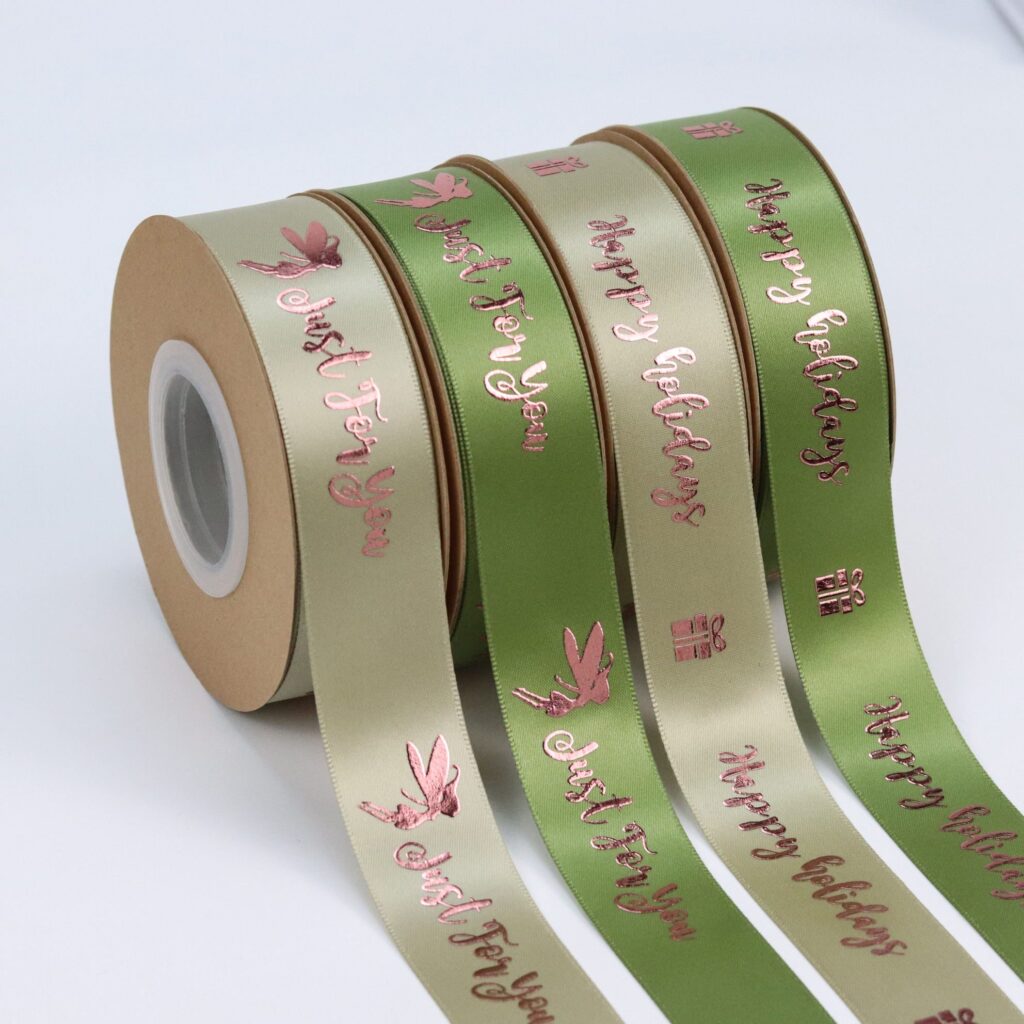
Define the buyer-approved acceptance criteria and verify the selected material with a dated sample or production-lot record.
Your leverage is the data. Current pricing is quoted after the material, width, decoration, quantity, packing, delivery terms, and destination are confirmed. Compare dated quotations at the relevant volume tiers; the price change depends on material, width, print method, setup, packing, delivery terms, and schedule. That kind of volume math matters when you are projecting landed cost for a Q4 launch. But price is only half the equation. The same production line that churns out 3 million yards of ribbon a month also has to lock color within a color tolerance stated in the approved sample and specification. If a supplier cannot or will not state that number in writing, you are betting on the wrong partner.
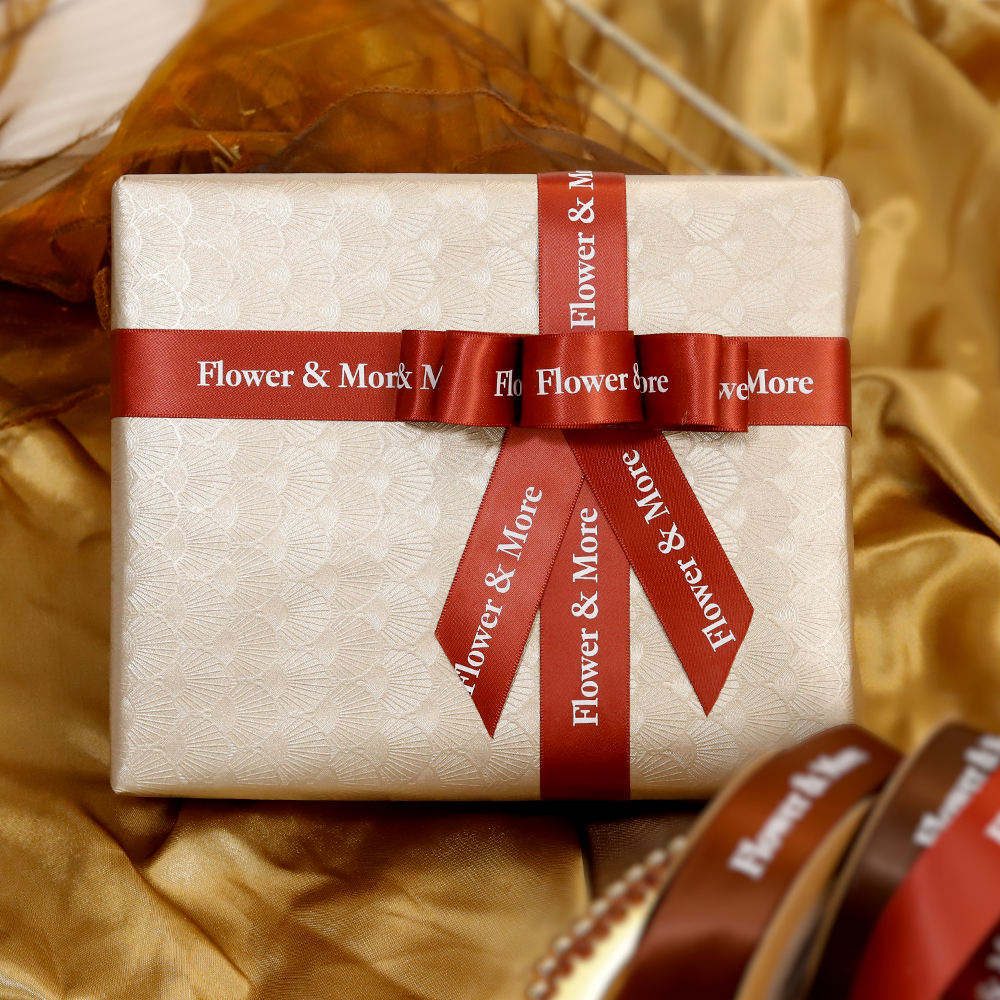
Why Most Orders Fail Before Production Starts
Many post-production disputes trace back to skipping the physical sample.
Three root causes kill custom ribbon orders before they hit the loom: low-resolution artwork, unverified color expectations, and bypassing physical sampling. Each is avoidable if you know where the trap lies.
- Any quality guarantee, acceptance threshold, and remedy must be stated in the approved specification and sales agreement.
- Apply the buyer’s own brand standard. Approve color, construction, decoration, handling, inspection, and remedies on the proposed material without inferring a customer relationship from a general example.
- Skipping the physical sample: Without a tangible sign-off, there is no baseline for color, print alignment, or material hand feel. The factory forbids skipping this step.
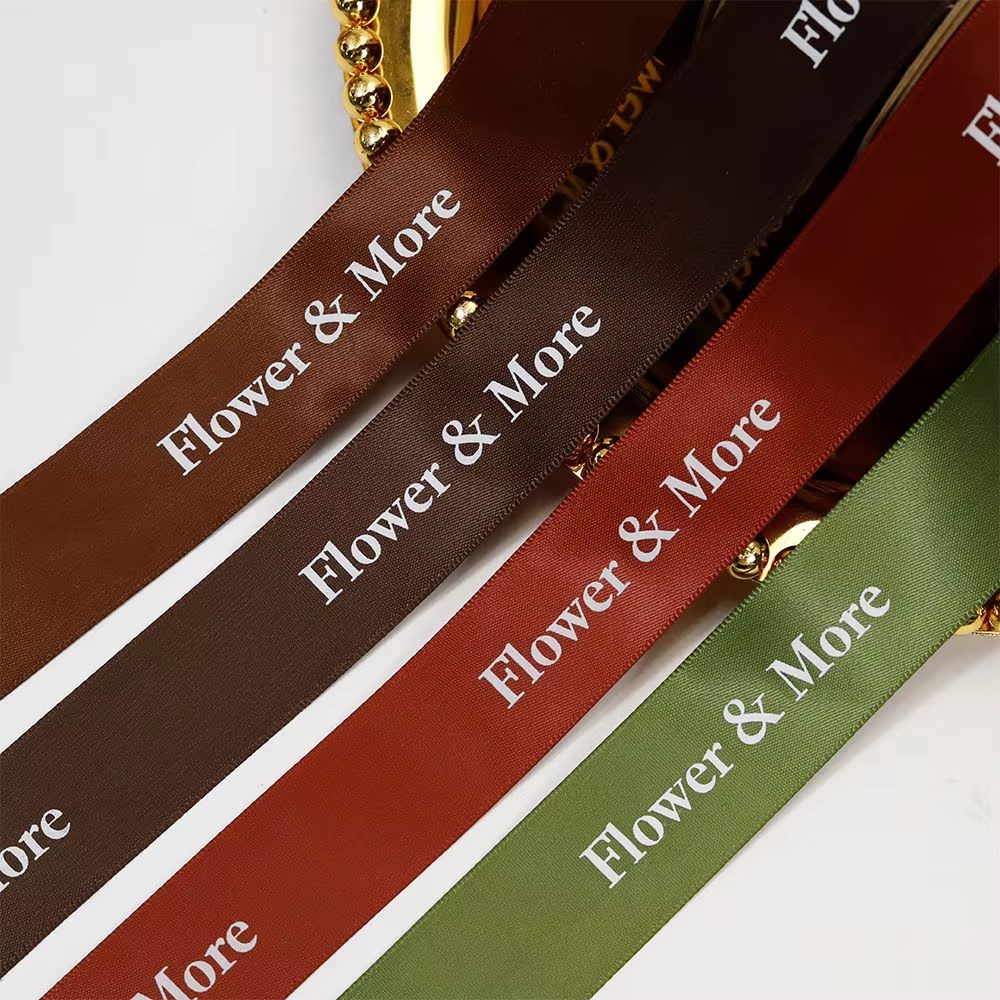
Real Cost Breakdown: Custom Logo Ribbon in 2026
Current pricing is quoted after the material, width, decoration, quantity, packing, delivery terms, and destination are confirmed.
Pricing differences among materials, widths, print methods, quantities, and packing must be calculated from dated quotations for the same approved specification.
- Foil stamping: Quoted after RFQ. The premium comes from etched dies and slower press speeds. Cheaper suppliers often skip the sealing layer – that’s why your foil rubs off after three months.
- Pricing differences among materials, widths, print methods, quantities, and packing must be calculated from dated quotations for the same approved specification.
Pricing differences among materials, widths, print methods, quantities, and packing must be calculated from dated quotations for the same approved specification.
Pricing differences among materials, widths, print methods, quantities, and packing must be calculated from dated quotations for the same approved specification.
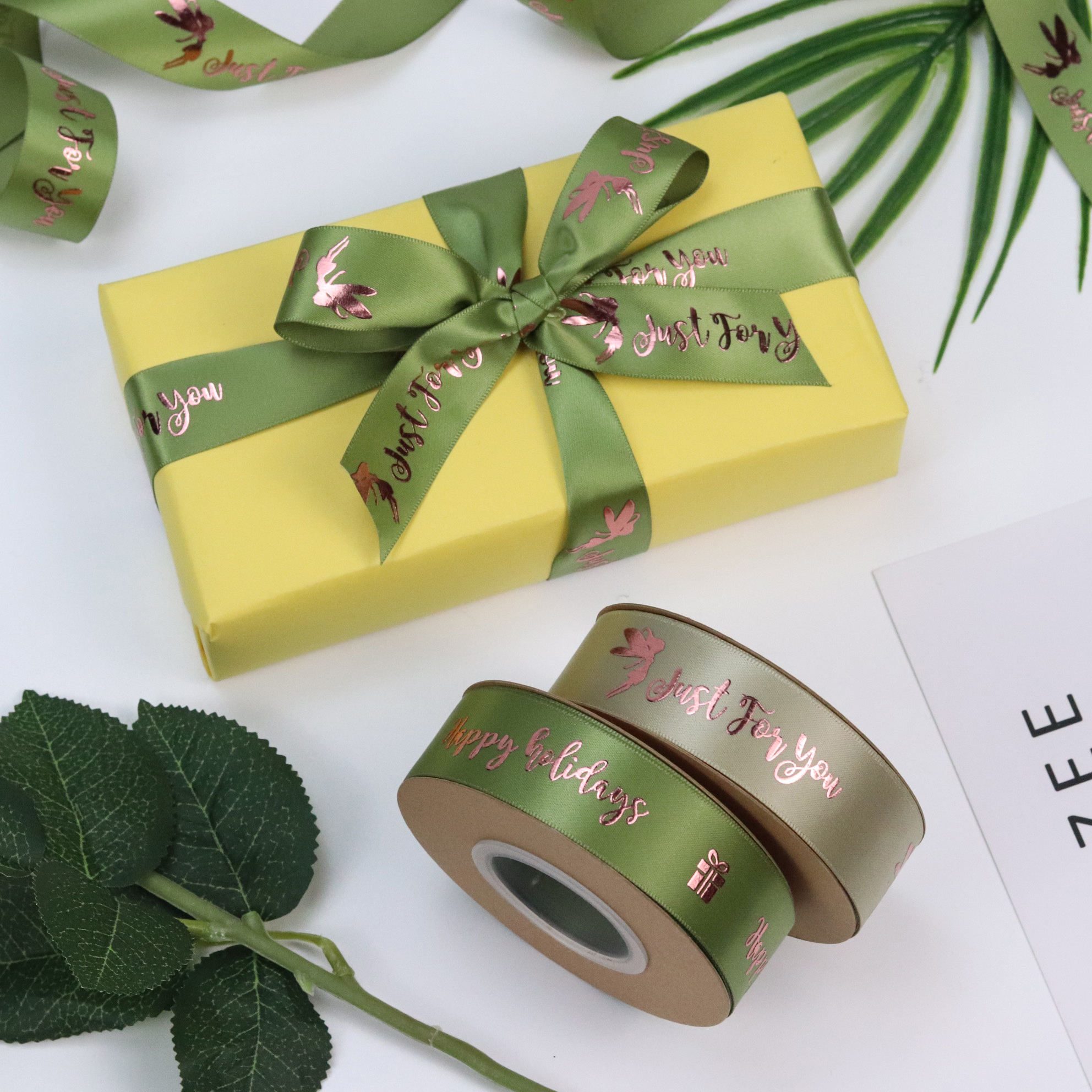
Custom Logo Ribbon vs. Stock Ribbon: Cost vs. Control
At lower volumes, stock ribbon usually wins on price.
Pricing differences among materials, widths, print methods, quantities, and packing must be calculated from dated quotations for the same approved specification.
- Apply the buyer’s own brand standard. Approve color, construction, decoration, handling, inspection, and remedies on the proposed material without inferring a customer relationship from a general example.
- Pricing differences among materials, widths, print methods, quantities, and packing must be calculated from dated quotations for the same approved specification.
Veteran buyers run the math on a 12-month horizon, not per-unit cost. Any cost, discount, or savings must be calculated from the dated quotation and the buyer’s approved specification. The hidden cost of stock is the missed brand impression every time a customer opens the box and sees generic ribbon.
Pricing differences among materials, widths, print methods, quantities, certifications, and packing must be calculated from dated quotations for the same approved specification.
Step-by-Step Workflow to Order Custom Ribbon
Skipping the physical sample causes many post-production disputes — our workflow makes it mandatory.
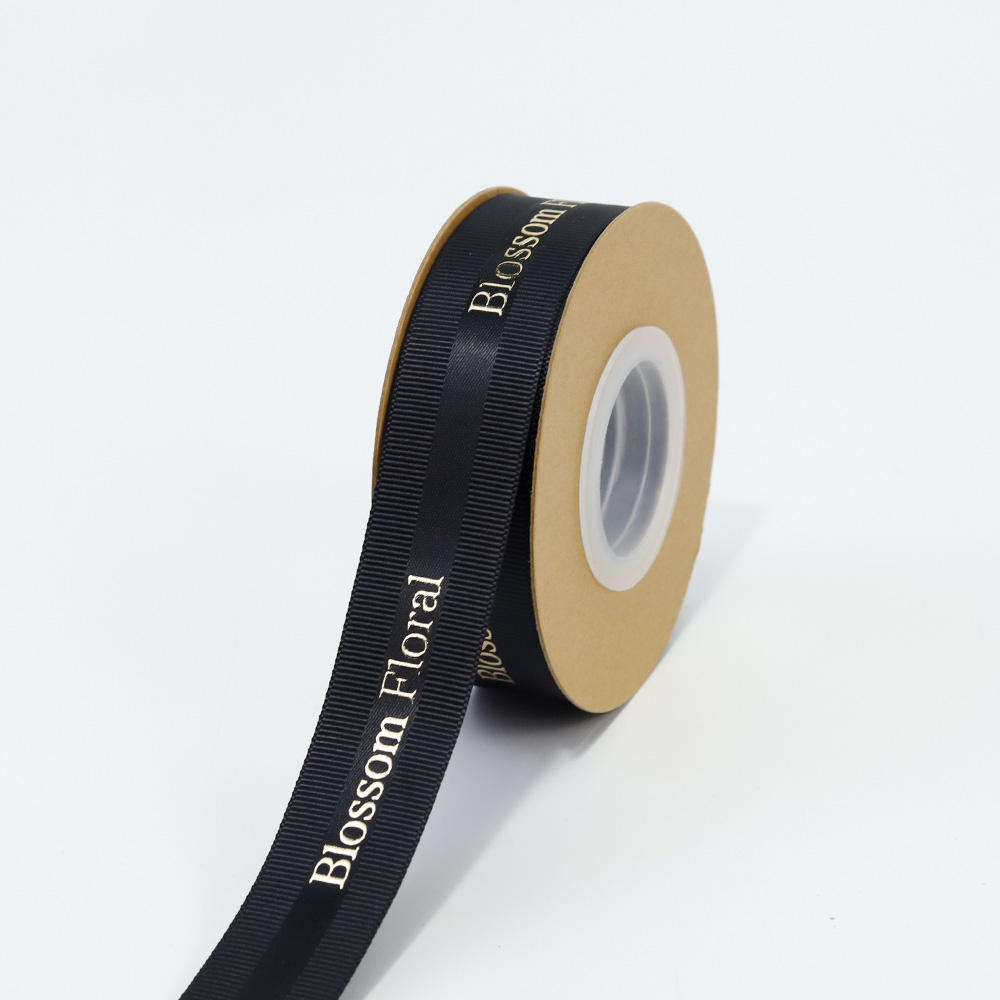
Ordering custom logo ribbon starts with production-ready vector artwork. The factory requires AI, EPS, or PDF files in CMYK or Pantone mode at minimum 300 dpi. JPEGs cause fuzzy prints and are rejected. Without correct file format, the entire workflow stops at step one.
- The color target, measurement method, lighting conditions, and acceptance tolerance are confirmed against the buyer-approved sample and written specification.
- Pricing differences among materials, widths, print methods, quantities, and packing must be calculated from dated quotations for the same approved specification.
- Pricing differences among materials, widths, print methods, quantities, and packing must be calculated from dated quotations for the same approved specification.
- Pricing differences among materials, widths, print methods, quantities, and packing must be calculated from dated quotations for the same approved specification.
- Step 5: Physical Sample Approval: Mandatory before bulk production. Lude Ribbon forbids skipping this step. Sample turnaround: 7–14 business days after artwork approval. Bulk production: 15–20 business days post sign-off. Skipping this step causes many quality disputes—color drift, fading, misaligned prints.
Foil Fading or Color Drift: How to Avoid Quality Disasters
Foil fading and color drift are the top quality killers.
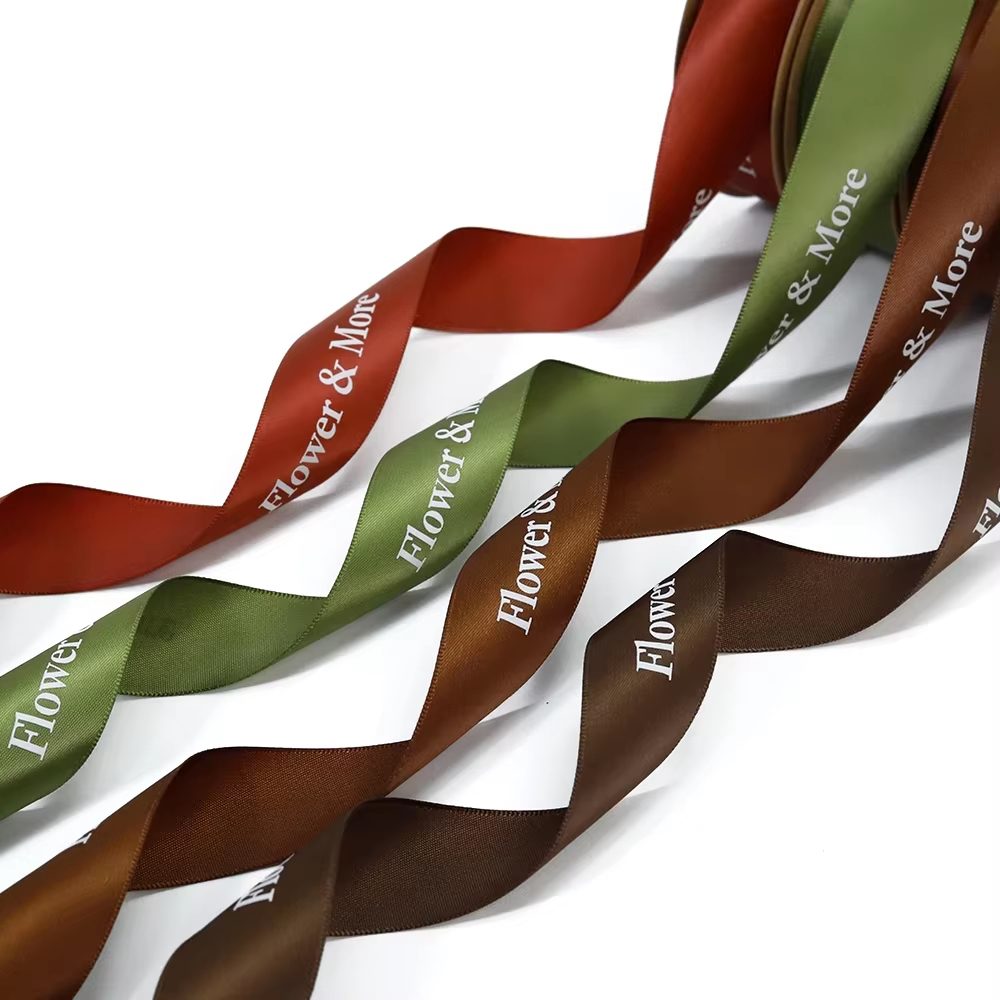
Foil stamping that fades after three months on a retail shelf destroys brand perception. The root cause is inadequate adhesion between the foil layer and the polyester substrate. Standard screen-printed foil will fail a simple rub test if the factory skipped the curing step or used low-grade foil.
- Foil Rub Test: Demand a standardized rub test (e.g., ASTM D5264 or equivalent) on the physical sample. If the supplier cannot provide test results, expect fading within months.
- Color Tolerance: Require spectrophotometer-measured buyer-approved ΔE tolerance against your Pantone reference. Different suppliers may use different tolerances; compare each proposal against the buyer-approved specification. A buyer-approved ΔE tolerance is the accepted threshold for luxury packaging.
Buyers who skip these two checks end up with inconsistent batches and returns. Any supplier that hesitates to perform a rub test or publish their ΔE tolerance is not equipped for high-spec retail packaging.
Conclusion
The color target, measurement method, lighting conditions, and acceptance tolerance are confirmed against the buyer-approved sample and written specification.
The factory’s custom printed ribbon product page lists available materials, widths, and print methods. Check those specs against your program’s requirements.
Frequently Asked Questions
What is the correct process to create a new custom ribbon?
Submit your vector artwork and Pantone colors; the factory confirms feasibility. You must then approve a physical sample—skipping this step causes many post-production disputes. Always request a physical sample before placing a bulk order.
How long does it take to get a custom ribbon?
Sample takes 7–14 business days after artwork approval; bulk production takes 15–20 business days after sample sign-off. Expedited schedules must be confirmed during RFQ review and still require sample approval.
What is the average cost of a personalized ribbon?
Pricing differences among materials, widths, print methods, quantities, and packing must be calculated from dated quotations for the same approved specification.
Where can I order personalized ribbon?
You can order directly from factory manufacturers like Lude Ribbon, which supplies buyers in Europe and North America. Printed ribbon starts at 3,000 yards per design, and they follow sample-before-bulk approval. Contact Lude Ribbon with your artwork and specs for a tailored quote.
What artwork file format does Lude Ribbon accept?
Lude Ribbon accepts vector files in AI, EPS, or PDF at 300 dpi in CMYK or Pantone color modes. Avoid RGB or JPEG files to prevent production issues.
Keep exploring
Recommended buyer guides
 Custom Graduation Sashes: Save Time with Pre-Production Samples
Evidence and specification note: Color targets, tolerances, test methods, documentation, acceptance criteria, and remedies must be confirmed for…
Explore guide
Custom Graduation Sashes: Save Time with Pre-Production Samples
Evidence and specification note: Color targets, tolerances, test methods, documentation, acceptance criteria, and remedies must be confirmed for…
Explore guide
 Satin Ribbon MOQ: Hidden Costs of Custom Colors & Printing
Evidence and specification note: Color targets, tolerances, test methods, documentation, acceptance criteria, and remedies must be confirmed for…
Explore guide
Satin Ribbon MOQ: Hidden Costs of Custom Colors & Printing
Evidence and specification note: Color targets, tolerances, test methods, documentation, acceptance criteria, and remedies must be confirmed for…
Explore guide
 Wholesale Satin Ribbon: Avoid 5 Risks with Samples
Evidence and specification note: Color targets, tolerances, test methods, documentation, acceptance criteria, and remedies must be confirmed for…
Explore guide
Wholesale Satin Ribbon: Avoid 5 Risks with Samples
Evidence and specification note: Color targets, tolerances, test methods, documentation, acceptance criteria, and remedies must be confirmed for…
Explore guide
 Custom Grosgrain Ribbon: MOQ, Pricing & Samples 2026
Evidence and specification note: Color targets, tolerances, test methods, documentation, acceptance criteria, and remedies must be confirmed for…
Explore guide
Custom Grosgrain Ribbon: MOQ, Pricing & Samples 2026
Evidence and specification note: Color targets, tolerances, test methods, documentation, acceptance criteria, and remedies must be confirmed for…
Explore guide
Leave a comment
Share a sourcing question or feedback on this guide. The Lude team reviews submissions before following up.