


OEM vs Standard Wholesale Ribbon: Which Order Model Fits Your Project?
Decide between OEM and standard wholesale ribbon by comparing customization scope, MOQ, lead time, sampling, and cost control
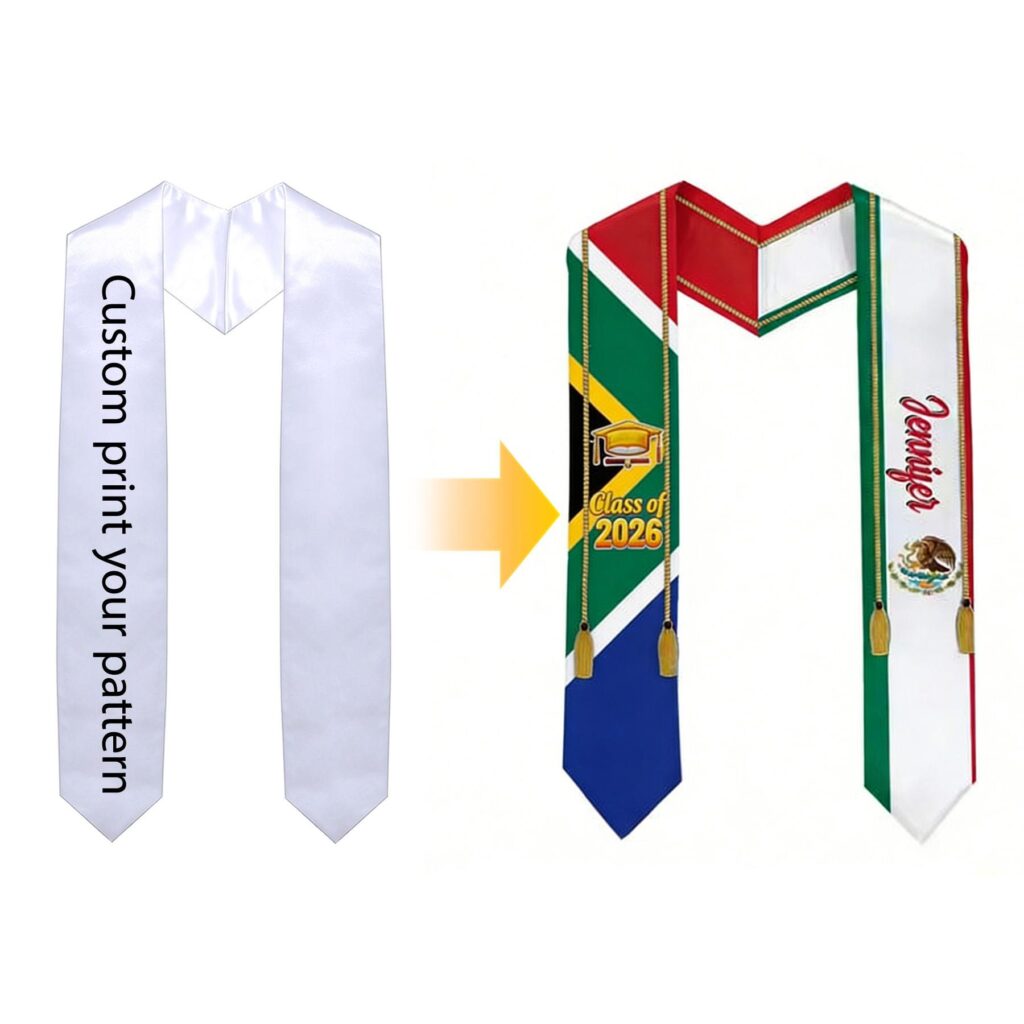
OEM and standard wholesale ribbon orders solve different procurement jobs. A buyer who needs available material, color, and width can usually move through a standard wholesale route. A buyer who needs custom color, custom width, logo printing, special packing, or a repeatable branded program needs a stronger OEM or ODM workflow.
Expert note: The Lude Ribbon editorial team works with ribbon manufacturing, sampling, printing, quality control, and export service specialists to create practical B2B buying guides.
This guide explains how to choose the right order model, what specifications to prepare, and which sample and MOQ checks protect cost, quality, and production timing.
Custom order specs buyers should define
The OEM versus standard wholesale decision starts with specification control. Standard wholesale works when the buyer can use existing materials, colors, widths, and product structures. OEM or ODM development fits when the buyer needs custom color, custom width, special packing, logo printing, new construction, or a repeatable branded program. Use OEM and ODM ribbon development when the project needs engineering, sampling, or program-level control beyond a standard stock quote.
| Spec area | Standard wholesale route | OEM or ODM route |
|---|---|---|
| Material and width | Use existing inventory options when they meet the packaging or event requirement. | Confirm custom width, construction, finish, or special handling by RFQ. |
| Color and artwork | Use available stock colors or confirmed print colors; textile color references such as Pantone Color Systems for Textiles help approval. | Develop color, logo position, repeat spacing, packing, and sample standards together. |
| MOQ and schedule | 1,500 yards per color. | Printed ribbon starts at 3,000 yards per design or program; custom color or width needs RFQ confirmation. |
| Buyer risk | Lower development complexity, but less customization control. | More control, but stronger file, sample, and approval discipline is needed. |
Define the requirement and success criteria
Define whether success means fast replenishment, a branded look, unique width, exact color, logo repeat, retail packing, or event presentation. The answer determines whether procurement should ask for a standard wholesale quote or an OEM development route.
Confirm execution details with the factory
Ask which spec details are already available and which need development. This separates true stock buying from custom manufacturing before cost, MOQ, and lead time are discussed.
Approve samples and control reorder risk
OEM projects need stronger approval records because future orders should repeat the same result. Keep material, color, artwork, sample photo, packing, and inspection notes together.
- Step 1: verify material, width, color, artwork, quantity, packing, and approval owner before quote comparison.
- Step 2: ask the factory which open parameter affects price, MOQ, sample approval, or production timing.
- Step 3: approve the sample with file version, photo, packing note, and reorder reference before bulk release.
Artwork and sample approval workflow
Artwork and sample workflow decides whether the buyer is purchasing an existing product or building a controlled custom program. For custom printed ribbon, the buyer should send vector artwork, base material, width, logo height, repeat spacing, color target, quantity, packing, and approval owner before treating the quote as final.
| Workflow step | Buyer input | Factory output |
|---|---|---|
| Artwork review | Editable logo, proof, print color, ribbon width, and use case. | Print method recommendation and file-risk notes. |
| Sample planning | Target appearance, packing mockup, and sample approval owner. | Sample route, expected review points, and bulk-production reference. |
| Quality language | Inspection terms can reference textile standards resources such as ASTM textile standards when the buyer needs more formal QC wording. | Material, color, print, width, edge, packing, and retained-sample checks. |
| Production release | Approved sample, final PO, quantity, packing, and destination. | 15-20 business day standard production lead time after specifications are confirmed. |
Physical sample comparison
Success criteria should state what the sample proves: logo clarity, base color, hand feel, repeat spacing, packing fit, and repeatability. Without that list, the buyer may approve appearance but miss production risk.
Artwork and color sign-off
Confirm whether oil ink printing, heat transfer, foil printing, screen printing, or digital printing is recommended for the substrate, artwork detail, color target, quantity, and approval plan.
Bulk lot inspection triggers
Approve one master sample and keep its file version. For OEM work, this record is part of the product definition, not a loose courtesy photo.
Material and finish decisions
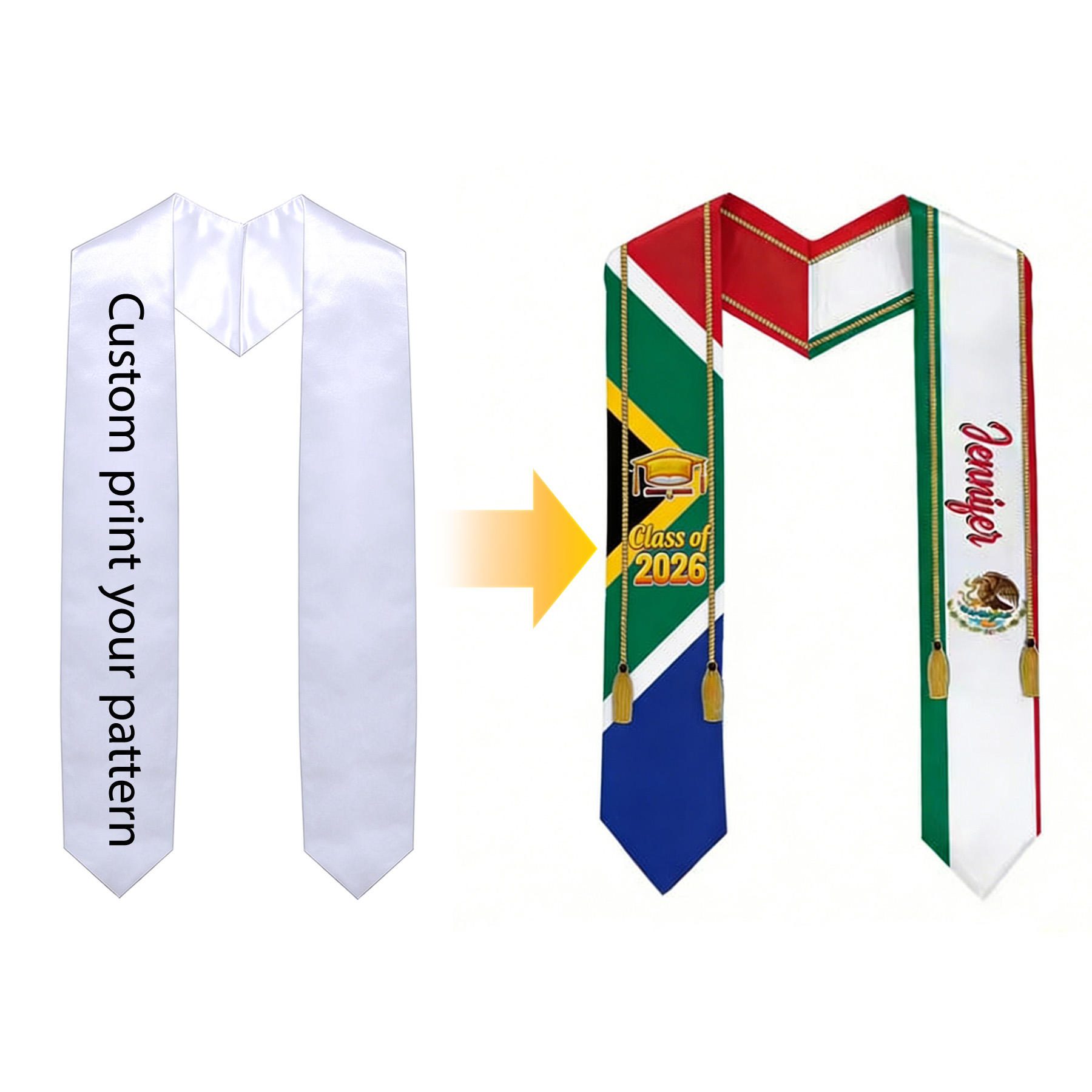
Material and finish decisions should reflect both brand appearance and factory execution. Buyers comparing satin, grosgrain, velvet, organza, metallic, rosettes, bows, or sashes can start with wholesale ribbon products to see which product route matches the application before asking for OEM changes.
Material and finish decisions – Define the requirement and success criteria
Standard wholesale is practical when an existing product, stock color, and width satisfy the use case. OEM is better when the buyer needs exact color, custom width, special packing, unique edge, artwork control, or a recurring program with strict approval records.
Material and finish decisions – Confirm execution details with the factory
Custom color and custom width details should be confirmed by RFQ instead of assigned a fixed MOQ. Printed ribbon starts at 3,000 yards per design or program; award ribbon, rosette, and sash programs start from 1,000 pieces per style, color, or design program.
Material and finish decisions – Approve samples and control reorder risk
Ask the supplier how the chosen finish affects printing, cutting, packing, inspection, and reorder consistency. A low price is not useful if the finish creates color, logo, or packing risk that the quote does not mention.
Mistakes that delay production
Production delays often come from using the wrong buying model. If a buyer treats a custom development order like a stock reorder, the factory still has to resolve material, artwork, color, MOQ, sample, packing, and approval issues. For retail or gift programs, gift and retail packaging ribbon solutions should be linked to the same specification and approval record.
Mistakes that delay production – Define the requirement and success criteria
- Asking for an OEM result while sending only a standard product reference.
- Changing width, color, or artwork after quote approval.
- Ignoring packing and display use until after sample approval.
Mistakes that delay production – Confirm execution details with the factory
- Requesting a delivery answer before the production route is confirmed.
- Comparing suppliers without checking whether each quoted the same material, MOQ, and print method.
- Leaving custom color or custom width details outside the RFQ.
Mistakes that delay production – Approve samples and control reorder risk
- Approving a sample without a file version.
- Not retaining the approved physical sample or photo.
- Failing to record which variance is acceptable for bulk production.
These checks give procurement a concrete question list for the factory, instead of discovering material, artwork, cost, or packing risk after deposit.
Final checklist before RFQ
Before RFQ, give the factory a single commercial and technical package. The buyer can use ribbon resources to organize the product route, but the RFQ itself should still name material, width, color, artwork, print process, quantity, packing, inspection requirement, deadline, and reorder plan.
Final checklist before RFQ – Define the requirement and success criteria
Mark the project as standard wholesale, printed ribbon, OEM custom development, rosette or sash program, or another construction. This prevents MOQ and lead-time assumptions from crossing routes.
Final checklist before RFQ – Confirm execution details with the factory
Confirm quantity, packing, destination, required delivery window, sample requirement, and approval owner. The standard production lead time reference is 15-20 business days after specifications are confirmed.
Final checklist before RFQ – Approve samples and control reorder risk
Store artwork, approved sample, sample photo, packing sheet, and inspection notes with the PO. That record gives procurement a stronger basis for reorder and supplier evaluation.
- Name the buying route.
- Send material, width, color, artwork, quantity, packing, and deadline.
- Ask which details affect price, MOQ, or production lead time.
- Approve the sample with written evidence before bulk release.
The RFQ packet should also ask the factory to confirm which specification detail could create the highest risk for cost, sample approval, inspection, or reorder consistency.
Conclusion
Standard wholesale is a good fit when the buyer can use existing options with limited development risk. OEM or ODM is the better route when the brand needs custom specification control, print development, packing rules, or reorder consistency.
The practical decision is not only price. It is whether the factory has enough confirmed information to quote, sample, produce, inspect, and repeat the ribbon program under the correct MOQ and lead-time route.
FAQs About OEM vs Standard Wholesale Ribbon
When is standard wholesale the better route?
Standard wholesale fits when existing inventory color, width, material, and product structure meet the buyer’s packaging, event, or resale requirement. It is cleaner for repeatable stock-style procurement.
When does a project need OEM or ODM development?
OEM or ODM development is better when the buyer needs custom color, custom width, logo printing, special packing, new construction, or a controlled branded program that will be repeated.
What MOQ rules should buyers use?
Plain / stock ribbon products start from 1,500 yards per selected color or design. Printed ribbon starts at 3,000 yards per design or program. Ready-made bows, award ribbons, rosettes, and sash programs start from 1,000 pieces.
A factory-side review should still confirm material, artwork, packing, production risk, and sample evidence before the buyer treats the route as final.
Keep exploring
Recommended buyer guides
 Wholesale Custom Ribbon with Logo: Specs, Roll Length, and RFQ Checks
Step-by-step: Custom Ribbon With Logo. Check artwork files, print method, color target, and sample approval to avoid delays,…
Explore guide
Wholesale Custom Ribbon with Logo: Specs, Roll Length, and RFQ Checks
Step-by-step: Custom Ribbon With Logo. Check artwork files, print method, color target, and sample approval to avoid delays,…
Explore guide
 Ribbon Cutting Ribbon Custom Order: Specs, Roll Length, and RFQ Checks
Shortlist Ribbon Cutting Ribbon Custom Order suppliers by sample approval, color tolerance, and QC checks. See which options…
Explore guide
Ribbon Cutting Ribbon Custom Order: Specs, Roll Length, and RFQ Checks
Shortlist Ribbon Cutting Ribbon Custom Order suppliers by sample approval, color tolerance, and QC checks. See which options…
Explore guide
 Wholesale Custom Organza Ribbon: Specs, Roll Length, and RFQ Checks
Custom Organza Ribbon — a practical checklist covering artwork files, print method, color target, and sample approval for…
Explore guide
Wholesale Foil Printed Ribbon: Custom Specs, Samples, and RFQ Checks
Foil printed ribbon: what to check on artwork files, print method, color target, and sample approval before placing…
Explore guide
Wholesale Custom Organza Ribbon: Specs, Roll Length, and RFQ Checks
Custom Organza Ribbon — a practical checklist covering artwork files, print method, color target, and sample approval for…
Explore guide
Wholesale Foil Printed Ribbon: Custom Specs, Samples, and RFQ Checks
Foil printed ribbon: what to check on artwork files, print method, color target, and sample approval before placing…
Explore guide
Leave a comment
Share a sourcing question or feedback on this guide. The Lude team reviews submissions before following up.