


Moq Lead Time: Custom Program Planning Checklist
A buyer's checklist for Moq Lead Time — covering sample approval, color tolerance, QC checks, and MOQ from first sample to repeat orders
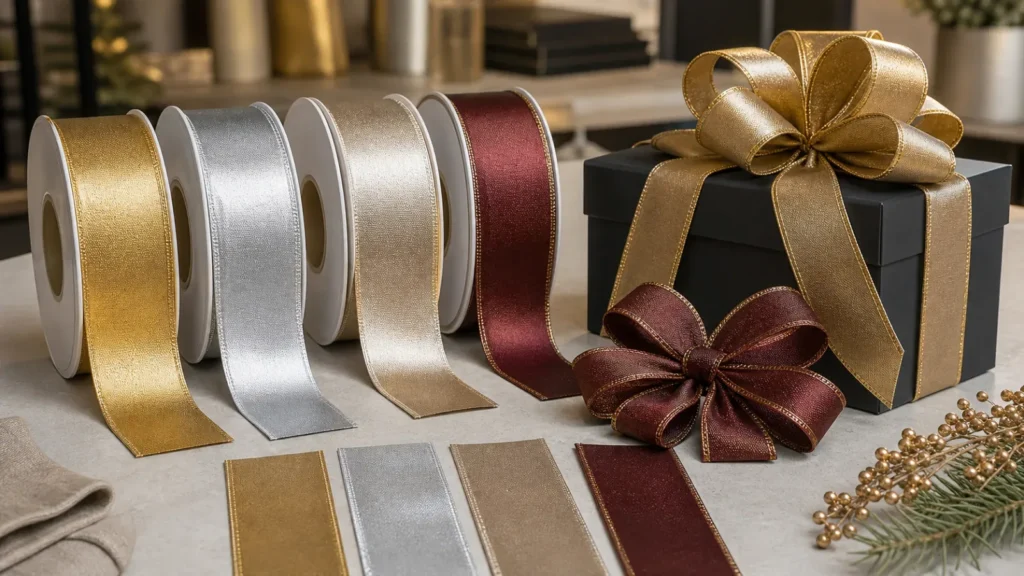
The sourcing record for MOQ lead time: custom program planning is incomplete until it supports planning for custom artwork, dielines, samples, finishes, and production handoff.
MOQ and lead time move together: the quantity that lowers your unit price is usually the one that lengthens your wait.
Direct answer: For MOQ lead time: custom program planning, buyers should plan custom artwork, dielines, samples, finishes, and production handoff.
Define the Buyer Requirement
Compare Define the Buyer Requirement for MOQ lead time against one RFQ revision. Each row should identify the requirement, approval evidence, and buyer action before production.
| Requirement | Factory control | Evidence to verify | Order risk | RFQ follow-up |
|---|---|---|---|---|
| Finish or surface effect | Supplier provides finish swatch matching specified gloss, matte, or texture. | Compare production finish to approved physical sample under standard lighting. | Unapproved finish variation may cause brand inconsistency and reorder rejection. | Request finish swatch and approve before production run. |
| Artwork or logo file | Factory checks vector file resolution, color separation, and die-cut alignment. | Inspect pre-production proof against approved artwork and PMS codes. | Artwork errors lead to reprint cost and delayed lead time. | Submit vector artwork and request pre-production proof approval. |
| Sample approval | Production halts until buyer signs off on sample per specification. | Measure sample dimensions, color, finish, and print registration against spec sheet. | Approving without full inspection risks batch rejection and off-spec goods. | Sign off sample or request revision before bulk order release. |
| MOQ and order quantity | Supplier confirms MOQ per material, print method, width, and packing configuration. | Request written MOQ breakdown in RFQ and compare to planned order size. | Ordering below MOQ may increase unit cost or delay production scheduling. | Request MOQ quote for each product variant and shortlist compliant suppliers. |
| Lead time after approval | Supplier schedules production only after sample approval and order confirmation. | Confirm lead time in writing, including buffer for shipping and customs. | Unverified lead time causes inventory gaps and missed launch windows. | Request lead time confirmation in RFQ and document in order contract. |
For minimum order lead time, use Define the Buyer Requirement as the decision scope. Read the rows as one approval sequence. Start with finish or surface effect; use the risk and buyer-action columns to decide whether its evidence is sufficient. Verify it with the inspection method and approval evidence recorded in the table.
For this minimum order lead time sourcing record, keep the supplier response, marked sample, and approval owner under the same revision number. If any proof conflicts with the approved record, hold the quote, sample, or production release until the supplier explains the deviation in writing. Before closing the checkpoint, reconcile the latest drawing, sample, quotation, and approval comments, identify which record controls if they disagree, and document the resolution. Carry the signed Define the Buyer Requirement table into the purchase order and production handoff so the same checks support quote comparison, sample approval, shipment release, and later reorders.
Compare the Available Routes
| Option | Best fit | Trade-off | Risk to avoid | Verification | Follow-up |
|---|---|---|---|---|---|
| Current specification | Repeat order with approved artwork and confirmed material, width, and packing | No flexibility to adjust construction or finish without requoting | Spec drift over multiple reorders may cause bulk mismatch | Compare latest production spec against original approved sample and RFQ | Document spec freeze date and attach to each PO |
| Alternative specification | Substitute material or print method when original spec is unavailable or cost-prohibitive | May shift MOQ threshold and require new sample approval cycle | Unvalidated alternative can fail during bulk production if tolerances differ | Request a pre-production sample under the alternative spec before committing to MOQ | Add alternative spec as a line item in the RFQ and compare lead time quotes |
| Safer fallback | Standard stock or catalog spec that can be shipped without custom sampling and artwork process tooling | Limited design differentiation and may not match existing packaging aesthetic | Fallback spec may not meet brand color or durability requirements | Cross-check fallback spec against your minimum quality acceptance criteria | Order a small lot to test in your packaging line before bulk commitment |
For current specification, a poor decision can mean spec drift over multiple reorders may cause bulk mismatch. Ask the supplier to compare latest production spec against original approved sample and rfq, then document spec freeze date and attach to each po.
For minimum order lead time, preserve the current specification decision under one revision number: keep the supplier response, marked sample, approved specification, quotation, and approval owner together. If the evidence conflicts with the approved record, hold the quote, sample, or production release until the deviation is explained in writing. Carry that signed Compare the Available Routes record into the purchase order, production handoff, shipment release, and later reorder review so every team works from the same baseline.
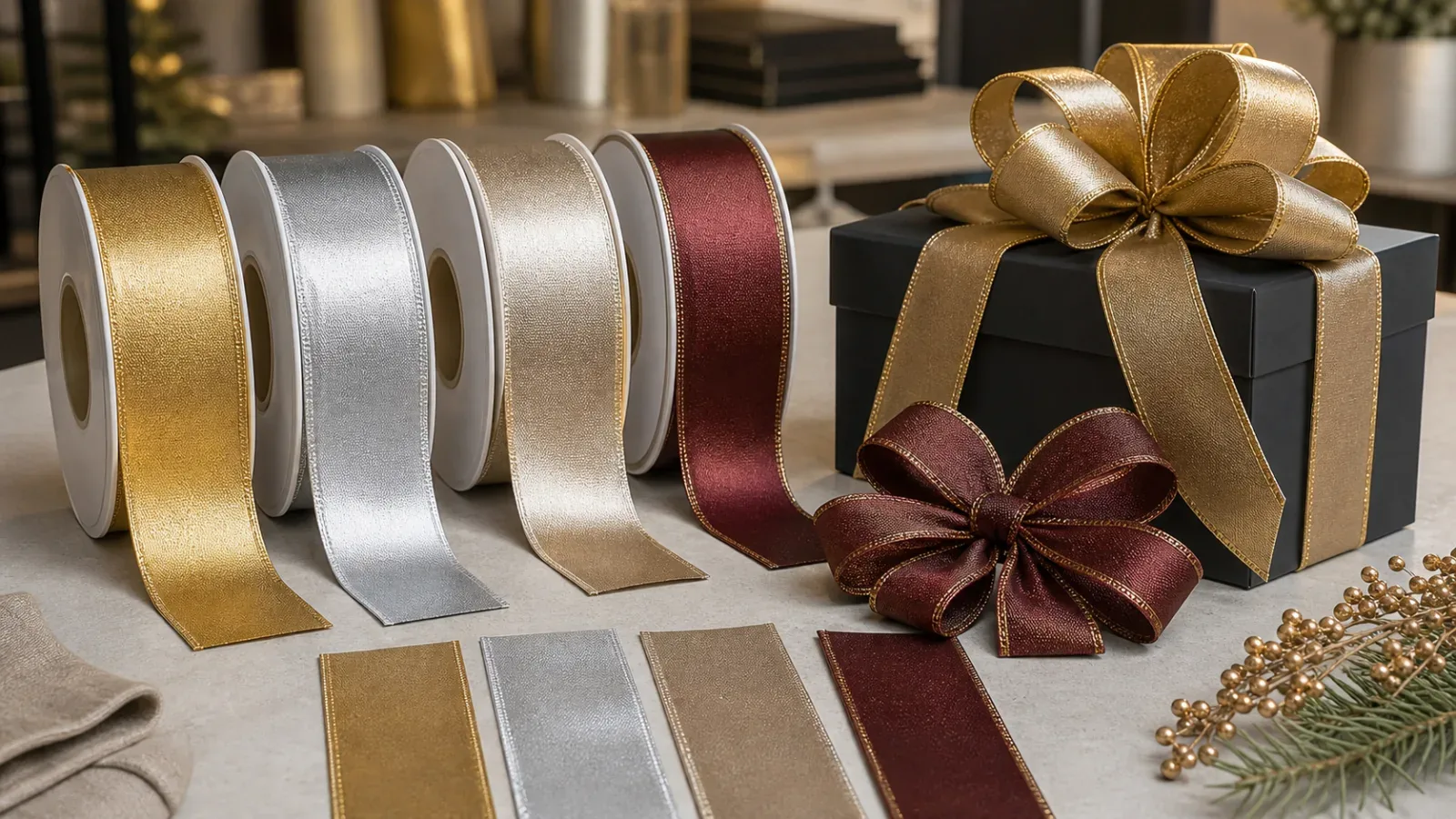
Review the Required Proof
Before committing to a custom program, verify the physical or digital proof that confirms your design is production-ready. For printed ribbon, this means an approved artwork proof with color matching and repeat alignment. Ask your supplier: “Does your quote request require a signed proof before we proceed to sampling?” This step eliminates rework costs and schedule slips.
Practical Checklist
- Confirm proof format (PDF, physical strike-off, or digital simulation)
- Verify color accuracy against a Pantone reference or your brand swatch
- Check repeat alignment for continuous patterns (e.g., logos, stripes)
- Request a production sample if the proof is digital only
- Document approval date and any revision notes in the quote request
Use this table to track proof requirements across your custom program:
| Requirement | Buyer Verification Question |
|---|---|
| Color matching | Is the proof matched to a Pantone code or physical sample? |
| Pattern repeat | Does the proof show the full repeat without gaps? |
| Material compatibility | Will the proof be printed on the actual ribbon substrate? |
| Approval sign-off | Who signs the proof before production starts? |
Once the proof is approved, the factory can lock in material orders and schedule production. This reduces risk of last-minute changes that inflate minimum order or delay lead time. For more on custom printed ribbon, see our custom printed ribbon guide.
Build the Decision Asset
An unclear specification or incomplete approval record can double your gift and retail packaging ribbon solutions and inflate costs by forcing rework. The decision asset—a verified proof, sample, or control document—eliminates guesswork and locks in factory execution from the first quote request.
Supplier evidence to request
Before committing to a custom program, verify the physical or digital proof that confirms your design is production-ready. Compare the proof against your spec sheet, noting color, material, and dimensions. A mismatch here means a revised quote request and a reset lead time.
Sample approval evidence
Your signed-off sample is the single source of truth for both cost and minimum order. Without it, the factory may default to a higher minimum or quote based on assumptions. Use a simple table to track approval status across key attributes.
| Attribute | Specified | Sample Matches | Action |
|---|---|---|---|
| Color | Pantone 186C | Yes | Proceed |
| Material | Polyester satin | Yes | Proceed |
| Dimensions | Approved width x length | No | Revise sample |
Each row identifies a requirement; a single mismatch triggers a revision loop that adds days to your lead time.
Reorder control records
Define reorder triggers in your program checklist: minimum quantity, price validity, and lead time tolerance. This prevents production risk from unplanned stops. Hand off the completed decision asset with your quote request to ensure factory execution aligns with your original intent.
Prepare Comparable RFQ Inputs
- What is the minimum order quantity for this custom ribbon specification? minimum order directly affects unit cost and whether the supplier can run the order without splitting production. Supplier states minimum order per material, print method, width, and packing; negotiable with confirmed schedule. Unclear minimum order can delay lead time by forcing a requote or splitting the order across multiple production runs. Document minimum order by spec line and confirm it matches your planned order volume before quote request submission.
- What is the standard production lead time after specification confirmation? Lead time governs inventory planning and launch dates; hidden delays often come from artwork or sample approval. Supplier quotes 15–20 business days after specs are confirmed, with separate estimates for artwork and shipping. Missing lead time details can cause stockouts or missed retail windows when approval loops are not accounted for. Request a written lead time breakdown that includes artwork review, sample approval, and transit days.
- How does the supplier verify that the production sample matches the signed-off specification? A signed-off sample is the single source of truth; without a verification method, bulk runs may deviate from approval. Supplier uses a documented first-article inspection comparing sample to spec before bulk production starts. Without a verification gate, a mismatch triggers a revision loop that can double the lead time. Ask for the supplier's first-article inspection checklist and confirm it covers material, color, and dimensions.
- What is the approval process for specification changes after the initial quote request? Changes after quote request can reset lead time and minimum order; a clear process prevents unplanned delays and cost overruns. Supplier requires written change order with revised minimum order and lead time before any production adjustment. Informal change requests can be missed or cause rework, pushing delivery past the committed date. Define a change control rule in the program checklist that requires written approval and updated timeline.
- What reorder triggers and minimum quantity apply to repeat orders? Reorder terms affect inventory holding cost and production scheduling; unclear triggers can cause stock gaps. Supplier provides reorder minimum order, price validity period, and lead time for repeat runs without new sampling. Without defined reorder triggers, you may face full quote request lead time again or unexpected minimum order increases. Document reorder minimum order and lead time in the program checklist and set a reorder point based on usage rate.
Source check: ISO 2859-1 sampling inspection standard; minimum order – Wikipedia.
In conclusion
The final approval for your custom program planning checklist comes down to verifying that every specification, cost assumption, and lead time commitment is documented and matched against a signed-off sample. Before you shortlist a supplier, compare the minimum order and production schedule against your reorder triggers and quality risk tolerance. Validate the spec against the physical proof, approve the sample, and confirm that the quote request inputs align with the supplier’s confirmed capabilities. This checklist turns your planning into a repeatable gate that protects your timeline and budget.
To request a quote for minimum order lead time, use MOQ and lead time to confirm the final specification, quote assumptions, sample approval, QC evidence, approval risk, and supplier follow-up before bulk order.
Frequently Asked Questions
How should a b2b buyer plan custom order?
Start by documenting the full specification for your custom program, including material, print method, width, packing, and order schedule. This directly impacts both the minimum order and lead time, so you must verify these details with the supplier before any commitment. Compare your requirements against the supplier’s standard production timeline, which typically runs 15-20 business days after specifications are confirmed, and add time for artwork review, sample approval, and shipping. To manage supplier risk, request a written confirmation that the minimum order is negotiable based on your specific parameters, and always secure a physical or digital proof before locking in the order.
Which supplier proof should buyers request for MOQ lead time?
Request a signed-off sample that serves as the single source of truth for both cost and minimum order, as any mismatch between the sample and your specification can trigger a revision loop that extends lead time. Verify that the supplier provides proof of material sourcing and production scheduling, which allows them to lock in orders and timelines. During sample approval, check that the QC criteria match your specification, and document any reorder triggers such as minimum quantity and price validity to avoid surprises on future runs.
What should buyers lock before approving custom program planning checklist?
Before approving the checklist, confirm that every requirement in your specification has a corresponding approval record, as an unclear or incomplete record can double your lead time. Lock in the material, print method, width, and packing details, and ensure the supplier has provided a clear timeline for artwork review, sample production, and bulk manufacturing. Verify that the minimum order and cost are tied to the approved sample, and document the reorder triggers and price validity period to maintain consistency across future orders.
quote request handoff: Send Specs for Review.
Keep exploring
Recommended buyer guides
 Wholesale Custom Ribbon with Logo: Specs, Roll Length, and RFQ Checks
Step-by-step: Custom Ribbon With Logo. Check artwork files, print method, color target, and sample approval to avoid delays,…
Explore guide
Wholesale Custom Ribbon with Logo: Specs, Roll Length, and RFQ Checks
Step-by-step: Custom Ribbon With Logo. Check artwork files, print method, color target, and sample approval to avoid delays,…
Explore guide
 Ribbon Cutting Ribbon Custom Order: Specs, Roll Length, and RFQ Checks
Shortlist Ribbon Cutting Ribbon Custom Order suppliers by sample approval, color tolerance, and QC checks. See which options…
Explore guide
Ribbon Cutting Ribbon Custom Order: Specs, Roll Length, and RFQ Checks
Shortlist Ribbon Cutting Ribbon Custom Order suppliers by sample approval, color tolerance, and QC checks. See which options…
Explore guide
 Wholesale Custom Organza Ribbon: Specs, Roll Length, and RFQ Checks
Custom Organza Ribbon — a practical checklist covering artwork files, print method, color target, and sample approval for…
Explore guide
Wholesale Foil Printed Ribbon: Custom Specs, Samples, and RFQ Checks
Foil printed ribbon: what to check on artwork files, print method, color target, and sample approval before placing…
Explore guide
Wholesale Custom Organza Ribbon: Specs, Roll Length, and RFQ Checks
Custom Organza Ribbon — a practical checklist covering artwork files, print method, color target, and sample approval for…
Explore guide
Wholesale Foil Printed Ribbon: Custom Specs, Samples, and RFQ Checks
Foil printed ribbon: what to check on artwork files, print method, color target, and sample approval before placing…
Explore guide
Leave a comment
Share a sourcing question or feedback on this guide. The Lude team reviews submissions before following up.