


Metallic Ribbon Supplier Audit Checklist: Supplier Proof Checklist
Metallic Ribbon Supplier Audit Checklist: what to confirm on factory capability, QC proof, lead time, and reorder reliability before you sample, quote

The sourcing record for metallic ribbon supplier audit is incomplete until it supports this Compare suppliers, factory proof, samples, MOQ, lead time, and risk signals.
A metallic audit is really a coating-adhesion audit. How the metallic layer is bonded predicts every failure that follows.
Direct answer: For metallic ribbon supplier audit, buyers should compare suppliers, factory proof, samples, MOQ, lead time, and risk signals.
Define the Buyer Decision for Metallic Ribbon Supplier Audit
Compare the decision criteria for metallic ribbon supplier against one RFQ revision. Each row should identify the requirement, approval evidence, and buyer action before production.
| Requirement | Factory control | Evidence to verify | Order risk | RFQ follow-up |
|---|---|---|---|---|
| Sample approval | Pre-production sample matches approved reference and color standard. | Compare sample against signed master under buyer-approved viewing conditions; measure buyer-approved color tolerance. | Off-spec sample delays production and may require re-shipment. | Request the agreed sampling plan sample set with color report before production. |
| MOQ and order quantity | Supplier confirms MOQ per material, width, and print method. | Review written MOQ schedule and ask for tiered pricing at 1x, 2x, 5x. | Over-ordering ties capital; under-ordering triggers short-run premium. | Shortlist suppliers offering negotiable MOQ with volume breaks. |
| Material / substrate | Substrate composition, yarn denier, and metallic coating weight per spec. | Request mill certificate and perform burn test or FTIR on sample. | Substituted substrate changes drape, adhesion, or print holdout. | Approve substrate only after receiving certified material data sheet. |
| Finish or color control | Metallic finish uniform, no tarnish, streaks, or delamination. | Visual inspection under 2x magnifier and rub test with white cloth. | Inconsistent finish leads to customer returns and brand damage. | Ask for finish retention test report and approve shade band. |
For metallic ribbon supplier, use the decision criteria as the decision scope. Read the rows as one approval sequence. Start with sample approval; use the risk and buyer-action columns to decide whether its evidence is sufficient. Verify it with the inspection method and approval evidence recorded in the table.
For this metallic ribbon supplier sourcing record, keep the supplier response, marked sample, and approval owner under the same revision number. If any proof conflicts with the approved record, hold the quote, sample, or production release until the supplier explains the deviation in writing. Before closing the checkpoint, reconcile the latest drawing, sample, quotation, and approval comments, identify which record controls if they disagree, and document the resolution. Carry the signed the decision criteria table into the purchase order and production handoff so the same checks support quote comparison, sample approval, shipment release, and later reorders.
Material and specification fit
Procurement must confirm that the metallic ribbon substrate meets the intended end-use environment, including humidity, abrasion, and lightfastness requirements. A supplier audit should verify that the mill source, coating formulation, and width tolerance are locked in the specification sheet. Without this alignment, downstream rejection risk increases significantly.
MOQ, cost structure, and lead time
The buyer decision hinges on whether the supplier can offer flexible MOQ tiers that match forecasted demand without forcing excess inventory. Auditors should examine how the supplier calculates MOQ by material, width, and print method, and whether lead time is quoted from spec confirmation or from sample approval. This transparency prevents budget overruns and scheduling conflicts.
Supplier reliability and quality checks
A reliable metallic ribbon supplier maintains documented in-process inspection at coating, slitting, and packing stages. The audit should review whether the factory uses AQL sampling, retains traceable lot records, and can provide corrective action reports for past defects. These quality checks directly reduce the buyer's risk of receiving non-conforming goods.
Questions to confirm before ordering:
- What is the metallic ribbon's base material, width tolerance, and print method? Verifies the supplier can match your spec sheet and avoid rework. Supplier provides a written spec sheet with tolerance ranges and confirms print method compatibility. Mismatched material or width can cause production delays and rejections. Request a spec sheet and compare against your RFQ before sample approval.
- What is the minimum order per SKU and the lead time from spec confirmation? Confirms order feasibility and schedule alignment. minimum order is negotiable per material and print method; lead time is 15–20 business days after spec confirmation. Unexpected minimum order or lead time can disrupt your launch timeline. Confirm minimum order and lead time by RFQ for your specific material and print method.
- How does the supplier verify color, finish, and adhesion for metallic ribbon? Ensures the metallic coating meets your quality and durability standards. Supplier uses a documented QC check for color match, coating adhesion, and finish consistency. Poor adhesion or color variation leads to customer complaints and returns. Request a sample and QC report for the metallic finish before bulk production.
- What is the supplier's process for handling reorders and maintaining consistency? Verifies long-term reliability and repeatability. Supplier has a documented reorder protocol with retained spec records and batch traceability. Inconsistent reorders can cause brand reputation damage and supply gaps. Ask for a reorder protocol and batch traceability example during the audit.
Check that the supplier's metallic ribbon matches your exact base material, width tolerance, and print method. A written spec sheet with tolerances prevents mismatches that cause rework. Without this verification, you risk production delays and rejected goods. Always compare the supplier's spec against your quote request before approving samples.
Confirm the minimum order per SKU and lead time from spec confirmation. minimum order is negotiable per material and print method, and standard production takes 15–20 business days after specs are set. Unexpected minimum order or lead time can disrupt your launch. Always confirm these numbers by quote request for your specific order.
Verify the supplier's QC process for metallic ribbon, including color match, coating adhesion, and finish consistency. A documented QC report on samples ensures durability. Without this, you risk customer complaints. Also ask about their reorder protocol to maintain consistency across batches and avoid supply gaps.
Confirm Product and Order Scope
| Option | Best fit | Trade-off | Risk to avoid | Verification | Follow-up |
|---|---|---|---|---|---|
| Current specification: exact base material, width, color, and finish per approved sample | Repeat orders where the approved sample matches the production spec and the buyer requires no deviation | No flexibility for cost reduction or alternate sourcing; supplier must hold the same dye lot and weave construction | Supplier may substitute a near-match without written approval, causing color shift or width variance in bulk | Cross-reference the approved sample tag against the supplier's spec sheet and in-process inspection record | Document the approved spec in the RFQ and require a signed approval gate before any change |
| Custom option: buyer-specified base material, width, color, finish, and packaging | New product launch or seasonal program where the buyer controls every variable and accepts a longer development timeline | Higher unit cost due to custom dye, narrow-width setup, or special packaging; supplier may require a volume commitment | Custom specs may not be repeatable across dye lots; supplier may lack the equipment for the requested finish | Audit the supplier's factory for the specific loom, dye vat, or finishing line required for the custom spec | Issue a detailed spec sheet with tolerances and request a lab dip or strike-off before production |
| Safer fallback: standard metallic ribbon construction with a proven supplier finish | Buyer needs a reliable, in-stock option to cover a tight deadline or to replace a custom spec that failed approval | Limited color and width choices; may not match the brand's exact visual standard | Supplier may ship a different finish (e.g., matte vs. gloss) if the fallback spec is not documented | Confirm the fallback spec is a standard stock item with a published spec sheet and QC record | Order a pre-production sample of the fallback spec and compare it to the custom target for acceptable deviation |
Evaluate Confirm Product and Order Scope as one decision scope. Use this decision matrix as an approval sequence, not as a supplier claim. For current specification: exact base material, width, color, and finish per approved sample, a poor decision can mean supplier may substitute a near-match without written approval, causing color shift or width variance in bulk. Ask the supplier to cross-reference the approved sample tag against the supplier's spec sheet and in-process inspection record, then document the approved spec in the quote request and require a signed approval gate before any change.
For the current specification: exact base material, width, color, and finish per approved sample checkpoint, keep the supplier response, marked sample, approved specification, quotation, and approval owner under the same revision number. If the evidence conflicts with the approved record, hold the quote, sample, or production release until the deviation is explained in writing. Carry the signed decision record into the purchase order, production handoff, shipment release, and later reorder review so every team works from the same baseline.
Decision criteria to confirm
Before you compare supplier options, confirm that the metallic ribbon spec you intend to order is the exact one used in the approved sample. A mismatch in base material, width, or finish can derail the entire production run. Document the spec in the quote request and require the supplier to sign off on any deviation.
RFQ details to send
When you issue the quote request, include the exact spec fields: base material, width, color code, finish type, and packaging. For custom options, attach a spec sheet with tolerances. For fallback options, reference the supplier's stock number. This prevents the supplier from quoting a different construction and avoids rework later.
Production handoff details
After the supplier confirms the spec, set a production handoff gate. The QC team must compare the first-run material against the approved sample and the spec sheet. Any deviation in color, width, or finish triggers a stop-work order. This is especially critical when using OEM and ODM ribbon development, where the supplier may interpret the spec differently.

Build the Verification Checklist
At the process checkpoint, before you approve a metallic ribbon supplier, you must have a completed quote request revision that confirms product and order scope. The output from this stage is a verified checklist that gates the next procurement step.
- Specs & Material: Ask the supplier to confirm the metallic ribbon width tolerance (e.g., the buyer-approved tolerance) and the base material composition (e.g., polyester with metallic coating). Do not accept a generic datasheet; request a signed specification sheet tied to your quote request line items.
- Cost & minimum order: Verify that the unit price and minimum order quantity match the quote request revision. If the supplier quotes a lower minimum order than stated, ask for a written explanation and confirm it does not hide a per-roll surcharge.
- Production Risk: Require the supplier to share a process flow diagram for metallic ribbon coating and slitting. Confirm they have a documented defect containment procedure for color variation or coating flaking.
- Factory Execution: Ask for a recent internal audit report (e.g., from the past agreed validity window) that covers equipment calibration and operator training for metallic ribbon lines. Do not accept a generic ISO certificate; request the specific checklist used.
- quote request/Sample Handoff: Before bulk production, the supplier must provide a signed sample approval form that references the quote request number and confirms the metallic ribbon shade, finish, and roll length. Retain this form as the handoff document.
Use the table below to cross-check each supplier response against your quote request requirements. Mark each row as Pass or Fail before proceeding.
| Checkpoint | Supplier Response Required | Pass/Fail |
|---|---|---|
| Specs & Material | Signed spec sheet with width tolerance and base material | |
| Cost & MOQ | Written confirmation matching RFQ revision | |
| Production Risk | Process flow diagram and defect containment procedure | |
| Factory Execution | Internal audit report (last agreed validity window) | |
| RFQ/Sample Handoff | Signed sample approval form with RFQ number |
After completing the checklist, you will have a documented basis to move to the next stage: supplier qualification review. For more on custom ribbon specifications, see our custom printed ribbon guide.
Compare Quote and Production Assumptions
Build the metallic ribbon supplier quote request around Confirm metallic ribbon width, core size, and material composition per the approved spec sheet. Match every listed buyer input to written supplier confirmation, approval evidence, and the risk that would hold the quote.
- Confirm metallic ribbon width, core size, and material composition per the approved spec sheet. A mismatch between the quote and the production spec causes re-spooling waste and delays the packing line. A buyer approved the buyer-approved ribbon width on a the buyer-confirmed limit core, but the quote listed the buyer-confirmed limit on a the buyer-confirmed limit core. You receive non-conforming ribbon that cannot run on your automated bow machine, triggering a return. Compare the quote line items against the signed specification sheet before any PO is issued.
- Document the agreed minimum order and order quantity in units, not just rolls or kilograms. minimum order directly affects per-unit cost and whether the supplier can hold the quoted price for your volume. The quote shows a per-yard price based on the quoted quantity, but your PO is for the quoted quantity. The supplier may apply a short-run surcharge or refuse to produce the order at the quoted rate. Request a written minimum order confirmation by material, print method, and packing format before signing.
- Verify the lead time in business days after all approvals, including artwork and sample sign-off. Production lead time locks your inventory arrival date and affects downstream fulfillment commitments. The quote states 15 business days, but the supplier's production calendar shows a 25-day queue. Your retail launch date slips because the ribbon arrives after the gift and retail packaging ribbon solutions solutions are due. Ask the supplier to confirm the current production slot and include the lead time in the quote terms.
- Identify the primary cost driver: material grade, print method, or finishing process. Knowing the cost driver lets you negotiate trade-offs, such as switching from hot foil to a standard metallic print. The quote jumps a supplier-confirmed variance because the supplier assumes a double-pass metallic coating instead of a single pass. You approve a quote that includes an unnecessary process, inflating the unit cost without added value. Request a cost breakdown by process step and ask which variable most affects the quoted price.
- Check the quality control step: does the supplier hold a first-article inspection before bulk production? A first-article inspection catches color, width, and adhesion defects before the entire run is made. The quote includes a QC hold point at a supplier-confirmed variance of production, but no first-article check is listed. You receive a full batch of metallic ribbon with poor foil adhesion, making it unusable for automated packaging. Confirm in writing that a first-article sample will be sent for approval before the bulk run starts.
Run the Review Before Approval
At the process checkpoint, before you approve a metallic ribbon supplier, you must have a completed quote request revision that cross-references every buyer specification with the supplier’s written confirmation. This output must exist before moving to sample approval.
Questions to send back to the supplier
Send the following questions to the supplier to verify alignment on specs, cost, and execution.
- What are the exact material specifications (width, thickness, color tolerance, and tensile strength)?
- How do you handle cost and minimum order adjustments for custom metallic ribbon orders?
- What production risk mitigation steps do you have for color consistency and defect rates?
- How do you execute factory-level quality checks during and after production?
- What is your quote request-to-sample handoff process, including approval timelines and revision cycles?
When to revise, escalate, or reject
Based on the supplier’s responses, use the following decision matrix to determine next steps.
| Specs mismatch | Revise: Request updated spec sheet or sample. |
|---|---|
| Cost or MOQ not aligned | Escalate: Negotiate with sales manager or seek alternative. |
| Production risk not addressed | Reject: Insufficient quality control. |
| Factory execution unclear | Escalate: Request on-site audit report. |
| RFQ/sample handoff vague | Revise: Clarify process with written SOP. |
For a complete approach to supplier audits, refer to our internal guides. Visit our Lude Ribbon factory for more resources.
Move from Review to RFQ or Sample
Before you approve a metallic ribbon supplier, you must have a completed quote request revision that cross-references every spec, cost, and minimum order line item against the supplier’s written confirmation. This proof—whether a signed quote request or a sample test report—makes the decision verifiable.
Inputs to include in the next message
- Spec confirmation: Supplier’s written acknowledgment of width, thickness, tensile strength, and color tolerance per your spec sheet.
- Cost or minimum order breakdown: Unit price, tooling or setup fees, and minimum order quantity per SKU, stated in the supplier’s currency and incoterm.
- Production risk statement: Supplier’s declared lead time variability, raw material source, and any sub-tier processing steps that could affect delivery.
- Factory execution record: A recent production run report or sample test certificate showing actual output against your spec (e.g., color fastness, edge finish).
- quote request/sample handoff: A clear buyer follow-up—either a sample shipment tracking number or a purchase order reference—that moves the review to a binding action.
Ownership and sign-off for the next gate
Assign one procurement owner to verify that all five inputs are complete and accurate. That owner signs off before the quote request becomes a sample order or the sample becomes a production order. No handoff occurs without this sign-off.
Source check: ISO 2859-1 sampling inspection standard; Supply Chain Audit Checklist: 50 Questions to Find Hidden Risk…; Fabrication RFQs: What Procurement Should Ask Beyond Price.
In conclusion
The sourcing choice for metallic ribbon ultimately comes down to how thoroughly you compare supplier responses against your verified spec sheet, cost tolerance, and minimum order requirements. By documenting each supplier’s material composition, width tolerance, colorfastness data, and lead time commitment, you create an objective basis to shortlist only those factories that can deliver consistent quality. Approve a sample before any production run, and retain the signed specification sheet alongside the dated approval record to lock in accountability. This structured audit approach turns a high-risk commodity buy into a repeatable, low-defect procurement process.
To request a quote for this order, use metallic ribbon to confirm the final specification, quote assumptions, sample approval, QC evidence, approval risk, and supplier follow-up before bulk order.
Metallic Ribbon Supplier Audit FAQ
What should buyers confirm first?
Buyers should first confirm the metallic ribbon’s exact material composition, width tolerance, and color fastness against the quote request specification. It depends on whether the supplier can provide a specification sheet with measurable values and a sample for visual and dimensional check before any cost or minimum order discussion. Approving the wrong structure or supplier proof can create quality, cost, or delivery problems.
Which proof should be retained for approval and reorders?
Retain the signed specification sheet, the approved sample with a dated approval tag, and the supplier’s QC report for that production lot. For reorders, compare the retained sample against the new shipment’s color, width, and metallic finish consistency, and document any deviation for supplier corrective action.
Which warning signs should stop the order?
Warning signs that should stop the order include the supplier refusing to provide a specification sheet or a pre-production sample, inconsistent color or metallic coating across sample pieces, and a lead time quote that is significantly shorter than the standard 15–20 business days without a clear production plan. Verify these red flags during the quote request review and sample approval stage.
quote request handoff: Send Specs for Review.
Keep exploring
Recommended buyer guides
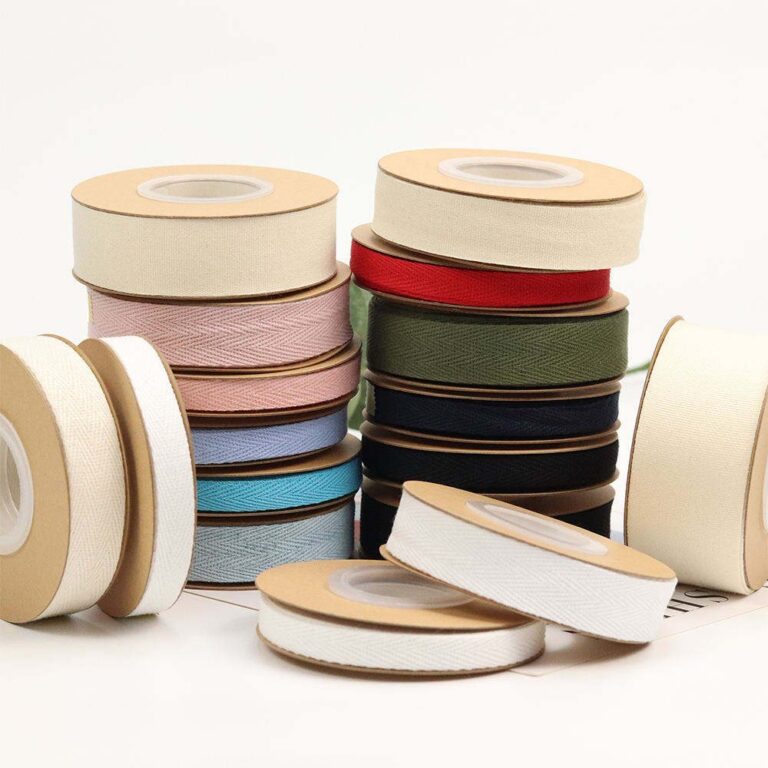 Bulk Ribbon Cost Guide: How to Compare Price Without Losing Quality
What drives Bulk Ribbon Cost Guide How to Compare Price Without Losing Quality pricing? Check sample approval, color…
Explore guide
Bulk Ribbon Cost Guide: How to Compare Price Without Losing Quality
What drives Bulk Ribbon Cost Guide How to Compare Price Without Losing Quality pricing? Check sample approval, color…
Explore guide
 Wholesale Ribbon Manufacturers: Factory vs Trading Company Checklist
Evaluate Wholesale Ribbon Manufacturers options: factory capability, QC proof, lead time, and reorder reliability. Narrow the list before…
Explore guide
Wholesale Ribbon Manufacturers: Factory vs Trading Company Checklist
Evaluate Wholesale Ribbon Manufacturers options: factory capability, QC proof, lead time, and reorder reliability. Narrow the list before…
Explore guide
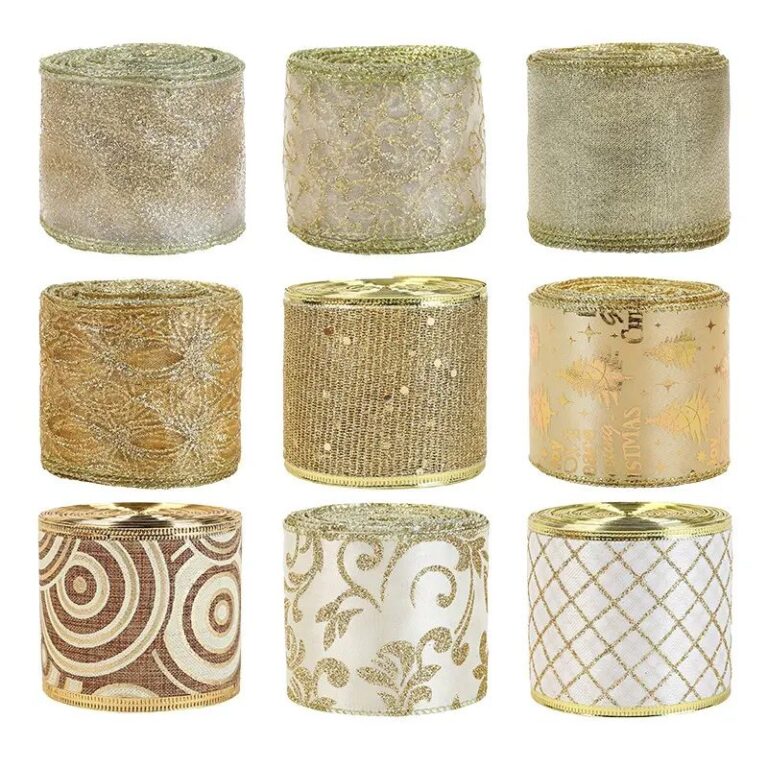 Wired Ribbon Wholesale Checklist: Structure, MOQ, and Supplier Questions
Evaluate Wired ribbon wholesale options: MOQ, setup fees, unit cost, and packing. Narrow the list before requesting samples…
Explore guide
Wired Ribbon Wholesale Checklist: Structure, MOQ, and Supplier Questions
Evaluate Wired ribbon wholesale options: MOQ, setup fees, unit cost, and packing. Narrow the list before requesting samples…
Explore guide
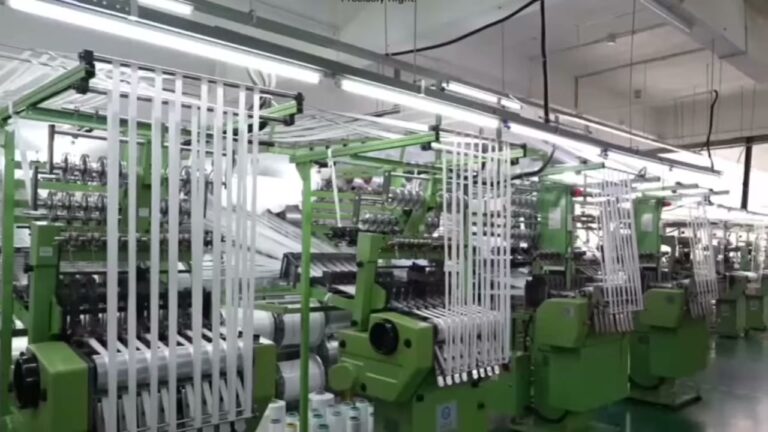 Velvet Ribbon Wholesale Checklist: MOQ, Finish, and Supplier Questions
Evaluate velvet ribbon wholesale options: MOQ, setup fees, unit cost, and packing. Narrow the list before requesting samples…
Explore guide
Velvet Ribbon Wholesale Checklist: MOQ, Finish, and Supplier Questions
Evaluate velvet ribbon wholesale options: MOQ, setup fees, unit cost, and packing. Narrow the list before requesting samples…
Explore guide
Leave a comment
Share a sourcing question or feedback on this guide. The Lude team reviews submissions before following up.