


Physical Samples: Why Skipping Them Ruins Bulk Ribbon Orders
Evidence and specification note: Color targets, tolerances, test methods, documentation, acceptance criteria, and remedies must be confirmed for the quoted material and written into the approved sample, specification, and sales agreement. General scenarios in this article are not guaranteed production results. Pricing and example note: Current pricing is quoted to specification. Material, width, color, decoration,…

The color target, measurement method, lighting conditions, and acceptance tolerance are confirmed against the buyer-approved sample and written specification.
Physical sample approval can reduce mismatch and rework risk; use the signed sample, written specification, and dated production records as the control evidence.
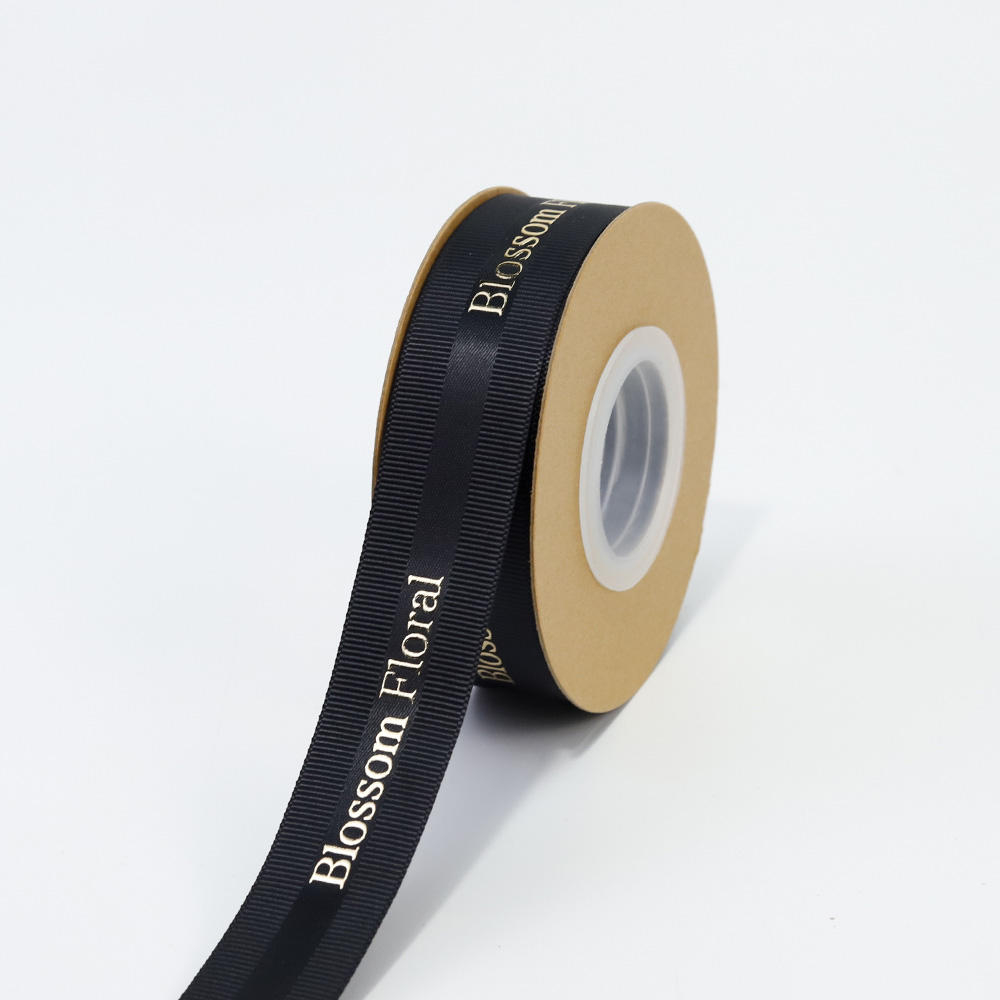
Why Most Custom Ribbon Orders Get Rejected
A screen color is not production reality.
A common rejection reason in custom ribbon programs is color drift — and it often traces back to approving a color from a monitor. Screens emit RGB light; ribbon absorbs and reflects ambient light. Dark reds and navies are structurally the hardest to match on satin dye because they absorb a wider spectrum and shift visibly under different lighting. A Pantone number on a screen tells you nothing about how the dye will behave on 100% polyester satin at production speed.
Artwork registration failure is the second hidden cause. When a buyer approves a digital mockup of a foil-stamped logo, they assume the factory can align the foil plate perfectly with the printed background. In reality, ribbon stretches slightly during high-speed weaving, and without a physical sample to verify registration, the foil stamp can land 1–2mm off-center — enough to reject an entire batch of 10,000 yards.
- The color target, measurement method, lighting conditions, and acceptance tolerance are confirmed against the buyer-approved sample and written specification.
- Why physical samples catch the failure: Hand-operated sample machines run slower and with higher precision than the 75 production looms. Bulk looms introduce tension variations that alter yarn density and light absorption. A physical sample signed off under D65 lighting becomes the legally binding production standard. Without it, you have no documented evidence for rejection disputes — just a he-said-she-said over color.
Many post-production disputes are caused by skipping the physical sample stage. Any cost, discount, or savings must be calculated from the dated quotation and the buyer’s approved specification. A physical sample is not a delay. It is an insurance policy against a rejected container.
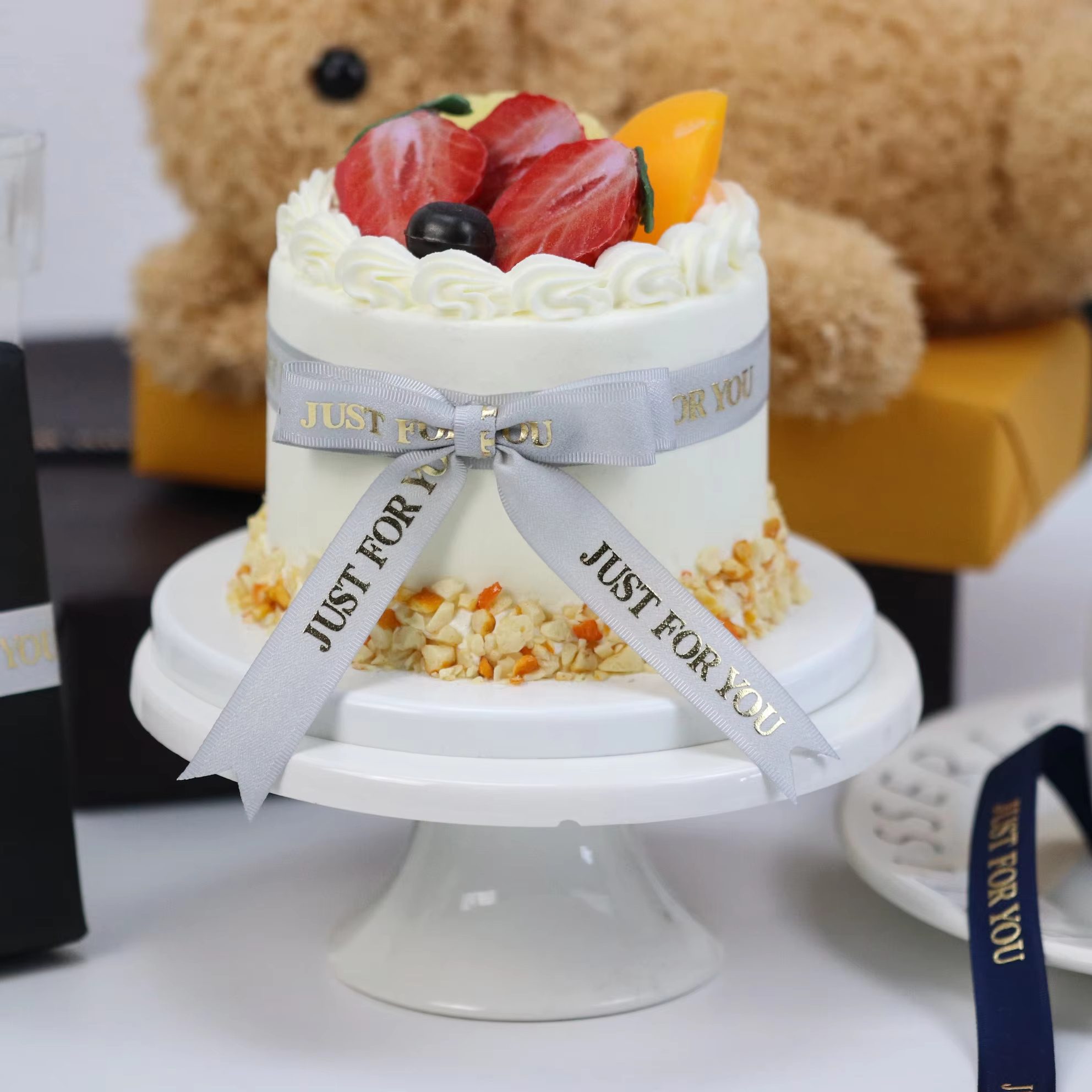
Real Cost Breakdown of Skipping Physical Samples
Pricing differences among materials, widths, print methods, quantities, and packing must be calculated from dated quotations for the same approved specification.
Pricing differences and savings must be calculated from dated quotations for the same approved specification, quantity, packing, delivery terms, and destination.
- Air freight surcharge: Current pricing is quoted after the material, width, decoration, quantity, packing, delivery terms, and destination are confirmed.
- Pricing differences among materials, widths, print methods, quantities, and packing must be calculated from dated quotations for the same approved specification.
- Missed seasonal window: A 4–8 week rework delay pushes delivery past the retail launch deadline, often resulting in canceled orders or deep discounting to clear inventory.
Any quality guarantee, acceptance threshold, and remedy must be stated in the approved specification and sales agreement.
| Risk Factor | Consequence | Financial Impact |
|---|---|---|
| Color Mismatch or Quality Rejection | 6–10 weeks rework cycle; air freight expediting for replacement order | Quoted after RFQ |
| Missed Seasonal Window | Lost retail placement for Q4 or event deadlines; brand penalty fees | Potential revenue loss far exceeding the sample cost |
| Loss of Volume Discount | Disrupted scaling from 3,000 to 10,000 yards; higher per-unit cost | Compare dated quotations for the same approved specification |
| No Legally Defensible Standard | Disputes without signed physical sample approval; arbitration costs | many industry post-production disputes attributed to skipped sampling |
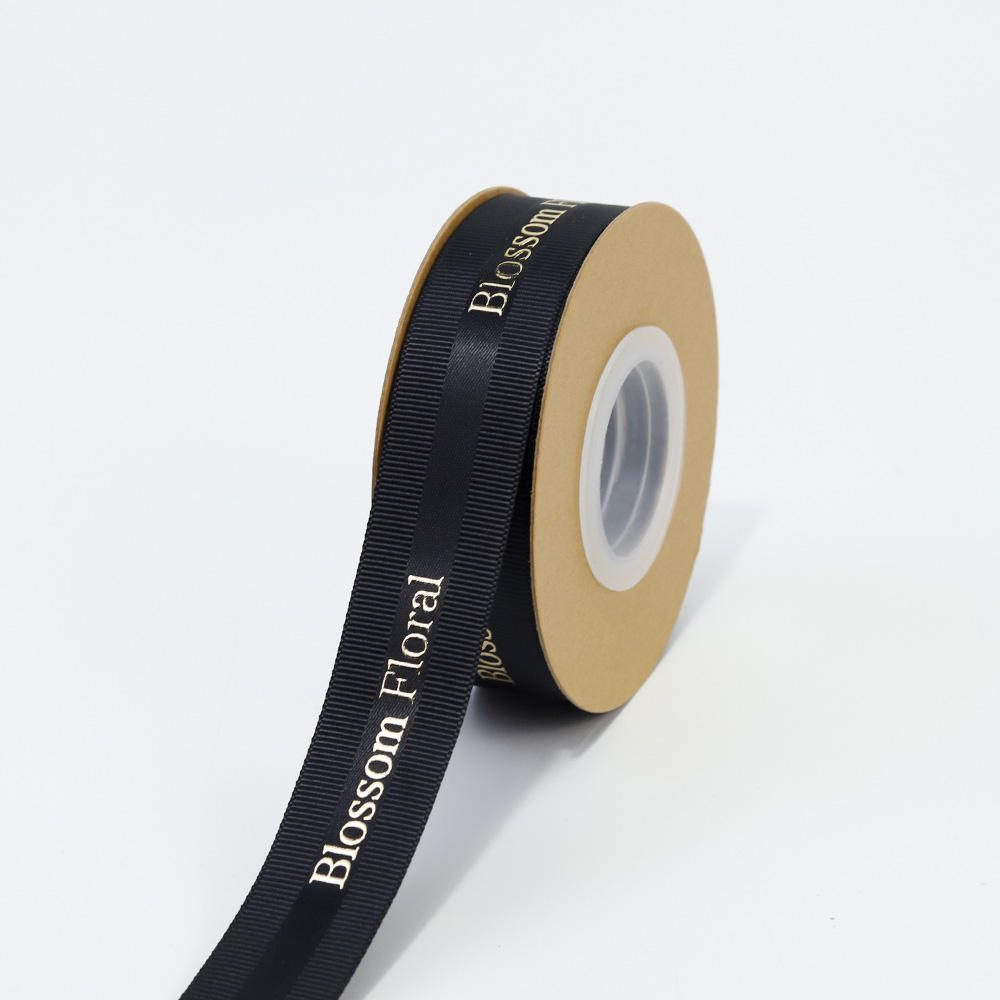
Custom Ribbon Sampling Process: Step-by-Step
A physical ribbon sample is not optional—many post-production disputes are caused by skipping this step.
Step 1: Submit a program brief with vector artwork (AI, EPS, or PDF at 300 dpi minimum), Pantone reference or physical swatch, material choice (satin, grosgrain, etc.), width, and print method.
Step 2: Physical sample production takes 7–14 business days from artwork approval. The factory uses a spectrophotometer to match your Pantone reference at buyer-approved ΔE tolerance. Dark navy and red satin dyes are structurally difficult to match—they absorb and reflect light differently than other colors, requiring physical confirmation before bulk. Samples are produced on hand-operated machines for high precision; bulk production uses high-speed looms that introduce tension variations, so calibration against the approved sample must continue throughout the run.
Step 3: Upon receiving the physical sample, sign off on paper—not email. The signed sample becomes the legally defensible production standard. If it fails (color drift, registration, or foil adhesion), the factory produces a second round. Once approved, the sample is kept as the QC reference for mid-production and pre-shipment inspections.
- Color Match: Confirm buyer-approved ΔE tolerance under D65 lighting against your Pantone standard.
- Width Tolerance: Measure across 3 points against the approved width tolerance.
- Foil Adhesion: Rub test: 10 moderate strokes with white cloth—no transfer allowed.
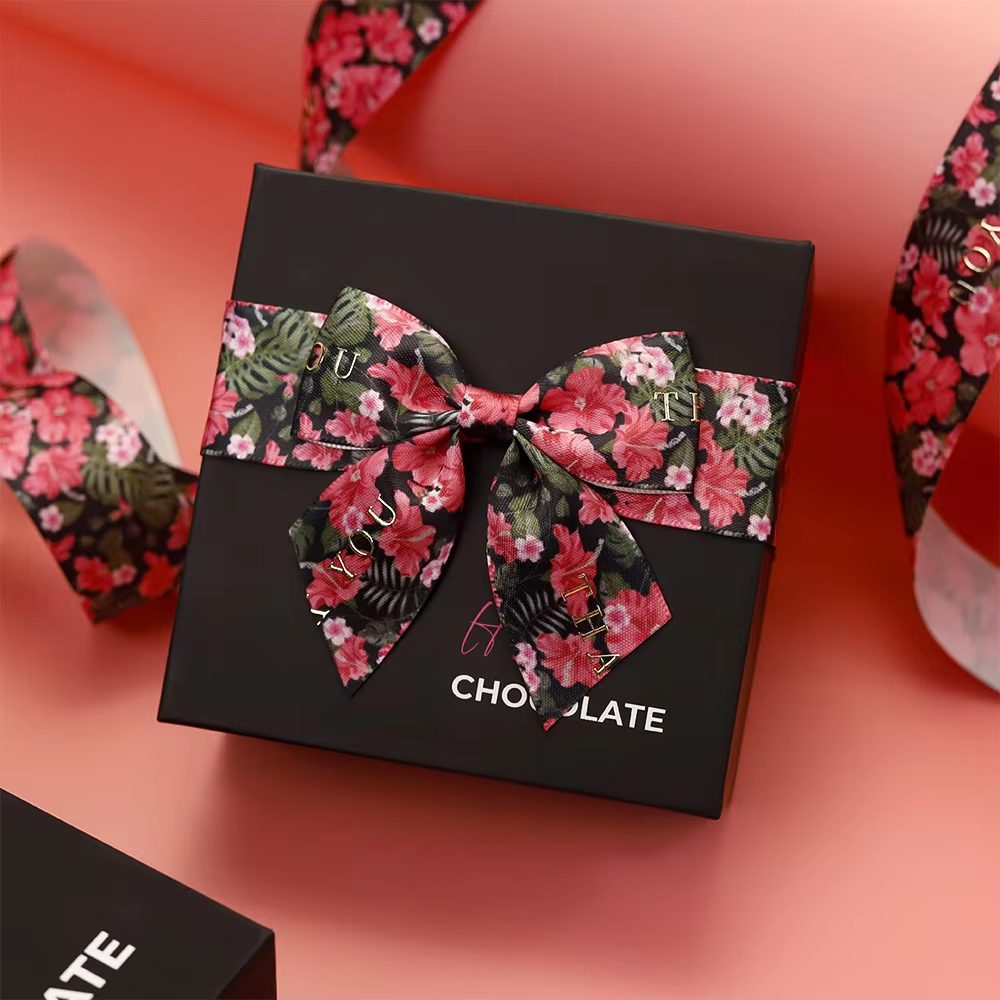
QC Protocol: How to Verify Your Ribbon Sample
Dark navy and red ribbons fail color matching most often — physical sample verification is mandatory.
When the physical sample arrives, your verification protocol should start with color accuracy. Place the ribbon directly on top of your actual product packaging under standard D65 daylight. The spectrophotometer measurement used during production targets buyer-approved ΔE tolerance — the industry benchmark for luxury cosmetics. If the ribbon shifts more than a shade under that light, reject it now before bulk. Do not rely on monitor or phone images; ribbon satin reflects light differently than a screen emits it.
Next, run the mechanical checks. Width tolerance for satin ribbon should be agreed in writing — measure across three random points along the sample; variance beyond it will cause misalignment in automated packaging machines. For foil-stamped or hot-stamped ribbons, perform a rub test: rub the foil area firmly with a white cloth ten times under moderate pressure. If any metallic transfer appears, the foil adhesion failed and will degrade during transit. Tensile strength for ribbons used in automated bow-tying or wrapping lines should be agreed for your line — pull the sample; if it stretches noticeably, request a denser weave. Finally, match the hand-feel against your internal standard. A ribbon that feels stiffer or slicker than your approved sample will change the consumer unboxing experience.
If any check fails, the factory produces a second sample round. The first-round failure rate drops sharply when the buyer provides a physical swatch or packaging material alongside the Pantone reference. The approved physical sample is kept at the factory as the sole reference for all bulk QC checks — no email approvals, no soft sign-offs. You get a signed document that is legally defensible in case of a dispute.
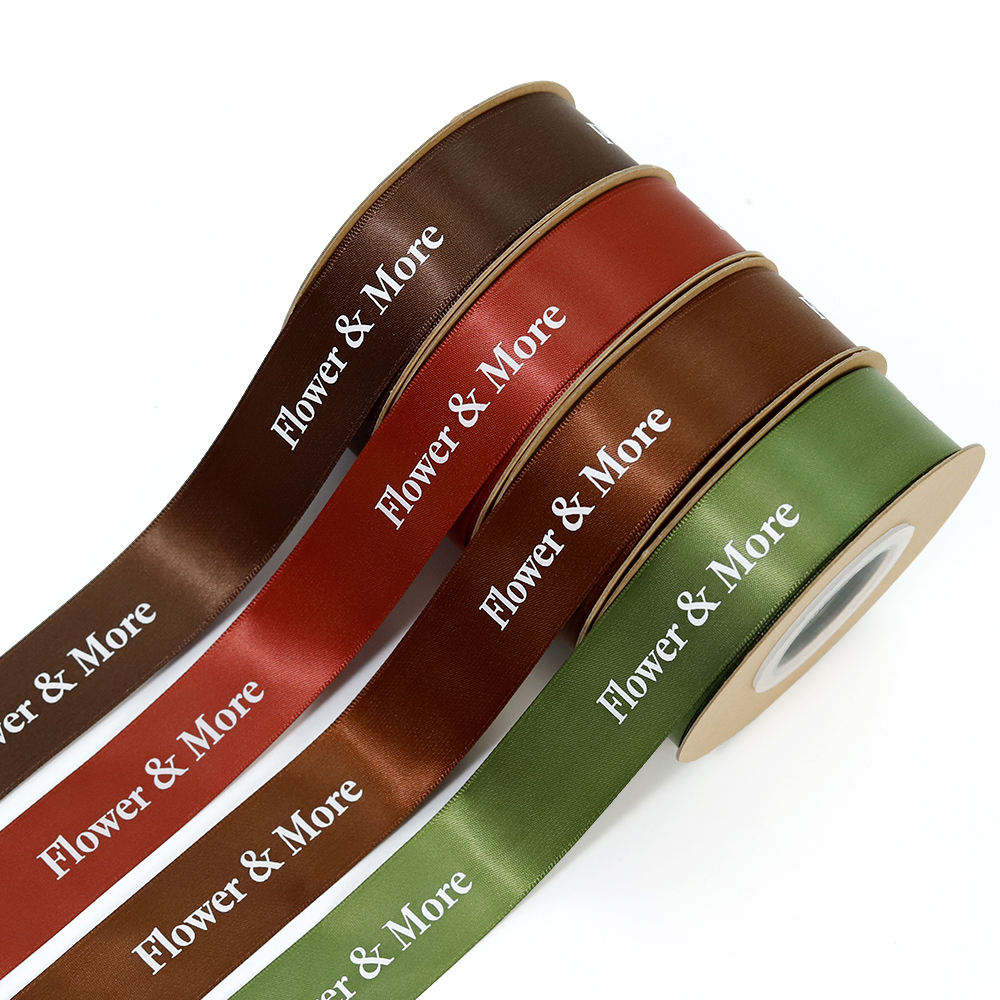
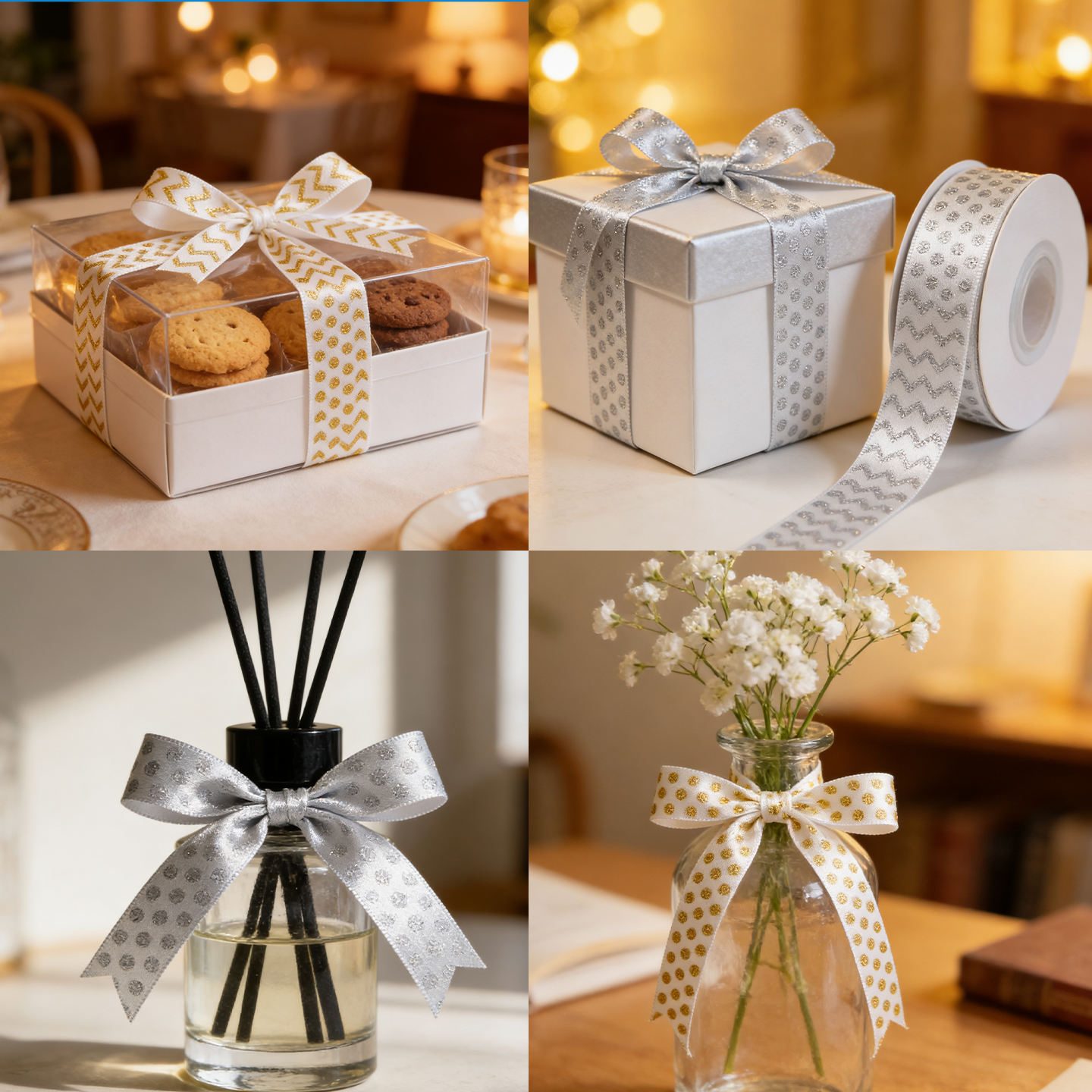
How to Source Custom Ribbon Without Getting Scammed
Skipping the physical sample stage causes many post-production disputes in the industry.
Many suppliers accept a verbal or email approval and rush straight to bulk. That’s not a partnership—it’s a gamble. Without a signed Sample Approval Form that defines the binding production standard, you have no legal recourse when the bulk shipment deviates. A genuine manufacturer will insist on a physical ribbon sample before bulk order and a signed form before releasing production.
- Review management-system documents separately from article-specific testing and market requirements. ISO 9001 concerns the quality management system; OEKO-TEX addresses harmful-substance criteria for a listed article and product class. Neither by itself establishes all export-market requirements.
- Written QC Inspection Protocol: Demand that the factory specifies mid-production and pre-shipment inspection checkpoints in writing. For ribbon, this includes verifying width tolerance, color measurement under D65 lighting using a spectrophotometer, and a foil stamp adhesion rub test. This custom ribbon QC inspection protocol must be documented and shared.
- Signed Sample Approval Form: This physical document becomes the sole reference for bulk production. Unlike email approvals, a signed form is legally defensible. Both parties must keep a copy. The approved sample is retained at the factory and compared against every production roll. This sample approval sign off for custom ribbon is your only shield against rejection.
- Rushed Sample Timeline: If a factory promises a sample in 2–3 days, question their process. A proper sample run requires 7–14 business days from artwork approval, including spectrophotometer color matching and print registration checks. Rushed samples often skip these steps, leading to bulk rejection. To know how to avoid rejected custom ribbon shipment, insist on the full sample cycle.
- No Sample Tracking System: A reliable factory will provide a sample reference number, date, and revision history. Without this, you cannot prove what was approved. Lude Ribbon’s internal system assigns a unique sample ID and retains the approved sample for the duration of the order.
Factories that push you to skip the sample stage are not controlling their production process. They are likely using hand-operated sample machines that produce a perfect sample, but high-speed production looms introduce tension variations that cause color drift unless recalibrated against the approved sample throughout the run. That’s why a physical sample before bulk is non-negotiable—especially for dark navy and red satin, which absorb light differently and are structurally difficult to match. This is the only way to prevent ribbon color drift from sample to bulk.
Conclusion
The color target, measurement method, lighting conditions, and acceptance tolerance are confirmed against the buyer-approved sample and written specification.
Review the custom printed ribbon product page to select your base material (satin, grosgrain, velvet) and print method. Once you choose, initiate a sample program by submitting your artwork or physical swatch. That sample becomes the contract for your bulk order—and the insurance against a rejected shipment.
Frequently Asked Questions
How long does the sample process take?
Sample lead time is 7–14 business days after artwork approval. Account for sample time in your production calendar.
Does the sample process cost extra?
Yes, sample costs are typically separate from bulk pricing, covering material, labor, and shipping. Ask for sample cost upfront to avoid surprises.
What if the first sample doesn’t meet my requirement?
Revisions are standard; Lude Ribbon can re-sample when the sample does not match your approval. Each revision cycle adds 7–14 business days to the timeline. Expect extra time for each revision round.
Can I start with a physical swatch instead of a Pantone number?
The color target, measurement method, lighting conditions, and acceptance tolerance are confirmed against the buyer-approved sample and written specification.
What is the MOQ for a custom sample?
There is no MOQ for a single sample—it is a standalone evaluation piece. Bulk MOQ is 1,500 yards per color for plain stock ribbon and 3,000 yards per design for printed ribbon; award ribbon and sash programs start from 1,000 pieces. Order one sample per spec before moving to bulk.
Keep exploring
Recommended buyer guides
 Pre-Tied Bows for Retail Packaging: When They Reduce Labor and Rework
See when pre-tied bows reduce retail packaging labor, improve consistency, and simplify bulk packing, SKU planning, and reorders
Explore guide
Pre-Tied Bows for Retail Packaging: When They Reduce Labor and Rework
See when pre-tied bows reduce retail packaging labor, improve consistency, and simplify bulk packing, SKU planning, and reorders
Explore guide
 Velvet Ribbon Wholesale Checklist: MOQ, Finish, and Supplier Questions
Evaluate velvet ribbon wholesale options: MOQ, setup fees, unit cost, and packing. Narrow the list before requesting samples…
Explore guide
Velvet Ribbon Wholesale Checklist: MOQ, Finish, and Supplier Questions
Evaluate velvet ribbon wholesale options: MOQ, setup fees, unit cost, and packing. Narrow the list before requesting samples…
Explore guide
 Wholesale Custom Ribbon with Logo: Specs, Roll Length, and RFQ Checks
Step-by-step: Custom Ribbon With Logo. Check artwork files, print method, color target, and sample approval to avoid delays,…
Explore guide
Wholesale Custom Ribbon with Logo: Specs, Roll Length, and RFQ Checks
Step-by-step: Custom Ribbon With Logo. Check artwork files, print method, color target, and sample approval to avoid delays,…
Explore guide
 Wholesale Ribbon By The Roll: Roll length and inventory planning
Evaluate Wholesale Ribbon By The Roll options: factory capability, QC proof, lead time, and reorder reliability. Narrow the…
Explore guide
Wholesale Ribbon By The Roll: Roll length and inventory planning
Evaluate Wholesale Ribbon By The Roll options: factory capability, QC proof, lead time, and reorder reliability. Narrow the…
Explore guide
Leave a comment
Share a sourcing question or feedback on this guide. The Lude team reviews submissions before following up.