


Custom Ribbon Sample Approval: Sample-to-production approval gate
Custom ribbon sample approval — the checks that decide whether a quote, sample, or shipment can be approved
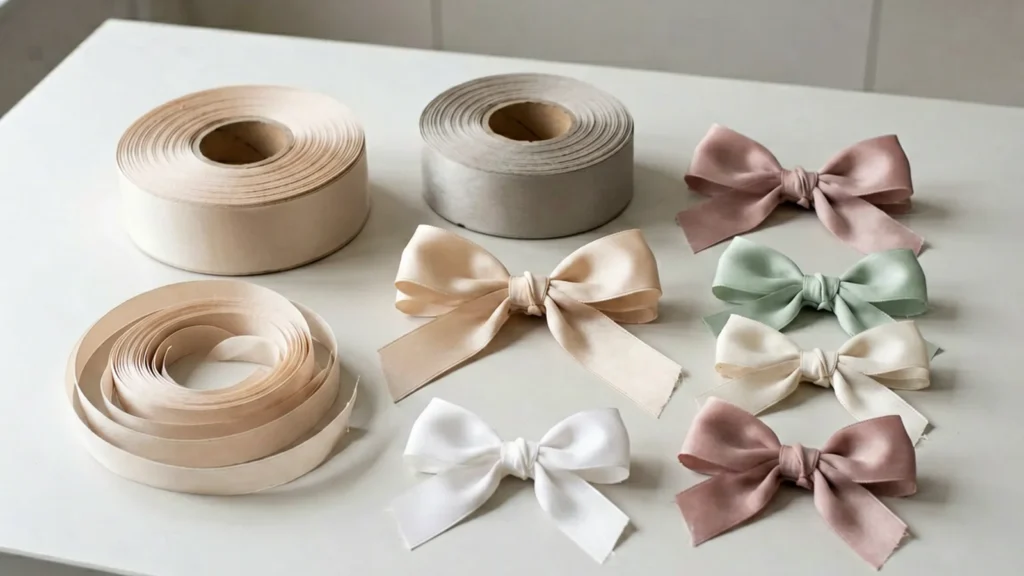
Before you can plan OEM, ODM, logo, artwork, material, size, color, sample, packaging, or private-label requirements, the specification has to say enough for a supplier to price the same job you have in mind.
The approval gate exists because a sample is made on one machine and production runs on another. What transfers between them is what to check.
Direct answer: For custom ribbon, buyers should plan OEM, ODM, logo, artwork, material, size, color, sample, packaging, or private-label requirements.
What buyers must define before approving custom ribbon sample approval
A sample room and a production line are not the same factory. The sample is often made by hand, on short lengths, with the operator watching it; the production run is made on a loom or a press at speed. Approving the first and receiving the second is a common way a custom ribbon program goes wrong, and the fix is to define which kind of sample you are approving before anyone makes one.
| Sample type | Fits when | Risk it leaves open | Proof needed | buyer follow-up |
|---|---|---|---|---|
| Colour swatch | Choosing a shade from existing stock | Says nothing about your construction or width | A dyed piece of the actual material | Move to a construction sample |
| Hand-made sample room piece | Confirming an idea early, before tooling | Made by hand at a speed production cannot match | A note stating it is hand-made | Treat it as direction, not approval |
| Sample run on the production line | Approving the goods you will receive | Costs more and takes longer to produce | A sample run on production equipment, with its lot marking | Approve in writing and keep the retained piece |
| First-article from bulk | Verifying the run has started correctly | Arrives after production is committed | A piece pulled from the actual run | Inspect before releasing the balance |
Only the third row is an approval in any meaningful sense. The first two are conversations, and the fourth is a check rather than a gate. Ask which one a supplier is offering when they say the sample is ready, because the word covers all four.
Artwork file and proofing requirements
Four signals mean the sample stage will not hold, and each is visible before anything is made.
| Warning sign | Why it matters | Verification check | Risk if ignored |
|---|---|---|---|
| No file specification given | Rebuilt artwork changes both cost and schedule | Ask for the format and resolution in writing | A proof round lost to file problems |
| Fonts supplied but not outlined | Substituted fonts reach production silently | Confirm the text is converted to outlines | A run printed in the wrong typeface |
| Proof shown on paper rather than ribbon | Ink behaves differently on a woven face | Ask for the proof printed on the quoted material | Legibility problems appear at bulk |
| Proof rounds not stated | Extra rounds carry cost and eat the schedule | Get the included number in writing | Approval time runs past the production window |
A supplier who states the file requirement before quoting has thought about where custom work actually fails. The sampling and artwork sequence is documented in custom sampling and artwork process, and agreeing it once is faster than renegotiating it on each order.
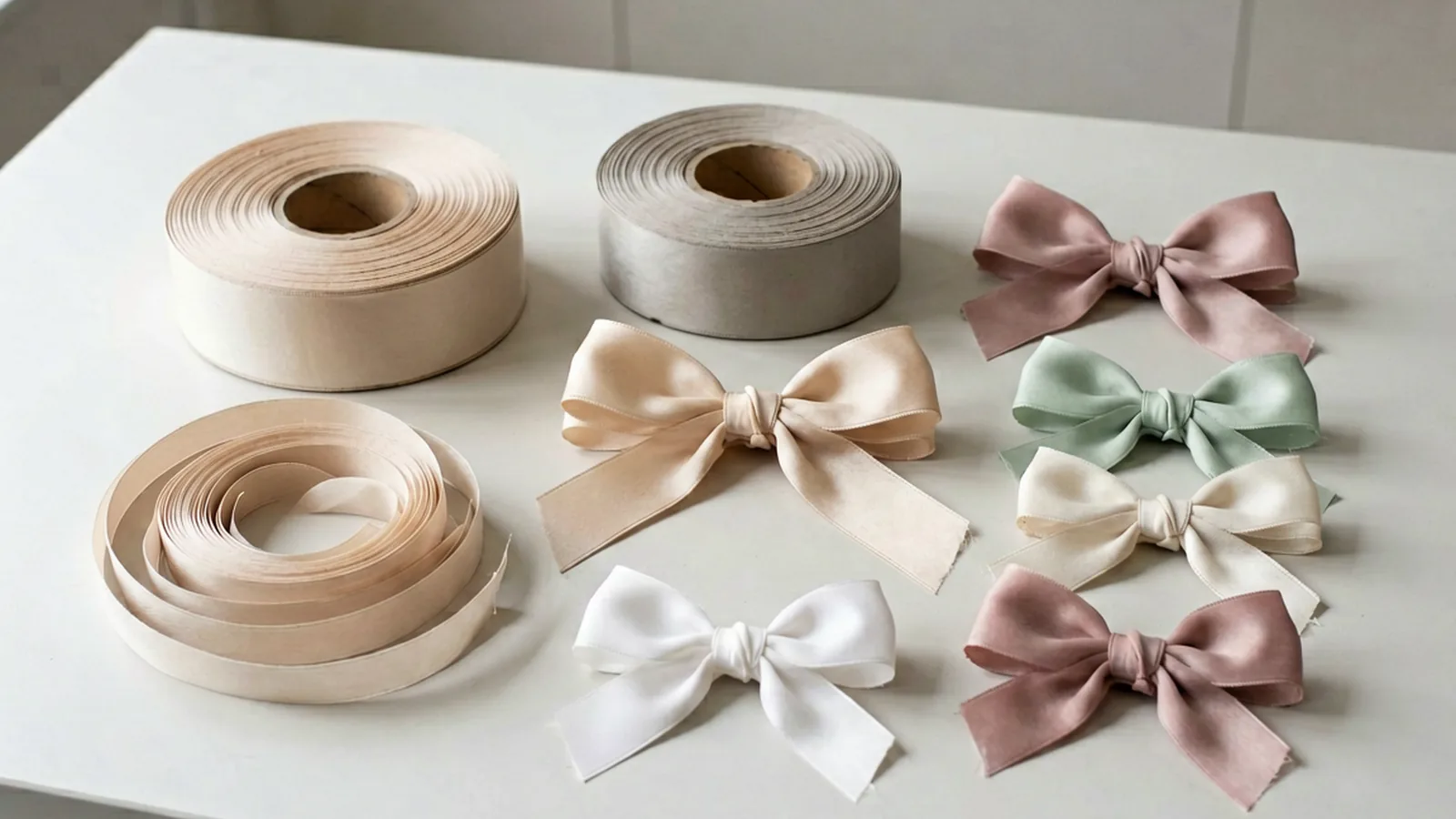
Sample approval workflow
The sequence below is what separates an approval that holds from one that has to be repeated. Each stage closes in writing before the next opens, and each has an input the buyer must supply rather than wait for.
| Stage | What the buyer supplies | Why it matters | Question for the supplier | buyer follow-up it unlocks |
|---|---|---|---|---|
| Specification lock | Construction, width, shade standard, finish | Everything downstream is measured against it | Is anything here outside what you already run? | Releases sampling |
| Sample type agreed | Which of the four sample types is being made | Only a sample run on the production line is an approval | Is this made on production equipment? | Releases the sample charge |
| Sample review | Measurements and a signed comparison | An unmeasured sample approves nothing | What lot marking will it carry? | Releases the pre-production piece |
| Written approval | A signature against a named sample | It is what an inspection later measures against | Where is the retained piece kept? | Releases production |
One practical note on scheduling: the minimum order quantity is fixed at specification lock, so a change after that point restarts both the quote and the lead time rather than adjusting them. Specialty faces deserve an extra round rather than an extra assurance. A coated or foiled surface behaves differently once handled, so a programme using metallic ribbon should add a handled-sample check to this sequence, and the cost of that round is smaller than the risk of approving a face that only looks right flat.
production quality checkpoints
Five requirements are worth writing into the approval record, each with the proof that satisfies it and the party who produces that proof.
- The sample represents production. Proof to request: confirmation that it was run on production equipment, provided by the factory. Without it the risk is approving a hand-made piece and receiving a machine-made one.
- The shade matches the standard. Proof to request: a dyed sample with its lot marking, provided by the dye house through the supplier. Unmarked samples leave the reorder with nothing to match.
- The print holds on the ribbon face. Proof to request: a handled printed sample, provided by the factory after the ink has cured. Judging adhesion on a fresh proof risks a run that rubs off in transit.
- The dimensions are measured, not stated. Proof to request: the measured width and length recorded by the supplier, verified by you on the returned piece. A stated specification is not a measurement.
- Inspection is defined and located. Proof to request: an inspection record from a comparable run, provided by the quality team rather than a certificate from the company.
For gift and retail programs these five belong in the same record as the packing specification, which is how gift and retail packaging ribbon solutions are scoped: the approval is a document, not a conversation.
Final approval checklist before RFQ or deposit
Run these checks on the sample you intend to approve rather than on an earlier one, and record the result against each. A deposit paid before they are done buys a production slot rather than a specification.
- Measure the width and compare it to the specification. The defect it catches is a tape running under the quoted width, which changes yardage and price. Approval standard: the measured figure recorded alongside the agreed tolerance.
- Compare the shade against the signed standard under the end-use lighting. The defect is a shade approved under one light and used under another. Approval standard: the lighting condition named in the record.
- Handle the sample, then inspect the cut end and the printed area. The defect is fraying or ink lift that only appears after handling. Approval standard: the handled sample, not the fresh one, is the reference.
- Check the lot marking is present and legible. The defect is a retained piece nobody can trace at reorder. Approval standard: lot marking recorded in the approval document.
- Confirm the quantity route and the schedule in the same document. Standard production runs 15 to 20 business days once specifications are approved, and approvals sit outside that window. Approval standard: both dates written down.
Approve in writing against a named sample, keep the retained piece, and treat that document as the reference for any later inspection. It is also the fastest way to settle a dispute without stopping production, which is the practical reason for doing it before the deposit rather than after.
In conclusion
The output of custom ribbon sample approval is a signed piece with a lot marking, not an email saying the sample looked good. That piece is what production is measured against and what an inspection can later refer to, which is why the sample type matters more than the sample count.
Where the program carries artwork rather than only a shade, the route runs through custom printed ribbon, which adds an artwork approval ahead of production and its own per-design threshold. Treating that step as a formality is the risk that turns one proof round into three, and proof rounds are a cost driver as well as a schedule one.
Ask your supplier which of the four sample types they are proposing, request a production-representative piece with its lot marking, measure it, approve it in writing, and keep it. Everything downstream — inspection, reorder, dispute — refers back to that one piece.
Custom ribbon sample approval FAQ
What should buyers confirm before ordering Custom Ribbon Sample Approval?
Confirm which kind of sample is being made. A colour swatch, a hand-made sample room piece, a sample run on the production line, and a first-article from bulk are all called samples, and only the third is an approval. Ask whether it was run on production equipment.
How should buyers compare MOQ, lead time, and quote terms?
Compare by production route rather than as one figure. Plain stock ribbon starts at 1,500 yards per color from existing colors and widths, printed ribbon starts at 3,000 yards per design, and formed pieces are counted individually. Production then runs 15 to 20 business days after approval, with sampling and proof rounds outside that window.
What sample, quality, or supplier checks reduce risk?
Measure the sample instead of reading its specification, handle it before judging the edge and the print, and check the lot marking is present. Ask for an inspection record from a comparable run rather than a quality certificate, and keep the approved piece on file.
Keep exploring
Recommended buyer guides
 Wholesale Custom Ribbon with Logo: Specs, Roll Length, and RFQ Checks
Step-by-step: Custom Ribbon With Logo. Check artwork files, print method, color target, and sample approval to avoid delays,…
Explore guide
Wholesale Custom Ribbon with Logo: Specs, Roll Length, and RFQ Checks
Step-by-step: Custom Ribbon With Logo. Check artwork files, print method, color target, and sample approval to avoid delays,…
Explore guide
 Ribbon Cutting Ribbon Custom Order: Specs, Roll Length, and RFQ Checks
Shortlist Ribbon Cutting Ribbon Custom Order suppliers by sample approval, color tolerance, and QC checks. See which options…
Explore guide
Ribbon Cutting Ribbon Custom Order: Specs, Roll Length, and RFQ Checks
Shortlist Ribbon Cutting Ribbon Custom Order suppliers by sample approval, color tolerance, and QC checks. See which options…
Explore guide
 Wholesale Custom Organza Ribbon: Specs, Roll Length, and RFQ Checks
Custom Organza Ribbon — a practical checklist covering artwork files, print method, color target, and sample approval for…
Explore guide
Wholesale Foil Printed Ribbon: Custom Specs, Samples, and RFQ Checks
Foil printed ribbon: what to check on artwork files, print method, color target, and sample approval before placing…
Explore guide
Wholesale Custom Organza Ribbon: Specs, Roll Length, and RFQ Checks
Custom Organza Ribbon — a practical checklist covering artwork files, print method, color target, and sample approval for…
Explore guide
Wholesale Foil Printed Ribbon: Custom Specs, Samples, and RFQ Checks
Foil printed ribbon: what to check on artwork files, print method, color target, and sample approval before placing…
Explore guide
Leave a comment
Share a sourcing question or feedback on this guide. The Lude team reviews submissions before following up.