


Custom Ribbon Printing: Print methods, finish limits, artwork checks
Evaluate Custom Ribbon Printing options: artwork files, print method, color target, and sample approval. Narrow the list before requesting samples
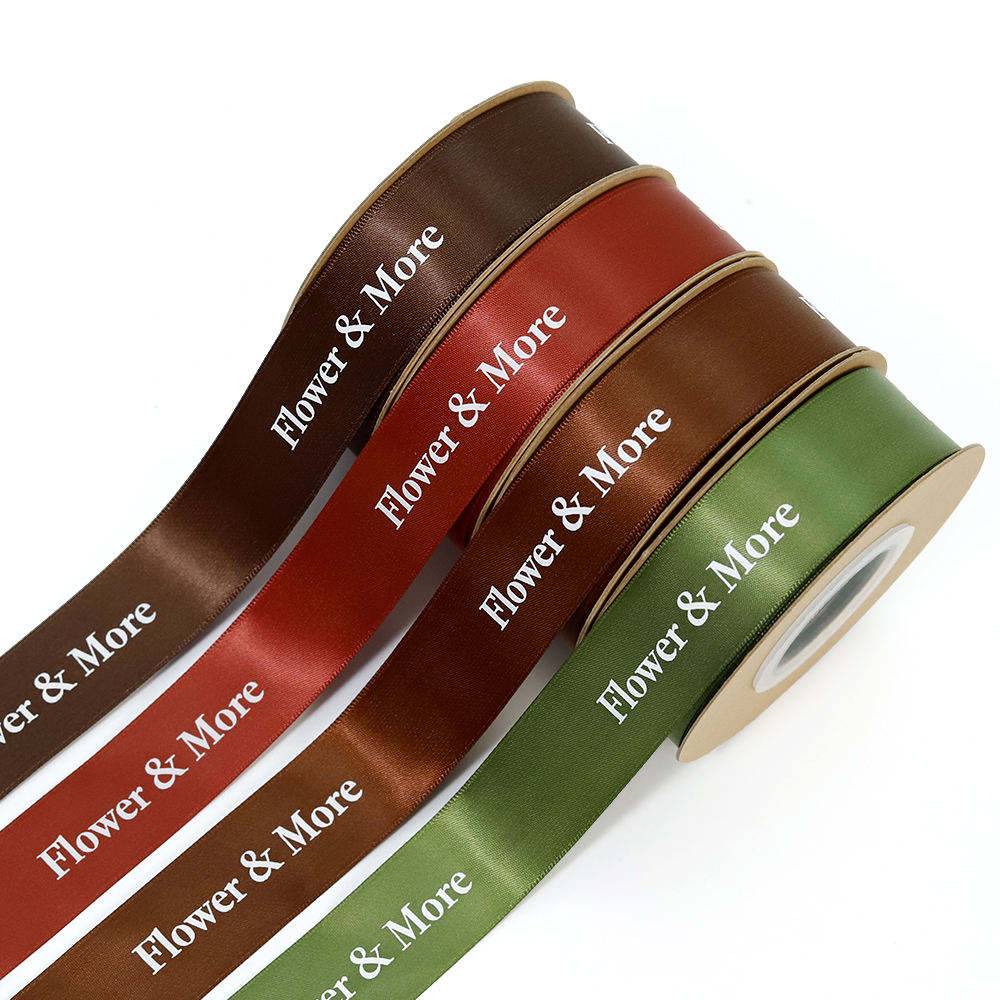
Custom ribbon printing decisions should connect the logo or finish idea to a production sample, not only a visual mockup.
For custom ribbon, supplier proof should cover print position, color target, surface finish, structure, and packing before bulk production is released.
The checks below help buyers keep artwork, material, finish, and packing decisions in one approval path.
Direct answer: custom ribbon printing is ribbon made to a buyer's artwork and order specification rather than a stock design. Compare suppliers only after material, width, color, print method, artwork revision, packing, sample approval, quantity, and required date are written into the same RFQ.
Copy this approval record for custom ribbon printing into the RFQ file. Keep every checked item on the same revision before releasing the order.
- ☐ Ribbon material, width, color target, and packing format
- ☐ Artwork revision, print method, placement, and repeat
- ☐ Approved sample, production reference, and exception notes
- ☐ Quantity, schedule, quote assumptions, owner, and approval date
Move the order forward only when each gate leaves written evidence for the next. Return an unresolved specification, sample, or quote exception to its owner before bulk production.
What buyers must define before approving custom ribbon printing
| Application | Fit condition | Risk to avoid | Specification or proof | Follow-up |
|---|---|---|---|---|
| Ceremony ribbon for a single event date | Printed ribbon with a fixed width, Pantone color, and a single logo placement per roll | Sample arrives after the event date or color mismatch with event branding | Written timeline tying artwork approval, sample production, and shipping to the fixed event date | Document the ceremony use, event date, and ribbon spec in the RFQ; request a digital proof before sample order |
| Retail packaging ribbon with repeat logo pattern | Printed ribbon with defined repeat interval, vector artwork, and roll length per unit | Logo placement shifts between rolls or repeat interval causes misalignment on the package | Vector artwork file (AI or EPS) with logo dimensions, distance from edge, and repeat interval in inches or millimeters | Require a to-scale digital proof showing artwork on the ribbon background; approve and date before sample release |
| Wholesale ribbon program with multiple pack-out methods | Printed ribbon with confirmed roll length, core inner diameter, and pack-out method (individual polybag, bulk carton, or master case) | Short rolls or incompatible cores cause setup failure at staging; pack-out mismatch delays distribution | Supplier written confirmation of roll length measurement method, core specification, and pack-out photo or sketch | Include pack-out photo in RFQ; request a pre-production packing sample before bulk order release |
| Award ribbon or sash with color-critical branding | Printed ribbon with Pantone color target, edge finish inspection, and camera-facing side check | Narrow ribbon looks undersized in photos; wrong material frays before the event; color mismatch with brand standards | Physical sample compared against approved Pantone swatch and artwork proof under event lighting | Inspect the camera-facing side for color consistency, print registration, and edge finish; document with photo and inspector signature |
For a ceremony-specific ribbon, a poor decision can mean sample arrives after the event date or color mismatch with event branding. Request written proof and compare it with the approved sample or specification, then document the ceremony use, event date, and ribbon spec in the rfq; request a digital proof before sample order.
For the single-date event ribbon checkpoint in custom ribbon, keep the supplier response, marked sample, approved specification, quotation, and approval owner under the same revision number. If the evidence conflicts with the approved record, hold the quote, sample, or production release until the deviation is explained in writing. Carry the signed decision record into the purchase order, production handoff, shipment release, and later reorder review so every team works from the same baseline.
Material, width, color, finish, and packing requirements
Before sending an RFQ, document the ribbon material, width in inches or millimeters, and Pantone color reference. The finish—matte, gloss, or velvet—affects print adhesion and edge fraying. Packing method, roll length, and core inner diameter must match staging equipment. Without these specs, the factory cannot produce a consistent sample or quote an accurate lead time.
Logo, artwork, placement, and tolerance requirements
Provide a vector artwork file with logo dimensions relative to ribbon width, distance from the left edge, and vertical centering. For repeated logos, define the repeat interval. Require a to-scale digital proof showing artwork on the ribbon background. Approve and date the proof before releasing the sample order. This prevents misinterpretation that leads to sample rejection and production delays.
Artwork file and proofing requirements
Start with evidence for custom ribbon:
- Artwork submitted as a low-resolution JPEG or PNG instead of a vector file: The print method cannot reproduce fine logo details, causing blurry edges or color bleed on the ribbon.
- No Pantone reference or CMYK breakdown provided for the ribbon color: The factory may dye or print a shade that mismatches your event branding or packaging, causing rejection.
- Artwork scale and repeat interval not defined for repeated logos: Logos may be cut off at the ribbon edge or spaced unevenly, wasting material and ruining the visual.
- Print method not confirmed for the ribbon material and artwork complexity: Using heat transfer on velvet or foil on organza can cause poor adhesion, cracking, or color shift.
Additional RFQ items include proof approval not tied to a calendar deadline before the event date: Sample production and shipping may miss the fixed event date, causing last-minute cancellation or rush fees.
File formats, color references, and scale checks
For this printing work, the artwork file must be a vector format such as AI or EPS with all fonts outlined. Supply a Pantone reference for both the ribbon base and the print ink. Define logo dimensions relative to the ribbon width, distance from the left edge, and repeat interval. Without these specs, the factory cannot produce a consistent sample or quote an accurate lead time.
Print method limits and proof approval points
Each ribbon material—satin, grosgrain, velvet, or organza—works best with a specific print method. Heat transfer suits polyester, while foil stamping works on smooth surfaces. Require the supplier to confirm the print method in writing and provide a sample on the exact material. Approve the digital proof only after verifying logo placement, color match, and scale against the ceremony diagram.
See custom sampling and artwork process for artwork file and proofing requirements.
RFQ checkpoint
Check the product route for sizes, structures, materials, finishes, and RFQ details before sampling custom ribbon.
Sample approval workflow
For ribbon printing, treat the Sample approval workflow items as RFQ inputs. Match each buyer input to written supplier confirmation, approval evidence, and the risk that would hold the quote.
- MOQ or order quantity per design/program: MOQ determines whether the order is feasible and affects unit cost. Printed ribbon starts at 3,000 yards per design; custom colors or widths must be confirmed by RFQ. 3,000 yards of printed ribbon for one logo design, or 1,500 yards of plain stock ribbon from existing inventory. Supplier may reject the order or quote a higher unit price for a quantity below the MOQ threshold. Verify the MOQ with the supplier and confirm the quantity by RFQ if the order uses custom colors or widths.
- Cost driver: print method, material, and quantity: Heat transfer suits polyester, foil stamping works on smooth surfaces. Each material and print method combination affects the unit cost and MOQ. Heat transfer on polyester ribbon costs less per yard than foil stamping on velvet ribbon for the same quantity. Unexpected cost increase after sample approval, or a print method that fails on the chosen material. Require the supplier to confirm the print method in writing and provide a sample on the exact material before quoting.
- Quality control: color, handfeel, print clarity, and packing: Inspect the ribbon side that will face the camera during the ceremony. Check for color consistency, print registration, and edge finish under event lighting. Compare the physical sample against the approved Pantone swatch and artwork proof. Record each check with a photo and the inspector's signature. Narrow ribbon looks undersized in photos, wrong material frays before the event, or short rolls cause last-minute setup failures. Attach the inspection results to the RFQ revision before releasing the bulk order.
Physical sample checks before production
Before bulk production, compare the physical sample against the approved specification: ribbon width, material handfeel, color match to Pantone, and print registration. Measure width with a caliper and check edge finish for fraying. Every check must be accompanied by a photo and the inspector's signature. This prevents color disputes and print quality failures that delay delivery.
Color, handfeel, print clarity, and packing confirmation
Inspect the sample under the same lighting as the event or retail display. Confirm the ribbon base color and print ink match the Pantone reference. Rub the print to check adhesion. Verify roll length, core inner diameter, and pack-out method match staging equipment. Approve only after all checks pass, then release the bulk order.
Use metallic ribbon to align the sample and production handoff.
production quality checkpoints
Start with evidence for custom ribbon:
- Supplier must have a documented three-stage inspection protocol for bulk ribbon orders. Request a written summary of the three inspection checkpoints and the retained approved physical sample reference.
- Color is managed against the retained approved physical sample, not a digital file alone. Ask for an image of the retained sample with the batch number and the color measurement report.
- Inspection records for each bulk order must be available on request before shipment release. Request a copy of the inspection record for the current production run, signed by the inspector.
- Print registration and edge finish must be checked under the same lighting as the event or display. Ask for a photo of the print registration check under the specified lighting condition, with a ruler in frame.
Additional RFQ items include roll length and core inner diameter must be verified before packing to match staging equipment. Request a written confirmation of the roll length measurement method and the core specification.
For custom ribbon, reorder variation starts when the factory does not hold a retained physical sample from the first approved run. Without that baseline, color drift, width change, or print misregistration can appear in later batches. Require the supplier to document each inspection checkpoint—raw material, in-process, and final—against the retained sample. This locks consistency across production runs and prevents the buyer from approving a second order that looks different from the first.
See gift and retail packaging ribbon solutions for production quality checkpoints.
Final approval checklist before RFQ or deposit
The main failure mode in Final approval checklist before RFQ or deposit is approving this printing work before the supplier has resolved the listed evidence gaps.
- Confirm ribbon material, width, and Pantone color in writing: Without these specs, the factory cannot produce a consistent sample or quote an accurate lead time. Request a written confirmation from the supplier listing the exact material, width in inches or millimeters, and Pantone reference. Sample arrives with wrong color or width, causing rejection and production delays. Document the confirmed specs in the RFQ and attach the supplier's written confirmation.
- Verify artwork file format and proof approval: A vector file with outlined fonts and Pantone references prevents print misregistration and color mismatch. Require a to-scale digital proof showing artwork on the ribbon background; approve and date it before sample order. Artwork errors are caught after the factory has cut ribbon, leading to sample rejection and rework costs. Sign and date the approved proof, then attach it to the RFQ revision.
- Check sample against approved spec under event lighting: Color and print registration can look different under ceremony or retail lighting than in the factory. Compare the physical sample to the approved Pantone swatch and artwork proof under the same lighting as the final use. Approved sample fails on-site, causing last-minute substitution or event delay. Document each check with a photo and inspector signature before releasing bulk order.
- Confirm roll length, core ID, and pack-out method: Incompatible cores or wrong roll lengths cause staging equipment failure and setup delays. Request the supplier to confirm roll length measurement method and core specification in writing. Short rolls or wrong cores force last-minute rework or event-day failure. Include pack-out photo or sketch in the RFQ and ask for a pre-production packing sample.
Information to confirm in writing
Before releasing the RFQ or deposit, confirm the ribbon material, width, Pantone color, print method, and artwork file format in writing. Also lock the roll length, core inner diameter, and pack-out method. These specs become the baseline for sample approval and bulk production. Without written confirmation, the factory has no fixed reference, and any deviation becomes a dispute.
What to archive for repeat orders
Archive the signed artwork proof, approved physical sample, supplier's written confirmation of specs, and the inspection report under one revision number. For repeat orders, require the supplier to retain a physical sample from the first approved run. This prevents color drift, width changes, or print misregistration across batches. Without this archive, each reorder starts from scratch.
In conclusion
The final approval for custom ribbon rests on verifying that every specification, cost driver, and lead-time commitment is documented in writing and tied to a single revision number. Compare the supplier’s written confirmation of material, width, Pantone color, print method, roll length, core inner diameter, and pack-out method against the approved sample and digital proof. Validate the spec by measuring the physical sample with a caliper, checking color match under event lighting, and inspecting print adhesion and edge finish. Document each checkpoint with a photo and inspector signature, then approve the sample only when all checks pass. Shortlist only suppliers who provide written evidence of MOQ, production lead time, and reorder consistency controls, and carry the signed decision record into the RFQ, production handoff, and shipment release.
To shortlist a supplier, visit custom printed ribbon and confirm the final specification, quote assumptions, sample approval, QC evidence, approval risk, and supplier follow-up before bulk order.
Custom ribbon printing FAQ
What should buyers confirm before ordering custom ribbon printing in bulk?
Buyers should confirm the ribbon material, width, Pantone color, print method, roll length, core inner diameter, and pack-out method before the RFQ. For printed ribbon, MOQ starts at 3,000 yards per design, and standard lead time is 15-20 business days after specs are confirmed. Without these, the factory cannot produce a consistent sample, risking color mismatch and delay. Require a digital proof and approve it before releasing the sample order. Separate material, setup, packing, freight, and reorder cost drivers in the RFQ.
How should buyers compare MOQ, lead time, and quote terms?
When comparing MOQ, lead time, and quote terms, shortlist only suppliers who provide written confirmation of the ribbon specification, MOQ, and production lead time tied to the delivery deadline. Plain stock ribbon MOQ starts at 1,500 yards per color; printed ribbon at 3,000 yards per design; standard lead time is 15-20 business days after specs are confirmed. If a supplier cannot match these terms in writing, that signals risk of delay or inconsistency. Compare the physical sample against the approved spec and digital proof before approving bulk production.
What sample, quality, or supplier checks reduce risk?
Check the physical sample against the approved specification: measure width with a caliper, verify color match to Pantone under event lighting, rub the print to check adhesion, and inspect edge finish. Confirm roll length, core inner diameter, and pack-out method match staging equipment. Approve only after all checks pass, then release bulk production. To reduce reorder risk, require the supplier to retain a physical sample from the first approved run and archive the proof and inspection report under one revision number. Confirm production lead time after specifications and sample approval are fixed. Separate material, setup, packing, freight, and reorder cost drivers in the RFQ.
Keep exploring
Recommended buyer guides
 Wholesale Custom Ribbon with Logo: Specs, Roll Length, and RFQ Checks
Step-by-step: Custom Ribbon With Logo. Check artwork files, print method, color target, and sample approval to avoid delays,…
Explore guide
Wholesale Custom Ribbon with Logo: Specs, Roll Length, and RFQ Checks
Step-by-step: Custom Ribbon With Logo. Check artwork files, print method, color target, and sample approval to avoid delays,…
Explore guide
 Ribbon Cutting Ribbon Custom Order: Specs, Roll Length, and RFQ Checks
Shortlist Ribbon Cutting Ribbon Custom Order suppliers by sample approval, color tolerance, and QC checks. See which options…
Explore guide
Ribbon Cutting Ribbon Custom Order: Specs, Roll Length, and RFQ Checks
Shortlist Ribbon Cutting Ribbon Custom Order suppliers by sample approval, color tolerance, and QC checks. See which options…
Explore guide
 Wholesale Custom Organza Ribbon: Specs, Roll Length, and RFQ Checks
Custom Organza Ribbon — a practical checklist covering artwork files, print method, color target, and sample approval for…
Explore guide
Wholesale Foil Printed Ribbon: Custom Specs, Samples, and RFQ Checks
Foil printed ribbon: what to check on artwork files, print method, color target, and sample approval before placing…
Explore guide
Wholesale Custom Organza Ribbon: Specs, Roll Length, and RFQ Checks
Custom Organza Ribbon — a practical checklist covering artwork files, print method, color target, and sample approval for…
Explore guide
Wholesale Foil Printed Ribbon: Custom Specs, Samples, and RFQ Checks
Foil printed ribbon: what to check on artwork files, print method, color target, and sample approval before placing…
Explore guide
Leave a comment
Share a sourcing question or feedback on this guide. The Lude team reviews submissions before following up.