


Custom Ribbon Lead Time: 5 Factors That Delay Your Order
Evidence and specification note: Color targets, tolerances, test methods, documentation, acceptance criteria, and remedies must be confirmed for the quoted material and written into the approved sample, specification, and sales agreement. General scenarios in this article are not guaranteed production results. When a custom ribbon lead time slips, it usually doesn't slip by a day…
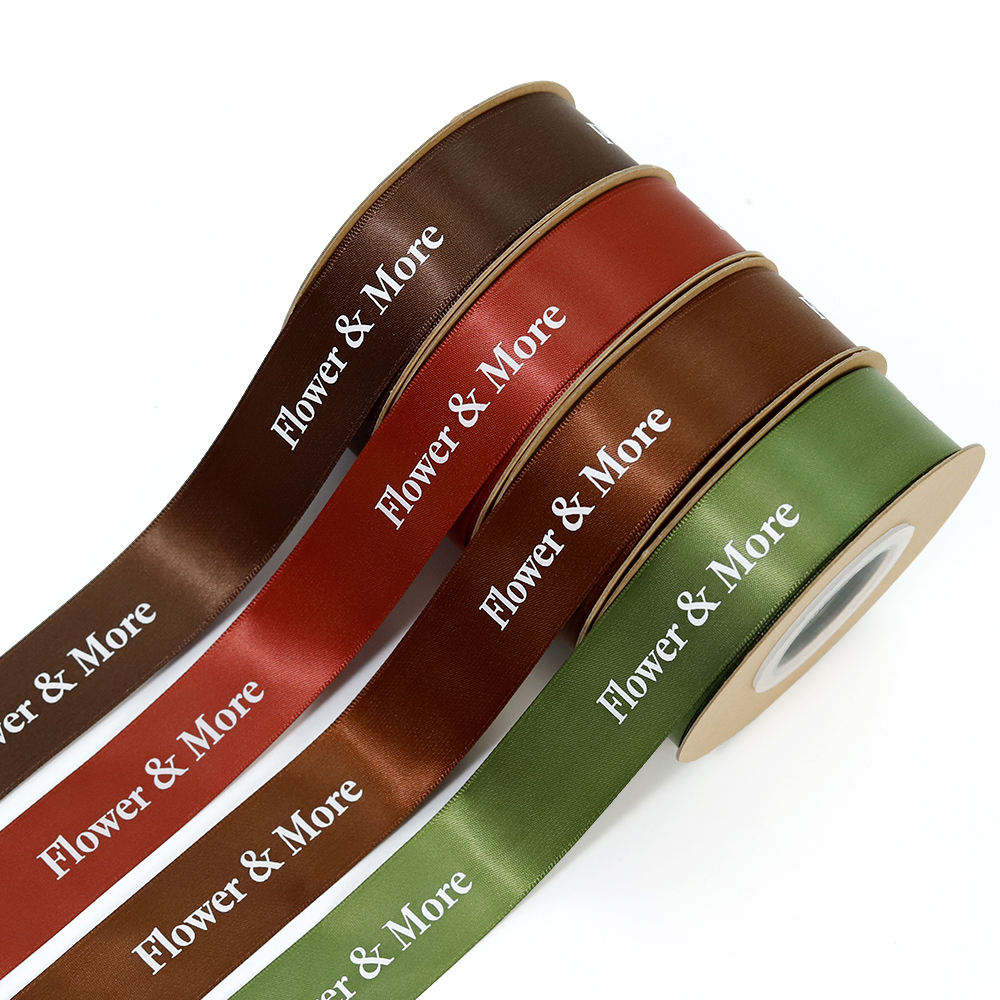
When a custom ribbon lead time slips, it usually doesn’t slip by a day or two. It slips by weeks. That gap kills product launches, postpones award ceremonies, and forces packaging engineers to scramble for alternatives. The standard timeline we quote — 15 to 20 business days after sample sign-off — exists for a reason, and it’s not because factories move slowly.
The 5 Real Reasons Custom Ribbon Orders Get Delayed
Artwork rework loops cause more delays than factory capacity.
A standard custom ribbon production schedule runs 15–20 business days after sample sign-off. But blowouts often come from specific bottlenecks. Here is what actually stops the line.
- Artwork Rework Loops: Files must be high-resolution vector (AI/EPS/PDF) at 300 dpi, CMYK or Pantone. RGB web graphics (72 dpi) cannot be processed and trigger multi-round corrections that add time to the timeline.
- Pantone Color Mismatch Beyond buyer-approved ΔE tolerance: Even with a Pantone reference, dye lot drift can exceed the acceptable buyer-approved ΔE tolerance. Without a physical sample, you risk a full re-run. Skipping this step causes many post-production disputes.
- Pricing differences among materials, widths, print methods, quantities, and packing must be calculated from dated quotations for the same approved specification.
- Pricing differences among materials, widths, print methods, quantities, and packing must be calculated from dated quotations for the same approved specification.
- Pricing differences among materials, widths, print methods, quantities, and packing must be calculated from dated quotations for the same approved specification.
How the Mandatory Sample Step Actually Saves Time
Skipping the sample to save 7–14 business days can cost you a full re-run.
Our custom ribbon workflow is locked to four phases: Requirement Intake, Feasibility Confirmation, Mandatory Physical Sampling, and Bulk Production with QC. The sample is a non-negotiable gate — we do not release a single production yard without a signed approval. That stand saves more time than it costs.
- Sample review includes: A spectrophotometer color check targeting buyer-approved ΔE tolerance, a foil adhesion check, and width measurement. If anything fails, we re-sample before bulk — no exceptions.
Rush Orders: When You Can Break the Standard Timeline
Expedited schedules must be confirmed during RFQ review and still require sample approval. Rush carries a surcharge and depends on capacity at the time of order.
- File format: Vector artwork (AI/EPS/PDF) supplied at 300 dpi with Pantone numbers. RGB files or low-res JPEGs will trigger a rework loop that kills the rush window.
- Pricing differences and savings must be calculated from dated quotations for the same approved specification, quantity, packing, delivery terms, and destination.
Pricing differences among materials, widths, print methods, quantities, and packing must be calculated from dated quotations for the same approved specification.
To trigger a rush request, contact your sales representative with your spec sheet. Plan ahead.
Conclusion
The mandatory sample step addresses common delay sources—artwork rework and color drift—before bulk production begins. Expedited schedules must be confirmed during RFQ review and still require sample approval.
Review your artwork file format and Pantone references before submitting. If your deadline is tight, request a feasibility check to lock a production slot that aligns with your launch schedule.
Frequently Asked Questions
What is the typical lead time for custom ribbon orders?
Sample approval takes 7–14 business days, and bulk production runs 15–20 business days after sample sign-off.
Can you rush a custom ribbon order?
Yes, expedited schedules carry a surcharge, depend on capacity, and still require sample approval. Request a rush quote early to confirm capacity.
What causes delays in custom ribbon production?
Artwork rework loops are a common cause: non-vector files or RGB color mode require multiple revision passes. Other common delays include Pantone mismatch beyond buyer-approved ΔE tolerance. Submit vector files in CMYK or Pantone, and confirm material availability early to avoid delays.
Keep exploring
Recommended buyer guides
 Pre-Tied Bows for Retail Packaging: When They Reduce Labor and Rework
See when pre-tied bows reduce retail packaging labor, improve consistency, and simplify bulk packing, SKU planning, and reorders
Explore guide
Pre-Tied Bows for Retail Packaging: When They Reduce Labor and Rework
See when pre-tied bows reduce retail packaging labor, improve consistency, and simplify bulk packing, SKU planning, and reorders
Explore guide
 Velvet Ribbon Wholesale Checklist: MOQ, Finish, and Supplier Questions
Evaluate velvet ribbon wholesale options: MOQ, setup fees, unit cost, and packing. Narrow the list before requesting samples…
Explore guide
Velvet Ribbon Wholesale Checklist: MOQ, Finish, and Supplier Questions
Evaluate velvet ribbon wholesale options: MOQ, setup fees, unit cost, and packing. Narrow the list before requesting samples…
Explore guide
 Wholesale Custom Ribbon with Logo: Specs, Roll Length, and RFQ Checks
Step-by-step: Custom Ribbon With Logo. Check artwork files, print method, color target, and sample approval to avoid delays,…
Explore guide
Wholesale Custom Ribbon with Logo: Specs, Roll Length, and RFQ Checks
Step-by-step: Custom Ribbon With Logo. Check artwork files, print method, color target, and sample approval to avoid delays,…
Explore guide
 Wholesale Ribbon By The Roll: Roll length and inventory planning
Evaluate Wholesale Ribbon By The Roll options: factory capability, QC proof, lead time, and reorder reliability. Narrow the…
Explore guide
Wholesale Ribbon By The Roll: Roll length and inventory planning
Evaluate Wholesale Ribbon By The Roll options: factory capability, QC proof, lead time, and reorder reliability. Narrow the…
Explore guide
Leave a comment
Share a sourcing question or feedback on this guide. The Lude team reviews submissions before following up.