


Custom Ribbon Bows: Logo, Material, and Packing Checklist for Buyers
Custom Ribbon Bows — a practical checklist covering artwork files, print method, color target, and sample approval for importers, wholesalers
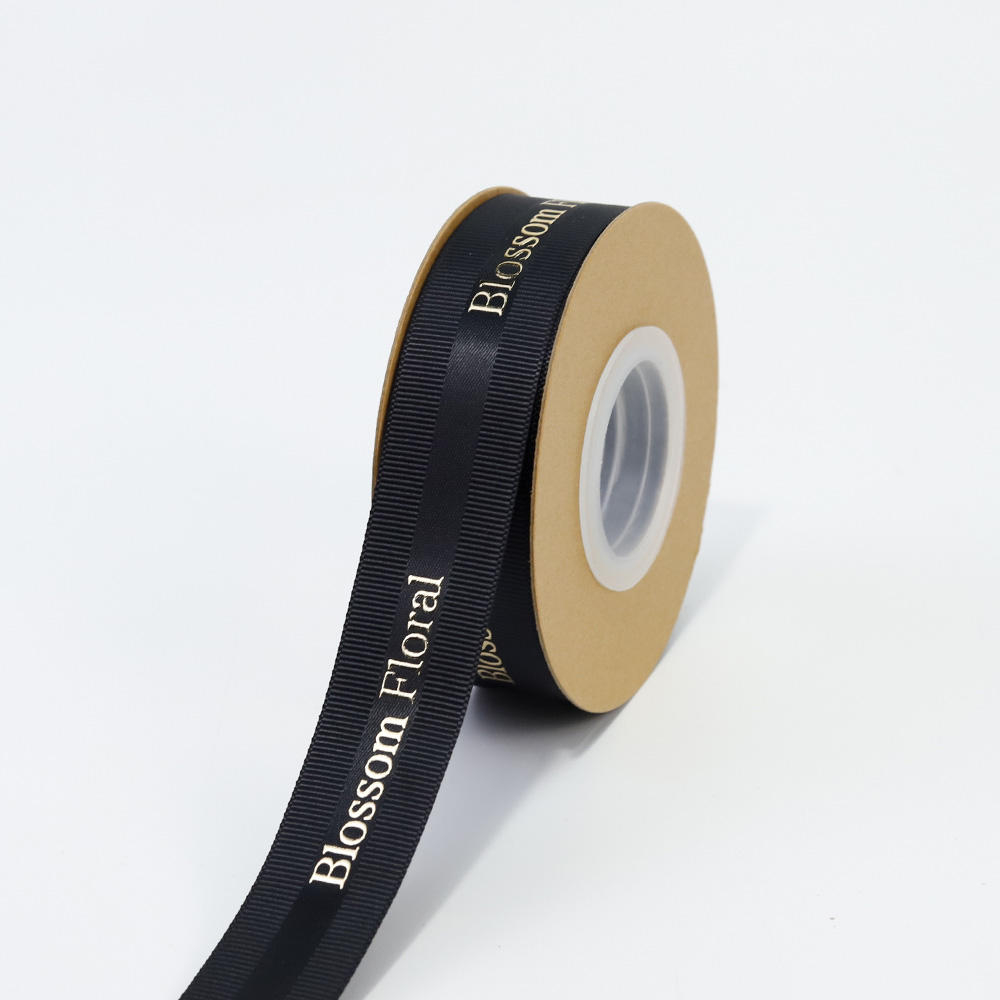
For gift packaging buyers, gift shops and gift basket sellers, e-commerce sellers and marketplace brands, retail packaging buyers, retail chains and store operations teams, cosmetics and perfume brands, wine and festive decoration buyers, floral shops and seasonal decoration businesses, event accessory companies, event agencies and promotional product distributors, award and ceremony organizers, importers, wholesalers, distributors, private label brands, custom ribbon bows becomes expensive when the buyer only compares surface details. A vague spec, missing quote input, weak sample check, or unclear supplier responsibility can change cost, delay approval, or create reorder problems.
Expert note: The Lude Ribbon editorial team works with ribbon manufacturing, sampling, printing, quality control, and export service specialists to create practical buying guides for importers, brands, wholesalers, and procurement teams.
This article helps you complete a buying, sourcing, customization, or delivery task with fewer errors. You will see what to check, why it matters commercially, what risk to watch for, and what action to take before quote, sample, or bulk order approval.
Related buyer references: Pantone Formula Guide for spot-color and print approval context; GS1 Logistic Label Guideline for carton, barcode, and logistics-label planning; and ISO 2859-1 for AQL-based lot inspection plans. Use each source only for the specific buyer check it actually covers.
What to define before starting a custom ribbon bows order
Use the table to lock each specification before RFQ, sample approval, or bulk order. It connects quality control, verification method, buyer risk, and next action in one check.
| Specification | Quality control | Verification method | Buyer risk | Next action |
|---|---|---|---|---|
| Material / substrate | Verify substrate type, weight, and weave against approved sample. | Compare physical hand sample to spec sheet; measure gsm and thread count. | Substrate substitution may alter bow stiffness, print adhesion, or durability. | Request RFQ with material spec sheet and physical swatch. |
| Width or size tolerance | Confirm width tolerance per roll; reject if deviation exceeds the tolerance on the approved spec sheet. | Measure width at three points per roll using calibrated caliper. | Width variation causes inconsistent bow sizing and packaging fit issues. | Ask for sample roll to verify width consistency before bulk order. |
| Color and dye-lot control | Require dye-lot segregation and buyer-approved ΔE tolerance against approved color standard. | Spectrophotometer reading under D65 light; compare to physical color chip. | Dye-lot drift yields visible color mismatch across production batches. | Approve physical color chip and request dye-lot continuity plan. |
| Artwork or logo file | Check artwork resolution, color separation, and registration marks. | Submit pre-production proof for alignment, bleed, and CMYK match. | Low-res or misaligned artwork causes blurred print and reprint costs. | Send vector artwork (AI/EPS) and approve digital proof before sampling. |
| Packing format | Confirm inner pack quantity, outer carton weight, and labeling per PO. | Inspect first shipment carton; weigh and count units per pack. | Incorrect packing leads to retail non-compliance or shipping damage. | Request RFQ with packing spec and approve packing sample before bulk. |
Project goal, use case, and success criteria
Use this checkpoint for custom ribbon bows: confirm the specification, quote input, supplier proof, buyer risk, and next action before RFQ, sample approval, or bulk order.
Material, size, color, artwork, and packing inputs
Use this checkpoint for custom ribbon bows: confirm the specification, quote input, supplier proof, buyer risk, and next action before RFQ, sample approval, or bulk order.
Use custom printed ribbon as the related internal reference when confirming quote assumptions, product fit, sample approval, and supplier next action.
Step-by-step order or approval workflow
Use this approval change-control checklist to connect each buyer decision to verification, buyer risk, and a concrete next action before RFQ, sample approval, or bulk order.
| Approval item | Owner or version | Change trigger | Factory impact | Buyer next action |
|---|---|---|---|---|
| Artwork, sample, and supplier confirmation | Lude Ribbon sampling team | Artwork revision or sample color mismatch | Reschedule sample production and adjust material allocation | Review revised artwork and approve sample before bulk release |
| Bulk production, inspection, and delivery handoff | Production manager and QC lead | Specification change after sample approval | Reconfigure production line and update inspection checklist | Confirm updated specs and authorize new inspection milestone |
| Quality Control | QC supervisor | In-process defect or color deviation report | Hold affected lot and initiate rework or sorting | Review QC report and approve disposition or reject lot |
| Lead Time | Production scheduler | Material delay or order volume increase | Shift production slots and expedite material procurement | Accept revised delivery date or request expedite quote |
| Buyer Risk | Account manager | Unconfirmed MOQ or custom color approval pending | Risk of production hold or material waste if buyer cancels | Confirm MOQ per RFQ and approve color target in writing |
| Next Action | Buyer and factory coordinator | Any unresolved approval item above | Production queue paused until next action is completed | Provide written approval or revised instruction to proceed |
Artwork, sample, and supplier confirmation
Use this checkpoint for custom ribbon bows: confirm the specification, quote input, supplier proof, buyer risk, and next action before RFQ, sample approval, or bulk order.
Bulk production, inspection, and delivery handoff
Use this checkpoint for custom ribbon bows: confirm the specification, quote input, supplier proof, buyer risk, and next action before RFQ, sample approval, or bulk order.
Use pre-tied bows as the related internal reference when confirming quote assumptions, product fit, sample approval, and supplier next action.
Technical details buyers should check
Use the table to lock each specification before RFQ, sample approval, or bulk order. It connects quality control, verification method, buyer risk, and next action in one check.
| Specification | Quality control | Verification method | Buyer risk | Next action |
|---|---|---|---|---|
| Material / substrate | Verify substrate type (e.g., grosgrain, satin, organza) matches approved sample. | Compare bulk roll end label against material spec sheet and pre-production sample. | Substrate substitution can alter bow stiffness, dye uptake, and durability. | Request material data sheet and pre-production sample for substrate approval. |
| Width or size tolerance | Check width against the tolerance stated on the approved production spec. | Measure 10 random bows per 1,000 units with calibrated caliper. | Out-of-tolerance width causes packaging fit issues and inconsistent bow volume. | Ask supplier for width tolerance range and request inline width check records. |
| Finish or surface effect | Confirm finish (matte, gloss, metallic) matches approved strike-off or sample. | Visual inspection under D65 daylight lamp; compare to sealed reference sample. | Finish variation changes perceived quality and brand color consistency. | Approve finish via sealed sample; request finish test report from production run. |
| Color and dye-lot control | Verify buyer-approved ΔE tolerance against Pantone target; segregate dye-lots per order. | Spectrophotometer reading on 3 points per roll; compare to approved color standard. | Cross-lot color drift leads to rejected assemblies and brand compliance failure. | Request dye-lot continuity plan and spectrophotometer report with each shipment. |
| Artwork or logo file | Confirm artwork file is vector (AI/EPS) with embedded fonts and minimum 300 DPI. | Pre-flight check in production system; print proof on actual substrate for sign-off. | Low-res or missing fonts cause blurry print, rework, and order delay. | Submit final vector artwork; request printed proof on ribbon before bulk run. |
Print method, finish, tolerance, and color control
Use this checkpoint for custom ribbon bows: confirm the specification, quote input, supplier proof, buyer risk, and next action before RFQ, sample approval, or bulk order.
Packing, labeling, and repeat-order information
Use this checkpoint for custom ribbon bows: confirm the specification, quote input, supplier proof, buyer risk, and next action before RFQ, sample approval, or bulk order.
Use OEM and ODM ribbon development as the related internal reference when confirming quote assumptions, product fit, sample approval, and supplier next action.
Common mistakes that delay production
When ordering custom ribbon bows, unclear artwork and late sample approval are common reasons for production delays. Missing specifications—such as exact logo placement, bow dimensions, or material type—force factories to pause and request clarification. This adds days or weeks to your timeline.
Missing specifications or unclear artwork
For printed or logo artwork, ask the supplier which vector format they need (often AI, EPS, or PDF) and whether raster elements require a minimum resolution such as 300 DPI. Specify the bow size (e.g., 4-inch loop diameter), material (satin, grosgrain, or organza), and color using Pantone codes. Without these, the factory cannot proceed. Always include a mockup or reference image.
Late sample approval or unrealistic delivery timing
Sample approval is a critical gate. Delays in reviewing and signing off on physical or digital samples push back the entire production schedule. Set a realistic timeline: allow 7–14 business days for a physical sample once specs and artwork are complete, 2–3 days for your review, and 15–20 business days for bulk production after approval. Rushing leads to errors.
Use this practical checklist to avoid common pitfalls:
- Provide vector artwork with Pantone colors and exact dimensions.
- Specify material type and any finishing details (e.g., wire edge, heat-cut ends).
- Request a pre-production sample and approve within 48 hours.
- Confirm MOQ and cost per unit before production starts.
- Schedule a quality inspection at the factory before shipment.
For more on retail-ready packaging, see our gift and retail packaging solutions.
Final checklist before RFQ
Use this quote preparation checklist to connect each buyer decision to verification, buyer risk, and a concrete next action before RFQ, sample approval, or bulk order.
- Input: Send supplier artwork file in vector format with PMS color codes. Why it matters: Ensures print registration and color match on ribbon substrate. Example detail: AI file with bow construction layers and PMS 187C red for edge stitching. Risk if missing: Misprinted bows, rework costs, and delayed sampling. Next action: Export final artwork to PDF/X-1a and attach to RFQ.
- Payment terms are commercial inputs, not universal supplier benchmarks. Confirm the deposit, balance, credit terms, release conditions, and remedies in the dated quotation and sales agreement.
- Input: Verify ribbon width tolerance and bow loop count per spec sheet. Why it matters: Prevents dimensional rejects in automated packaging lines. Example detail: 25mm width with the tolerance you require, plus the loop count and tail length the bow needs. Risk if missing: Bows may not fit retail clamshell or carton insert dimensions. Next action: Attach signed spec sheet to PO and request first-article inspection.
- Input: Confirm MOQ per SKU and per color across all bow variants. Why it matters: Avoids split-order surcharges and ensures cost per unit holds. Example detail: 1,000 pieces per style for ready-made bows. Risk if missing: Supplier may apply short-run fee or refuse partial color breaks. Next action: Calculate total MOQ against forecast and sign MOQ addendum.
- Input: Request confirmed lead time in calendar days from deposit receipt. Why it matters: Aligns with your import window and retail launch date. Example detail: 15-20 business days after specifications and samples are approved. Risk if missing: Missed peak season or air freight cost to recover delay. Next action: Insert lead time clause in PO and request weekly production status.
- Input: Identify cost driver: ribbon material grade vs. bow assembly complexity. Why it matters: Reveals where to negotiate volume breaks or simplify design. Example detail: Current pricing is quoted after the material, width, decoration, quantity, packing, delivery terms, and destination are confirmed. Risk if missing: Unexpected per-unit increase when scaling from sample to bulk. Next action: Request cost breakdown by material, labor, and tooling line items.
What to send the supplier
Use this checkpoint for custom ribbon bows: confirm the specification, quote input, supplier proof, buyer risk, and next action before RFQ, sample approval, or bulk order.
What to confirm before deposit
Use this checkpoint for custom ribbon bows: confirm the specification, quote input, supplier proof, buyer risk, and next action before RFQ, sample approval, or bulk order.
Use ribbon resources as the related internal reference when confirming quote assumptions, product fit, sample approval, and supplier next action.
Conclusion
Before moving forward with a custom ribbon bow order, confirm every specification detail—material, width, color target, quantity, and packing—along with the applicable MOQ and whether an RFQ is required for custom colors, widths, or printed designs. Standard production lead time runs 15-20 business days after specification confirmation, but printed ribbon and custom construction programs may require additional sampling and artwork approval steps. Request a sample or QC proof to validate color accuracy and construction quality before bulk production, and clarify reorder consistency checks to ensure repeat orders match the original program.
For procurement teams and importers, the next action is to prepare a quote-ready brief covering material, width, color target, quantity, packing, and delivery timing, then submit it to Lude Ribbon for a formal quotation and MOQ confirmation. If your order involves custom color or custom width, expect an RFQ process rather than a fixed MOQ. Mitigate supplier risk by verifying sample approval before bulk production and by confirming that color control and packing consistency are part of the production workflow. This structured approach ensures your custom ribbon bow program moves from specification to delivery with clear milestones and minimal surprises.
Final buyer checks before moving forward
Use this checkpoint for custom ribbon bows: confirm the specification, quote input, supplier proof, buyer risk, and next action before RFQ, sample approval, or bulk order.
Quote-ready inputs to prepare
Use this checkpoint for custom ribbon bows: confirm the specification, quote input, supplier proof, buyer risk, and next action before RFQ, sample approval, or bulk order.
Supplier or sample action to take next
Use this checkpoint for custom ribbon bows: confirm the specification, quote input, supplier proof, buyer risk, and next action before RFQ, sample approval, or bulk order.
FAQs About Custom Ribbon Bows
Use the questions below to confirm how custom ribbon bows affects specification fit, cost exposure, production risk, supplier execution, and approval timing.
What artwork, color, width, and packing details should I prepare for a custom Ribbon Bows quote?
Provide vector artwork (AI/EPS/CDR) with 0.5mm minimum line width, specify exact ribbon width (e.g., 25mm or 40mm), color codes (Pantone TPX/TCX), and packing details like polybag per dozen or bulk carton. Cost depends on width, material (satin/grosgrain), and ready-made bow MOQ is usually around 1,000 pieces; lead time is 15-20 business days after spec confirmation. Request a pre-production sample to verify color and print alignment before bulk production.
When should I request a physical sample before confirming bulk Custom Ribbon Bows production?
Request a physical sample immediately after artwork and spec approval, before any bulk production commitment. This verifies color accuracy, bow shape consistency, and material feel—critical for custom ribbon bows. Setup, tooling, artwork, and sample costs are quoted after the selected process and order specification are reviewed. Confirm sample approval in writing to avoid quality disputes later.
What changes in logo, material, or finishing can delay a custom Ribbon Bows order?
Pricing differences among materials, widths, print methods, quantities, and packing must be calculated from dated quotations for the same approved specification.
What information should go into the spec confirmation table, approval change-control checklist, quality inspection checklist for Custom Ribbon Bows?
Your spec confirmation table must include: ribbon width, material type, color code, bow dimensions (e.g., 4-inch loops), tail length, and packing quantity. The approval change-control checklist should log each revision date, change description, and approver. The quality inspection checklist should cover: color match (under D65 light), bow symmetry, thread tension, and packaging integrity. Use these to enforce supplier accountability.
How can buyers avoid wrong judgment can create inaccurate quotes, bad samples, quality disputes, delivery delays, reorder variation, or supplier mismatch when sourcing Custom Ribbon Bows?
Avoid inaccurate quotes by providing complete specs (width, material, color, quantity) upfront. Prevent bad samples by requesting a pre-production sample and approving it in writing. Mitigate quality disputes by using a third-party inspection checklist at factory. Avoid delivery delays by confirming lead time (15-20 business days) and requiring weekly updates. For reorder consistency, archive approved sample and spec sheet. Vet suppliers via factory audits or trade references.
What should buyers confirm before ordering Custom Ribbon Bows?
Pricing differences and savings must be calculated from dated quotations for the same approved specification, quantity, packing, delivery terms, and destination.
Keep exploring
Recommended buyer guides
 Wholesale Custom Ribbon with Logo: Specs, Roll Length, and RFQ Checks
Step-by-step: Custom Ribbon With Logo. Check artwork files, print method, color target, and sample approval to avoid delays,…
Explore guide
Wholesale Custom Ribbon with Logo: Specs, Roll Length, and RFQ Checks
Step-by-step: Custom Ribbon With Logo. Check artwork files, print method, color target, and sample approval to avoid delays,…
Explore guide
 Ribbon Cutting Ribbon Custom Order: Specs, Roll Length, and RFQ Checks
Shortlist Ribbon Cutting Ribbon Custom Order suppliers by sample approval, color tolerance, and QC checks. See which options…
Explore guide
Ribbon Cutting Ribbon Custom Order: Specs, Roll Length, and RFQ Checks
Shortlist Ribbon Cutting Ribbon Custom Order suppliers by sample approval, color tolerance, and QC checks. See which options…
Explore guide
 Wholesale Custom Organza Ribbon: Specs, Roll Length, and RFQ Checks
Custom Organza Ribbon — a practical checklist covering artwork files, print method, color target, and sample approval for…
Explore guide
Wholesale Foil Printed Ribbon: Custom Specs, Samples, and RFQ Checks
Foil printed ribbon: what to check on artwork files, print method, color target, and sample approval before placing…
Explore guide
Wholesale Custom Organza Ribbon: Specs, Roll Length, and RFQ Checks
Custom Organza Ribbon — a practical checklist covering artwork files, print method, color target, and sample approval for…
Explore guide
Wholesale Foil Printed Ribbon: Custom Specs, Samples, and RFQ Checks
Foil printed ribbon: what to check on artwork files, print method, color target, and sample approval before placing…
Explore guide
Leave a comment
Share a sourcing question or feedback on this guide. The Lude team reviews submissions before following up.