


Custom Printed Ribbon for Cosmetics: Pantone & Foil Precision
Evidence and specification note: Color targets, tolerances, test methods, documentation, acceptance criteria, and remedies must be confirmed for the quoted material and written into the approved sample, specification, and sales agreement. General scenarios in this article are not guaranteed production results. Sourcing custom printed ribbon for cosmetics means you are buying a promise of color…
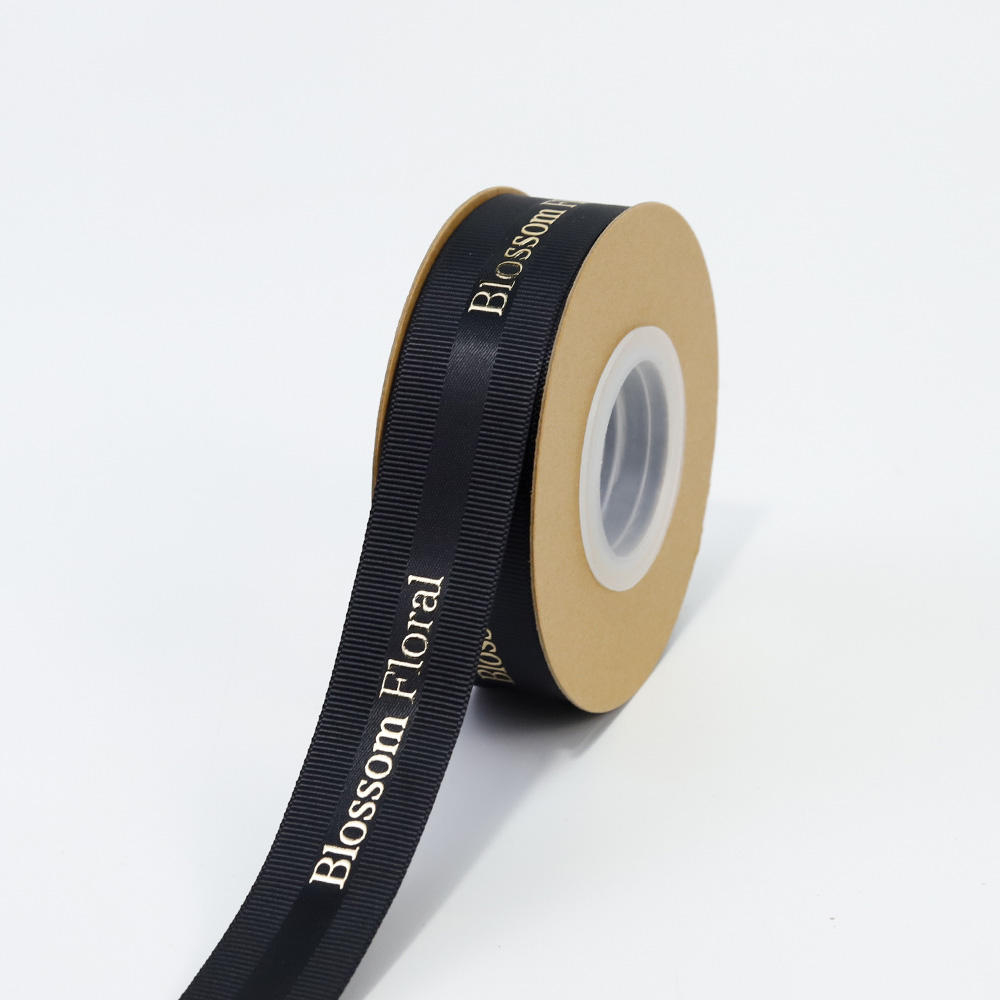
Sourcing custom printed ribbon for cosmetics means you are buying a promise of color and durability. The promise breaks when a batch of ribbon shows up with a Pantone shift visible to the naked eye, or when foil stamping flakes off before the product reaches the counter. For a packaging engineer, that is not just a supplier failure — it is a launch delay and a compliance gap you have to explain to R&D.
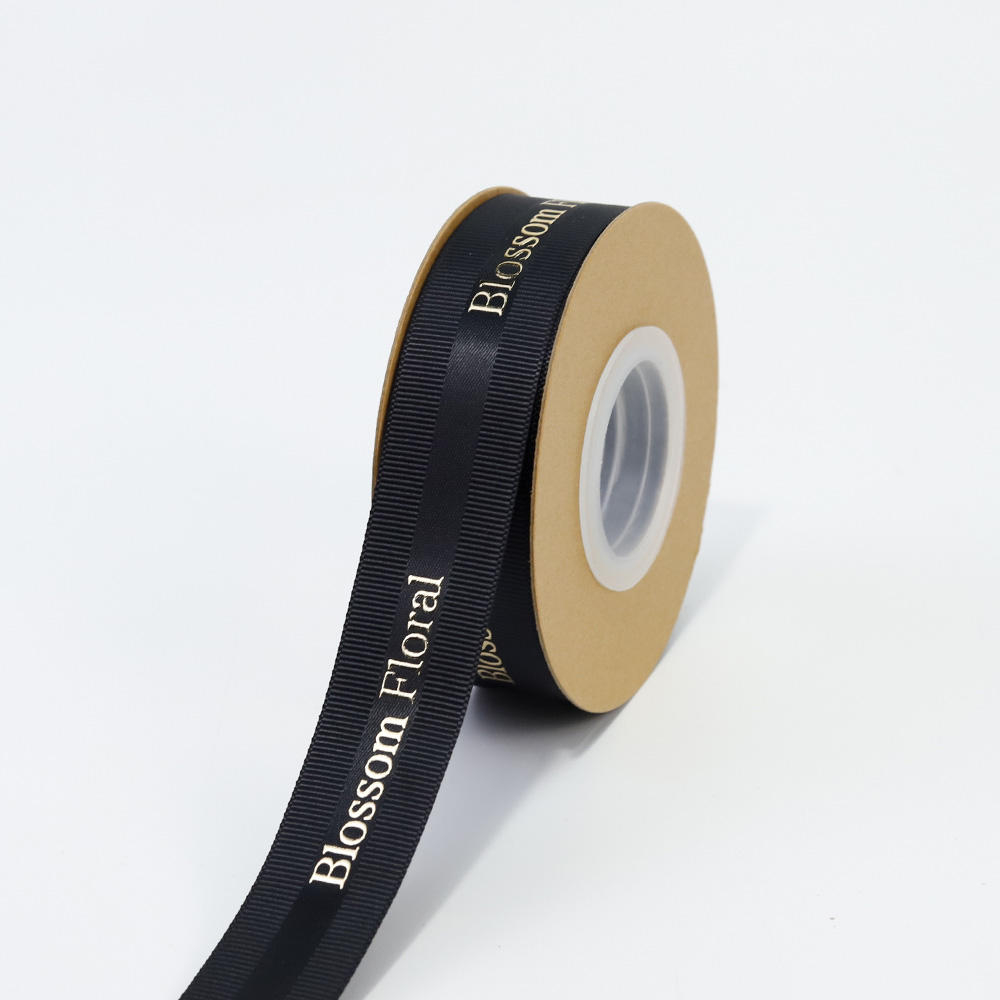
Why Most Cosmetics Ribbon Fails: The Hidden Risks
Cosmetics ribbon often fails due to untested color and adhesion—not material cost.
The standard failure point in cosmetics ribbon is not the polyester base. It is the inability to reproduce Pantone-matched color across separate production batches. On white and pastel backgrounds, any deviation above buyer-approved ΔE tolerance is visually detectable. That means the ribbon on your first production run will not match the ribbon on your reorder. For a packaging engineer, this triggers a full line shutdown and a brand-perception incident that is difficult to reverse.
- Color tolerance: the buyer sets the ΔE acceptance threshold for cosmetics packaging. Without a spectrophotometer-based matching process, batch-to-batch variation is unmanaged.
- Foil failure mode: Delamination occurs when the foil layer separates from the ribbon. This is caused by incorrect heat and pressure during stamping, not by bad foil. The solution is material-specific calibration and a mandatory physical sample that includes the exact foil stamp.
- Why physical sampling is non-negotiable: Skipping the physical sample step causes many post-production disputes in the industry. A digital proof cannot show color depth, foil reflectivity, or adhesion strength. Only a physical sample lets you benchmark both color accuracy and print durability before committing to bulk.
The industry detail suppliers often omit: foil stamping failures are rarely due to the foil itself. They are caused by incorrect heat and pressure settings for the specific ribbon material. A factory that does not calibrate these variables per material type—polyester satin, grosgrain, velvet—is shipping risk. The only way to verify is to request a physical sample and run your own dry rub test before approving production.
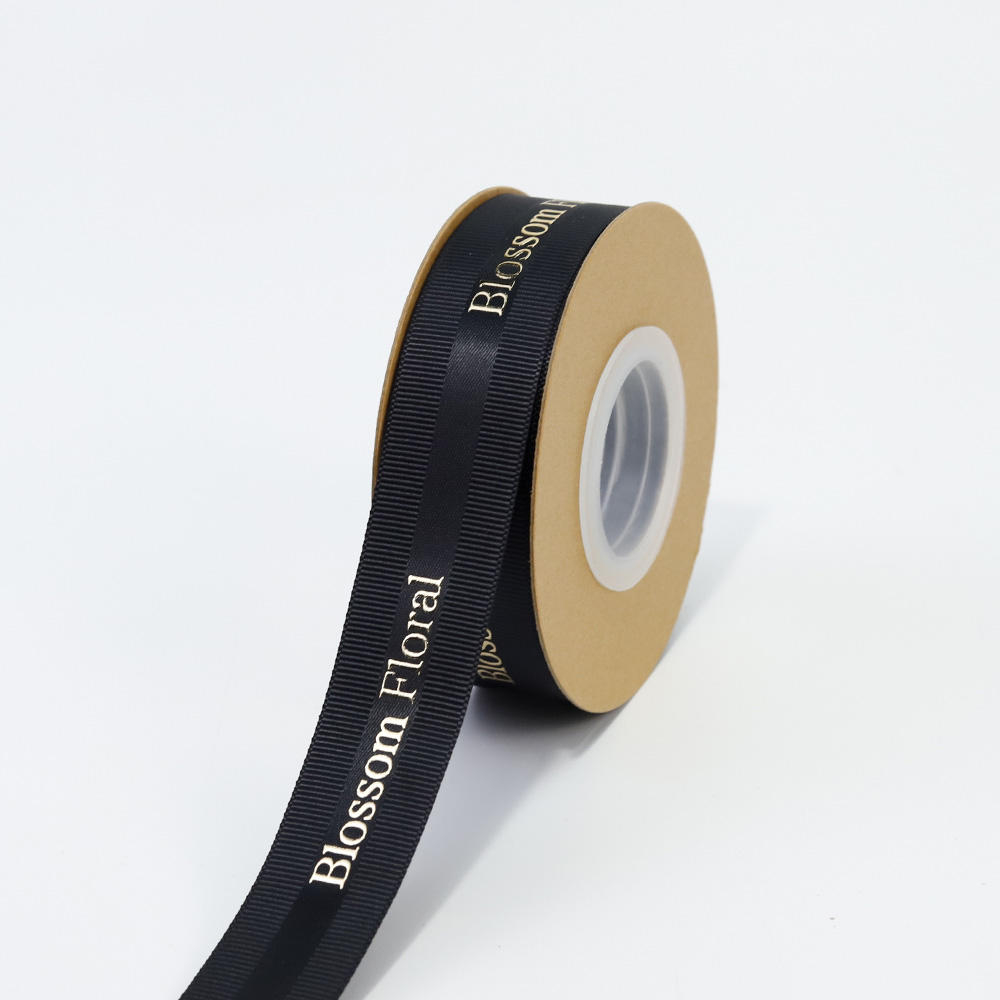
Real Cost Breakdown of Custom Printed Ribbon in 2026
Standard MOQ for printed ribbon is 3,000 yards per design. Custom dyed satin colors require a 5,000-yard minimum per color because the dye bath must be prepared and calibrated for the specific Pantone reference. Sample lead time is 7-14 business days after artwork approval. Bulk production runs 15–20 business days post sign-off. Expedited schedules must be confirmed during RFQ review and still require sample approval.
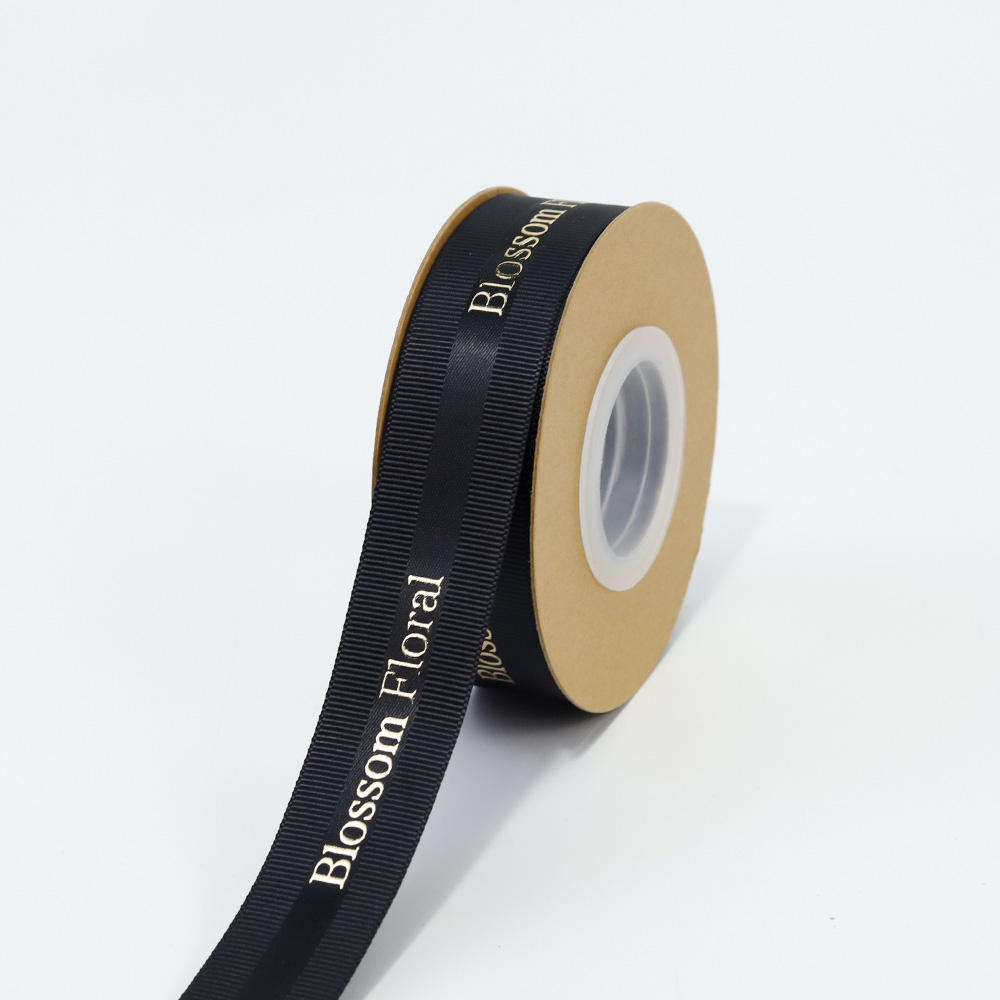
Foil Stamp Quality: How It Survives Packaging Lines
Foil delamination is a common failure mode in cosmetics packaging lines.
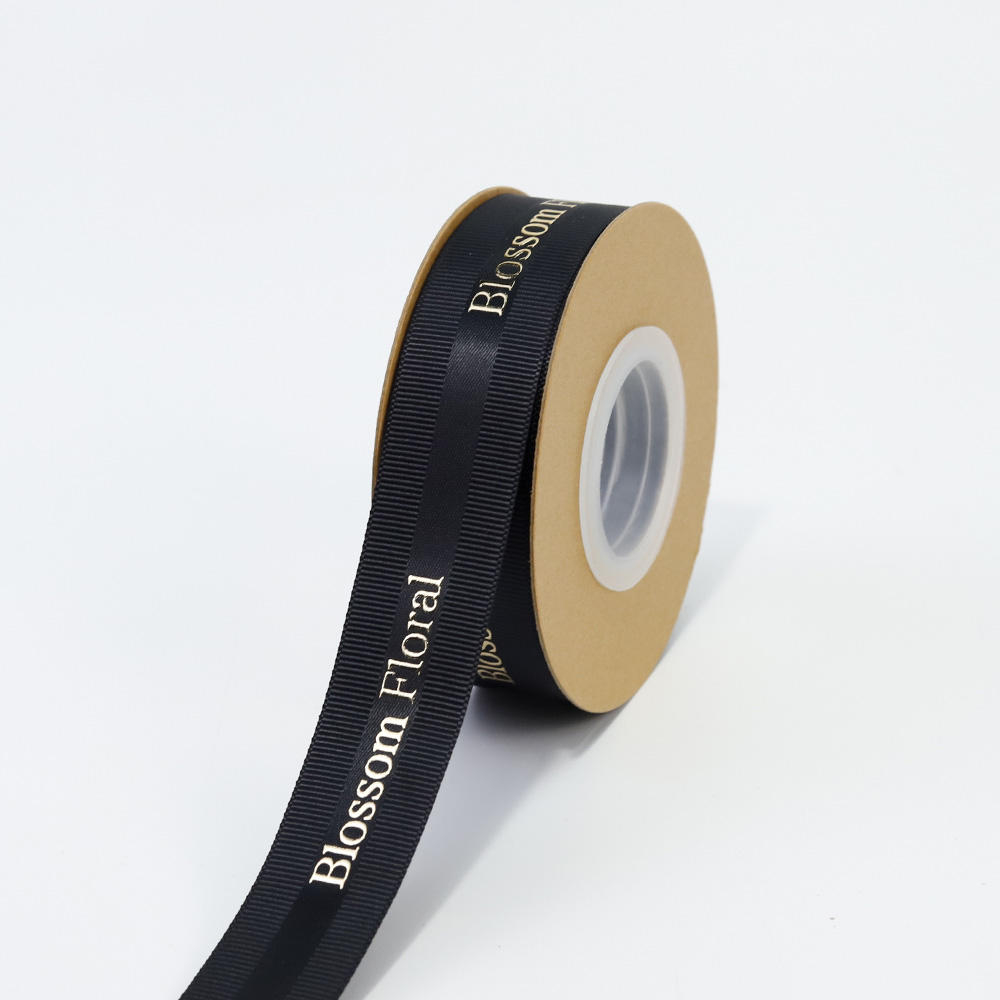
Foil stamping on satin ribbon fails primarily through delamination — the foil layer separates from the fabric substrate. This happens when heat and pressure are not calibrated to the specific material. Some suppliers use a one-size-fits-all setting. That causes the foil to lift under friction, which is exactly what happens inside a packaging line: ribbons slide against cardboard inserts, machine rollers, and each other.
- Root cause: Incorrect heat/pressure settings for the ribbon material. Polyester satin requires a different temperature window than grosgrain or velvet. Lude Ribbon calibrates these variables per material type.
For packaging engineers, the consequence is straightforward: a batch that passes visual inspection at the factory can fail during automated line feeding. The only way to catch this before bulk production is a physical sample subjected to the same mechanical stress as your packaging line. Lude Ribbon’s mandatory sampling workflow is designed to reduce this risk.
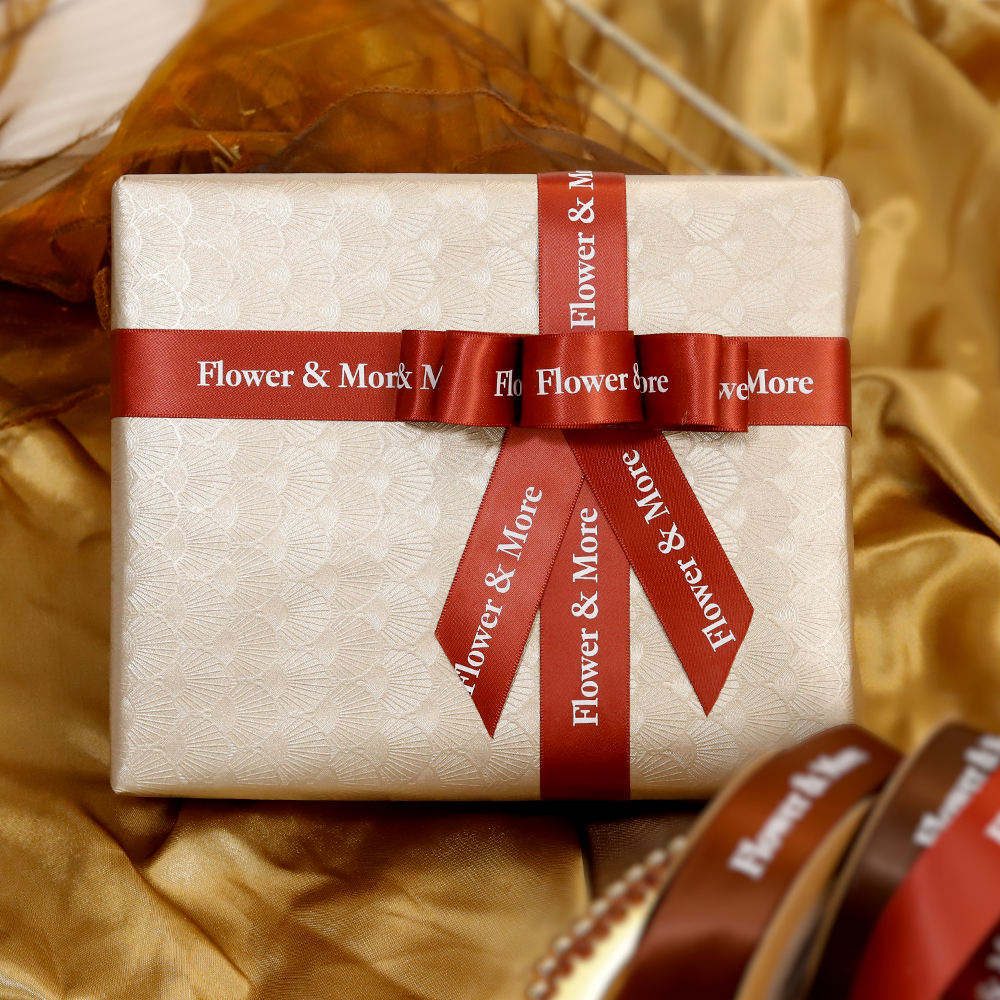
Color Matching: Is buyer-approved ΔE tolerance Good Enough for Your Brand?
A spectrophotometer measures color against Pantone C/U standards. The result is the Delta E (ΔE) value — the numeric distance between your target and the production ribbon. A buyer-approved ΔE tolerance is visually acceptable for most cosmetics packaging. White and pastel backgrounds expose deviation faster than dark colors. For primary brand colors, the acceptance tolerance must be written into the approved sample and specification. If your supplier cannot state their tolerance in ΔE, they are not using instrument-based color control.
- Mid-production check: During bulk dyeing, the factory must pull a sample from the run and measure it against the approved physical sample. If the ΔE drifts beyond tolerance, the batch is flagged before shipment — not after.
- Common failure: Many suppliers match color once at sample stage but do not re-check during bulk production. Batch-to-batch drift is a frequent cause of color rejection in cosmetics ribbon orders.
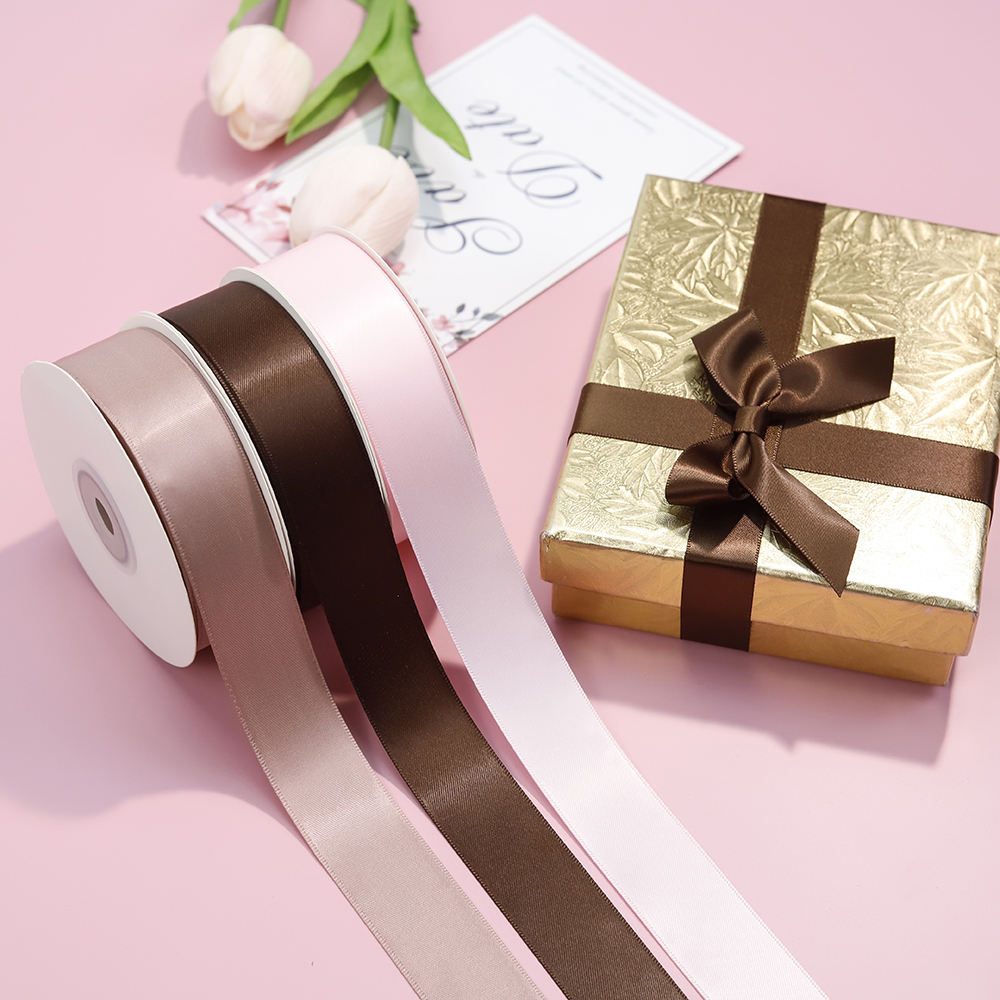
How to Source Custom Ribbon Without Delaying Your Launch
Skip the sample, risk a high chance of a dispute.
Physical sample approval can reduce mismatch and rework risk; use the signed sample, written specification, and dated production records as the control evidence.
- Stage 1: Artwork submission: Submit vector files (AI, EPS, PDF) at 300 dpi minimum in CMYK or Pantone color modes. Include your Pantone reference and a physical color chip if available. The factory confirms feasibility — material, print method, color match capability, MOQ, and lead time — before sampling.
- The color target, measurement method, lighting conditions, and acceptance tolerance are confirmed against the buyer-approved sample and written specification.
- Stage 3: Bulk with inspections: After sample sign-off, bulk production runs 15–20 business days. Mid-production and pre-shipment inspections catch issues before the product leaves the factory. If a batch’s color shifts beyond tolerance during dyeing, it is flagged and corrected — not shipped and discovered later.
Expedited schedules must be confirmed during RFQ review and still require sample approval. Expedited feasibility and timing are confirmed after the RFQ is reviewed. For new launches, test the approved sample on your automated packaging line before scaling to bulk, checking tensile strength, spool compatibility, and foil durability against your machine’s friction and heat settings.
Conclusion
A cosmetics launch lives or dies on packaging detail. Color mismatch at buyer-approved ΔE tolerance, foil that flakes on the first rub, or missing Oeko-Tex documentation—any one of these can kill a product in the approval gate or at retail. The factory that provides a physical sample before bulk, publishes a measurable color tolerance, and ships compliance certs with every order is the one you can defend to your R&D and procurement teams.
Review the product specs for 100% polyester satin ribbon, and compare the MOQ and lead time against your launch calendar. Then request a sample to validate against your automated line and Pantone reference.
Frequently Asked Questions
Does Hobby Lobby have their ribbon on sale?
We are a B2B manufacturer, not a retailer like Hobby Lobby, so we don’t track their sales. For custom printed ribbon for cosmetics, we focus on Pantone matching and foil clarity for bulk orders. Contact us for a custom quote instead.
What is the average cost of a personalized ribbon?
Pricing differences among materials, widths, print methods, quantities, and packing must be calculated from dated quotations for the same approved specification.
How long does it take to get a custom ribbon?
Sample lead time is 7-14 business days after artwork approval, and bulk production takes 15–20 business days post-sample sign-off. Expedited schedules must be confirmed during RFQ review and still require sample approval.
What are the three types of ribbons?
We categorize ribbons by material: satin, grosgrain, and velvet are three common types. For cosmetics, satin is recommended for Pantone-matched colors and high-clarity foil printing. Choose based on your packaging and branding needs.
Is the physical sample mandatory before bulk?
Yes, a physical sample is mandatory before bulk production. Skipping this step causes many post-production disputes in our industry, including color deviation and print placement errors. Approve the sample before we proceed to bulk.
Keep exploring
Recommended buyer guides
 Pre-Tied Bows for Retail Packaging: When They Reduce Labor and Rework
See when pre-tied bows reduce retail packaging labor, improve consistency, and simplify bulk packing, SKU planning, and reorders
Explore guide
Pre-Tied Bows for Retail Packaging: When They Reduce Labor and Rework
See when pre-tied bows reduce retail packaging labor, improve consistency, and simplify bulk packing, SKU planning, and reorders
Explore guide
 Velvet Ribbon Wholesale Checklist: MOQ, Finish, and Supplier Questions
Evaluate velvet ribbon wholesale options: MOQ, setup fees, unit cost, and packing. Narrow the list before requesting samples…
Explore guide
Velvet Ribbon Wholesale Checklist: MOQ, Finish, and Supplier Questions
Evaluate velvet ribbon wholesale options: MOQ, setup fees, unit cost, and packing. Narrow the list before requesting samples…
Explore guide
 Wholesale Custom Ribbon with Logo: Specs, Roll Length, and RFQ Checks
Step-by-step: Custom Ribbon With Logo. Check artwork files, print method, color target, and sample approval to avoid delays,…
Explore guide
Wholesale Custom Ribbon with Logo: Specs, Roll Length, and RFQ Checks
Step-by-step: Custom Ribbon With Logo. Check artwork files, print method, color target, and sample approval to avoid delays,…
Explore guide
 Wholesale Ribbon By The Roll: Roll length and inventory planning
Evaluate Wholesale Ribbon By The Roll options: factory capability, QC proof, lead time, and reorder reliability. Narrow the…
Explore guide
Wholesale Ribbon By The Roll: Roll length and inventory planning
Evaluate Wholesale Ribbon By The Roll options: factory capability, QC proof, lead time, and reorder reliability. Narrow the…
Explore guide
Leave a comment
Share a sourcing question or feedback on this guide. The Lude team reviews submissions before following up.