


Custom Organza Ribbon: Custom color/print feasibility
Custom Organza Ribbon — a practical checklist covering artwork files, print method, color target, and sample approval for importers, wholesalers
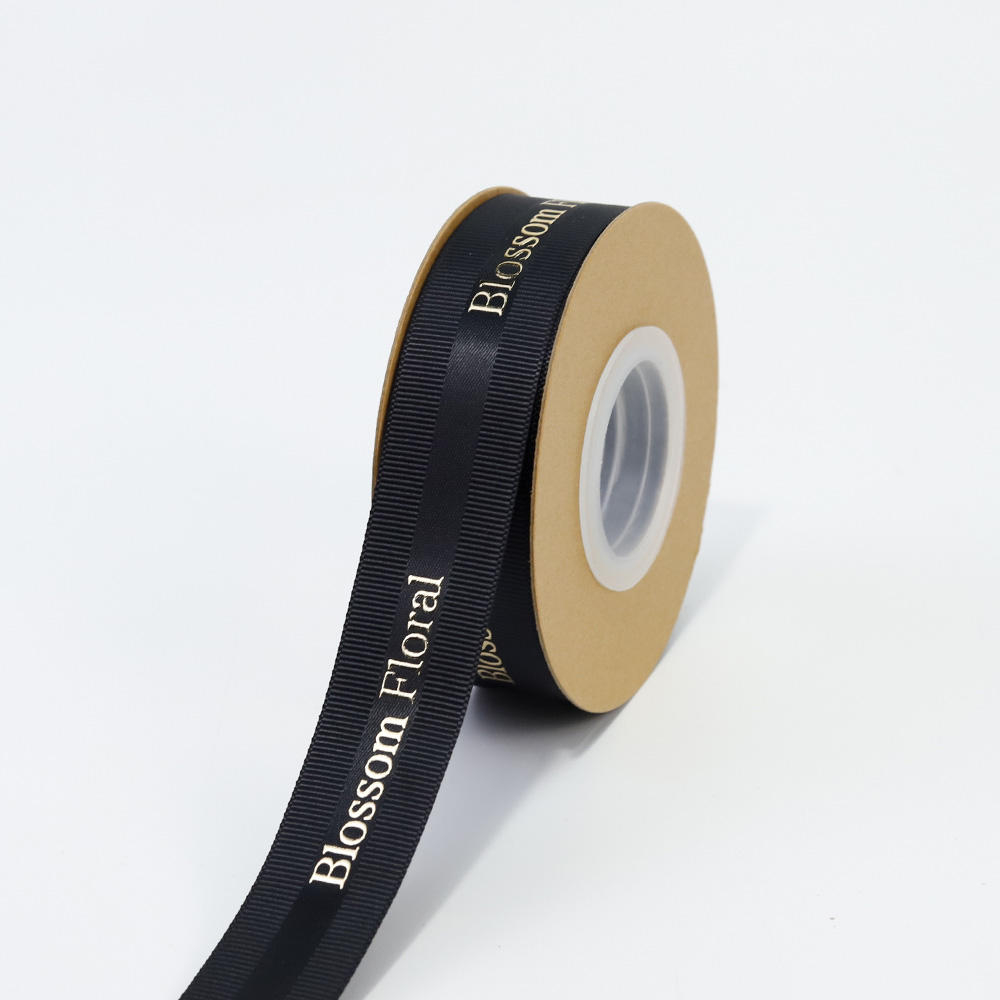
Custom organza ribbon needs a written specification before the buyer can plan OEM, ODM, logo, artwork, material, size, color, sample, packaging, or private-label requirements; otherwise suppliers may quote different product and approval assumptions.
This guide connects custom organza ribbon to parameters, cost impact, supplier risk, factory process, and procurement advice.
Direct answer: For custom organza ribbon, align artwork files, dimensions, material and finish targets, a signed-off sample, packing instructions, and the bulk-production handoff in one controlled specification.
What buyers must define before approving custom organza ribbon
| Requirement | Factory control | Evidence to verify | Order risk | RFQ follow-up |
|---|---|---|---|---|
| Material / substrate | Supplier certifies fiber content and weave construction per spec sheet. | Request a material composition certificate and compare against your spec sheet. | Substrate substitution alters drape, print adhesion, and edge fraying behavior. | Confirm material spec on the RFQ and request a pre-production sample for hand feel. |
| Color and dye-lot control | Supplier holds a dye-lot reference and tests each batch against a spectrophotometer standard. | Compare production strike-off against the approved color standard under buyer-approved viewing conditions. | Uncontrolled dye lots produce visible color variation across multiple reorder batches. | Approve a physical color standard and request a dye-lot continuity plan in the RFQ. |
| Artwork or logo file | Factory reviews file resolution, color mode, and bleed area before plate making. | Submit a vector PDF or high-res TIFF and request a digital proof of print placement. | Low-resolution or wrong-color-mode artwork causes blurred edges or color shift in print. | Send print-ready artwork with the RFQ and approve the digital proof before sampling. |
| Sample approval | Supplier holds a pre-production sample for dimensional, color, and print registration sign-off. | Inspect the physical sample against your approved spec sheet and color standard. | Skipping sample approval risks bulk production that does not match your visual or functional requirements. | Request a pre-production sample, inspect it, and issue a signed approval before bulk release. |
Material, width, color, finish, and packing requirements
Before approving a custom organza ribbon order, the buyer must define the substrate construction, width tolerance, color target, edge finish, and roll packing. Each parameter directly affects the quote, sample lead time, and production consistency. Organza's sheer structure requires precise width control and dye-lot matching to avoid visible variation. Confirm these specifications in writing on the RFQ and request a pre-production sample that matches every dimension and finish detail before bulk release.
Logo, artwork, placement, and tolerance requirements
For printed organza ribbon, the buyer must supply a high-resolution artwork file and specify the print placement, repeat distance, and registration tolerance. The factory uses this information to create printing plates and set up the machine. Incomplete or low-resolution artwork causes delays and rework. Submit a vector PDF or high-res TIFF with the quote request, request a digital proof of placement, and approve the physical print sample before authorizing production. This step prevents costly plate changes and ensures the logo appears correctly on every yard.
Use the evidence for what buyers must define before approving custom organza ribbon to compare the supplier record with ISO 2859-1 sampling inspection standard before accepting the requirement.
Artwork file and proofing requirements
- Artwork file format and resolution: Low-resolution or wrong file format causes print defects, color shift, and production delay Buyer's design lead or procurement manager Compare submitted file against factory's required format (AI, PDF, EPS) and minimum 300 DPI at actual print size Request corrected file or approve for proofing
- Color reference and Pantone match: Unapproved color reference leads to rejected custom printed ribbon and reprint cost Buyer's brand manager or authorized signatory Verify Pantone code or physical swatch against factory's color-matching sample under standard lighting Sign off on color sample or request revised match
- Print method and substrate compatibility: Wrong print method for organza weave causes ink bleed, poor adhesion, or fabric damage Factory production manager and buyer's quality contact Check that selected print method (screen, digital, or heat transfer) is tested on actual organza ribbon width and weave Approve method or request alternative print trial
- Proof approval and scale check: Unchecked proof dimensions cause misaligned logos or text cutoff on final ribbon Buyer's procurement or marketing lead Measure proof against final ribbon width and repeat length; confirm text and logo are within safe print zone Sign off on proof or request revision before bulk production
- Lead time and sample stage gate: Skipping sample approval risks bulk run with unverified color, print quality, or ribbon hand feel Buyer's project owner or supply chain manager Document that physical sample matches approved proof and color standard before bulk production starts Issue written approval to proceed to bulk production
File formats, color references, and scale checks
Before approving any custom printed ribbon order, confirm the artwork file is in a vector format such as PDF/X-1a or AI with outlined fonts at 300 dpi. The color reference must match a physical Pantone chip or a previously approved sample. Scale checks ensure the design aligns with the ribbon width and repeat length, preventing misregistration during production.
Print method limits and proof approval points
Organza's sheer weave limits print methods: screen printing works for solid logos, while digital printing handles fine gradients. The proof must show the actual print method's color gamut and registration. Approve the proof only after verifying the color match, scale, and substrate compatibility. A signed proof locks the production specifications and reduces rework risk.
Sample approval workflow
- Verify physical sample matches approved artwork: Organza's sheer weave can shift print registration, making logos appear blurred or off-center compared to the proof. Hold the sample against a white background under daylight; compare print position, clarity, and color density to the signed PDF proof. Bulk rolls may carry misaligned or faint prints that fail end-customer packaging audits. Document approval or reject with specific mark-up photos before production release.
- Confirm handfeel and stiffness against reference standard: A stiffer crystal organza holds shape for bows, while a softer organza drapes better for gift wrap; the wrong handfeel changes the final product experience. Rub a folded corner between thumb and forefinger; compare to a sealed reference swatch from the initial sample round. Bulk rolls with inconsistent handfeel cause rework or returns from packaging lines. Shortlist only suppliers that can lock handfeel via a signed reference swatch.
- Check packing and roll integrity for transit: Organza creases easily; loose winding or inadequate core support causes permanent fold lines that cannot be pressed out. Unwind the first three yards; look for creases, dirt, or uneven tension. Confirm the core diameter matches the specification. Damaged rolls arrive unusable, delaying production schedules and triggering dispute costs. Require a packing photo and roll-weight record before shipment release.
Physical sample checks before production
Before approving bulk production, the buyer must hold a physical sample that matches the approved artwork and color target. Organza's sheer weave can shift printed color and detail, so a sample that looks correct on screen may fail in hand. Compare the sample against the approved PMS or hex code under daylight and store lighting. This step prevents bulk runs with off-color or blurred print, which cause rework or order rejection. Document the sample approval with a signed-off color target and retain a sealed reference for the QC team.
Color, handfeel, print clarity, and packing confirmation
Color on organza appears different than on paper proofs because the dye sits on translucent threads. Compare the sample to a Pantone chip under consistent lighting. Handfeel must match a sealed reference swatch. Print clarity requires a loupe check on fine text. Finally, inspect roll winding and core condition to avoid transit creases. OEM and ODM ribbon development depends on these four checks before sign-off.
production quality checkpoints
- Color match between initial strike-off and bulk production must be verifiable under buyer-approved viewing conditions. Request a spectrophotometer reading (buyer-approved color tolerance) for the approved Pantone reference. Supplier's lab or QC department. Unverified color drift leads to rejected finished goods and lost gift and retail packaging ribbon solutions placement. Document the acceptable buyer-approved color tolerance range in the purchase order and approve the reading before bulk run.
- Supplier must hold a documented roll-to-roll inspection protocol for organza ribbon width and edge finish. Provide the last 10 inspection records or a signed QC checklist per batch. Supplier's production manager or QC lead. Width variation or frayed edges compromise packaging uniformity and brand presentation. Compare the inspection records against your width tolerance spec and approve the protocol.
- Supplier must confirm that the organza ribbon lot is free of dye migration or bleeding before shipment. Submit a wash-fastness or crocking test report for the specific dye lot. Supplier's lab or an accredited textile testing house. Dye bleeding ruins adjacent packaging materials and triggers customer returns. Require the test report as a condition for final payment and include a hold-back clause.
Inspection points that prevent reorder variation
When you reorder custom organza ribbon, the biggest risk is that the new run drifts from the original approval. Lock down three inspection points: print registration alignment against the archived physical sample, dye lot consistency measured by spectrophotometer, and roll dimensions within the agreed tolerance. Each point must be documented before the supplier ships.
Common defects and when to reject a sample
Reject any organza ribbon sample showing visible slubs, broken filaments, or uneven dye absorption along the selvage. These defects indicate inconsistent yarn tension or dye bath contamination. Also reject samples where the print appears washed out or has ghost edges, as these cannot be corrected during bulk production without re-screening the artwork.
Final approval checklist before RFQ or deposit
For custom organza ribbon, build the quote request around Exact width, color target, and print method for sheer ribbon. Match every listed buyer input to written supplier confirmation, approval evidence, and the risk that would hold the quote.
- Exact width, color target, and print method for sheer ribbon: Organza's weave shifts color and limits print options; wrong specs cause rework Specify the buyer-approved ribbon width, Pantone 14-4103, and screen print for logo Supplier may quote incompatible process, delaying sample approval Attach a written spec sheet to the quote request
- Minimum order quantity per design and color: MOQ determines if the run is cost-effective or requires consolidation Custom printed organza ribbon starts at 3,000 yards per design Order may be rejected or split into uneconomical lots Confirm MOQ in writing before deposit
- Bulk production lead time after sample sign-off: Lead time affects launch dates and inventory planning Standard bulk production is 15-20 business days after spec confirmation Missed delivery window causes stockouts or event delays Request a calendar-based delivery schedule
- Cost driver breakdown: material, print, and setup fees: Hidden setup or color-match charges inflate total cost Ask if color-match sample fee is separate from bulk production Budget overrun or surprise invoice at approval Request a line-item quote with all fees
- Quality control check for sheer weave and print registration: Organza's open weave shows misprints and slubs more than solid ribbons Verify that the supplier inspects for broken filaments and ink bleed Bulk run may contain visible defects that pass only at sample stage Ask for QC report or inspection photo before shipment
Information to confirm in writing
Before approving a quote for custom organza ribbon, document the exact width, color target, and print method. Organza's sheer construction affects how ink sits and how color appears. A written spec sheet prevents the supplier from assuming a different finish or dye process, which would delay sample approval and add revision costs.
What to archive for repeat orders
Save the approved sample, the signed spec sheet, and the final quote with MOQ and lead time. When reordering, the supplier can match the previous run without re-qualifying color or print registration. Without archived records, the buyer risks a mismatch in shade or weave density, forcing a new sampling cycle.
In conclusion
Before you approve a custom organza ribbon order, verify that every specification—width, color target, edge style, roll length, and packaging—is documented in writing and matched to a physical sample. Compare the quoted MOQ and per-yard cost against your program volume, and confirm the lead time fits your delivery schedule. A signed spec sheet and an approved sample are the only reliable safeguards against production drift.
Hand off the approved sample, the final artwork file, and the signed quote to your supplier as a single package. This closes the gap between what you ordered and what the factory runs, reducing the risk of color mismatch, width variation, or edge defects. With these checks in place, you can move forward with confidence that the bulk run will match the sample you approved.
Custom organza ribbon FAQ
What should buyers confirm before ordering Custom Organza Ribbon?
Confirm the exact width, color target (Pantone or thread match), edge style, and roll length before sampling. Organza’s transparency means the dye appearance shifts between a single layer and folded ribbon, so document the approved spec sheet with the supplier and keep a physical sample for bulk comparison.
How should buyers compare MOQ, lead time, and quote terms?
Compare minimum order and lead time by requesting a written quote that lists the per-yard price at your target quantity, the production lead time after sample approval, and any surcharge for rush delivery. Verify the minimum order per design and color, then shortlist suppliers who can match your program volume without forcing overstock.
What sample, quality, or supplier checks reduce risk?
Request a physical sample before bulk production and check for consistent weave, edge finish, and color accuracy against your approved standard. Reject any sample with visible slubs, broken filaments, or uneven dye penetration. Document the approved sample and spec sheet, then follow up with the supplier to confirm the production timeline and QC hold point.
quote request handoff: Send Specs for Review.
Keep exploring
Recommended buyer guides
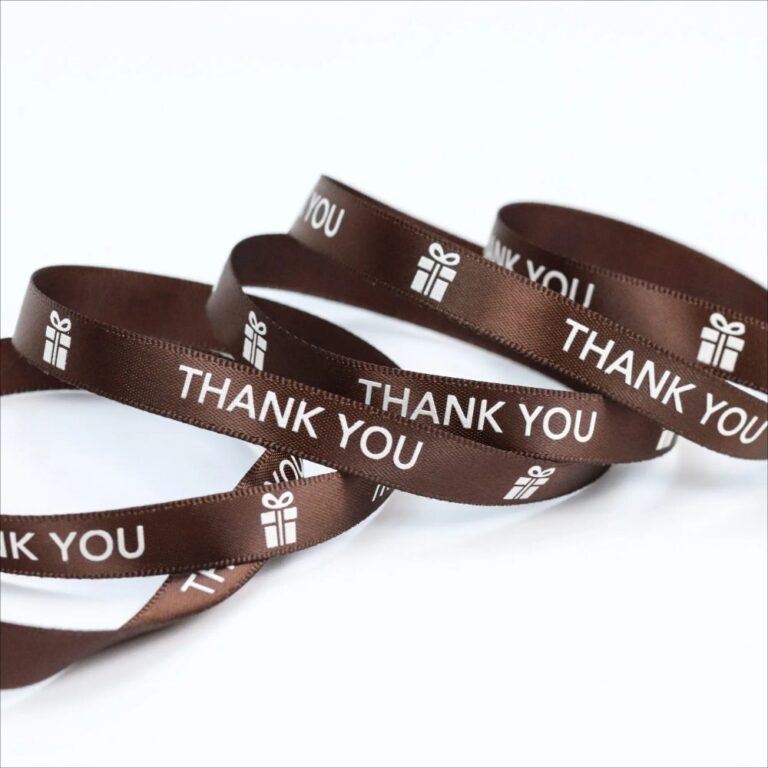 Wholesale Custom Ribbon with Logo: Specs, Roll Length, and RFQ Checks
Step-by-step: Custom Ribbon With Logo. Check artwork files, print method, color target, and sample approval to avoid delays,…
Explore guide
Wholesale Custom Ribbon with Logo: Specs, Roll Length, and RFQ Checks
Step-by-step: Custom Ribbon With Logo. Check artwork files, print method, color target, and sample approval to avoid delays,…
Explore guide
 Ribbon Cutting Ribbon Custom Order: Specs, Roll Length, and RFQ Checks
Shortlist Ribbon Cutting Ribbon Custom Order suppliers by sample approval, color tolerance, and QC checks. See which options…
Explore guide
Ribbon Cutting Ribbon Custom Order: Specs, Roll Length, and RFQ Checks
Shortlist Ribbon Cutting Ribbon Custom Order suppliers by sample approval, color tolerance, and QC checks. See which options…
Explore guide
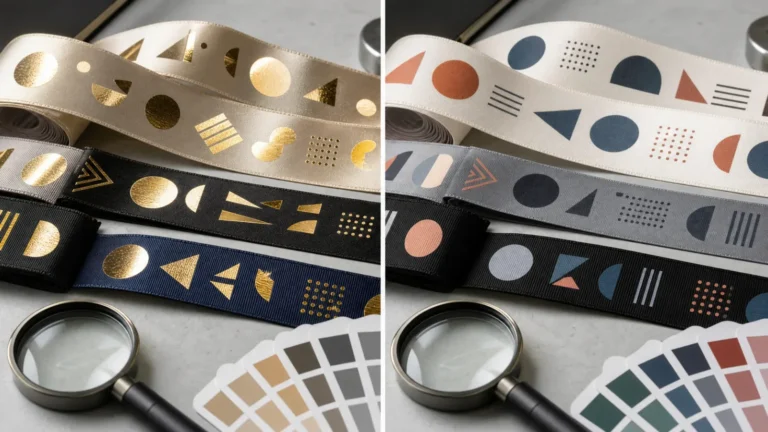 Wholesale Custom Organza Ribbon: Specs, Roll Length, and RFQ Checks
Custom Organza Ribbon — a practical checklist covering artwork files, print method, color target, and sample approval for…
Explore guide
Wholesale Foil Printed Ribbon: Custom Specs, Samples, and RFQ Checks
Foil printed ribbon: what to check on artwork files, print method, color target, and sample approval before placing…
Explore guide
Wholesale Custom Organza Ribbon: Specs, Roll Length, and RFQ Checks
Custom Organza Ribbon — a practical checklist covering artwork files, print method, color target, and sample approval for…
Explore guide
Wholesale Foil Printed Ribbon: Custom Specs, Samples, and RFQ Checks
Foil printed ribbon: what to check on artwork files, print method, color target, and sample approval before placing…
Explore guide
Leave a comment
Share a sourcing question or feedback on this guide. The Lude team reviews submissions before following up.