


Custom Grosgrain Ribbon MOQ and Lead Time: Key Factory Insights
Evidence and specification note: Color targets, tolerances, test methods, documentation, acceptance criteria, and remedies must be confirmed for the quoted material and written into the approved sample, specification, and sales agreement. General scenarios in this article are not guaranteed production results. Pricing and example note: Current pricing is quoted to specification. Material, width, color, decoration,…
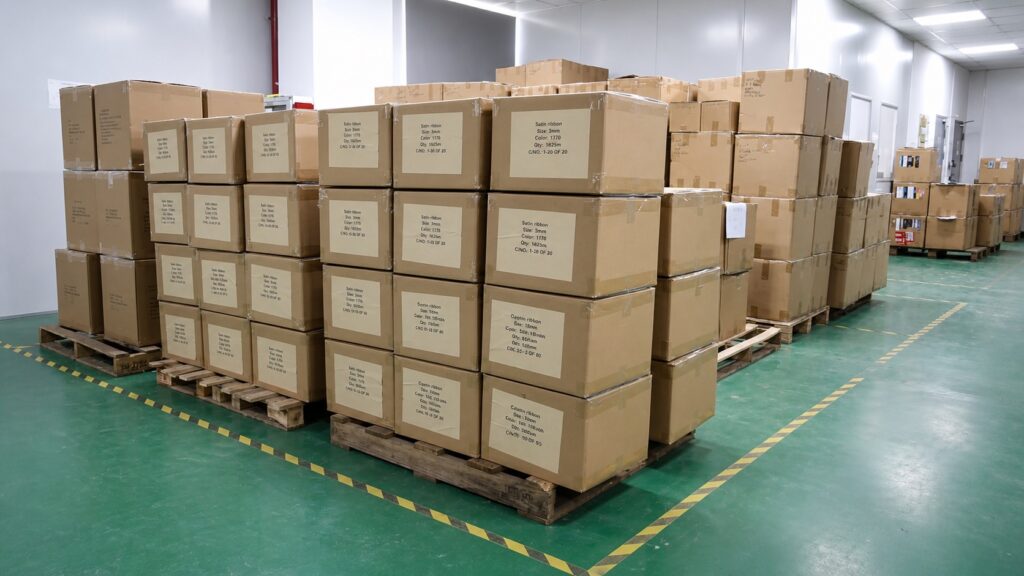
custom grosgrain ribbon moq is the first checkpoint buyers should lock before they approve a supplier, budget, or production slot. If you’re sourcing custom grosgrain ribbon, the MOQ is the first number that decides whether a supplier is worth the conversation. Many distributors have been burned by a quote that looked good until they realized the MOQ was per color, not per design — and suddenly a 3,000-yard minimum becomes 12,000 yards across four Pantones. That’s the kind of hidden math that kills a seasonal program before it starts.
A real factory breaks it down by product type. Stock grosgrain starts at 1,500 yards per color. Custom printed also runs 3,000 yards per design, with the difference landing in setup cost rather than in volume. Custom color or width? Confirmed at RFQ. That transparency matters when you’re planning a Q4 wine promotion and need to lock in pricing by late July. The total timeline runs 9 to 11 weeks, counting a mandatory 7- to 14-business-day sample cycle. Skip the physical sample, and you’re gambling with a dispute risk.
The cost structure also separates factory-direct suppliers from trading companies. Foil-stamping cost depends on artwork, foil, substrate, setup, and order volume. Wider ribbon uses more material; compare quotations for the exact width and construction. Compare itemized quotations at the relevant volume tiers for the same approved specification.
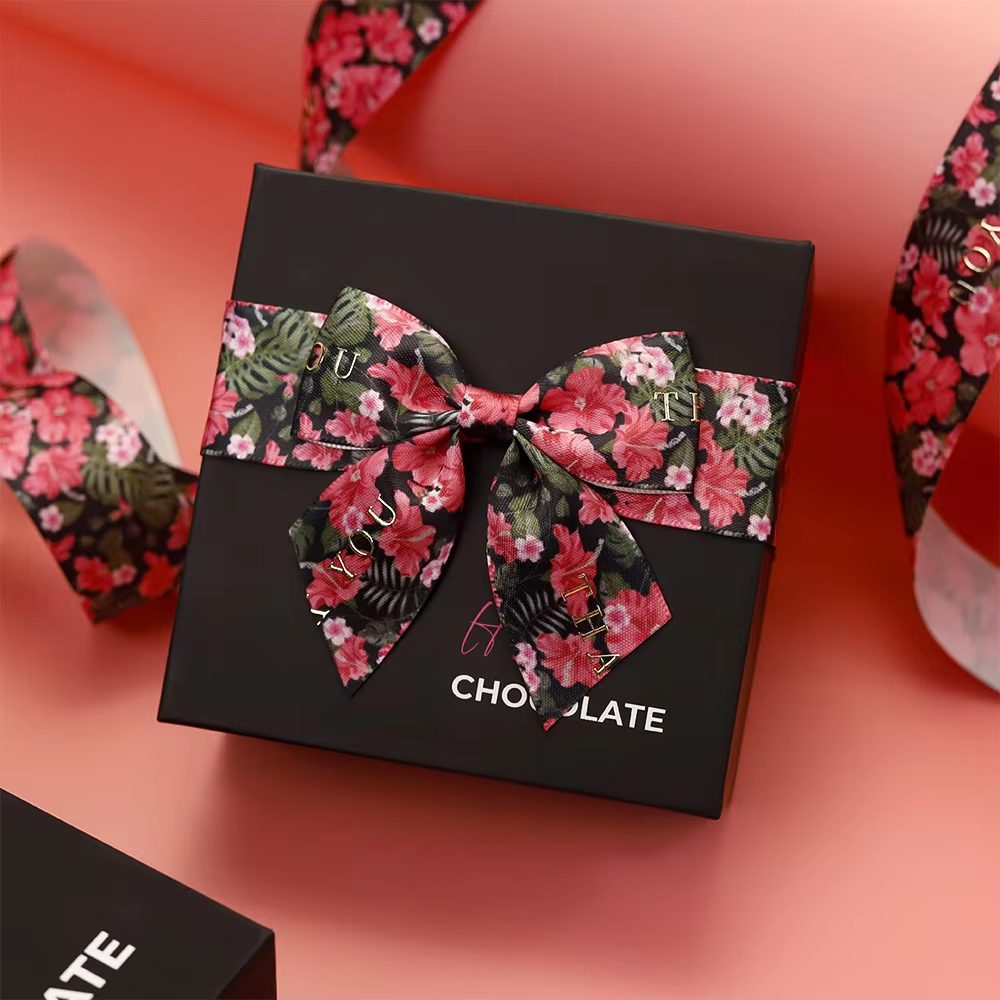
Why Custom Grosgrain Orders Miss Deadlines
If your holiday launch is in 8 weeks, the math doesn’t work — 9–11 weeks is the minimum.
Total timeline for a custom grosgrain order includes sample (7–14 business days), approval (1 week), bulk production (15–20 business days), and sea freight (18–25 days). That’s 9–11 weeks minimum. Buyers often underestimate the sample cycle. Skipping it? Many post-production disputes stem from that shortcut — and disputes cost time, not just money. For Q4 holiday delivery, RFQ must land by late July to reach your warehouse by October.
- Sample turnaround: 7–14 business days after artwork approval — mandatory step that cannot be skipped without raising dispute risk.
- Bulk production: 15–20 business days post-sample sign-off; printed grosgrain MOQ starts at 3,000 yards per design.
- Pricing differences among materials, widths, print methods, quantities, and packing must be calculated from dated quotations for the same approved specification.
- Q4 holiday deadline: RFQ must be submitted by late July.
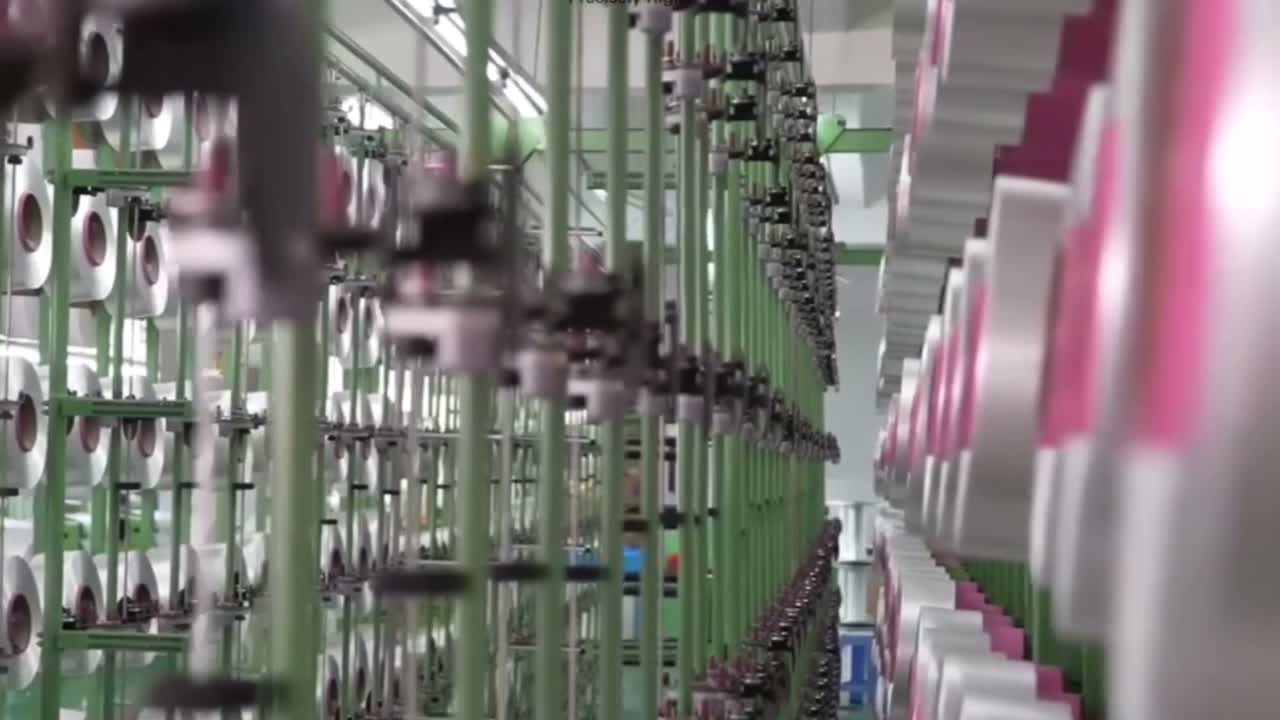
Real Cost Breakdown of Custom Grosgrain Ribbon in 2026
Foil stamp on grosgrain’s ribbed surface requires specialized pressure control to avoid broken lines.
Several variables drive the unit price of custom grosgrain ribbon in 2026. Review the cost structure checklist before comparing quotes.
- Pricing differences among materials, widths, print methods, quantities, and packing must be calculated from dated quotations for the same approved specification.
- Pricing differences among materials, widths, print methods, quantities, and packing must be calculated from dated quotations for the same approved specification.
- Process capability should be evaluated on the selected material using a dated test method, documented acceptance criteria, and the approved sample result.
- Pricing differences among materials, widths, print methods, quantities, and packing must be calculated from dated quotations for the same approved specification.
- Pricing differences among materials, widths, print methods, quantities, and packing must be calculated from dated quotations for the same approved specification.
The color target, measurement method, lighting conditions, and acceptance tolerance are confirmed against the buyer-approved sample and written specification.
| 【Real Cost Breakdown of Custom Grosgrain Ribbon in 2026】 | ||
|---|---|---|
| Cost Factor | Impact on Price (vs. Satin Baseline) | Typical Range per Yard (3,000 yds) |
| Material Base | Impact on Price (vs. Satin Baseline) | Typical Range per Yard (3,000 yds) |
| Satin (Grosgrain Baseline) | Impact on Price (vs. Satin Baseline) | Typical Range per Yard (3,000 yds) |
| Velvet or Metallic | Impact on Price (vs. Satin Baseline) | Typical Range per Yard (3,000 yds) |
| Width < 50mm (e.g. 25mm) | Impact on Price (vs. Satin Baseline) | Typical Range per Yard (3,000 yds) |
| Width ≥ 50mm (e.g. 100mm) | Impact on Price (vs. Satin Baseline) | Typical Range per Yard (3,000 yds) |
| Print Method: Screen Print | Impact on Price (vs. Satin Baseline) | Typical Range per Yard (3,000 yds) |
| Print Method: Foil Stamp | Impact on Price (vs. Satin Baseline) | Typical Range per Yard (3,000 yds) |
| Color Count: 1 Color | Impact on Price (vs. Satin Baseline) | Typical Range per Yard (3,000 yds) |
| Color Count: 2 Colors | Impact on Price (vs. Satin Baseline) | Typical Range per Yard (3,000 yds) |
| Color Count: 3+ Colors | Impact on Price (vs. Satin Baseline) | Typical Range per Yard (3,000 yds) |
| Volume: 3,000 Yards | Impact on Price (vs. Satin Baseline) | Typical Range per Yard (3,000 yds) |
| Volume: 10,000 Yards | Impact on Price (vs. Satin Baseline) | Typical Range per Yard (3,000 yds) |
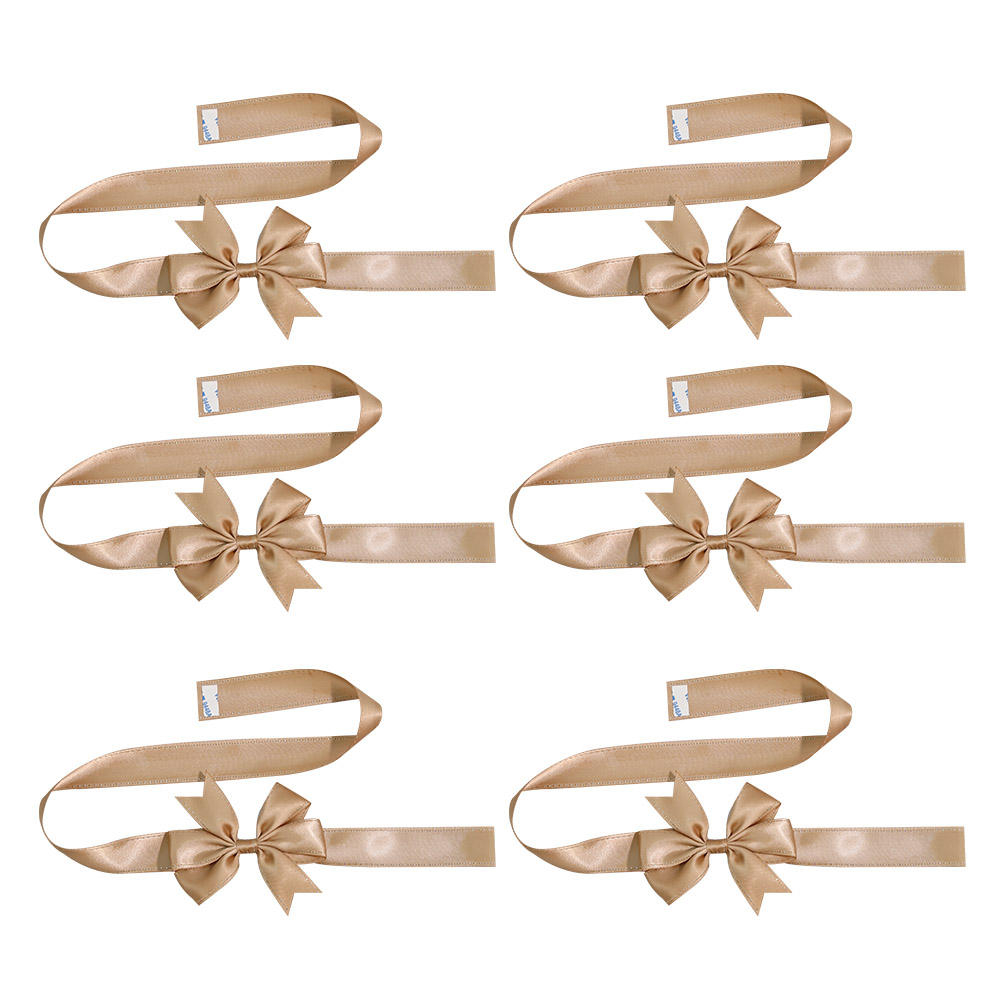
Grosgrain vs. Alternatives: Which Ribbon Fits Wine & Festive?
Grosgrain’s ribbed texture prevents bottle-neck slipping—satin and organza cannot match this.
For wine and festive packaging, you need a ribbon that stays tied, resists fraying, and holds up under handling. Grosgrain delivers on all three. Here’s how it stacks against the alternatives.
- Grosgrain: Durable ribbed weave that holds bows tight and resists fraying. Anti-slip surface prevents loosening on bottle necks. Widths 6mm–100mm. MOQ from 1,500 yards per color for stock, 3,000 yards per design for printed. buyer-approved ΔE tolerance color match. Cost baseline for print method comparison.
- Pricing differences among materials, widths, print methods, quantities, and packing must be calculated from dated quotations for the same approved specification.
- Organza: Sheer and lightweight, but lower tensile strength. Tears easily under tension. Unsuitable for securing bottles or heavy gift boxes. Often used as accent trim only.
- Satin: Smooth glossy finish but frays aggressively at cut edges. Slides loose on bottle necks. Requires heat-sealing or fray-check treatment, adding cost and labor. Grosgrain eliminates this step.
For wine packaging where the ribbon must stay tight around a bottleneck or box, grosgrain’s anti-slip structure is a practical advantage. Satin and organza cannot grip; velvet adds cost without structural benefit.
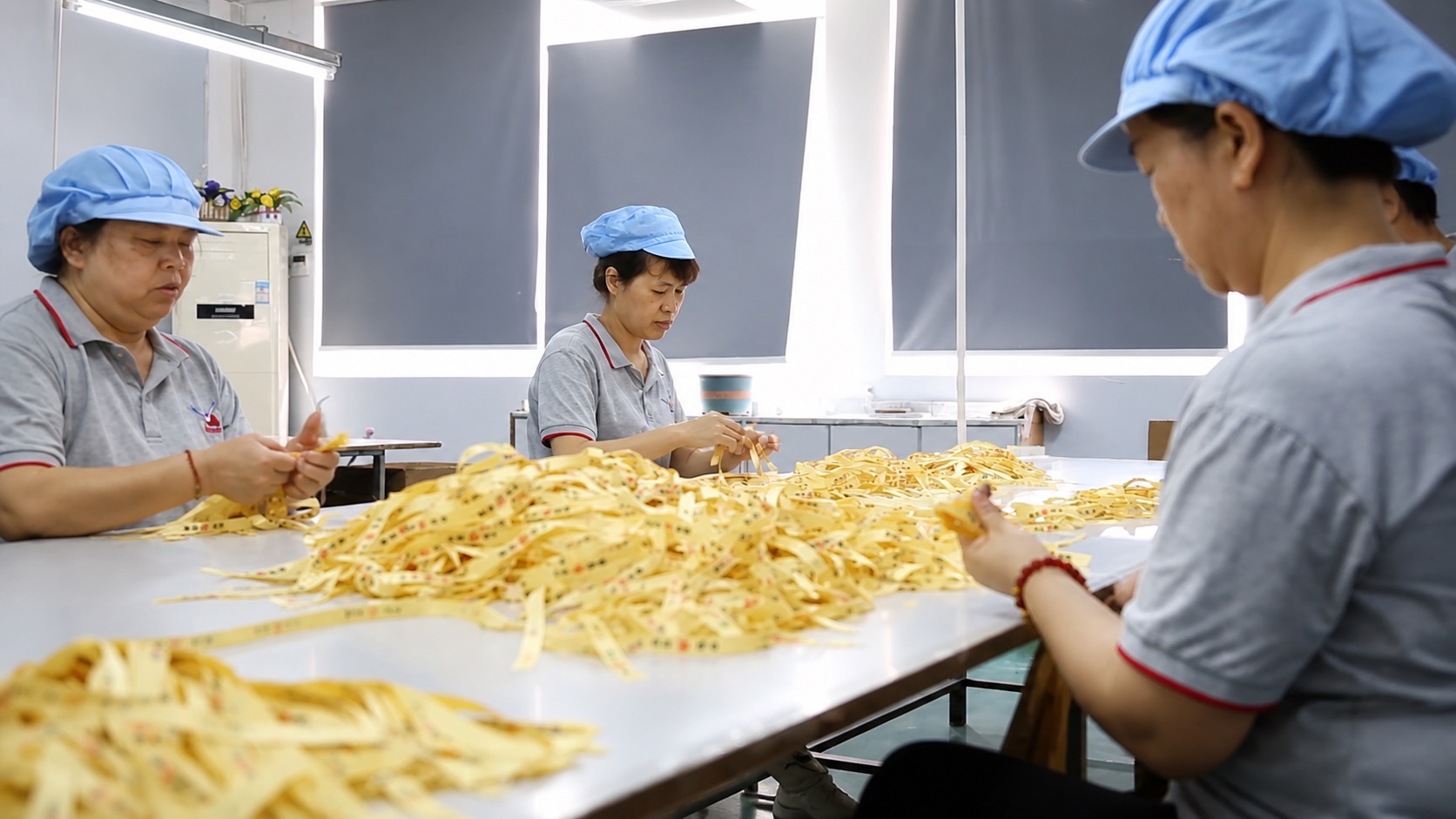
How to Source Custom Grosgrain Ribbon Without Getting Scammed
many post-production disputes are caused by skipping the physical sample step.
Many sourcing headaches in custom grosgrain ribbon come from the same root cause: buyers trust verbal promises over physical proof. A supplier’s claim of ‘good color matching’ or ‘strong foil adhesion’ means nothing until you hold the actual material in your hands. Here are the hard verifications you need before committing to bulk production.
- The color target, measurement method, lighting conditions, and acceptance tolerance are confirmed against the buyer-approved sample and written specification.
- Process capability should be evaluated on the selected material using a dated test method, documented acceptance criteria, and the approved sample result.
- Written MOQ breakdown per product type: Many suppliers quote a single MOQ that lumps stock, printed, and custom color orders together. Get it in writing: stock grosgrain MOQ starts at 1,500 yards, custom printed is 3,000 yards per design, and custom color/width is confirmed at RFQ. No ambiguous ‘starting from’ figures.
Beyond these checks, the non‑negotiable safeguard is a physical sample before any bulk production begins. Many post‑production disputes in ribbon sourcing stem from skipping this step. Lude Ribbon enforces a mandatory sample‑before‑bulk workflow—they refuse to bypass it because they know the math destroys margin on both sides.
3 Hidden Risks in Foil-Stamped Grosgrain Ribbon
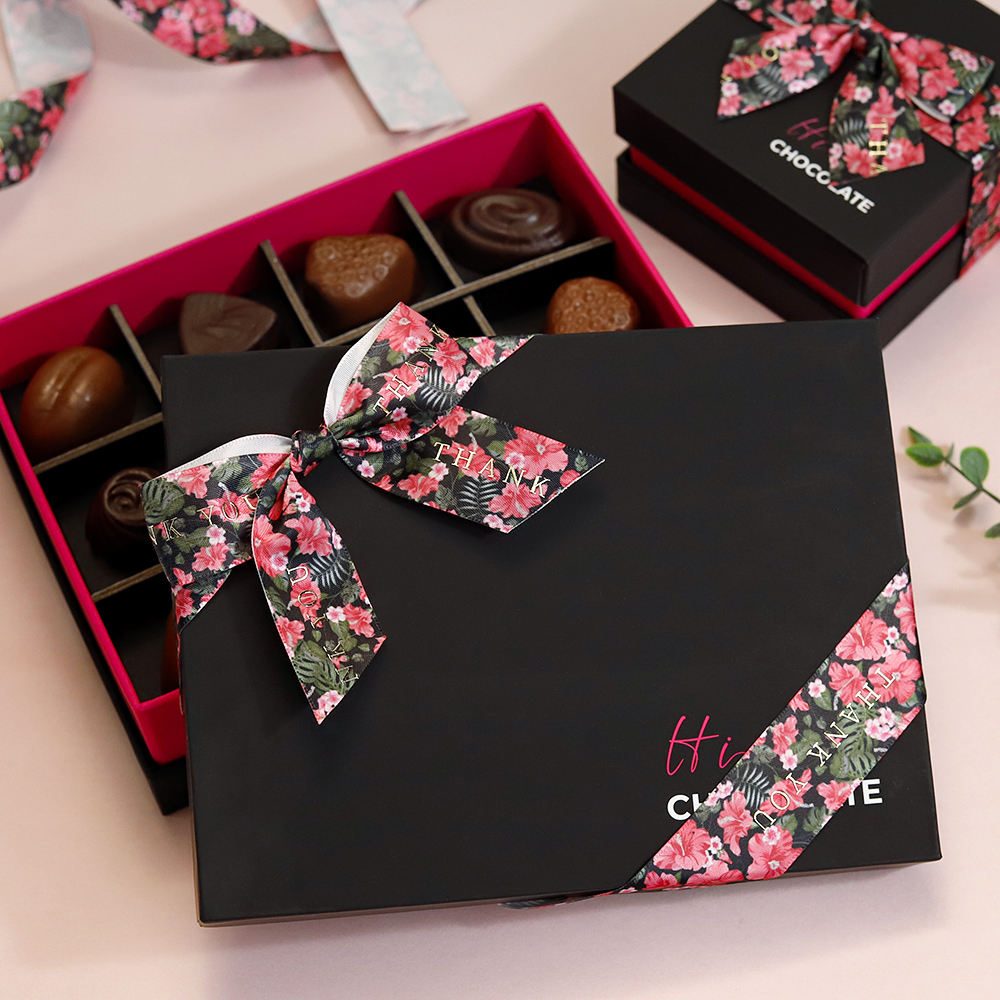
Foil stamp on grosgrain fails in three predictable ways.
Grosgrain’s ribbed surface creates a non-uniform contact zone for hot foil stamping. Unlike satin, the raised ribs and recessed valleys cause uneven heat and pressure distribution. Standard foil setups designed for flat materials produce inconsistent transfer on textured grosgrain, leading to three recurring defects.
- Risk 1: Broken foil lines: Where the grosgrain ribs are deepest, the foil fails to transfer completely. Logo strokes appear interrupted or missing, especially in thin serif fonts below 6pt. This defect is invisible in a digital proof but obvious on the physical roll.
- Risk 2: Color shift from uneven pressure: When the foil die presses harder on the rib peaks than the valleys, the reflective angle shifts, causing the stamped color to look lighter or darker across the same logo. What passes as ‘gold’ in one section turns brassy in another. Pantone tolerance drifts beyond the acceptable buyer-approved ΔE tolerance threshold, and the final product fails luxury brand inspection.
- Risk 3: Poor adhesion that washes off: Standard foil stamping on grosgrain often results in a weak molecular bond. Ribbon pulled through a tight bow knot or subjected to light moisture (e.g., condensation on a wine bottle) can shed foil flecks after a single use. Luxury packaging buyers reject entire runs when foil rubs off onto product surfaces.
Conclusion
Making the right call on a grosgrain program comes down to three details: sample verification, color tolerance, and pricing transparency. A factory that forces a physical sample before bulk production catches defects at a stage where they cost pennies to fix, not thousands.
Use these benchmarks to qualify your next supplier. Review width options against stock color availability before you submit an RFQ – that comparison alone usually exposes which suppliers have skin in the game.
Frequently Asked Questions
How many bows will 100 yards of grosgrain ribbon make?
It depends on bow size and style; a standard 2.5-inch wide grosgrain bow uses roughly 1 to 2 yards, so 100 yards yields 50 to 100 bows. For larger presentation bows, expect fewer. Calculate based on your bow dimensions and tie style.
Can you print on grosgrain ribbon?
Yes, custom printing on grosgrain ribbon is available, including screen printing, digital printing, and foil stamping. The ribbed surface requires specialized foil-plate pressure control to avoid fading. Request a physical sample to verify print clarity on your grosgrain texture.
What are the three main types of ribbon for packaging?
Satin for high-gloss luxury, grosgrain for structured texture and durability, and organza for sheer decorative accents. Lude Ribbon supplies all three as stock and custom options for packaging applications. Choose based on your packaging’s desired look and function.
How long is 25 yards of grosgrain ribbon in practical terms?
25 yards equals 75 feet — enough to wrap around a standard gift box about 8 times, or to make approximately 15 to 20 small hair bows. Plan your quantity based on your specific application and ribbon width.
What is the difference between grosgrain and Petersham?
Grosgrain ribbon has straight woven ribs and straight edges, while Petersham has a scalloped edge that allows it to curve and lie flat on curved surfaces like hat brims. Grosgrain is more common. Use grosgrain for straight applications, Petersham for curved trims.
Keep exploring
Recommended buyer guides
 Pre-Tied Bows for Retail Packaging: When They Reduce Labor and Rework
See when pre-tied bows reduce retail packaging labor, improve consistency, and simplify bulk packing, SKU planning, and reorders
Explore guide
Pre-Tied Bows for Retail Packaging: When They Reduce Labor and Rework
See when pre-tied bows reduce retail packaging labor, improve consistency, and simplify bulk packing, SKU planning, and reorders
Explore guide
 Velvet Ribbon Wholesale Checklist: MOQ, Finish, and Supplier Questions
Evaluate velvet ribbon wholesale options: MOQ, setup fees, unit cost, and packing. Narrow the list before requesting samples…
Explore guide
Velvet Ribbon Wholesale Checklist: MOQ, Finish, and Supplier Questions
Evaluate velvet ribbon wholesale options: MOQ, setup fees, unit cost, and packing. Narrow the list before requesting samples…
Explore guide
 Wholesale Custom Ribbon with Logo: Specs, Roll Length, and RFQ Checks
Step-by-step: Custom Ribbon With Logo. Check artwork files, print method, color target, and sample approval to avoid delays,…
Explore guide
Wholesale Custom Ribbon with Logo: Specs, Roll Length, and RFQ Checks
Step-by-step: Custom Ribbon With Logo. Check artwork files, print method, color target, and sample approval to avoid delays,…
Explore guide
 Wholesale Ribbon By The Roll: Roll length and inventory planning
Evaluate Wholesale Ribbon By The Roll options: factory capability, QC proof, lead time, and reorder reliability. Narrow the…
Explore guide
Wholesale Ribbon By The Roll: Roll length and inventory planning
Evaluate Wholesale Ribbon By The Roll options: factory capability, QC proof, lead time, and reorder reliability. Narrow the…
Explore guide
Leave a comment
Share a sourcing question or feedback on this guide. The Lude team reviews submissions before following up.