


Wired Ribbon Bows: When to Buy Pre-Tied or Wired Ribbon Programs
Wired Ribbon Bows: compare sample approval, color tolerance, QC checks, and material across types so buyers pick the right ribbon for each application
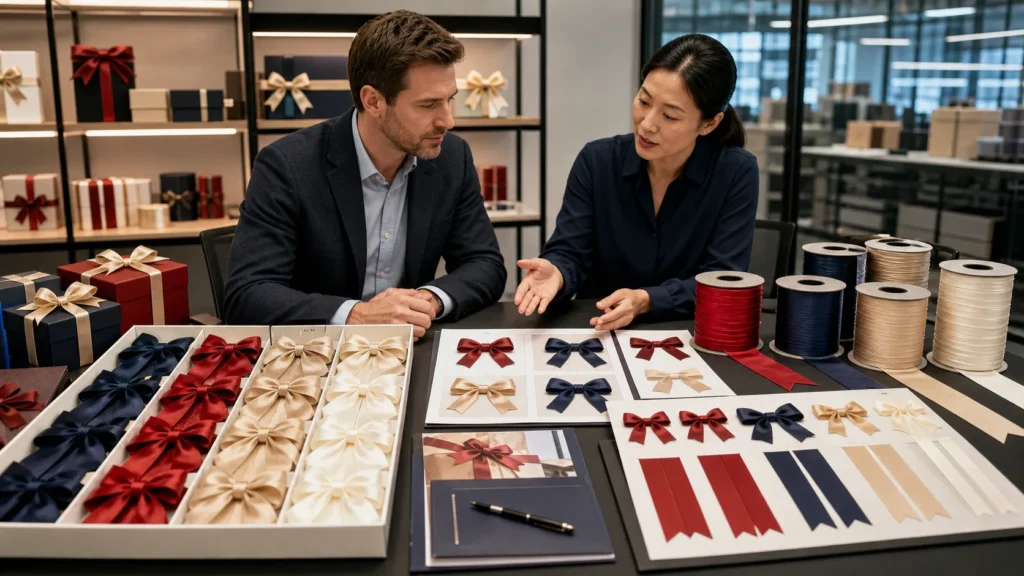
The sourcing record for how to make wired ribbon bows is incomplete until it supports this Buy pre-tied bows for high-volume, repeatable attachment; buy wired ribbon when staff must shape loops on site or one ribbon format must support varied displays.
This guide applies a sourcing angle to how to make wired ribbon bows: Compare pre-tied bows and wired ribbon by assembly labor, shape control, packing, MOQ, sample approval, and reorder consistency.
Direct answer: For how to make wired ribbon bows, buyers should buy pre-tied bows for high-volume, repeatable attachment; buy wired ribbon when staff must shape loops on site or one ribbon format must support varied displays.
Decide when wired ribbon is the right format
| Criteria | Baseline option | Confirmed option | Buyer meaning | Risk to avoid | Follow-up |
|---|---|---|---|---|---|
| Specification details | Wire gauge and edge finish documented in spec sheet | Wire gauge and edge finish confirmed by sample only | Spec sheet locks wire thickness and edge treatment before production; sample confirms feel and bend behavior | Without spec sheet, wire may kink or cut ribbon edge during bow forming | Request wire gauge and edge finish in written spec before sample approval |
| Quality control | In-line wire tension check during slitting | Post-production bend test on random rolls | In-line check catches loose wire before winding; post-production test samples finished rolls for consistent hold | Without in-line check, loose wire sections may pass inspection and fail during bow tying | Confirm which QC check is standard and request in-line tension report with first shipment |
| Approval risk | Pre-production sample approved for wire placement and edge seal | Bulk production started from spec sheet only | Sample approval verifies wire stays centered and edge seal prevents fraying; spec-only start skips this visual check | Starting bulk without sample may produce ribbon where wire shifts or edge frays, causing bow rejects | Require pre-production sample for any new wire gauge or ribbon width |
For specification details, a poor decision can mean without spec sheet, wire may kink or cut ribbon edge during bow forming. Request written proof and compare it with the approved sample or specification.
For the wired-versus-pre-tied decision, preserve the specification details decision under one revision number: keep the supplier response, marked sample, approved specification, quotation, and approval owner together. If the evidence conflicts with the approved record, hold the quote, sample, or production release until the deviation is explained in writing. Once the buyer and designated technical authority have accepted the evidence, carry the signed Decide when wired ribbon is the right format record into the purchase order, production handoff, shipment release, and later reorder review so every team works from the same baseline.
Connect width choice to packing and display
Wide ribbon bows require larger packaging to avoid crushing, which increases shipping volume and cost. Narrow ribbon bows pack more densely, reducing freight expenses. Discuss packing density with your supplier during the RFQ stage to align bow dimensions with your display or retail packaging requirements.
Specify width, edge wire, material, and roll length
| Option | Best fit | Trade-off | Risk to avoid | Verification | Follow-up |
|---|---|---|---|---|---|
| Standard edge wire on satin ribbon | High-volume bow production where loop shape retention is critical | Lower flexibility for tight knotting vs. heavier wire gauges | Edge wire may kink under repeated folding if wire gauge is too thin | Check wire diameter against spec sheet and bend test the approved sample | Request a straightness measurement record from the production sample |
| Custom galvanized edge wire on grosgrain ribbon | Outdoor or gift-pack bows needing corrosion resistance and stiff loops | Higher material cost and longer lead time for custom wire sourcing | Galvanized coating may flake if not properly cured, causing bow defects | Inspect coating adhesion with tape pull test on pre-pre-tied bows from the sample run | Confirm wire gauge and coating spec in the RFQ before production |
| Wider organza ribbon with edge wire | Decorative event bows where transparency and volume are desired | Organza frays more at cut edges, requiring heat-sealing on both ends | Edge wire may separate from fabric if adhesive bond is weak | Pull test the wire from the ribbon edge on the approved sample piece | Approve a sealed-edge sample before bulk roll cutting |
| Safer fallback: plain stock ribbon without edge wire | Bows where wire is not needed, such as simple tie closures | Loops will not hold shape; bow must be retied each use | No wire means no structural support for decorative loops | Confirm stock color and width availability from existing inventory | Order from stock at the per-color minimum to avoid custom lead time |
For standard edge wire on satin ribbon, a poor decision can mean edge wire may kink under repeated folding if wire gauge is too thin. Ask the supplier to check wire diameter against spec sheet and bend test the approved sample.
For the wired-versus-pre-tied decision, preserve the standard edge wire on satin ribbon decision under one revision number: keep the supplier response, marked sample, approved specification, quotation, and approval owner together. If the evidence conflicts with the approved record, hold the quote, sample, or production release until the deviation is explained in writing. Once the buyer and designated technical authority have accepted the evidence, carry the signed Specify width, edge wire, material, and roll length record into the purchase order, production handoff, shipment release, and later reorder review so every team works from the same baseline.
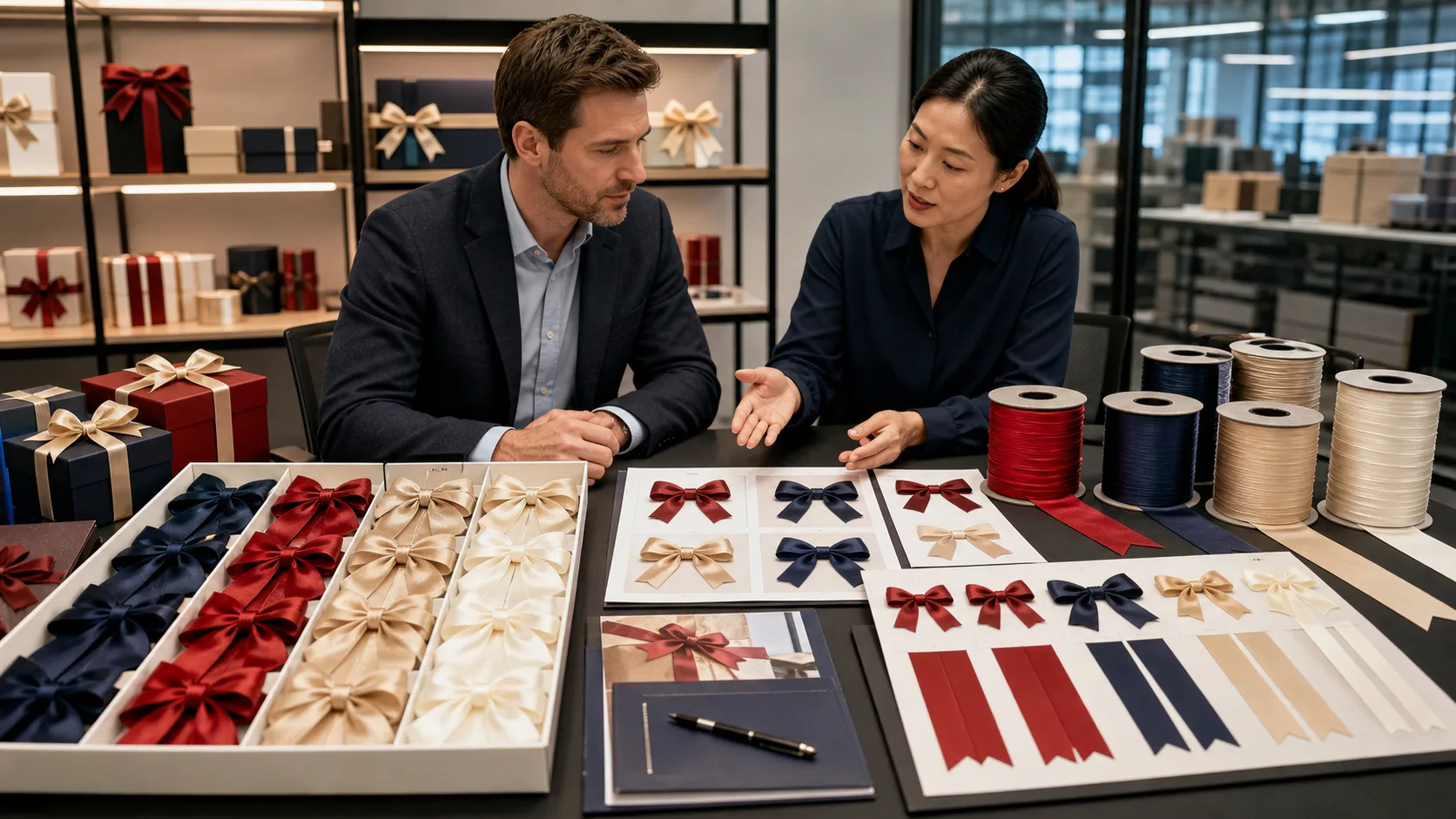
Check bow structure, packing, and display performance
For OEM and ODM ribbon development, build the quote request around Wire gauge and loop count per bow. Match every listed buyer input to written supplier confirmation, approval evidence, and the risk that would hold the quote.
- Wire gauge and loop count per bow: Determines bow memory retention and display shape consistency across production runs. A 24-gauge edge wire with 8 loops per bow holds shape after packing; 26-gauge may collapse. Bows arrive flattened or misshapen, causing rework and display rejection at retail. Verify wire gauge and loop count on the approved sample before bulk production.
- Packing method and carton stack height: Prevents bow crushing during transit; affects carton count and shipping cost. Individual polybag with tissue insert and a maximum stack height preserves bow shape. Compressed bows lose display volume, leading to customer complaints and chargebacks. Request a packed sample and measure bow height after 24-hour compression test.
- Display performance test after transit simulation: Confirms bow returns to intended shape after real-world shipping vibration and temperature shifts. Run a 3-foot drop test and 48-hour rest period; measure bow diameter recovery to the buyer-approved tolerance. Bows fail in-store display, requiring emergency repack or air freight replacement. Document test results and include pass/fail criteria in the quality checklist.
- Material and edge wire color match to approved standard: Ensures bow appearance matches buyer's display mockup and avoids brand color deviation. Polyester satin with the approved wire in Pantone 19-4026; verify under buyer-approved viewing conditions. Color mismatch triggers reorder delay and potential markdown at retail. Hold first-production sample against the approved color standard before bulk run.
Check wire edge after transit
Ship a packed sample via ground carrier and inspect the wire edge for bends or breaks. Exposed wire ends can scratch handlers or damage packaging. A clean edge with no protrusions confirms the bow structure survives handling. Document findings in the QC report before bulk shipment.
Confirm display shape before production
Arrange the approved sample on a retail shelf or pegboard and photograph from three angles. Compare the shape to the buyer's display guideline. Any deviation in loop symmetry or tail length must be corrected in the production spec. This step avoids costly rework after bulk delivery.
Plan MOQ, sample timing, and reorder control
Hold the bow-program review when evidence for Document MOQ per width and color variant on the quote request is unresolved; record the discrepancy, supplier owner, and release condition before approval.
- Document MOQ per width and color variant on the quote request: Plain stock ribbon starts at 1,500 yards per color/width; custom or printed ribbon requires quote request confirmation. Mixing widths under one minimum order causes order splits and delays. Request a line-item minimum order table from the supplier listing each width, color, and construction type before quoting. Approved sample cannot be produced because the combined quantity falls below the per-variant minimum order, forcing renegotiation or redesign. Shortlist only suppliers that provide a signed minimum order matrix by width and color with the quote.
- Tie reorder specs to roll number and wire gauge batch: Edge wire gauge and roll length directly affect bow loop retention and machine feed. Reordering by product name alone risks receiving a different wire batch that changes bow shape. Ask the supplier to stamp the approved sample tag with roll number, wire gauge, and production date; include those fields on the reorder form. Reorder produces bows with looser loops or different stiffness, requiring rework or customer rejection. Update your purchase order template to require roll number and wire gauge as mandatory reorder fields.
- Verify sample matches production intent for gift and retail packaging ribbon solutions solutions: A hand-tied sample can hide wire edge bends or width variation that appear only on machine-tied bows. Production must replicate the sample's exact wire placement. Request a machine-tied sample from the same roll used for the hand-tied approval, then compare wire edge straightness and loop uniformity. Bulk bows fail retail packaging fit tests because wire edges protrude or loops are uneven, causing returns. Inspect the machine-tied sample under retail lighting and photograph it next to the hand-tied reference before bulk release.
Confirm MOQ by width and color
Each width and color variant carries its own minimum order quantity. Plain stock ribbon from existing inventory starts at 1,500 yards per color/width. Custom dyed or printed ribbon requires an quote request because the minimum order depends on the dye lot size and printing plate setup. Mixing widths under one minimum order risks production delays when the factory must split the run.
Set sample approval before production slot
Production lead time of 15–20 business days begins only after you sign off the sample. Without a written approval gate, the factory may reserve loom capacity for another buyer while your sample is in transit. Add a calendar milestone: sample approval deadline equals production start date minus five business days. This prevents launch delays.
Keep reorder specs tied to roll and wire
Edge wire gauge and roll length directly affect bow loop retention and machine feed reliability. Reordering by product name alone risks receiving a different wire batch that changes bow shape. Stamp the approved sample tag with roll number, wire gauge, and production date. Include those fields on the reorder form to ensure consistency.
Prepare the wired ribbon RFQ before approval
- Does the supplier have documented experience producing wired ribbon for bow making? Wired ribbon for bows requires consistent edge wire placement and loop retention. A supplier without dedicated bow-making ribbon experience may deliver wire that shifts or breaks during tying. Supplier provides a capability statement listing wired ribbon bow applications, reference orders, or sample photos from past bow production runs. Approving a supplier without bow-specific wire experience can cause loop collapse, uneven tails, or wire poking through the fabric edge after tying. Request three past order references or sample cards that show wired ribbon used specifically for bow making.
- What approval risk exists if the wired ribbon sample is approved without a tied bow test? A flat ribbon sample may look correct but fail when tied into a bow due to wire stiffness, edge curl, or fabric slip. Approving without a bow test risks bulk production that cannot be used. Supplier includes a hand-tied or machine-tied bow sample with the flat ribbon sample and provides a photo of the bow from three angles showing loop shape and wire hold. Approving flat ribbon alone can result in bulk ribbon that does not tie into acceptable bows, causing rework, material waste, and missed delivery dates. Require a tied bow sample as part of the approval package and photograph it against a ruler for loop size reference.
- How does the buyer follow up on wire edge condition after the sample is shipped? Wire edges can bend or kink during shipping, especially in ground carrier transit. A sample that arrives with damaged wire does not represent production quality. Supplier packs the wired ribbon sample in a rigid tube or flat box with edge protectors and includes a pre-shipment photo showing straight wire edges before packing. Approving a sample with bent or kinked wire edges can lead to bulk ribbon that arrives damaged and requires return or rework before use. Inspect the wire edges immediately upon sample arrival and photograph any damage. Send the photo to the supplier before approving the sample.
Send width, wire, roll length, and finish
Before approving the wired ribbon quote request, confirm that the supplier lists wire gauge, roll length, and edge finish for each width requested. A spec sheet with these details lets you compare loop retention and bow shape across options. Without it, you risk approving a sample that cannot be reproduced consistently in bulk.
Ask for sample and QC proof
Request a production sample along with a straightness measurement record and edge finish photo. This QC proof verifies that the wire edges are straight and the finish is uniform. Accepting a sample without this documentation means you may receive bulk ribbon with bent wires that cannot form consistent bows.
Confirm packing method before approval
Require the supplier to specify edge guards, roll cores, and carton stacking limits in the packing confirmation. Wired ribbon edges bend easily during transit if packed loosely. Adding packing method as a required quote request field protects your bow-making production from damaged ribbon on arrival.
In conclusion
Before finalizing your wired ribbon bow order, verify that the wire gauge, loop count per bow, and roll length are clearly documented in the quote request and match your production sample. Compare minimum order by product type—plain stock ribbon begins at 1,500 yards per width and color, while custom colors or widths require quote request confirmation—and confirm the standard 15–20 business day lead time after specification approval.
Request a production sample along with a straightness measurement record and edge guard specification to reduce bow loop retention risk. Require the supplier to list edge guards, roll cores, and carton stacking limits in the final quote, then approve the quote request only after all specification, cost, and sample evidence are documented.
How to make wired ribbon bows FAQ
What should buyers confirm before ordering How To Make Wired Ribbon Bows?
Buyers should confirm the wire gauge, loop count per bow, and roll length before ordering, as these directly affect bow structure and machine compatibility. Check that the supplier lists edge wire material and gauge in the specification sheet, and verify that the width and color match your intended bow design—plain stock ribbon from existing inventory starts at 1,500 yards, while custom colors or widths require quote request confirmation. Confirm minimum order and order quantity by color, width, artwork, and packing route. Confirm production lead time after specifications and sample approval are fixed. Separate material, setup, packing, freight, and reorder cost drivers in the quote request. Ask how QC will check the sample, color, finish, packing, and bulk order.
How should buyers compare MOQ, lead time, and quote terms?
Compare minimum order by product type: plain stock ribbon begins at 1,500 yards per width and color, printed ribbon at 3,000 yards per design, and ribbon flowers or rosettes at 1,000 pieces per style. Standard production lead time is 15–20 business days after specification sign-off, so request a quote that itemizes material, width, color target, quantity, packing, and delivery timing to avoid hidden costs. Ask how QC will check the sample, color, finish, packing, and bulk order. Ask the supplier to confirm factory capability and who owns follow-up.
What sample, quality, or supplier checks reduce risk?
Request a production sample along with a straightness measurement record and edge wire tension test to confirm loop retention and bow shape consistency. Require the supplier to specify edge guards, roll cores, and carton stacking limits in the packing plan, and document all approvals—including artwork sign-off for printed ribbon—before bulk production begins. Confirm production lead time after specifications and sample approval are fixed. Separate material, setup, packing, freight, and reorder cost drivers in the quote request.
quote request handoff: Send Specs for Review.
Keep exploring
Recommended buyer guides
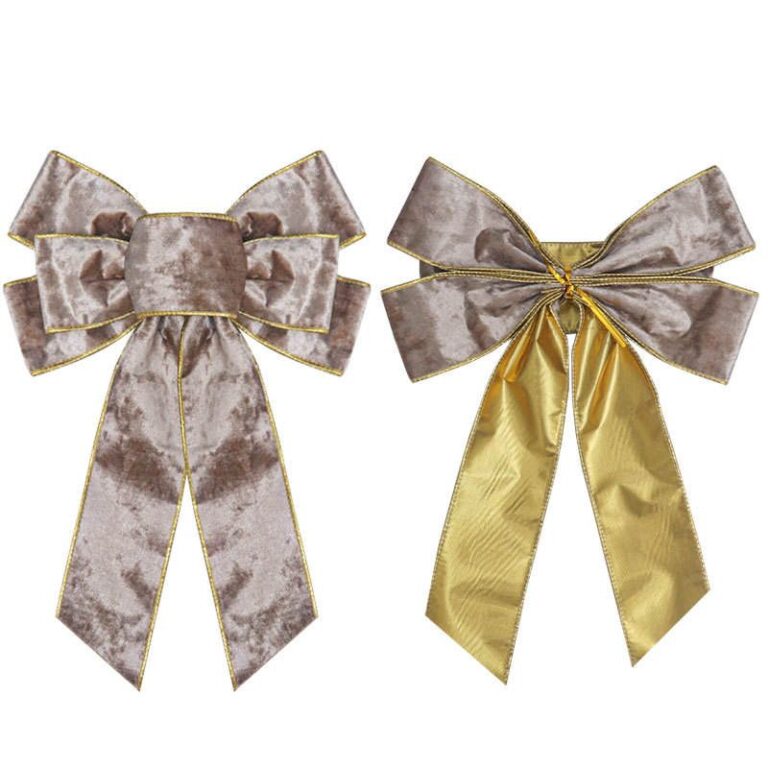 Pre-Tied Bows for Retail Packaging: When They Reduce Labor and Rework
See when pre-tied bows reduce retail packaging labor, improve consistency, and simplify bulk packing, SKU planning, and reorders
Explore guide
Pre-Tied Bows for Retail Packaging: When They Reduce Labor and Rework
See when pre-tied bows reduce retail packaging labor, improve consistency, and simplify bulk packing, SKU planning, and reorders
Explore guide
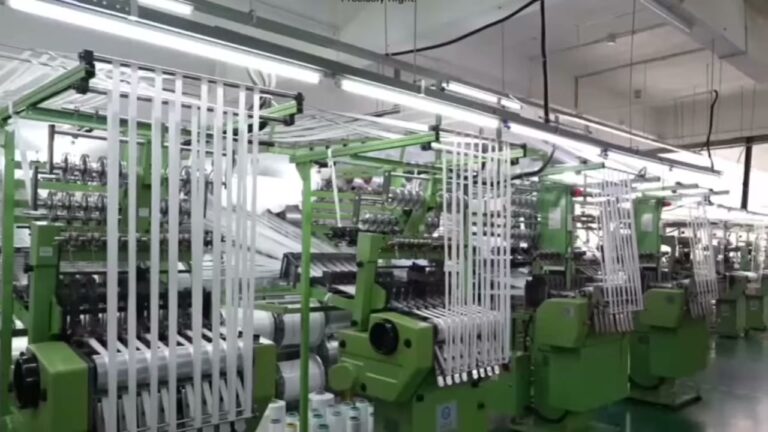 Velvet Ribbon Wholesale Checklist: MOQ, Finish, and Supplier Questions
Evaluate velvet ribbon wholesale options: MOQ, setup fees, unit cost, and packing. Narrow the list before requesting samples…
Explore guide
Velvet Ribbon Wholesale Checklist: MOQ, Finish, and Supplier Questions
Evaluate velvet ribbon wholesale options: MOQ, setup fees, unit cost, and packing. Narrow the list before requesting samples…
Explore guide
 Wholesale Custom Ribbon with Logo: Specs, Roll Length, and RFQ Checks
Step-by-step: Custom Ribbon With Logo. Check artwork files, print method, color target, and sample approval to avoid delays,…
Explore guide
Wholesale Custom Ribbon with Logo: Specs, Roll Length, and RFQ Checks
Step-by-step: Custom Ribbon With Logo. Check artwork files, print method, color target, and sample approval to avoid delays,…
Explore guide
 Wholesale Ribbon By The Roll: Roll length and inventory planning
Evaluate Wholesale Ribbon By The Roll options: factory capability, QC proof, lead time, and reorder reliability. Narrow the…
Explore guide
Wholesale Ribbon By The Roll: Roll length and inventory planning
Evaluate Wholesale Ribbon By The Roll options: factory capability, QC proof, lead time, and reorder reliability. Narrow the…
Explore guide
Leave a comment
Share a sourcing question or feedback on this guide. The Lude team reviews submissions before following up.