


Wired Christmas Ribbon Wholesale: Wired ribbon seasonal order
Shortlist Wired Christmas Ribbon Wholesale suppliers by factory capability, QC proof, lead time, and reorder reliability. See which options fit your
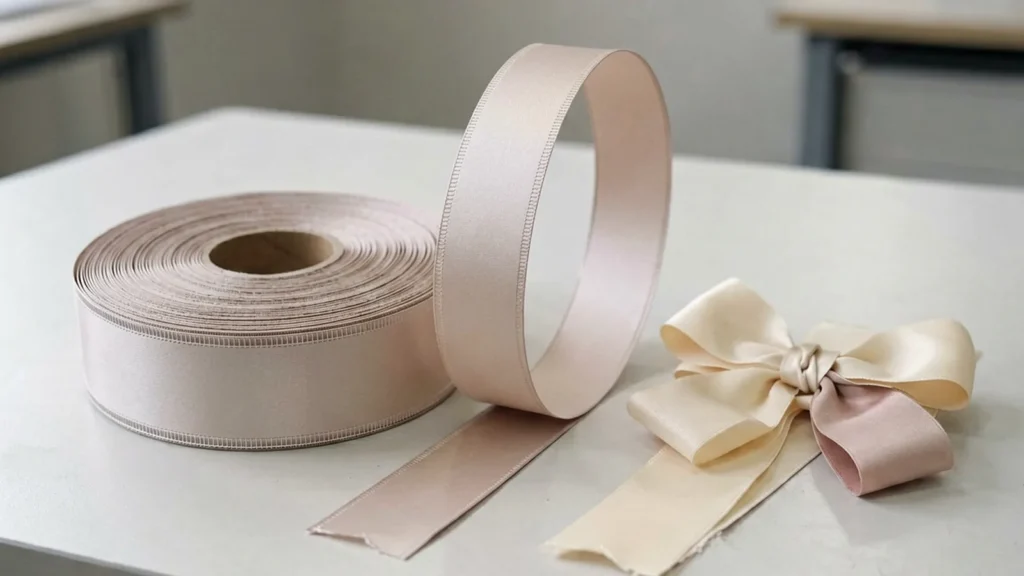
Before you can shortlist Wholesale Wired Christmas Ribbon suppliers using proof, capability, quality, MOQ, and delivery criteria, the specification has to say enough for a supplier to price the same job you have in mind.
Wired ribbon is bought for the bow it holds, and wire gauge is what decides whether it holds. That number belongs in the RFQ.
Direct answer: For wired Christmas ribbon wholesale, buyers should shortlist Wholesale Wired Christmas Ribbon suppliers using proof, capability, quality, MOQ, and delivery criteria.
What buyers should compare when sourcing wired Christmas ribbon wholesale
Seasonal ribbon is bought against a calendar that has no give in it. The date the goods must land is fixed months ahead, and by the time most buyers start comparing prices the factory floor for that window is already filling. Order timing decides more of the outcome than unit price does, and the comparison below is organised around that.
| Order window | Fits when | Risk if timing slips | Verification check |
|---|---|---|---|
| Early, against a repeat specification | Last year’s shade and width are being run again | Almost none, if the retained sample still exists | Check the archived piece against a new sample |
| Early, with a new shade | The range is changing and a dye lot is needed | Dye lot approval collides with peak production | Book the approval date before the production slot |
| Mid-season, from stock shades | A gap needs filling and colour is flexible | Stock widths and shades narrow as the season runs | Confirm what is actually held, not what is listed |
| Late, on any specification | A last-minute programme | Freight rather than production becomes the constraint | Ask what shipping method the date now requires |
The trade-off across the four is the same one every year: the earlier the order, the more of the specification you get to choose. A buyer ordering late is choosing from what is left rather than from what is made.
Product and specification checks before shortlisting
On a seasonal wired program the scorecard and the question list are the same exercise: each criterion is a question whose answer you should be able to see rather than be told.
| Criterion to score | Question to ask | Proof to request | Risk if the proof is missing |
|---|---|---|---|
| Wire construction | Is the wire enclosed in the woven edge or added afterward? | A shaped sample, reshaped twice | Wire migrating to the cut end mid-season |
| Seasonal capacity | What is your production window for this quarter? | A dated slot, not a general lead time | A confirmed order behind everyone else’s |
| Shade repeatability | How do you match this shade next year? | Lot marking on the sample and a retained piece | A range that cannot be repeated |
| Minimum order rule | Which minimum applies to this width and finish? | The written figure for your specification | A quote that changes at confirmation |
| Quality inspection | Where does inspection happen at peak? | An inspection record from last season | Defects found after the goods ship |
The second row is the one that separates suppliers in a seasonal category, and the answer is a date rather than a description. Where shape retention is the point, wired edge ribbon should be judged on a reshaped sample before capacity is discussed at all.
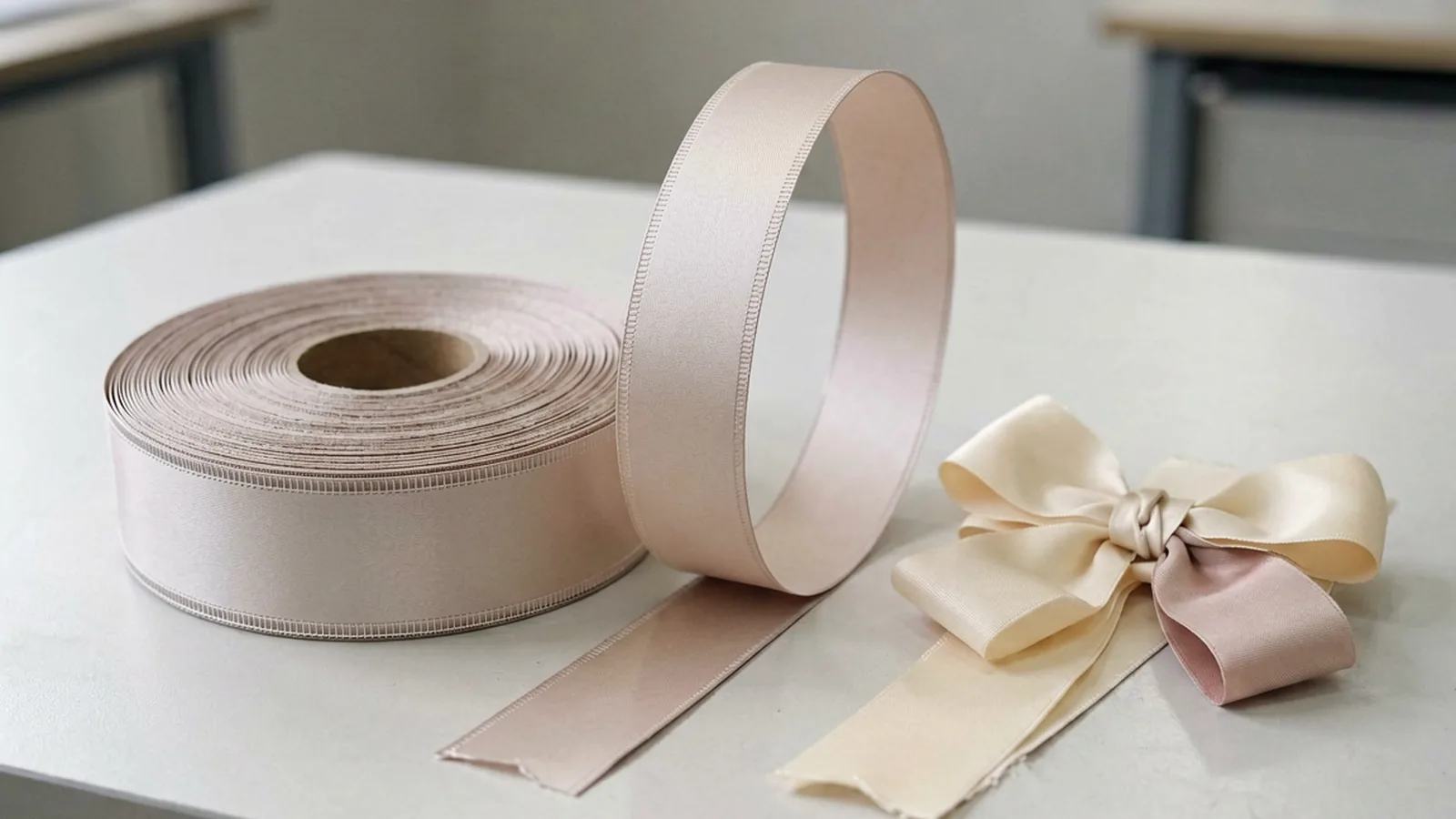
MOQ, cost, sample, and lead-time questions
Four signals mean a seasonal quote will not survive contact with the calendar.
| Warning sign | Why it matters | Verification check | Risk if ignored |
|---|---|---|---|
| A lead time quoted without a start date | Standard production runs 15 to 20 business days once specifications are approved, but the clock starts at approval | Ask when approval must close for your date | Approval time eats the production window |
| No minimum stated for your exact width | Minimums follow the route, not the season | Ask for the figure tied to your specification | A quantity surprise at confirmation |
| Sample offered after the production slot is booked | A sample that arrives late cannot change anything | Request the sample before committing capacity | Paying for a slot you cannot use |
| Supplier capability described rather than dated | Peak capacity is a scheduling fact | Ask for the slot in writing | A queue position you did not know you had |
Where a seasonal range needs a shape or a finish that is not already made, development belongs in the previous season rather than this one. That work runs through OEM and ODM ribbon development, where sampling sits ahead of the production booking instead of alongside it.
Quality and communication red flags
Seasonal complaints cluster around four symptoms, and each traces to a cause that a check would have caught.
- Bows lose shape in the carton. Usually wire gauge or how the piece was packed rather than the ribbon itself. Ask for bows that have been boxed for several days and inspect them; the fix is a packing method agreed in writing before the run.
- Wire shows at the cut end. The casing at the edge is not holding the wire after repeated shaping. Reshape a sample several times and inspect both ends, then make it a named rejection point.
- This year does not match last year. No retained piece from the previous season. Ask which lot the shade will run on and archive the approved piece with its marking; verification next year is that piece, not a memory.
- Delivery slips inside the season. The approval steps were counted inside the production window. Standard production runs 15 to 20 business days once specifications are approved, so ask for the approval date and the production date separately and treat the earlier one as the real deadline.
Three of the four are prevented by the same habit: keep the approved sample with its lot marking. For gift and retail seasonal ranges, that archive is what gift and retail packaging ribbon solutions treat as the reorder reference rather than an order history.
How to move from shortlist to RFQ
A seasonal quote request carries one input that an ordinary one does not: the date the goods must be on the shelf, given first rather than last. Everything below is measured against it, and the risk of leaving it to the end is a quote priced for a schedule nobody can hold.
- The shelf date, stated up front. Work backward through delivery, production, approval, and sampling. Ask which of those the supplier has already booked for your window.
- Width, wire construction, and finish. Name all three. Wire construction decides how the bow behaves after shaping, and it is not a detail that can be settled later.
- Shade route and last year’s reference. If the range repeats, send the retained piece. Plain stock ribbon starts at 1,500 yards per color from existing colors and widths, and a repeat shade avoids the dye lot approval that a new one needs.
- Format and quantity. Say whether you are buying ribbon or formed bows. Ready-made bows and award ribbons start at 1,000 pieces per style, and printed ribbon starts at 3,000 yards per design.
- Packing and freight assumption. Formed bows take volume rather than weight. Ask what the price assumes, because in a late season freight can cost more than the goods.
Ask for one pre-production sample, shaped and boxed, with its lot marking intact, and approve it in writing before the capacity is confirmed. That signed piece is what the following season is matched against, which on a repeating range is worth more than the sample itself.
Source check: ISO 2859-1 sampling inspection standard.
In conclusion
The output of a wired Christmas ribbon decision is a booked date with a specification attached, not a price. Settle the shelf date and the approval date first; everything a supplier can offer after that is constrained by them.
Where the range repeats each year, the retained sample is worth more than any negotiation: it removes a dye lot approval from next season and turns the reorder into a comparison rather than a new development. Browse the ribbon products range to fix the base material once, then repeat against it. The cost driver in a late season is not the ribbon but the freight and the queue position, and the risk of ordering late is choosing from what is left.
Send the shelf date, the width, and the wire construction to two or three suppliers, and ask each for a shaped sample boxed for several days with its lot marking intact. Verify the cut ends after reshaping, approve in writing, and archive the piece for next season.
Wired christmas ribbon FAQ
What should buyers confirm before ordering Wired Christmas Ribbon Wholesale?
Confirm the shelf date first, then the width, the wire construction, the finish, and whether the shade repeats from last season. Ask for a dated production slot rather than a general lead time, because seasonal capacity fills before the season starts.
How should buyers compare MOQ, lead time, and quote terms?
Compare by production route rather than as one number. Plain stock ribbon starts at 1,500 yards per color from existing colors and widths, printed ribbon starts at 3,000 yards per design, and formed pieces are counted individually. Production then runs 15 to 20 business days after approval, with sampling and dye lot approval outside that window.
What sample, quality, or supplier checks reduce risk?
Shape a sample, release it, and reshape it several times, then inspect the cut ends for wire movement. Ask for bows boxed several days before judging shape retention, and keep the approved piece with its lot marking so next season has a reference.
Next step: Send Specs for Review.
Keep exploring
Recommended buyer guides
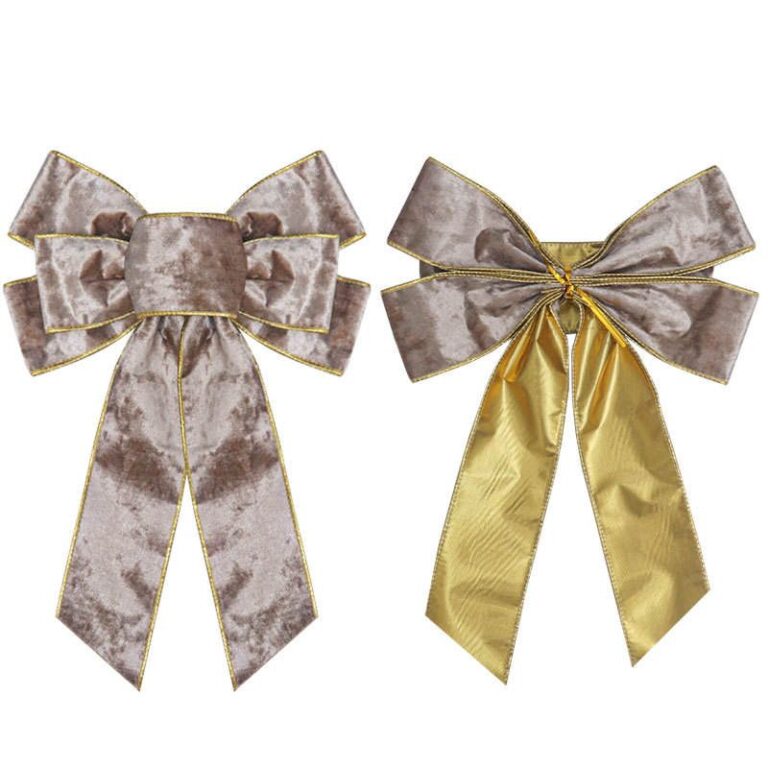 Pre-Tied Bows for Retail Packaging: When They Reduce Labor and Rework
See when pre-tied bows reduce retail packaging labor, improve consistency, and simplify bulk packing, SKU planning, and reorders
Explore guide
Pre-Tied Bows for Retail Packaging: When They Reduce Labor and Rework
See when pre-tied bows reduce retail packaging labor, improve consistency, and simplify bulk packing, SKU planning, and reorders
Explore guide
 Velvet Ribbon Wholesale Checklist: MOQ, Finish, and Supplier Questions
Evaluate velvet ribbon wholesale options: MOQ, setup fees, unit cost, and packing. Narrow the list before requesting samples…
Explore guide
Velvet Ribbon Wholesale Checklist: MOQ, Finish, and Supplier Questions
Evaluate velvet ribbon wholesale options: MOQ, setup fees, unit cost, and packing. Narrow the list before requesting samples…
Explore guide
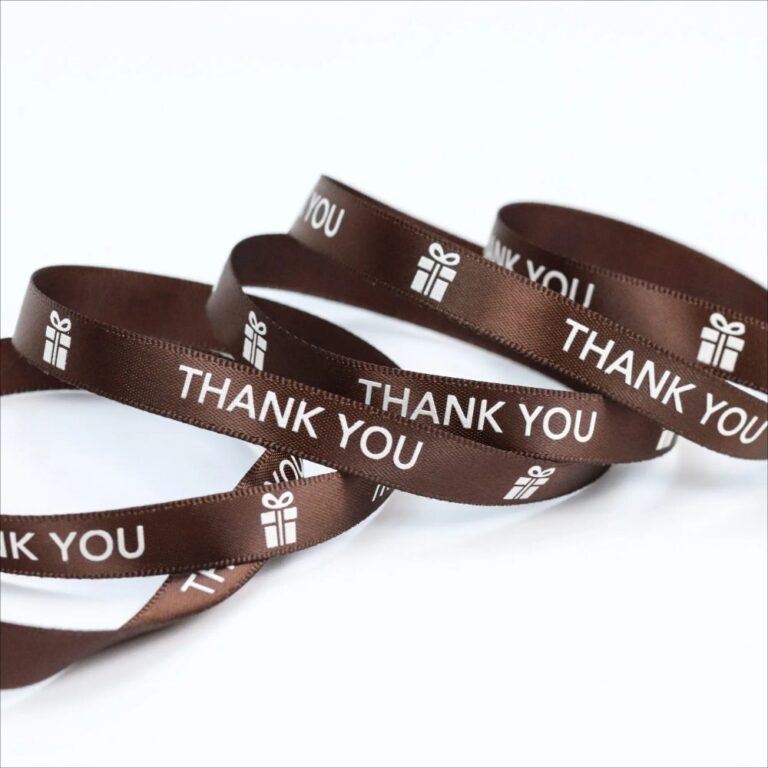 Wholesale Custom Ribbon with Logo: Specs, Roll Length, and RFQ Checks
Step-by-step: Custom Ribbon With Logo. Check artwork files, print method, color target, and sample approval to avoid delays,…
Explore guide
Wholesale Custom Ribbon with Logo: Specs, Roll Length, and RFQ Checks
Step-by-step: Custom Ribbon With Logo. Check artwork files, print method, color target, and sample approval to avoid delays,…
Explore guide
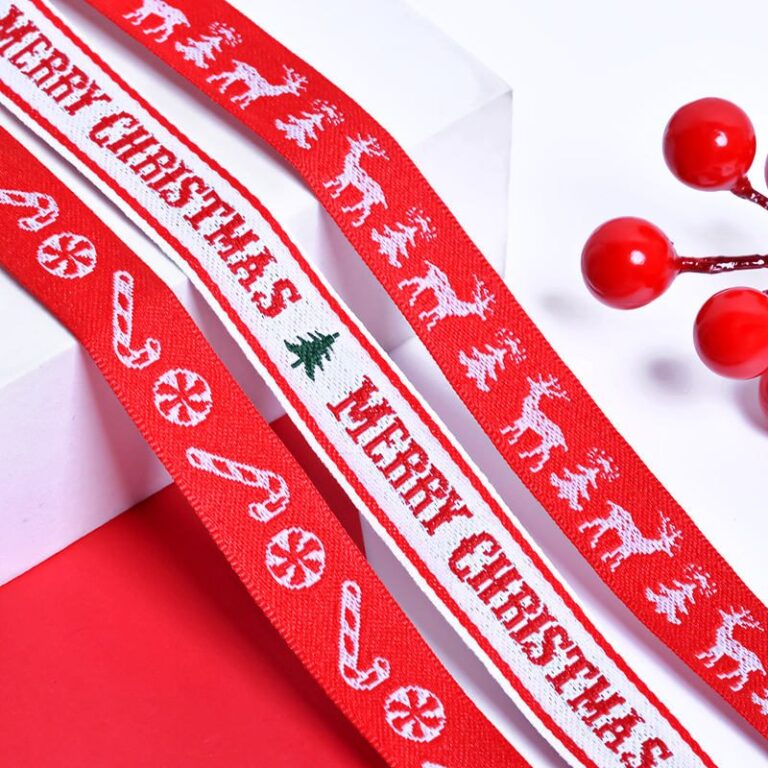 Wholesale Ribbon By The Roll: Roll length and inventory planning
Evaluate Wholesale Ribbon By The Roll options: factory capability, QC proof, lead time, and reorder reliability. Narrow the…
Explore guide
Wholesale Ribbon By The Roll: Roll length and inventory planning
Evaluate Wholesale Ribbon By The Roll options: factory capability, QC proof, lead time, and reorder reliability. Narrow the…
Explore guide
Leave a comment
Share a sourcing question or feedback on this guide. The Lude team reviews submissions before following up.