


Wine Bottle Ribbon: Wine and festive packaging
Evaluate Wine Bottle Ribbon options: artwork files, print method, color target, and sample approval. Narrow the list before requesting samples or quotes
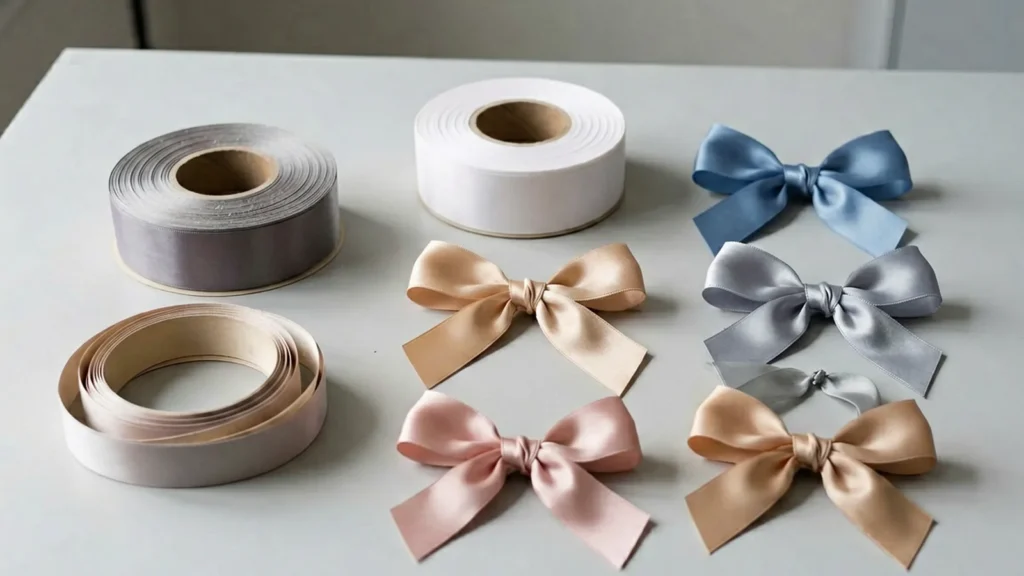
Before you can map product choices to real applications, usage scenarios, buyer constraints, and project outcomes, the specification has to say enough for a supplier to price the same job you have in mind.
Wine bottle ribbon is tied by hand at volume, so how easily it knots matters as much as how it looks.
Direct answer: For wine bottle ribbon, buyers should map product choices to real applications, usage scenarios, buyer constraints, and project outcomes.
Where wine bottle ribbon fits event projects
Send the supplier an actual bottle before asking for a neck-ribbon price. A Bordeaux shoulder and a Burgundy slope take different lengths at the same tie height, and a quote built on the wrong bottle silhouette is off on yardage from the first carton. The bottle decides the spec; the ribbon follows it.
| Application | Fits when | Risk to watch | Confirm before the quote |
|---|---|---|---|
| Winery gift box neck tie | Bottles ship boxed and the ribbon is seen once, at opening | Creases at the knot show on satin faces | Tie height and bottle silhouette, sent as a physical bottle |
| Retail festive bottle dressing | Bottles sit on shelf and handle repeatedly | Loosened knots after customer handling | Knot method and whether bows arrive pre-formed |
| Corporate and event gifting | One-off volumes with a fixed date | Color approval eating the production window | Artwork and shade sign-off dates, counted separately |
| Export and duty-free packs | Long transit and warehouse storage | Shade drift between reorders | One approved swatch held by both sides |
Two of these four are decided by handling rather than looks. Shelf dressing and export packs put the ribbon through hands and humidity, so pick the construction for the trip it takes, not for the photograph.
Material, finish, and format decisions
Satin, grosgrain, velvet, organza, and metallic each behave differently at a knot, and the knot is where wine packaging ribbon fails. The finish that photographs best is often the one that shows the most stress at the tie point.
| Warning sign | Why it matters | How to check it | If it goes unaddressed |
|---|---|---|---|
| A price arrives before any width question | Yardage per bottle depends on width and tie height | Resend the spec and ask for the price against those two figures | The first invoice differs from the quote |
| The sample is untied and flat | Knot behavior is the failure mode, not surface appearance | Ask for a sample already tied on a bottle | Whitening or creasing appears only after production |
| Foil or metallic offered without a knot sample | Coated faces can craze where they fold | Request a tied sample in the exact finish | Rejects at incoming inspection |
| Delivery promised inside the stated production window | Standard production is 15 to 20 business days after approval | Ask what is being held in stock to make that date | Approval steps get compressed and quality slips |
For anything with a coated or foiled face, including metallic ribbon, judge the sample after it has been tied and untied once. A supplier whose sample room ties before it signs off will say so without being asked, because a flat swatch hides the only defect that matters here.
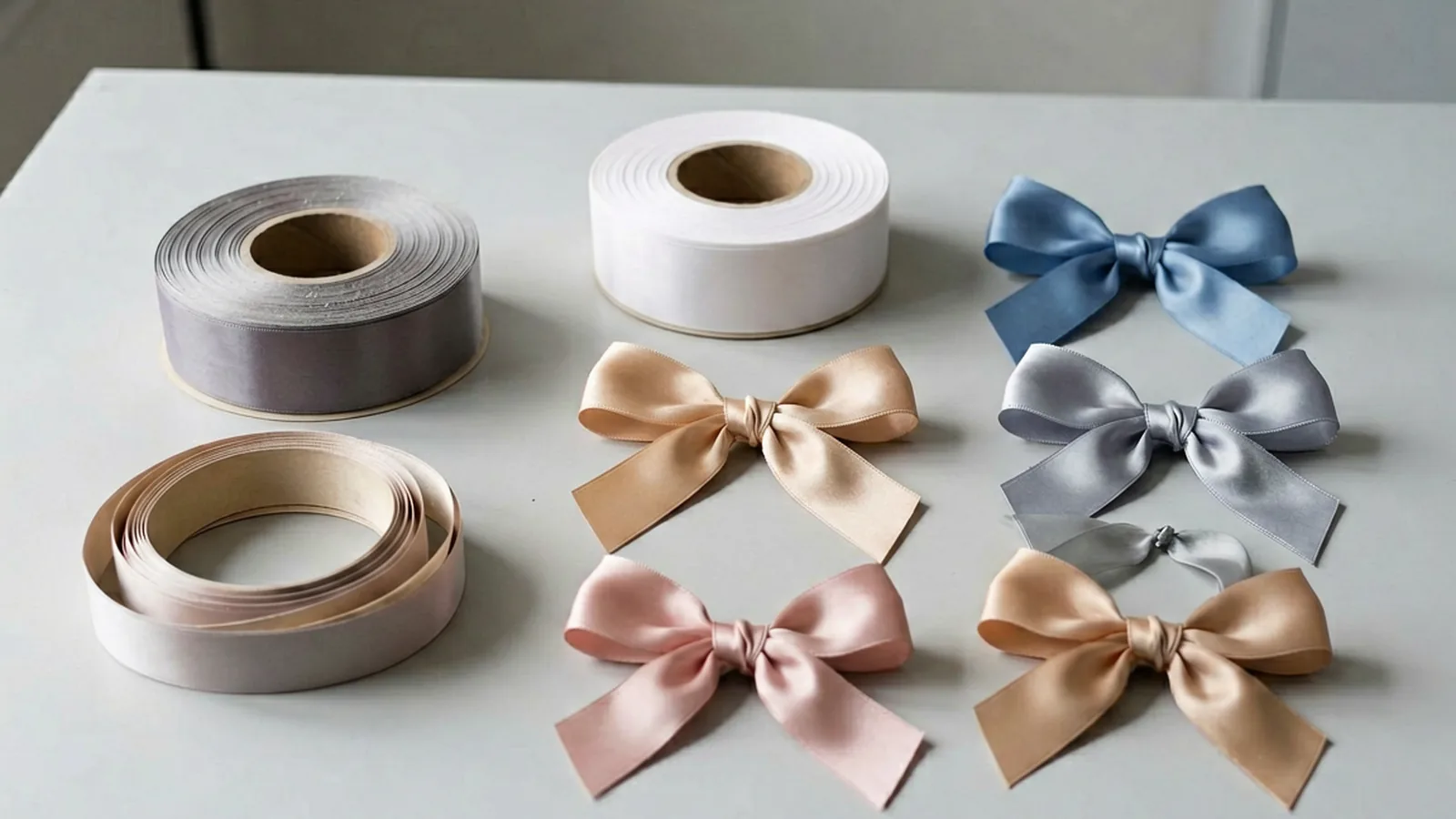
Application and display requirements
Three routes get ribbon onto a bottle, and they carry different labor, tooling, and consistency profiles. Pick the route first; the ribbon spec follows from it.
| Route | Best fit | Trade-off | How to verify it works |
|---|---|---|---|
| Pre-formed bows applied on the line | High volume, fixed bow size | Shape recovery after boxing decides the look | Ask for bows that have sat boxed for several days |
| Cut lengths tied by hand | Short runs, premium presentation, mixed bottles | Labor cost and knot-to-knot variation | Have three people tie the same length and compare |
| Machine knotting on the packing line | Repeat programs on one bottle shape | Needs steady width and edge quality to feed | Run a feed trial with the actual production roll |
Machine knotting is the route that punishes an inconsistent roll: edge variation that a hand-tied job absorbs will stop a feeder. If a program is heading that way, say so at the quote stage rather than after tooling. Development work of that kind runs through OEM and ODM ribbon development, where the feed trial sits inside the sampling step.
MOQ, lead time, and sample planning
Minimums follow the material route, not the bottle count. Working out which route a wine program sits on settles most of the quantity question before a supplier answers.
- Stock shades and widths. Plain stock ribbon starts at 1,500 yards from existing colors and widths. This is the fastest route when a house color is close enough to an inventory shade.
- Custom color or width. Confirmed by quote request rather than a fixed figure, because the dye program and construction drive it. Bring the color standard to that conversation.
- Printed ribbon. Printed ribbon starts at 3,000 yards per design, so a range of four label variants is four programs, not one.
- Formed pieces. Ready-made bows and award ribbons start at 1,000 pieces, counted per style and color.
Standard production runs 15 to 20 business days once specifications are approved. Sample courier time, artwork sign-off, and your own review window sit outside that range. A buyer planning to a launch date should book those separately, or the production window absorbs the delay. Programs built around wine and festive seasons are best scoped through wine and festive ribbon solutions, where the seasonal date drives the schedule backward.
Buyer checklist before RFQ
The checks below are the ones worth writing into the approval record, because each has a defined result rather than an opinion. Run them on the sample you intend to approve, not on an earlier swatch.
- Knot appearance after tying and untying. Tie the sample on the production bottle, release it, and look at the fold line. Whitening or a permanent crease at that point is a rejection reason, and it is worth naming as one in writing before bulk starts.
- Color against the approved standard, under store light. Compare the ribbon to the signed swatch under the lighting the bottle will sit in. Shade decisions made under a desk lamp travel badly to a retail shelf.
- Edge condition after handling. Run a cut length through hands several times and check for fraying at the cut. Sealed and cold-cut edges behave differently, and the sample should show which one you are buying.
- Print or foil adhesion at the fold. Where artwork crosses a knot, check the ink or foil at the crease rather than on the flat face. This is where a printed wine ribbon shows wear first.
- Reorder reference. Keep the approved piece with its batch marking on file. Without it, a second run has nothing to be measured against, and shade disputes have no settling point.
Each item above has a proof the supplier can return: a tied sample, a light-box comparison, a handled cut length, a creased artwork sample, and a marked retain. Ask for them as a set at the sampling stage rather than one at a time.
Source check: ISO 2859-1 sampling inspection standard.
In conclusion
The decision this article leaves you with is a route, not a product code: which application the bottle actually sits in, and therefore which construction, minimum, and approval sequence apply. Once that is settled, the quote request writes itself and the supplier has something firm to price.
Take the bottle, the tie height, the finish, and the application route to the supplier together, and confirm the artwork version at the same time. Where a house color or logo is involved, the conversation moves to custom printed ribbon, which carries its own artwork approval step ahead of production and its own per-design threshold.
Ask for one tied sample on the production bottle before anything is released, and inspect the fold line where the knot sits. Approve it in writing, keep the retained piece with its batch marking, and the second order has a reference to check against rather than a memory to argue with. The risk of skipping that step is a reorder dispute with no physical proof to settle it.
Wine bottle ribbon FAQ
What should buyers confirm before ordering Wine Bottle Ribbon?
Confirm the bottle silhouette and tie height, the ribbon width and construction, the finish, and how the ribbon is applied on the line. Send a real bottle with the specification. Length per bottle is calculated from the bottle, and a quote built without it will not survive the first production run.
How should buyers compare MOQ, lead time, and quote terms?
Compare them by material route rather than as one number. Printed ribbon, for example, starts at 3,000 yards per design, while stock shades and formed pieces carry separate thresholds of their own. Production then runs 15 to 20 business days after approval, with artwork and color sign-off counted outside that window.
What sample, quality, or supplier checks reduce risk?
Judge the sample tied, not flat. Tie it on the production bottle, release it, and inspect the fold line for whitening or a set crease. Then compare the color to the signed standard under store lighting, and keep the approved piece with its batch marking for the reorder.
RFQ handoff: Send Specs for Review.
Keep exploring
Recommended buyer guides
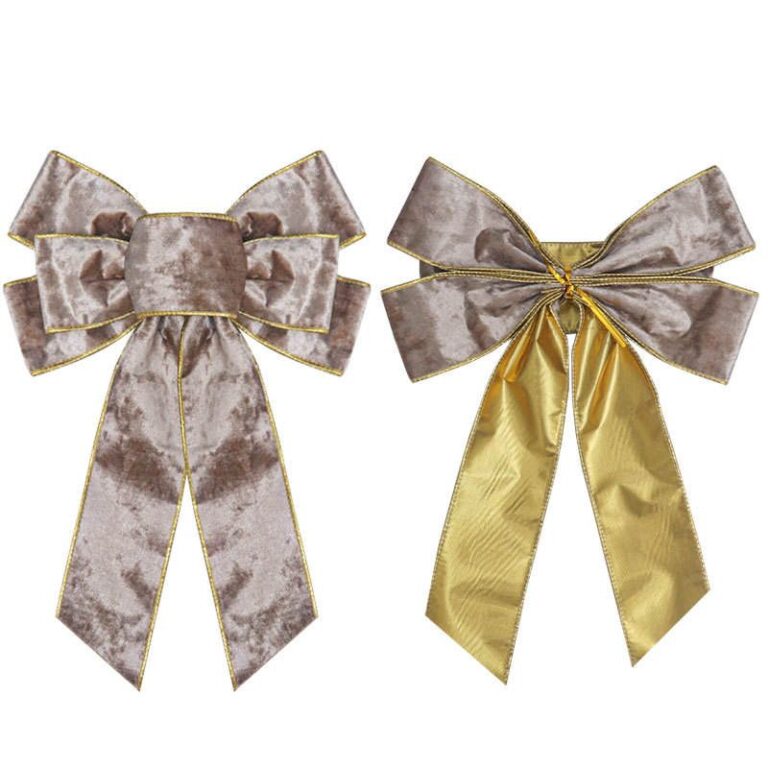 Pre-Tied Bows for Retail Packaging: When They Reduce Labor and Rework
See when pre-tied bows reduce retail packaging labor, improve consistency, and simplify bulk packing, SKU planning, and reorders
Explore guide
Pre-Tied Bows for Retail Packaging: When They Reduce Labor and Rework
See when pre-tied bows reduce retail packaging labor, improve consistency, and simplify bulk packing, SKU planning, and reorders
Explore guide
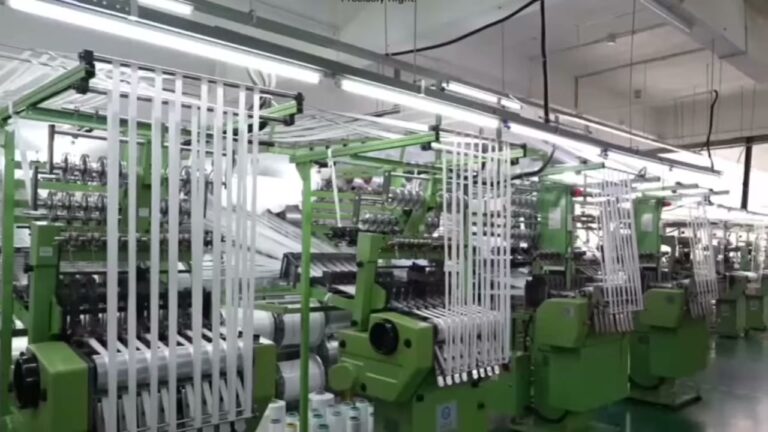 Velvet Ribbon Wholesale Checklist: MOQ, Finish, and Supplier Questions
Evaluate velvet ribbon wholesale options: MOQ, setup fees, unit cost, and packing. Narrow the list before requesting samples…
Explore guide
Velvet Ribbon Wholesale Checklist: MOQ, Finish, and Supplier Questions
Evaluate velvet ribbon wholesale options: MOQ, setup fees, unit cost, and packing. Narrow the list before requesting samples…
Explore guide
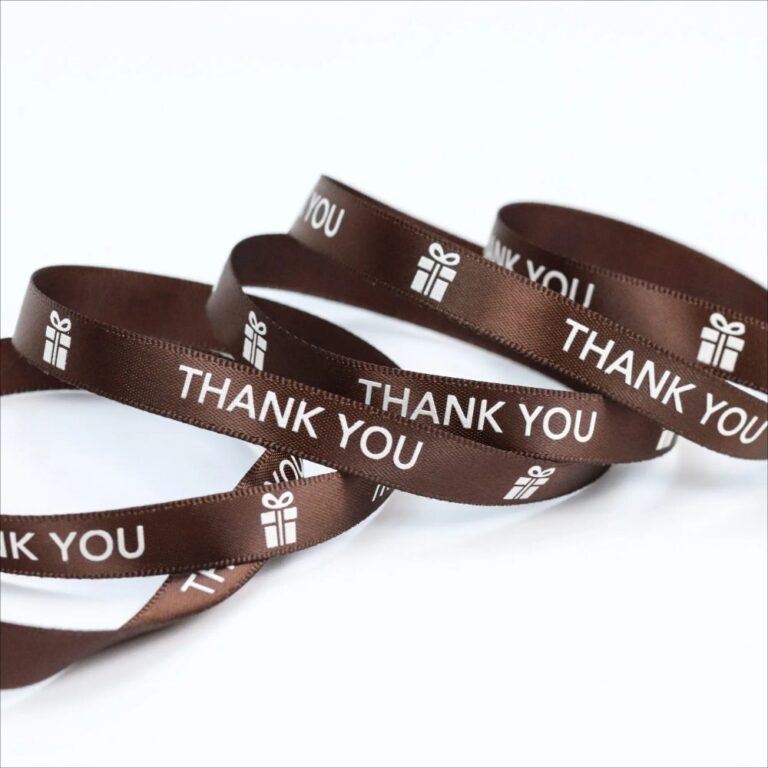 Wholesale Custom Ribbon with Logo: Specs, Roll Length, and RFQ Checks
Step-by-step: Custom Ribbon With Logo. Check artwork files, print method, color target, and sample approval to avoid delays,…
Explore guide
Wholesale Custom Ribbon with Logo: Specs, Roll Length, and RFQ Checks
Step-by-step: Custom Ribbon With Logo. Check artwork files, print method, color target, and sample approval to avoid delays,…
Explore guide
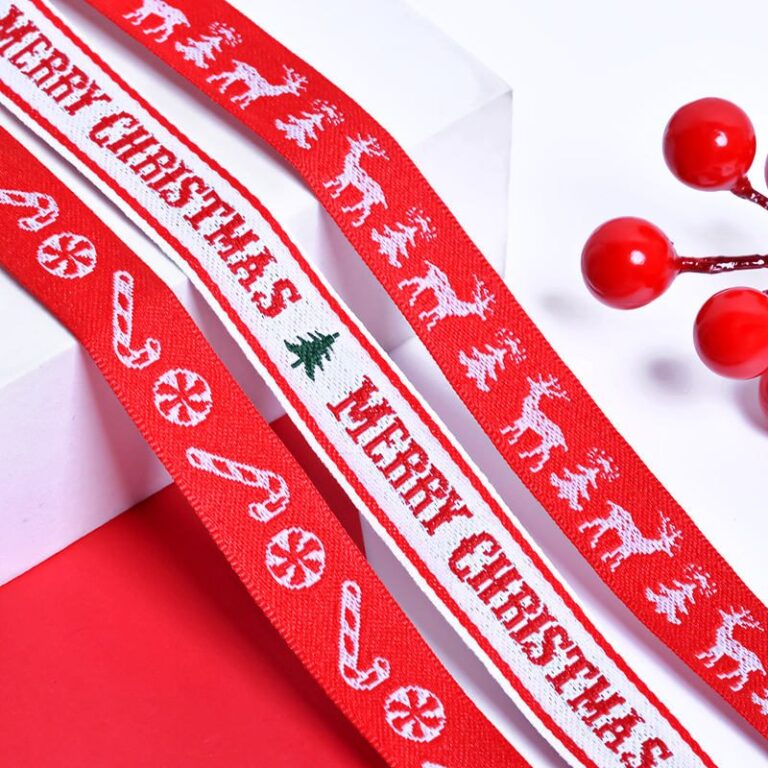 Wholesale Ribbon By The Roll: Roll length and inventory planning
Evaluate Wholesale Ribbon By The Roll options: factory capability, QC proof, lead time, and reorder reliability. Narrow the…
Explore guide
Wholesale Ribbon By The Roll: Roll length and inventory planning
Evaluate Wholesale Ribbon By The Roll options: factory capability, QC proof, lead time, and reorder reliability. Narrow the…
Explore guide
Leave a comment
Share a sourcing question or feedback on this guide. The Lude team reviews submissions before following up.