


Wholesale Ribbon Bows: Supplier Checklist for Packaging Buyers
Which wholesale ribbon bow suppliers deserve an RFQ? Compare factory capability, QC proof, lead time, and reorder reliability to find the right production
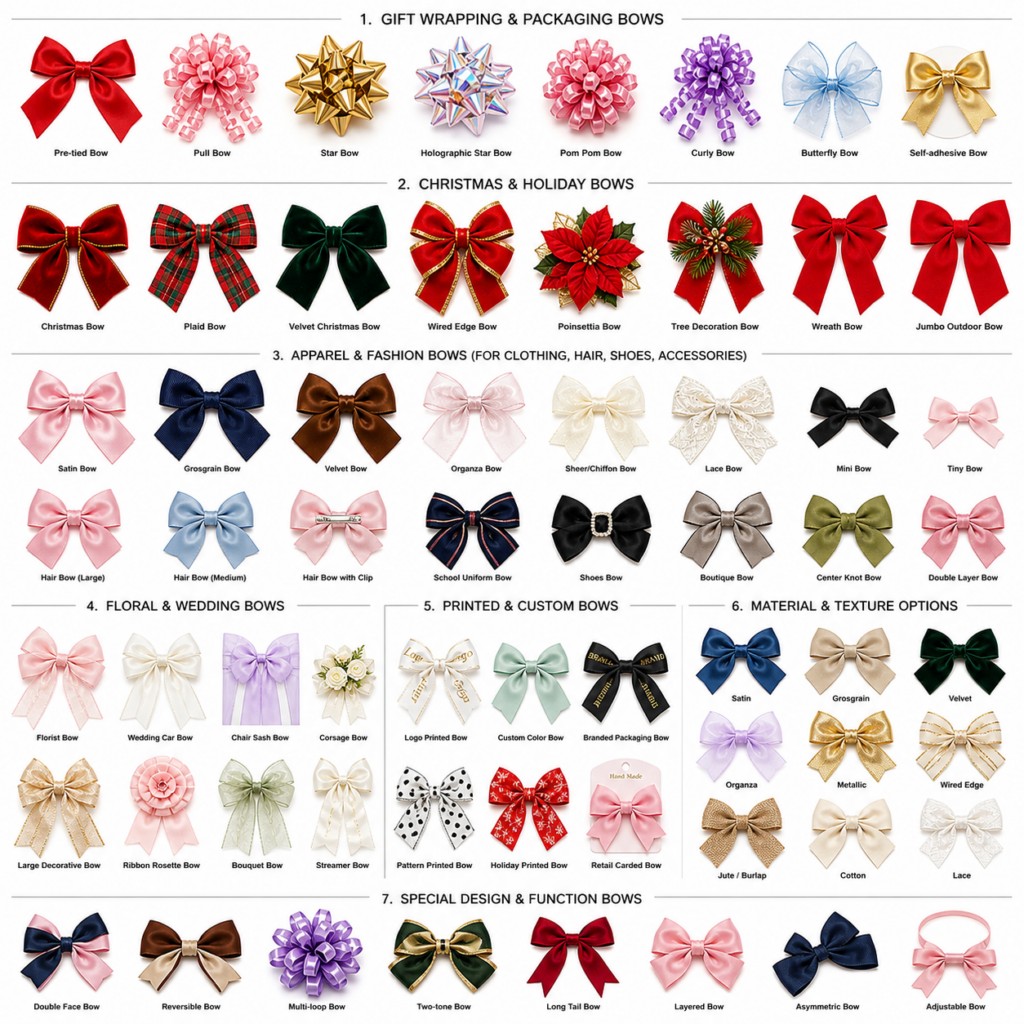
Wholesale ribbon bows need a written specification before the buyer can shortlist Wholesale Ribbon Bows suppliers using proof, capability, quality, MOQ, and delivery criteria; otherwise suppliers may quote different product and approval assumptions.
This guide connects wholesale ribbon bows to parameters, cost impact, supplier risk, factory process, and procurement advice.
Direct answer: For wholesale ribbon bows, compare matched samples, documented production capability, quality records, quantity rules, and delivery assumptions on the same basis.
What buyers should compare when sourcing wholesale ribbon bows
- Supplier capability: Request a factory process map showing ribbon weaving, cutting, bow assembly, and packing lines. Supplier provides a documented process flow with QC checkpoints at each stage. Supplier only describes capabilities in general terms without process documentation. Shortlist only suppliers that share a process map with your RFQ.
- MOQ or order quantity: Compare MOQ per bow style, color, and material against your program volume. Supplier states the minimum for each style and color and explains whether repeat orders use the same threshold. Supplier quotes a single high minimum order without flexibility for color or design variants. Confirm minimum order per variant in writing before sample approval.
- Quality control: Verify the QC plan includes in-line inspection during bow assembly and final AQL sampling. Supplier references ISO 2859-1 sampling and provides defect limits per batch. Supplier has no documented QC plan or relies solely on final visual check. Request a QC checklist and a redacted sample inspection report before approval.
- Verification method: Require pre-production samples for bow dimensions, ribbon tension, and adhesive strength. Supplier sends samples with a signed approval sheet and retains reference samples. Supplier ships bulk without written sample sign-off or retains no reference. Approve samples in writing and keep a sealed reference sample for bulk comparison.
- Approval process: Check the supplier's artwork and color approval process for custom printed ribbon bows. Supplier uses a digital proof and physical strike-off before production. Supplier approves via email only without a formal sign-off document. Require a signed approval form for artwork, color, and bow construction before production.
Factory capability evidence to request
A factory process map shows where ribbon is woven, cut, assembled into bows, and packed. Each step should have a QC checkpoint. Without this map, you cannot verify the supplier controls quality at the right stages. Ask for it with your RFQ and compare it across shortlisted suppliers.
MOQ, sampling, lead-time, and reorder terms to compare
minimum order varies by bow style, color, and material. A supplier that offers tiered MOQs per variant shows flexibility for program growth. Confirm lead time after sample approval and ask about reorder terms. Missing these details in the quote often leads to surprise minimums or delays on repeat orders.
Communication, packing, and export-readiness signals
Check how the supplier handles artwork proofs, color approvals, and packing specifications. A supplier that provides a formal sign-off sheet for each step reduces approval risk. Confirm export packing meets your shipping method. Poor communication on these points often causes rework or damaged goods in transit.
Use the evidence for what buyers should compare when sourcing wholesale ribbon bows to compare the supplier record with ISO 2859-1 sampling inspection standard before accepting the requirement.
Product and specification checks before shortlisting
- What is the supplier's minimum order quantity for pre-tied bow orders? minimum order affects order feasibility and inventory risk, ensuring alignment with your demand. Supplier confirms minimum order per style or color, typically one thousand pieces for ready-made bows. Ordering below minimum order can cause delays, higher costs, or order rejection. Verify minimum order during quote request and confirm it aligns with your planned purchase volume.
- How does the supplier verify material specifications like ribbon fiber, width, and finish? Material specs impact product appearance and durability; mismatches cause rework or returns. Supplier provides detailed specs and samples showing fiber type, width tolerance, and finish. Inaccurate specs lead to off-quality bows that fail customer expectations or compliance. Request detailed material specs and physical samples before finalizing the order.
- What quality control processes are in place for bow-making, printing, and packing? QC ensures consistent product quality and reduces defects in bulk ribbon bow shipments. Supplier runs inspections at sample room, printing stage, and packing with documented checks. Poor QC causes defective bows, shipment delays, and increased return costs. Require documented QC procedures and inspection reports before bulk production.
- What proof or sample does the supplier provide before bulk production approval? Samples confirm the product meets specifications and reduce approval risk. Supplier supplies physical samples or pre-pre-tied bows for buyer approval within lead time. Skipping sample approval risks receiving incorrect colors, sizes, or finishes. Approve samples or pre-tied bows in writing before authorizing mass production.
- How does the supplier handle production lead time and delivery scheduling for bulk bow shipments? Lead time impacts project timelines and inventory planning; delays disrupt supply chain. Supplier commits to standard production lead time after specs confirmation, typically fifteen to twenty business days. Unclear lead times cause late deliveries and missed market opportunities. Confirm production and shipping schedules during quote request and monitor progress regularly.
Material, width, color, finish, and customization range
Check that the supplier offers the full range of ribbon materials, widths, and colors needed. Confirm finish options and customization capabilities, including custom color matching and fiber types. This prevents surprises and ensures the bows meet your product requirements precisely.
Printing, bow-making, packing, and inspection capability
Assess supplier’s printing and bow-making processes for program fit. Lude Ribbon supports OEM/ODM, custom printing, and packaging with clear minimum order and lead times. Inspection occurs at sample room, production, and packing stages to catch defects. Confirm these capabilities before shortlisting to reduce approval risk and rework.
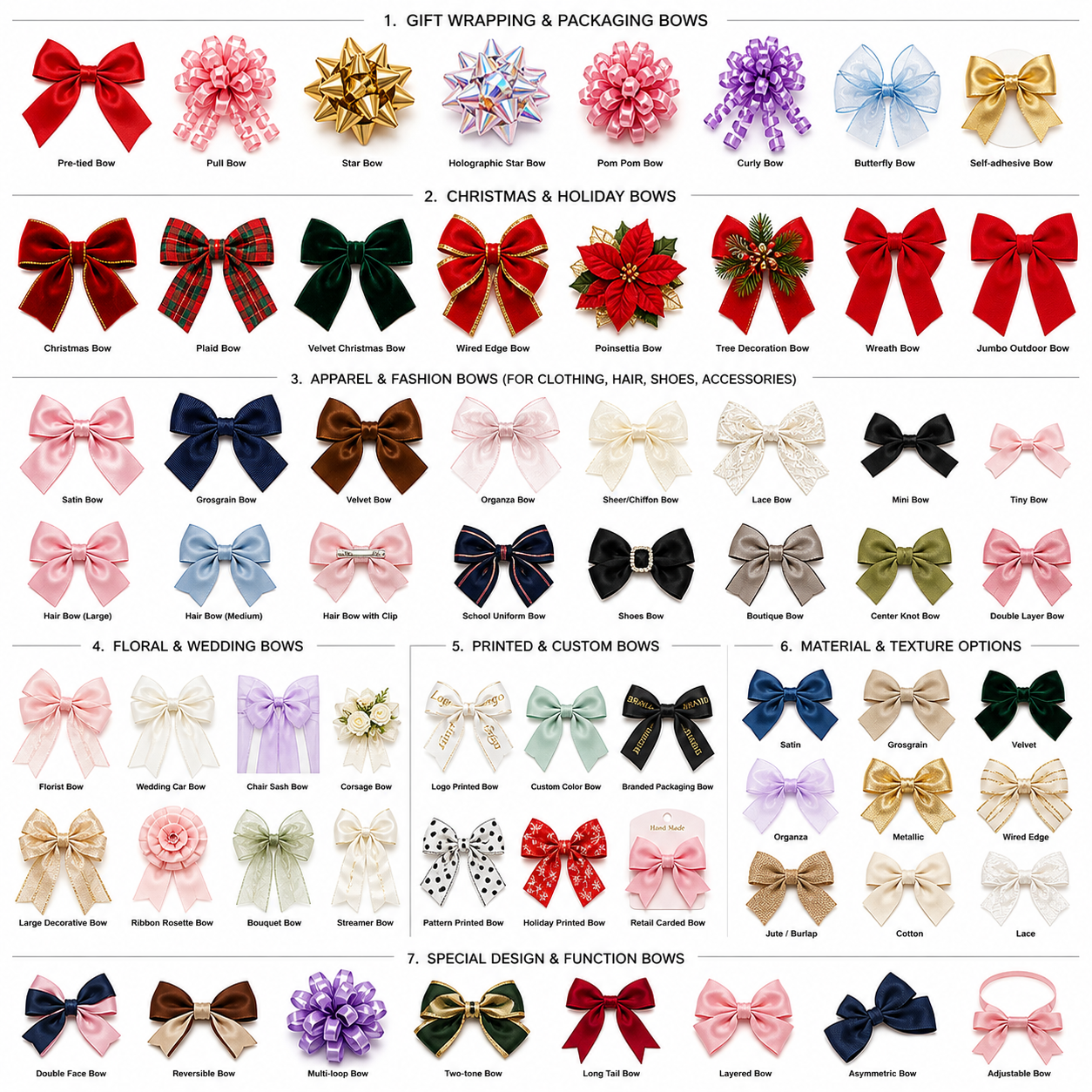
MOQ, cost, sample, and lead-time questions
| Criteria | Baseline option | Confirmed option | Buyer meaning | Risk to avoid | Follow-up |
|---|---|---|---|---|---|
| Specification details including material, width, and printing method | Standard stock ribbons from existing inventory with fixed widths and colors | Custom ribbons with tailored widths, colors, and OEM and ODM ribbon development options | Clarifies what product specs are included and if custom options are available | Ignoring specs leads to mismatched products or unapproved materials | Verify detailed specs and request OEM and ODM ribbon development confirmation in RFQ |
| Cost driver factors such as material type, printing complexity, and order quantity | Lower cost for plain stock ribbons with minimum order thresholds | Higher cost for custom printed ribbons requiring larger minimum quantities and setup | Identifies which elements influence price and how MOQ affects unit cost | Underestimating cost drivers causes unexpected expenses or delayed budgets | Document cost impact of custom features and confirm MOQ to avoid hidden charges |
| Quality control process including sampling, inspection, and batch consistency | Samples provided within a week for stock ribbons; quality checks on bulk production | Extended sampling and artwork approval stages for custom printed ribbons before production | Ensures product meets quality expectations before full order commitment | Skipping QC steps risks receiving defective or off-spec ribbons | Approve samples and request documented QC procedures before bulk order |
| Approval risk related to artwork, color matching, and sample validation | Simpler approval for stock ribbons with preset colors and no custom artwork | Higher approval risk for custom ribbons requiring color-match samples and artwork proofs | Highlights potential delays or rework from color or artwork mismatches | Approval gaps cause costly reworks and shipment delays | Request color-match samples and sign off artwork proofs before production start |
| MOQ or order quantity requirements per product type | Minimum order of plain stock ribbons is set at fifteen hundred yards per color and width | Custom printed ribbons require minimum three thousand yards per design; bows require one thousand pieces | Defines minimum purchase sizes to plan budgets and inventory | Ordering below MOQ causes quote rejection or higher unit prices | Check MOQ rules in RFQ and confirm order quantities meet supplier thresholds |
| Lead time from specification confirmation to delivery | Standard bulk production lead time is fifteen to twenty business days after specs are finalized | Custom programs with complex printing or large runs may require longer lead times quoted separately | Estimates production and delivery schedule for planning | Ignoring lead time causes missed deadlines and supply chain disruption | Compare lead times in quotes and add artwork/sample approval time before finalizing order |
For specification details including material, width, and printing method, a poor decision can mean ignoring specs leads to mismatched products or unapproved materials. Request written proof and compare it with the approved sample or specification. Use the result to decide whether this checkpoint can proceed or must stay on hold.
Preserve the specification details including material, width, and printing method decision under one revision number: keep the supplier response, marked sample, approved specification, quotation, and approval owner together. If the evidence conflicts with the approved record, hold the quote, sample, or production release until the deviation is explained in writing. Once the buyer and designated technical authority have accepted the evidence, carry the signed approval record into the purchase order, production handoff, shipment release, and later reorder review so every team works from the same baseline.
How to compare quote assumptions across suppliers
When comparing quotes, verify that minimum order, lead time, and cost drivers are based on aligned specifications. Check if the supplier includes artwork approval, sample costs, and packaging in the quote. Confirm assumptions about ribbon materials, widths, and printing methods to avoid hidden costs or delays. This ensures apples-to-apples comparison and reduces approval risks.
When low unit price creates quality or delay risk
Treat a low unit price as incomplete until the supplier identifies what it includes for artwork setup, sampling, material grade, bow assembly, inspection, packing, and delivery terms. Ask for exclusions and change charges in writing. If the cheaper quote depends on a different specification or an unconfirmed production window, return it for clarification instead of ranking it first.
Quality and communication red flags
- Supplier lacks documented production capacity for pre-tied bow orders. Insufficient capacity causes delays and missed delivery dates, disrupting supply chains. Verify factory machine counts and monthly output records before awarding orders. Request production logs or capacity statements from the supplier's Xiamen facility. Shortlist suppliers with confirmed capacity and document evidence to avoid supply risk.
- Quality control processes are not standardized or documented for ribbon bows. Inconsistent quality leads to defective products, customer returns, and brand damage. Require inspection protocols and QC checklists specific to gift and retail packaging ribbon solutions. Obtain sample inspection reports and QC notes from recent production batches. Approve only suppliers with verifiable QC systems and documented defect thresholds.
- Approval risk from unclear sample and color confirmation steps. Misalignment on color or material causes rework, increased costs, and delayed launches. Establish a clear sample approval workflow including physical and color-match proofs. Demand color tolerance certificates and signed sample approval forms before bulk runs. Verify sample approvals are recorded and confirmed prior to production start.
- Verification methods rely solely on verbal confirmations without written proof. Verbal agreements increase risk of misunderstandings and contractual disputes. Insist on documented confirmations for all specifications, minimum order, and delivery terms. Collect signed quote request documents and written sample approval confirmations. Require written evidence for all key procurement parameters before order placement.
- Buyer follow-up lacks structured checkpoints for minimum order and lead time adherence. Failure to monitor minimum order and lead times causes stockouts or excess inventory. Implement scheduled follow-ups aligned with production milestones and minimum order thresholds. Request production schedules and delivery confirmations tied to minimum order compliance. Track minimum order fulfillment and lead time milestones to ensure order accuracy and timing.
Artwork, color, and sample approval gaps
Artwork and color approval gaps often cause costly reworks in the order. Buyers must verify exact color matches and artwork proofs before bulk runs. Confirming sample receipt with detailed QC notes prevents surprises. This step is critical to align expectations and avoid delays in gift and retail packaging ribbon solutions.
Packing, labeling, and repeat-order control risks
Request a packing drawing or marked sample showing piece orientation, inner quantity, label content, carton protection, and any barcode requirement. Link that record to the approved bow and artwork version. A supplier that cannot retain these references may repeat the product but change the presentation, so hold the order until the packing and reorder controls are documented.
How to move from shortlist to RFQ
For the bow program, build the quote request around the inputs below. Match every listed buyer input to written supplier confirmation, approval evidence, and the risk that would hold the quote.
- Confirm detailed ribbon specifications including fiber type, width, color, and finish: Precise specs ensure the quote matches product needs and prevent costly reworks or delays Specify cotton fiber content, exact width in millimeters, and Pantone color codes Ambiguity causes mismatched orders, production errors, and increased lead times Request supplier confirmation of specs in writing before sample or bulk approval
- Verify minimum order quantities per style or color based on Lude Ribbon’s minimum order policy: minimum order impacts pricing, production scheduling, and inventory commitments Ready-made bows require a minimum order of one thousand pieces per style or color Ordering below minimum order leads to quote rejection or unexpected cost surcharges Include minimum order checks in quote request and confirm acceptance before finalizing order
- Confirm lead times for bulk production including specification sign-off and shipping: Accurate lead times prevent delivery delays and support project timeline planning Bulk runs typically require fifteen to twenty business days after specs are approved Underestimating lead time causes missed launch dates and supply chain disruptions Obtain written lead time commitments in the quote request response and track progress
- Identify key cost drivers such as material type, custom printing, and packaging requirements: Understanding cost factors allows better budget control and supplier comparison Custom Pantone-dyed satin ribbons start at higher minimum order and affect unit price Hidden cost elements cause budget overruns and complicate supplier negotiations Request detailed cost breakdowns tied to specifications and order quantities
- Plan buyer follow-up steps including sample approval and quote request confirmation attachments: Structured follow-up reduces miscommunication and confirms supplier alignment Require supplier to attach signed quote request confirmation and sample approval documents Lack of documented confirmation increases risk of order errors and disputes Set internal deadlines for sample review and require documented supplier approvals
Quote-ready inputs to send
Before requesting quotes, gather all critical details: exact ribbon materials, widths, colors, and packaging preferences. Include clear minimum order quantities and expected delivery timelines. This ensures suppliers provide accurate pricing and production plans. Confirming these inputs upfront reduces back-and-forth, avoids costly misunderstandings, and streamlines the transition from shortlist to formal quote request.
Sample checks before deposit or bulk approval
Review bow dimensions, loop balance, tail length, tie security, ribbon finish, print registration, colour, and packing against the signed specification. Record deviations on the sample rather than approving through an unstructured message. Release the deposit or bulk run only after the supplier returns the marked approval record and confirms which sample will govern production inspection.
In conclusion
For wholesale ribbon bows, the next procurement action is a written quote request and sample approval record, not only a preferred style or unit price. Confirm the specification, minimum order assumption, artwork version, supplier capability, sample approval method, QC checkpoint, approval risk, and quote follow-up before bulk production.
For wholesale ribbon bows, record each change to material, construction, branding, finish, packing, or supplier evidence in the quote request revision; then obtain a matching sample approval before production release.
Ribbon bows FAQ
What should buyers confirm before ordering pre-tied bow orders?
Buyers should confirm detailed ribbon bow specifications including material type, size, and color before ordering. It is essential to verify cost, minimum order thresholds—such as 1,000 pieces for ready-made bows—and lead times, typically 15-20 business days after specification confirmation.
Additionally, assessing supplier reliability through factory audits and quality control processes helps mitigate risk. Confirming sample quality and approving artwork prior to bulk production ensures alignment with expectations.
How should buyers compare MOQ, lead time, and quote terms?
When comparing minimum order, lead time, and quote terms, buyers should check that minimum order aligns with product categories—like 1,000 pieces for bows or 1,500 yards for stock ribbons—and confirm lead times stated, generally 15-20 business days post-specification approval.
Compare quotes on equivalent bases, including packing and delivery terms, and ask the supplier to identify any rush-production surcharge or capacity constraint. Documenting these details in the quote request supports clear supplier comparisons.
What sample, quality, or supplier checks reduce risk?
Risk reduction involves requesting and approving physical samples to verify quality and color accuracy before bulk orders. Buyers should also audit supplier capabilities and quality control procedures to ensure consistent production standards.
Following up on RFQs and sample feedback confirms supplier responsiveness and production readiness, which are critical to minimizing delays and defects in wholesale ribbon bow sourcing.
quote request handoff: Send Specs for Review.
Keep exploring
Recommended buyer guides
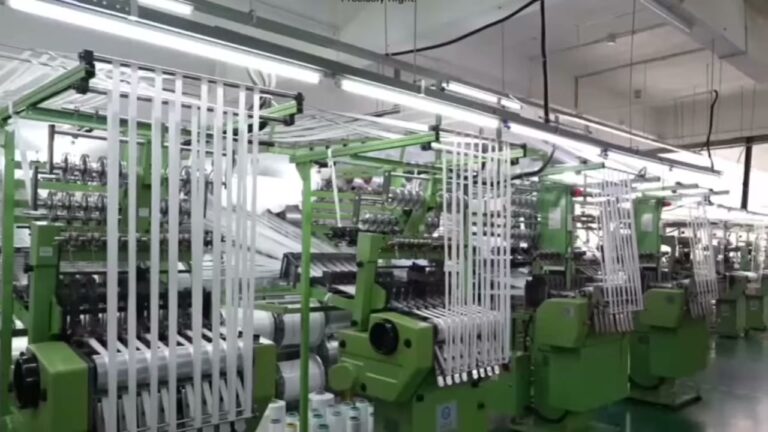 Velvet Ribbon Wholesale Checklist: MOQ, Finish, and Supplier Questions
Evaluate velvet ribbon wholesale options: MOQ, setup fees, unit cost, and packing. Narrow the list before requesting samples…
Explore guide
Velvet Ribbon Wholesale Checklist: MOQ, Finish, and Supplier Questions
Evaluate velvet ribbon wholesale options: MOQ, setup fees, unit cost, and packing. Narrow the list before requesting samples…
Explore guide
 Wholesale Ribbon By The Roll: Roll length and inventory planning
Evaluate Wholesale Ribbon By The Roll options: factory capability, QC proof, lead time, and reorder reliability. Narrow the…
Explore guide
Wholesale Ribbon By The Roll: Roll length and inventory planning
Evaluate Wholesale Ribbon By The Roll options: factory capability, QC proof, lead time, and reorder reliability. Narrow the…
Explore guide
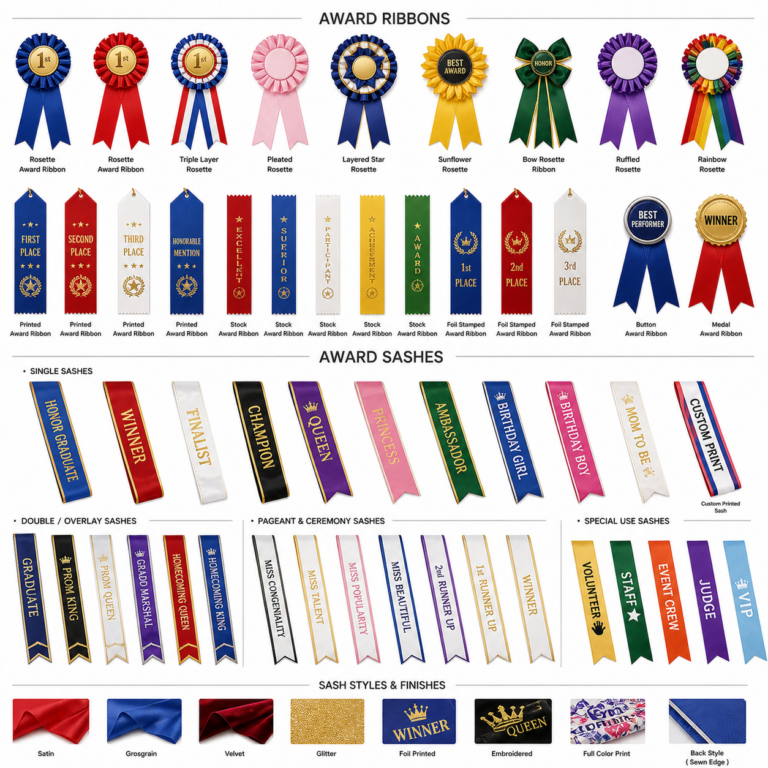 Award Ribbons Wholesale: Bulk award ribbon supplier checks
Shortlist Award Ribbons Wholesale suppliers by factory capability, QC proof, lead time, and reorder reliability. See which options…
Explore guide
Award Ribbons Wholesale: Bulk award ribbon supplier checks
Shortlist Award Ribbons Wholesale suppliers by factory capability, QC proof, lead time, and reorder reliability. See which options…
Explore guide
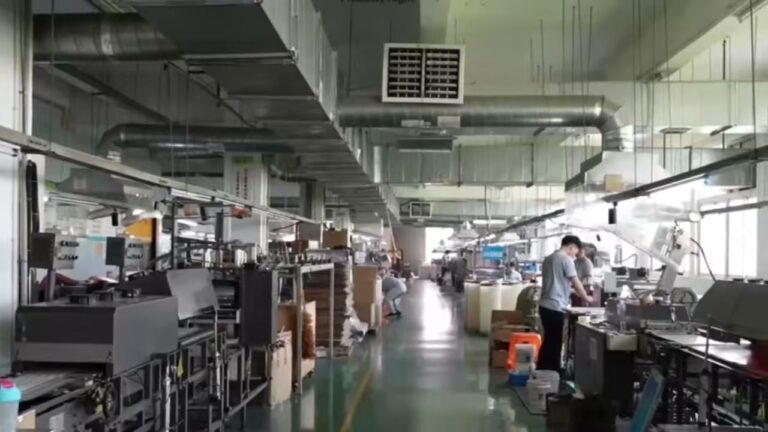 Wholesale Ribbon Manufacturers: Factory vs Trading Company Checklist
Evaluate Wholesale Ribbon Manufacturers options: factory capability, QC proof, lead time, and reorder reliability. Narrow the list before…
Explore guide
Wholesale Ribbon Manufacturers: Factory vs Trading Company Checklist
Evaluate Wholesale Ribbon Manufacturers options: factory capability, QC proof, lead time, and reorder reliability. Narrow the list before…
Explore guide
Leave a comment
Share a sourcing question or feedback on this guide. The Lude team reviews submissions before following up.