


Velvet Ribbon Supplier: Supplier shortlist checklist
Evaluate Velvet Ribbon Supplier options: factory capability, QC proof, lead time, and reorder reliability. Narrow the list before requesting samples
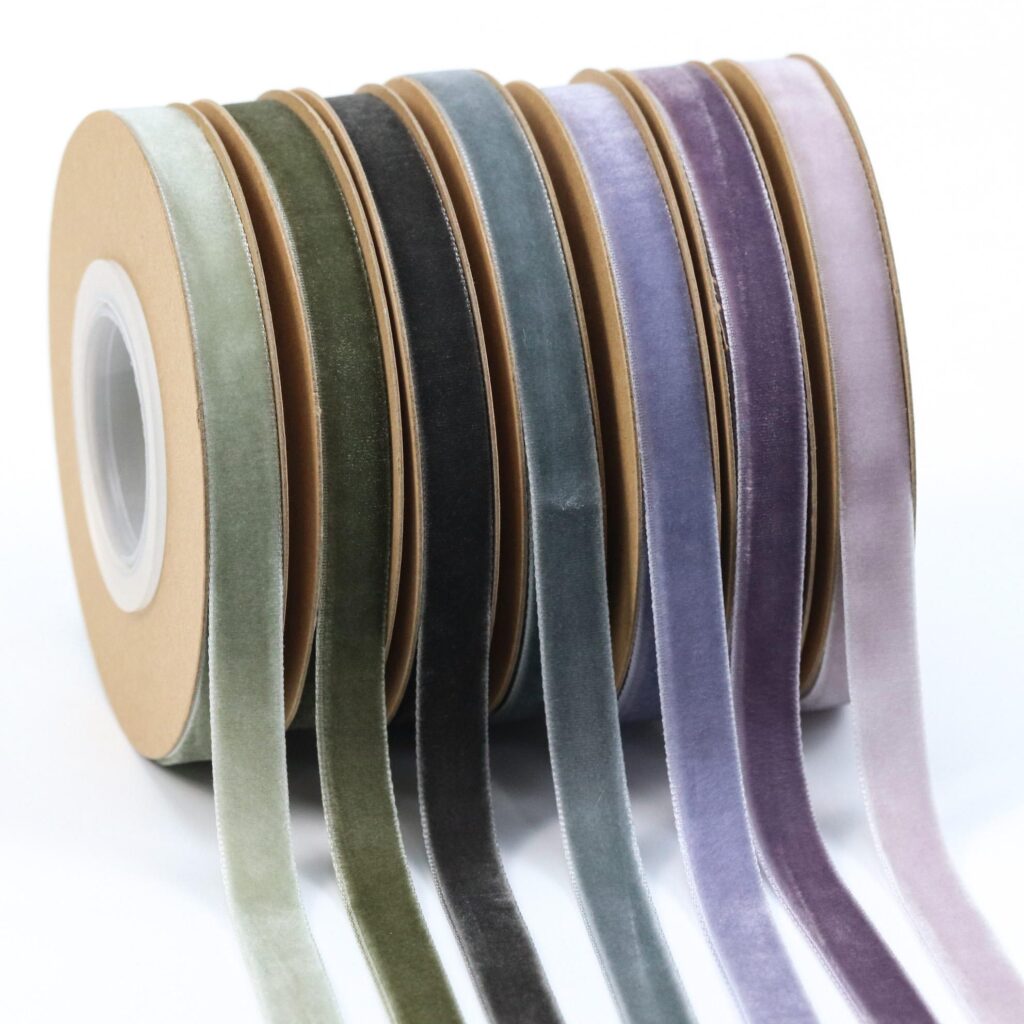
Velvet ribbon supplier needs a written specification before the buyer can shortlist Velvet Ribbon suppliers using proof, capability, quality, MOQ, and delivery criteria; otherwise suppliers may quote different product and approval assumptions.
This guide connects velvet ribbon supplier to parameters, cost impact, supplier risk, factory process, and procurement advice.
Direct answer: For velvet ribbon supplier, compare matched samples, documented production capability, quality records, quantity rules, and delivery assumptions on the same basis.
How buyers should evaluate velvet ribbon supplier
- Supplier capability: Request a factory profile listing loom types, pile height range, and width tolerance capability for velvet ribbon. Supplier provides a written capability sheet with specific machine counts and tolerance ranges. Supplier cannot describe their velvet-specific production equipment or refers only to general ribbon machinery. Shortlist only suppliers who submit a capability sheet before sample request.
- MOQ or order quantity: Confirm MOQ per color and per design for stock velvet versus custom-dyed or printed velvet ribbon. Supplier offers tiered MOQs: lower for stock colors, higher for custom, and states reorder minimums. Supplier quotes a single minimum order for all velvet ribbon types without distinguishing stock from custom. Document minimum order per color and design in the RFQ and verify reorder terms match initial order minimums.
- Quality control: Ask for the sampling plan used for pile height, width tolerance, and edge finish inspection on velvet ribbon. Supplier references AQL sampling levels (e.g., ISO 2859-1) and shows in-process inspection records. Supplier says quality is checked visually only or cannot name a sampling standard. Require a pre-production sample and a copy of the QC checklist for the first bulk run.
- Verification method: Request a pile height measurement report and a width tolerance check from the supplier's sample room. Supplier provides a signed sample approval sheet with measured pile height and width tolerance values. Supplier sends only a visual sample without any measurement data or test method description. Approve sample only after receiving written measurement confirmation for pile height and width.
- Verify the supplier requires written approval on a sample approval form before bulk production starts. Supplier has a formal sample approval process with a sign-off form and holds production until approval is received. Supplier starts bulk production based on verbal approval or email confirmation without a signed form. Insist on a signed sample approval form as a contractual gate before production release.
- Supplier cannot show a dedicated velvet ribbon production line or pile-height control records. Velvet ribbon requires specific looms and pile-height calibration; a general ribbon supplier may deliver uneven texture or inconsistent width. Request a list of velvet-specific machinery and ask for pile-height measurement logs from the last three production runs. Factory capability sheet listing velvet looms and recent pile-height QC records. Shortlist only suppliers that provide this evidence before sample request.
- Supplier refuses to disclose minimum order for custom color or custom width velvet ribbon. Hidden minimum order can cause order delays or force over-ordering; velvet ribbon dye lots are small and costly to match. Ask for minimum order per color and per width in writing; confirm if stock colors have lower minimums. Written minimum order schedule for velvet ribbon by color, width, and program type. Compare minimum order against your order volume; if unclear, request a custom RFQ quote.
- Supplier has no documented sampling or approval process for velvet ribbon. Without a formal sample-approval gate, bulk production may ship with wrong pile height, edge finish, or color shade. Require a pre-production sample and written approval step before bulk run; confirm turnaround time. Sample approval checklist or written procedure from the supplier. Do not approve bulk production until sample is signed off against your specification.
- Supplier cannot provide a color-standard reference (e.g., Pantone or lab dip) for velvet ribbon orders. Velvet absorbs dye differently than flat ribbon; missing a color standard leads to shade mismatches and rework. Insist on a lab dip or physical color swatch approved before production; reject digital-only color matches. Lab dip report or Pantone reference with signed approval from both parties. Hold production until the color standard is physically approved and documented.
- Supplier has no export packing specification or moisture-protection plan for velvet ribbon shipments. Velvet pile can crush or trap moisture during transit, causing permanent damage and returns. Request packing specifications: inner poly bag, rigid core, moisture barrier, and carton stacking limits. Packing specification sheet and photos of previous export shipments. Include packing requirements in the purchase order and inspect first shipment at arrival.
Factory capability evidence to request
Ask the velvet ribbon supplier for a factory capability sheet that lists loom types, pile height range, and width tolerance. A supplier who can document specific machine counts and tolerance ranges shows they understand velvet production. Without this evidence, you risk selecting a general ribbon maker who cannot meet your pile consistency or edge finish requirements.
MOQ, sampling, lead-time, and reorder terms to compare
Compare minimum order for stock velvet colors versus custom-dyed or printed velvet ribbon. A supplier who offers tiered minimums and states reorder terms upfront helps you plan inventory without overcommitting. Confirm lead time after sample approval and ask if reorder minimums match the initial minimum order. This prevents surprise cost increases on repeat orders.
Communication, packing, and export-readiness signals
Evaluate how the supplier handles packing specifications and export documentation. A supplier who provides a packing list with roll weight, inner core size, and carton dimensions is ready for international shipping. Poor communication on packing details often leads to damaged ribbon or customs delays. Confirm they can issue the required export paperwork for your destination.
For the how buyers should evaluate velvet ribbon supplier evidence check, compare the supplier record with ISO 2859-1 sampling inspection standard before accepting the requirement.
Product and specification checks before shortlisting
- Does the supplier provide a written specification sheet for velvet ribbon that includes fibre content, width tolerance, pile height, and color standard? A written spec sheet prevents mismatched expectations on material composition and dimensional accuracy before sampling. The supplier shares a spec sheet listing fibre type, width tolerance within the buyer-approved tolerance, pile height range, and a referenced color standard (e.g., Pantone or lab dip). Without a spec sheet, you may receive ribbon that fails your end-use requirements, causing rework or order rejection. Request the spec sheet and compare it against your product requirements before approving a sample.
- Can the supplier demonstrate experience with OEM and ODM ribbon development for velvet ribbon? OEM and ODM ribbon development experience indicates the supplier can adapt to your custom width, color, finish, or packaging needs without repeated sampling. The supplier provides examples of past OEM/ODM projects, including custom dye lots, edge finishes, and branded packaging. A supplier lacking OEM/ODM experience may struggle with custom specifications, leading to delays or quality issues. Ask for case studies or sample references from similar custom velvet ribbon programs.
- What is the supplier’s process for verifying color consistency across production runs? Velvet ribbon dye lots can vary; a defined color-control process ensures your production matches the approved sample. The supplier uses spectrophotometer readings, lab dip approval, and holds a physical standard for each run. Inconsistent color can ruin a product line or cause returns, especially for branded or seasonal items. Confirm the color-approval step in the quote request and request a sealed sample before bulk production.
- Does the supplier offer in-house inspection or third-party quality checks before shipment? Pre-shipment inspection catches defects in pile, edge finish, or width before the goods leave the factory. The supplier has an internal QC team and can arrange AQL inspection or third-party testing at your request. Without inspection, defective ribbon may arrive, causing production downtime and additional shipping costs. Specify inspection criteria in the purchase order and request a pre-shipment sample or inspection report.
- What is the supplier’s standard lead time for custom velvet ribbon orders, and how do they handle rush requests? Lead time affects your production schedule; a clear timeline helps you plan inventory and avoid stockouts. The supplier states a standard lead time (e.g., 15-20 business days after spec confirmation) and explains rush options. Unclear lead times can disrupt your supply chain, especially for seasonal or promotional programs. Document the agreed lead time in the order acknowledgment and confirm rush feasibility before placing the order.
Material, width, color, finish, and customization range
Before shortlisting, verify the supplier’s standard material composition—velvet ribbon is often polyester or rayon—and their width tolerance. Ask for their color-matching process, including lab dip turnaround. Confirm available finishes like cut-edge or wire-edge. A supplier that documents these parameters reduces sampling rounds and approval risk.
Printing, bow-making, packing, and inspection capability
If your order requires custom printing, bow-making, or specific packing, confirm the supplier’s in-house capability. Ask about print methods (screen, digital, or hot stamp) and bow-making equipment. Verify packing options (roll, spool, or poly bag) and whether they offer pre-shipment inspection. This avoids outsourcing delays and quality gaps.
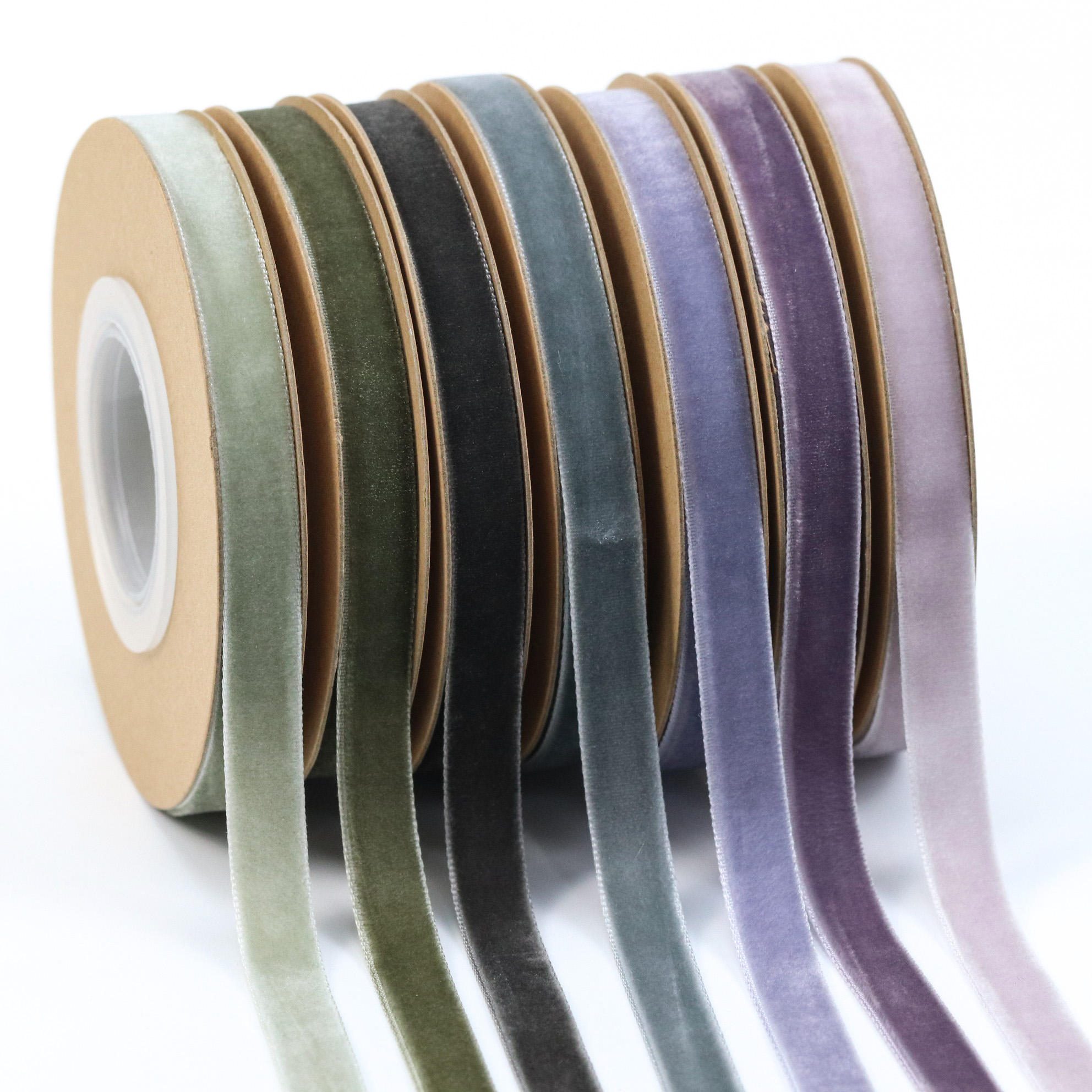
MOQ, cost, sample, and lead-time questions
| Criteria | Baseline option | Confirmed option | Buyer meaning | Risk to avoid | Follow-up |
|---|---|---|---|---|---|
| Specification details | Supplier provides full spec sheet with pile height, width tolerance, and fibre content | Supplier gives only generic description without measurable tolerances | You need exact numbers to compare ribbon quality across quotes | Vague specs lead to mismatched product and reorder delays | Request a written spec sheet before sample approval |
| Cost driver | Price based on material grade, width, and quantity tier | Price based on single flat rate regardless of order size | Understand what drives per-yard cost to negotiate effectively | Flat pricing may hide higher per-unit cost at volume | Ask for a cost breakdown by material and width |
| Quality control | Supplier runs in-line inspection during weaving and finishing | Supplier only inspects finished rolls before shipment | In-process checks catch defects earlier and reduce waste | End-of-line inspection may miss pile or color issues | Confirm QC stage points in the production schedule |
| Approval risk | Supplier requires sample sign-off before bulk production | Supplier starts bulk run without sample confirmation | Sample approval locks the spec and avoids costly rework | No sample approval means you accept whatever is produced | Document sample approval in writing before production |
| MOQ or order quantity | Supplier offers tiered MOQ per product type and custom work | Supplier applies one MOQ across all ribbon types | Tiered MOQ lets you order smaller lots for custom printed ribbon | Flat MOQ may force over-ordering on custom designs | Verify MOQ per design for custom printed ribbon before quoting |
| Lead time | Supplier states lead time after spec and sample approval | Supplier gives a fixed lead time from order date | Lead time starts only when specs are locked, not when order is placed | Fixed lead time may not account for sample revision delays | Confirm lead time starts after sample sign-off |
For specification details, a poor decision can mean vague specs lead to mismatched product and reorder delays. Request written proof and compare it with the approved sample or specification. Use the result to decide whether this checkpoint can proceed or must stay on hold.
How to compare quote assumptions across suppliers
Each supplier builds quotes on different assumptions about material grade, width tolerance, and order volume. Ask for a line-item breakdown that shows how yardage, custom printed ribbon design complexity, and finishing affect the unit price. Without this, you cannot compare apples to apples or spot hidden cost drivers.
When low unit price creates quality or delay risk
A low per-yard price often means thinner pile, looser weave, or skipped in-process inspection. That can cause color variation across dye lots or delayed delivery when rework is needed. Always weigh unit cost against the supplier's QC process and sample approval gate to avoid production surprises.
Quality and communication red flags
- Supplier cannot provide a spectrophotometer reading for the first production sample. No in-house color control equipment or standard operating procedure for shade approval. Request a Delta-E report against your Pantone reference before approving the sample. Document the acceptable Delta-E range in the quote request and require a signed color card with each bulk lot.
- Artwork proofs arrive with pixelated edges or incorrect die-line placement. Supplier uses a generic design template rather than your exact print-ready file. Ask for a layered PDF proof with crop marks and repeat-length callouts before plate making. Approve artwork only after a physical strike-off on actual velvet ribbon substrate.
- Packing list shows inconsistent roll lengths or missing inner-core labels. No standardized packing specification or label template agreed at order placement. Compare the packing list against your approved specification sheet before shipment release. Include a packing and labeling checklist in the order confirmation and require photos of labeled rolls before loading.
- Repeat-order ribbon shade differs from the archived production sample by more than one visual step. Supplier changed dye-lot source or did not retain a sealed reference sample from the original run. Request a side-by-side comparison against the sealed master sample kept from the first order. Require the supplier to retain two sealed master samples—one for their QC, one for your records—before approving any repeat order.
Artwork, color, and sample approval gaps
A velvet ribbon supplier that skips a formal color-standard step often ships mismatched shades across production runs. Without a spectrophotometer reading and a signed physical strike-off, the buyer approves on faith rather than data. For gift and retail packaging ribbon solutions, this gap creates costly rework and delayed shelf placement. Always lock the color target and proof format before the first bulk order.
Packing, labeling, and repeat-order control risks
When packing specifications are not written into the order confirmation, roll lengths vary and inner labels disappear. A buyer who does not require labeled photos before loading risks receiving mixed stock or incorrect quantities. For repeat orders, the absence of a sealed master sample from the original run makes shade matching unreliable. Add these checks to your supplier approval checklist.
How to move from shortlist to RFQ
For a velvet ribbon supplier, build the quote request around minimum order and order quantity per colour or design. Match every listed buyer input to written supplier confirmation, approval evidence, and the risk that would hold the quote.
- minimum order and order quantity per colour or design: Determines whether the supplier can fulfill your program without premium charges or split orders. Confirm if 1,500 yards per colour applies to stock velvet or if custom colour requires a higher minimum. You may receive a quote for a quantity the supplier cannot produce, leading to renegotiation or delayed delivery. State your annual volume and ask the supplier to confirm minimum order per SKU in writing on the quote request.
- Lead time from specification approval to shipment: Aligns production schedule with your launch or event timeline and avoids rush fees. Request standard lead time (e.g., 15–20 business days) and ask if sample approval adds extra days. Unclear lead time can cause missed deadlines; supplier may prioritize other orders if not contractually bound. Ask for a production timeline that includes artwork review, sample approval, and shipping separately.
- Cost driver breakdown: material, dye, cutting, and packing: Reveals where the price comes from and helps you negotiate or substitute without sacrificing quality. Request a line-item quote showing yarn cost, dye lot charge, cutting waste, and packing per roll. A lump-sum price hides cost drivers like dye minimums or packing surcharges that inflate total cost. Compare cost drivers across shortlisted suppliers to identify which inputs are negotiable.
- Quality control method and inspection standard: Ensures the velvet ribbon meets your pile consistency, colour fastness, and roll length requirements. Ask if the supplier uses AQL sampling per ISO 2859-1 and what defect thresholds apply to pile and dye. Without a defined QC standard, you may accept rolls with uneven pile or colour variation that are not returnable. Request a copy of the supplier's QC checklist and agree on inspection criteria before bulk production.
Quote-ready inputs to send
Before requesting a quote, gather your velvet ribbon specifications: width, pile height, fibre content, colour target, and packing format. Attach a reference photo or Pantone code to avoid ambiguity. State your annual volume and target price range. This lets the supplier confirm minimum order and lead time accurately, reducing back-and-forth. A complete input set also signals you are a prepared buyer, which often results in a more competitive quote.
Sample checks before deposit or bulk approval
Once you receive a sample from a shortlisted velvet ribbon supplier, verify pile height with a caliper, measure width across three points on the roll, and check colour against your standard under daylight. Run a rub test for dye transfer. If the sample matches spec, approve in writing and confirm the production timeline. If it does not, request a revised sample before committing to bulk. This step prevents costly rework later.
In conclusion
Before you shortlist a velvet ribbon supplier, verify that your specification sheet includes fibre content, width tolerance, pile height, and color standard. Compare minimum order against your order quantity per color, confirm lead time aligns with your production schedule, and request a pre-production sample to check pile density, edge finish, and color accuracy. Document these details in your quote request to avoid misalignment later.
Once you have sample approval and a confirmed order acknowledgment, the supplier risk drops significantly. Keep a copy of the packing specification and delivery timeline in your files, and move forward with confidence knowing you have verified the critical quality and cost parameters. The final step is to hand off the approved sample and signed confirmation to your procurement team for bulk production release.
Velvet ribbon supplier FAQ
What should buyers confirm before ordering Velvet Ribbon Supplier?
Buyers should confirm fibre content, width tolerance, pile height, and color standard before ordering velvet ribbon. Check that the supplier provides a physical or digital color standard and that packing specifications are written into the order confirmation to avoid roll length or edge finish mismatches.
How should buyers compare MOQ, lead time, and quote terms?
Compare minimum order by asking if the supplier offers lower minimums for stock colors versus custom dye lots, and verify lead time after sample approval. Request a written quote that breaks out material grade, width, color matching, and packing cost, then confirm the minimum order per color and per design before placing the order.
What sample, quality, or supplier checks reduce risk?
Request a pre-production sample to verify pile density, edge finish, and color accuracy against your standard, and ask for a QC inspection report per ISO 2859-1. Shortlist suppliers that document in-process checks and offer a sample approval step before bulk production, then follow up to confirm the sample matches your specification.
quote request handoff: Send Specs for Review.
Keep exploring
Recommended buyer guides
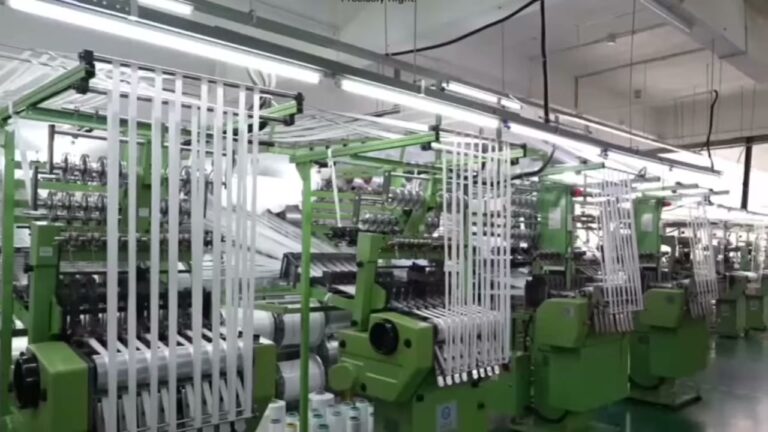 Velvet Ribbon Wholesale Checklist: MOQ, Finish, and Supplier Questions
Evaluate velvet ribbon wholesale options: MOQ, setup fees, unit cost, and packing. Narrow the list before requesting samples…
Explore guide
Velvet Ribbon Wholesale Checklist: MOQ, Finish, and Supplier Questions
Evaluate velvet ribbon wholesale options: MOQ, setup fees, unit cost, and packing. Narrow the list before requesting samples…
Explore guide
 Wholesale Ribbon By The Roll: Roll length and inventory planning
Evaluate Wholesale Ribbon By The Roll options: factory capability, QC proof, lead time, and reorder reliability. Narrow the…
Explore guide
Wholesale Ribbon By The Roll: Roll length and inventory planning
Evaluate Wholesale Ribbon By The Roll options: factory capability, QC proof, lead time, and reorder reliability. Narrow the…
Explore guide
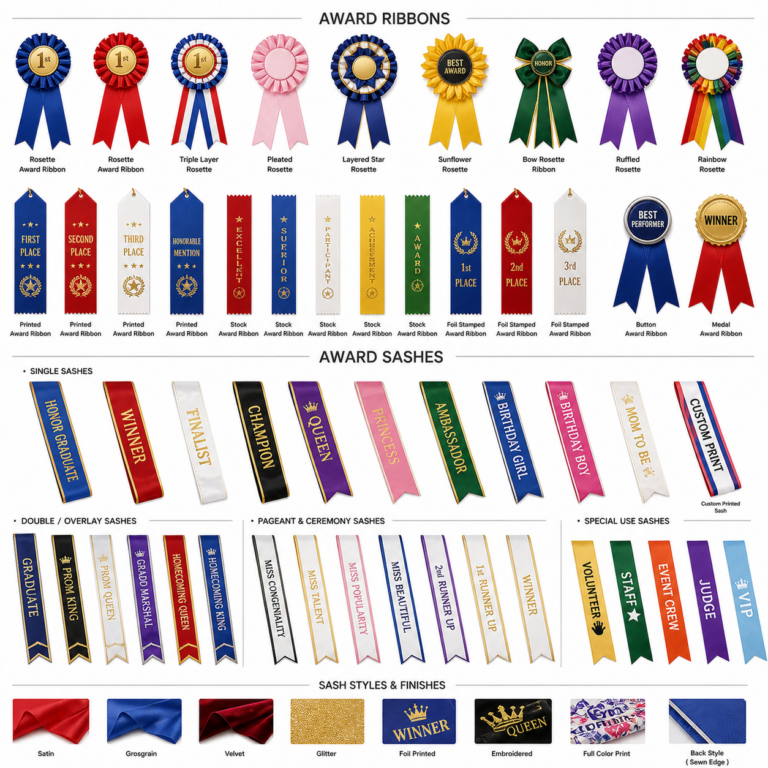 Award Ribbons Wholesale: Bulk award ribbon supplier checks
Shortlist Award Ribbons Wholesale suppliers by factory capability, QC proof, lead time, and reorder reliability. See which options…
Explore guide
Award Ribbons Wholesale: Bulk award ribbon supplier checks
Shortlist Award Ribbons Wholesale suppliers by factory capability, QC proof, lead time, and reorder reliability. See which options…
Explore guide
 Wholesale Ribbon Manufacturers: Factory vs Trading Company Checklist
Evaluate Wholesale Ribbon Manufacturers options: factory capability, QC proof, lead time, and reorder reliability. Narrow the list before…
Explore guide
Wholesale Ribbon Manufacturers: Factory vs Trading Company Checklist
Evaluate Wholesale Ribbon Manufacturers options: factory capability, QC proof, lead time, and reorder reliability. Narrow the list before…
Explore guide
Leave a comment
Share a sourcing question or feedback on this guide. The Lude team reviews submissions before following up.