


Wholesale Sheer Ribbon: Supplier Proof and RFQ Checklist
Sheer Ribbon Buying Guide: what to check on sample approval, color tolerance, QC checks, and factory capability before placing a ribbon order
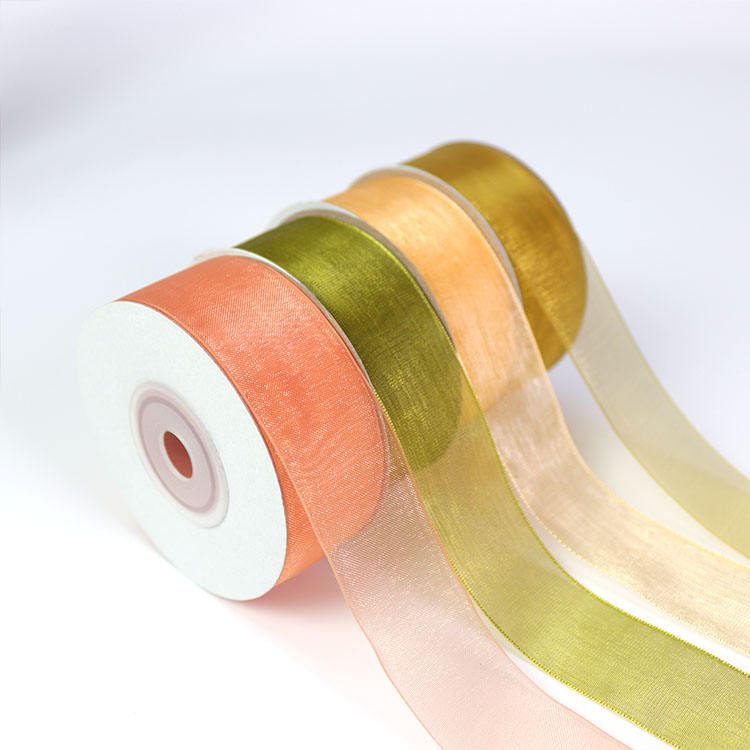
Sheer ribbon needs a written specification before the buyer can shortlist Sheer Ribbon suppliers using proof, capability, quality, MOQ, and delivery criteria; otherwise suppliers may quote different product and approval assumptions.
Sheer ribbon is specified by opacity, and opacity has no standard scale. Sending a physical reference is the only reliable method.
Direct answer: For sheer ribbon, buyers should shortlist Sheer Ribbon suppliers using proof, capability, quality, MOQ, and delivery criteria.
When sheer ribbon fits bulk or custom orders
Sheer ribbon works when translucency is part of the presentation and the application does not require the opacity or body of a heavier ribbon. Decide by the finished pack, tying method, surface below the ribbon, and handling route rather than by a catalog swatch alone.
| Option | Best Fit | Risk to Avoid | Verification Check | Follow-up |
|---|---|---|---|---|
| Soft sheer construction | Layered gift packs and light decorative ties | The underlying print changes the apparent color | Test the sample on the actual packaging surface | Approve the combination, not the ribbon alone |
| Edge-finished sheer | Repeated handling where edge definition matters | Edge behavior differs after tying and storage | Tie, untie, and store a representative sample | Retain the approved handling example |
| Custom color program | Brand presentations needing a controlled translucent tone | The same color reads differently by background and light | Review a physical color reference in the end use | Lock the approved reference before the production run |
For MOQ, cost, and lead time, separate stock construction from custom color or edge work. Confirm the production split and approval sequence before committing the launch date, then keep the end-use sample as the decision reference.
Key specs buyers should compare
Compare sheer OEM and ODM ribbon development as a complete application system. Material, weave openness, width, edge construction, color reference, roll presentation, and packing all affect how the ribbon looks and handles after storage and tying.
Specification checks for the finished application
| Spec | Acceptable Range | Risk to Avoid | Verification Check | Follow-up |
|---|---|---|---|---|
| Transparency and weave | Consistent with the approved end-use sample | Background graphics show through differently | Place the sample on the actual pack under normal lighting | Approve the combined appearance |
| Width and edge | Matches the approved fold, tie, and closure behavior | The ribbon twists, frays, or covers key artwork | Run a fit and handling test | Revise construction before release |
| Color reference | Matches the signed physical reference in context | A screen match hides a real-world shift | Compare under controlled light on the intended surface | Retain the accepted reference |
| Roll and packing condition | Feeds cleanly and arrives without crushing or contamination | Application speed and presentation become inconsistent | Open and test a packed sample | Lock the packing instruction |
Questions for repeat-order control
Put these questions in the sourcing record.
- Which construction and edge treatment produced the submitted sample?
- What evidence will the supplier use to control color, width, and roll presentation?
- How will the factory identify a change in material, process, or packing before production?
- Which sample and inspection records will be retained for a later reorder?
Accept an answer only when it names the proof, responsible owner, and recorded response. A broad assurance without a sample reference or inspection record is not enough for a repeatable program.
Material, finish, and use-case decision table
- Supplier capability: Verify the supplier runs dedicated sheer ribbon looms and can produce custom printed ribbon with consistent weave openness. Factory tour or video shows separate sheer production lines and in-house dyeing. Supplier subcontracts sheer weaving, leading to transparency and edge finish variation. Request a capability list and sample from the sheer-specific line before shortlisting.
- minimum order or order quantity: Confirm minimum order per color, width, and construction; sheer ribbon minimum order often differs by yarn denier and finish type. Supplier provides a clear minimum order schedule by material and print method without requiring a quote first. Supplier quotes a single low minimum order but later adds per-color or per-design minimums that double the order. Document minimum order by SKU in the RFQ and ask for written confirmation on split-color minimums.
- Quality control: Check for inline tension monitoring and edge inspection during sheer ribbon slitting to prevent fraying and uneven selvedge. QC records show pass/fail data for edge straightness and transparency uniformity per batch. Supplier only inspects finished rolls, missing weave defects that cause tearing during bow tying. Ask for the QC checklist used during slitting and request a video of the inspection station.
- Verification method: Compare the approved sample against the bulk production roll under the same lighting and substrate used in the final application. Supplier sends a production-first sample from the actual dye lot and loom setup before bulk run. Buyer approves a lab dip or hand-tied sample that does not match the production roll's color or drape. Hold final approval until you receive a production-length sample cut from the bulk roll.
- Ensure the approval record ties the sample to a specific revision number and production date, not a generic swatch card. Supplier provides a signed approval sheet with revision history and a photo of the approved roll end. Approval is given verbally or via email without a reference sample, leading to disputes on color and finish. Require a written approval form with a physical or high-res photo of the approved custom printed ribbon roll.
How to compare options
Lay each supplier's sheer ribbon sample on the same substrate and check transparency, edge finish, and color consistency under store lighting. Compare the weave openness by counting picks per inch. A supplier that cannot provide a production-first sample from the actual loom setup is not ready for bulk orders.
What changes MOQ, cost, and lead time
Custom printed ribbon with multiple colors or a tight weave raises minimum order because each color requires a separate dye bath and screen setup. Wider widths and wired edges increase material cost and slitting time. Lead time extends when artwork approval and sample rounds are not consolidated into one revision cycle.
Common selection mistakes
- Supplier lacks documented sheer ribbon weaving capability: Without verified looms or edge-finish equipment, the supplier may deliver inconsistent openness or frayed edges. Request a capability statement listing specific sheer ribbon constructions and widths produced in-house. Factory profile with machine list and recent sheer ribbon production photos or videos. Shortlist only suppliers that provide written capability evidence before RFQ.
- No quality control check for transparency or edge finish: Sheer ribbon defects like uneven weave or loose edges become visible only after application, causing rework. Ask for the QC procedure for transparency tolerance and edge inspection per roll. QC checklist or in-process inspection report from the last sheer ribbon order. Verify QC documentation before approving sample or bulk production.
- Approval given based on a loose swatch instead of finished application: Sheer ribbon color and drape change on the actual substrate; a swatch alone hides application failures. Require a sample applied to your exact substrate, width, and edge finish before sign-off. Application sample on your material with written confirmation of construction and color route. Hold approval until the applied sample matches the written specification.
- Verification relies on screen images or verbal claims only: Screen images distort sheer ribbon transparency and color; verbal claims cannot be audited. Compare the same construction, color, width, and edge finish across candidates using physical samples. Physical sample set with a written comparison sheet listing each candidate's specs. Document the comparison and approve only after physical sample review.
Choosing by unit price only
Buyers who select sheer ribbon solely on unit price often receive inconsistent weave openness or edge quality. A low price may indicate skipped QC or lower-grade yarn. Compare total cost including sample approval, rework risk, and shipping delays. Always verify that the quoted price covers your exact width, edge, and roll presentation.
Skipping sample or quality checks
Approving sheer ribbon without a physical sample on your substrate risks color mismatch and edge fraying in production. A loose swatch cannot show how the ribbon behaves when tied or applied. Require an application sample that matches your width, edge, and color route. This step prevents costly rework and ensures the final product meets your gift and retail packaging ribbon solutions standard.
When to request samples or a quote
For sheer Lude Ribbon factory, the steps below turn when to request samples or a quote into supplier proof: sample ownership, QC records, lead-time logic, and change-control responsibility.
Quote-ready inputs to prepare
Request a commercial response after the end use, construction, width, color reference, edge, roll presentation, packing, and approval route are defined. Ask for every cost driver to be shown separately when custom color, special edge work, sampling, labels, or protective packing changes the basis.
Approval checks before production
Request a physical sample whenever transparency, color, edge behavior, tying, application speed, or packing condition can change the decision. Review it on the actual pack, record the approved reference, and state which deviations require a new sample.
- Issue one quote request packet with the intended application and approval owner.
- Require written assumptions for included work, exclusions, and change handling.
- Test the physical sample in the real packing and handling sequence.
- Record accept, revise, or reject against each visible checkpoint.
- Carry the approved sample reference into production and reorder records.
Do not proceed when a commercial line is clear but the physical acceptance method is not. The decision is ready only when the response and sample can be checked against the same controlled brief.
Source check: Key Supplier Selection Criteria Every Procurement Executive Sho….
In conclusion
Approve sheer ribbon as a finished application, not as an isolated swatch. The controlled record should connect the substrate, lighting, overlap or tying method, construction, width, edge, color reference, roll presentation, packing, supplier capability, cost, quotation, and physical sample.
The Lude Ribbon factory profile lists more than 300 skilled workers and a 6,000 m² factory. Treat those figures as capability context, then confirm current line allocation, sample approval time, and shipping for the quoted sheer ribbon program.
If the application sample and written response do not point to the same revision, hold the release. Keep the accepted reference and deviation record for production and reorders so a later comparison uses the same evidence.
Use the related resource to confirm the wider buying path: organza ribbon.
Sheer ribbon FAQ
What factory capability checks should I finish before sending a sheer ribbon RFQ?
Define the finished application, material or construction reference, transparency, width, edge, color reference, roll presentation, packing, and approval route. Ask the supplier to identify the sample and production route for those inputs and how a change in material, weave, edge, color, or packing will be recorded before release.
How can I compare sheer ribbon suppliers on samples, communication, and repeat-order stability?
Send the same application brief to each candidate and compare the ribbon on the same surface, under the same lighting, after the same tying or handling sequence. Record the sample revision, supplier response to deviations, retained reference, roll and packing condition, and the process for notifying the buyer of a later change.
What red flags show a sheer ribbon supplier may not handle bulk or custom orders?
Hold the shortlist when approval relies on a screen image or loose swatch, the edge or construction that produced the sample is unclear, minimum order and packing assumptions are not separated, or no retained reference connects the sample to a repeat order. Resolve the gap with a physical application sample and written record.
What should buyers verify before approving sheer ribbon?
Verify transparency and color on the actual substrate, width and edge behavior during application, the appearance after overlap or tying, roll condition after packing, and the identifiers that connect the sample to production. Record accepted deviations and require a new check when a relevant input changes.
Which quote terms should buyers compare before RFQ?
Compare the same construction, color route, width, edge, roll presentation, packing, minimum order by variant, included sample or development work, inspection scope, exclusions, delivery basis, and lead-time start event. Do not compare unit prices until those assumptions align.
Keep exploring
Recommended buyer guides
 Velvet Ribbon Wholesale Checklist: MOQ, Finish, and Supplier Questions
Evaluate velvet ribbon wholesale options: MOQ, setup fees, unit cost, and packing. Narrow the list before requesting samples…
Explore guide
Velvet Ribbon Wholesale Checklist: MOQ, Finish, and Supplier Questions
Evaluate velvet ribbon wholesale options: MOQ, setup fees, unit cost, and packing. Narrow the list before requesting samples…
Explore guide
 Wholesale Ribbon By The Roll: Roll length and inventory planning
Evaluate Wholesale Ribbon By The Roll options: factory capability, QC proof, lead time, and reorder reliability. Narrow the…
Explore guide
Wholesale Ribbon By The Roll: Roll length and inventory planning
Evaluate Wholesale Ribbon By The Roll options: factory capability, QC proof, lead time, and reorder reliability. Narrow the…
Explore guide
 Award Ribbons Wholesale: Bulk award ribbon supplier checks
Shortlist Award Ribbons Wholesale suppliers by factory capability, QC proof, lead time, and reorder reliability. See which options…
Explore guide
Award Ribbons Wholesale: Bulk award ribbon supplier checks
Shortlist Award Ribbons Wholesale suppliers by factory capability, QC proof, lead time, and reorder reliability. See which options…
Explore guide
 Wholesale Ribbon Manufacturers: Factory vs Trading Company Checklist
Evaluate Wholesale Ribbon Manufacturers options: factory capability, QC proof, lead time, and reorder reliability. Narrow the list before…
Explore guide
Wholesale Ribbon Manufacturers: Factory vs Trading Company Checklist
Evaluate Wholesale Ribbon Manufacturers options: factory capability, QC proof, lead time, and reorder reliability. Narrow the list before…
Explore guide
Leave a comment
Share a sourcing question or feedback on this guide. The Lude team reviews submissions before following up.