


Satin Ribbon Suppliers: Supplier comparison checklist
Evaluate Satin Ribbon Suppliers options: factory capability, QC proof, lead time, and reorder reliability. Narrow the list before requesting samples
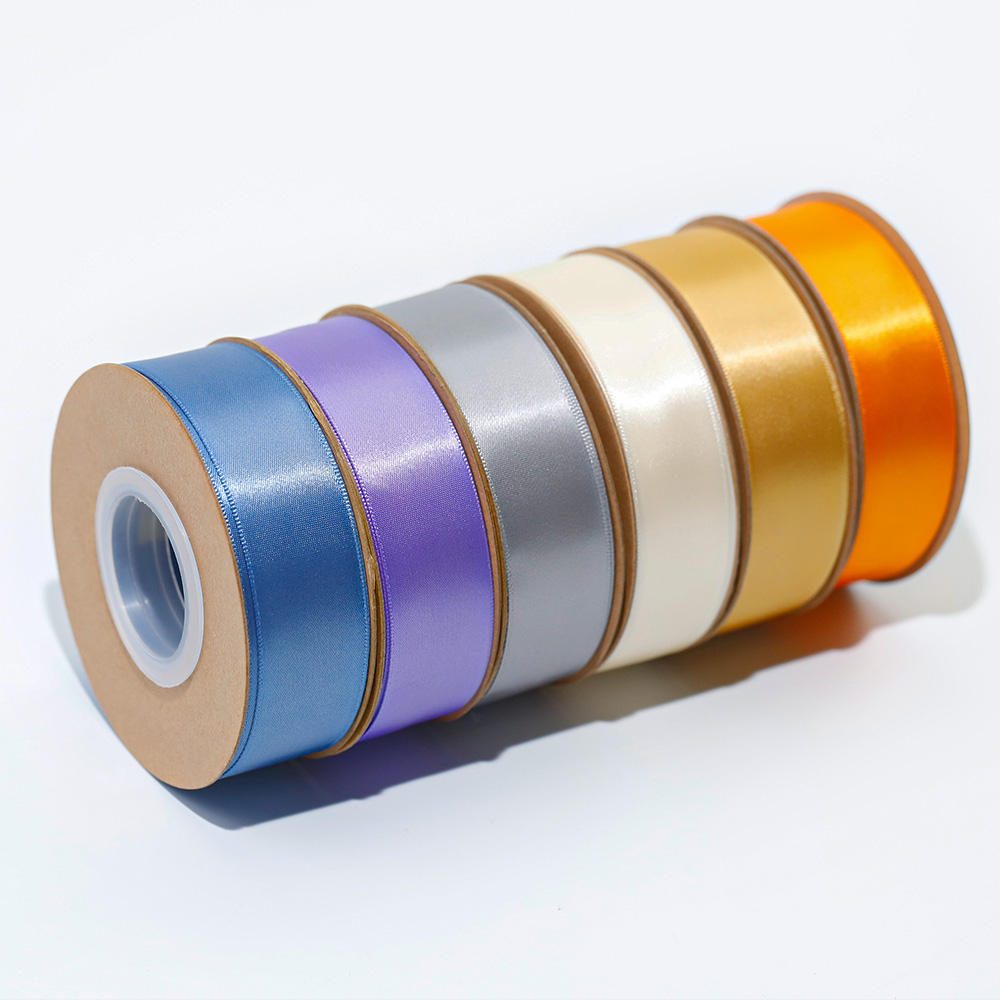
Satin ribbon suppliers need a written specification before the buyer can shortlist Satin Ribbon suppliers using proof, capability, quality, MOQ, and delivery criteria; otherwise suppliers may quote different product and approval assumptions.
This guide connects satin ribbon suppliers to parameters, cost impact, supplier risk, factory process, and procurement advice.
Direct answer: For satin ribbon suppliers, compare matched samples, documented production capability, quality records, quantity rules, and delivery assumptions on the same basis.
How buyers should evaluate satin ribbon suppliers
- Weave density and edge finish consistency: Request a pre-production sample and verify picks per inch and cut vs. fused edge against your approved spec. Supplier provides a signed proof with measured weave density and edge type before bulk run. Supplier ships bulk without sample sign-off; edge fraying or density variation appears at your receiving dock. Document the approved sample reference and hold the supplier to that standard on the packing list.
- MOQ and order quantity flexibility: Compare the supplier's minimum order quantity for stock colors, custom printed, and ready-made bows against your program volume. Supplier publishes separate MOQ tiers for plain stock, custom print, and pre-tied bows per design. Supplier quotes a single minimum order that forces you to over-order one SKU to meet the minimum. Request a quote that lists minimum order per product type and confirm whether a mixed-SKU order can satisfy the minimum.
- Quality control documentation and traceability: Ask for the QC checklist used during production and the sampling standard (e.g., AQL or internal pass/fail criteria). Supplier shares a written QC plan that includes in-line inspection and a final random sampling report per lot. Supplier has no documented QC process; defects are caught only at your incoming inspection, causing rework delays. Require a QC report with each shipment and reserve the right to reject lots that fall below the agreed AQL.
- Pre-production sample and approval workflow: Verify that the supplier requires a signed proof or lab dip approval before cutting bulk yardage. Supplier holds production until you confirm the sample in writing and provides a digital record of the approval. Supplier starts bulk production on verbal approval; color or weave mismatch is discovered after goods are made. Establish a written approval gate: no bulk start without your signed sample card or digital confirmation.
- Lead time and reorder reliability: Confirm the production lead time after spec confirmation and whether reorders on the same design get priority scheduling. Supplier states a standard lead time (e.g., 15–20 business days after spec confirmation) and offers a reorder lane for repeat designs. Lead time is quoted loosely as '4–6 weeks' with no clear start date; reorders require full artwork re-approval. Get the lead time in writing and ask if repeat orders on an approved design can skip the sample step.
- Supplier cannot demonstrate satin ribbon weave density or edge finish specs: Without documented weave density and edge finish, ribbon may fray or fail colorfastness, causing rework and order rejection. Request a spec sheet listing picks per inch, face fiber, and edge type (cut or fused) before sample approval. Signed specification sheet with weave density and edge finish tolerances Compare spec sheet against your approved sample and reject if tolerances are missing.
- Supplier has no documented QC process for satin ribbon: Undocumented QC increases risk of off-spec color, width variation, or edge defects in bulk production. Ask for a written QC checklist covering colorfastness, width tolerance, and edge inspection steps. QC checklist or inspection report from a recent satin ribbon order Verify the QC checklist includes at least width tolerance and colorfastness test.
- Supplier does not require signed proof before bulk production: Skipping signed proof leads to artwork errors, color mismatches, and costly reprints that delay delivery. Insist on a written approval gate: no bulk run starts without your signed proof or sample approval. Signed proof approval form or email confirmation of sample sign-off Document the approval gate in your purchase order terms.
- Supplier cannot provide minimum order and lead-time in writing per product type: Unclear minimum order or lead-time causes order delays, split shipments, or unexpected minimums that blow your budget. Request a written minimum order and lead-time table covering plain stock, custom printed, and custom color orders. minimum order and lead-time table signed by supplier sales manager Confirm minimum order and lead-time match your program needs before issuing a purchase order.
Factory capability evidence to request
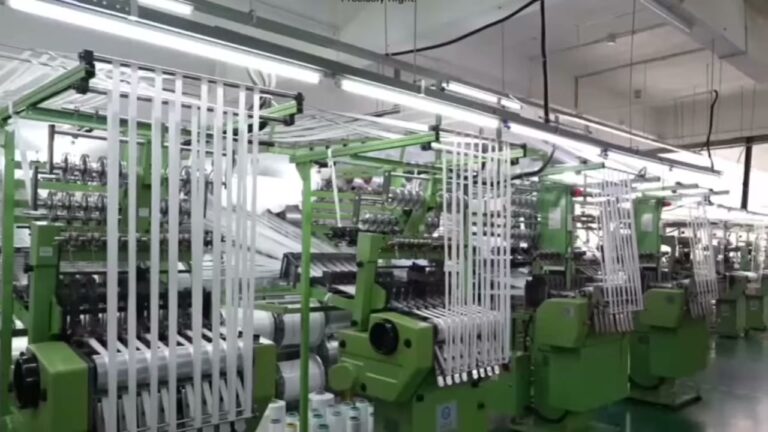
Ask the supplier for a facility overview that lists loom types, print methods (offset, screen, or digital), and edge-finishing equipment. A manufacturer that can produce both cut-edge and fused-edge satin ribbon on the same line shows production flexibility. Request photos of the QC bench and the sample room to confirm they can replicate your approved spec consistently.
MOQ, sampling, lead-time, and reorder terms to compare
Compare minimum order tiers across stock colors, custom printed runs, and pre-tied bows. A supplier that separates these categories lets you match order quantity to actual demand without overcommitting. Confirm whether the lead-time clock starts after spec confirmation or after payment. For repeat designs, ask if reorders can skip the sample step to shorten the timeline.
Product and specification checks before shortlisting
- Can the supplier provide a specification sheet listing weave density, face finish, edge type, and colorfastness range? A documented spec sheet prevents mismatched expectations between your approved sample and bulk production. The supplier shares a printed or digital spec sheet with tolerances for each parameter before you send an RFQ. Without a spec sheet, you may approve a sample that cannot be reproduced at scale, causing rework or order rejection. Request the spec sheet and compare it against your own approved sample measurements before shortlisting.
- Does the supplier offer OEM and ODM ribbon development for custom colors, widths, and constructions? OEM and ODM ribbon development allows you to match exact brand colors, weave density, and edge finish without compromising quality. The supplier confirms they can develop a custom color or width based on your target swatch or Pantone reference. A supplier without custom development capability may force you to accept stock options that do not meet your brand requirements. Send a color target and width requirement in the RFQ and ask for a development timeline and sample cost.
- What printing, bow-making, packing, and inspection capabilities does the factory have in-house? In-house printing and bow-making reduce lead time and quality variance compared to outsourced finishing. The supplier lists specific printing methods (e.g., offset, hot stamp) and bow-making equipment with QC checkpoints. Outsourced finishing can introduce color mismatch, edge fraying, or packing errors that delay delivery. Request a capability list and ask for photos of the printing and bow-making lines before sample approval.
Material, width, color, finish, and customization range
Before shortlisting, verify that the supplier can produce your exact satin ribbon width, weave density, and edge finish. Ask for a specification sheet that lists material composition, colorfastness rating, and available customization options. This prevents sample-to-production drift and ensures the final ribbon matches your approved sample. A supplier that documents these parameters upfront reduces your approval risk.
Printing, bow-making, packing, and inspection capability
Confirm whether the factory handles printing, bow-making, and packing in-house or outsources these steps. In-house capability means shorter lead times and tighter quality control over color registration, bow shape consistency, and packing accuracy. Ask for a list of equipment and QC checkpoints for each process. This check helps you avoid delays and defects caused by third-party finishing errors.
MOQ, cost, sample, and lead-time questions
| Criteria | Baseline option | Confirmed option | Buyer meaning | Risk to avoid | Follow-up |
|---|---|---|---|---|---|
| Specification details | Supplier provides weave density, face finish, edge type, and color target in the quote | Supplier provides only width and material, leaving construction assumptions unverified | Full specs prevent mismatched ribbon hand and print adhesion | Vague specs cause sample rejection and reorder inconsistency | Request a spec sheet with GSM, thread count, and dye method before quoting |
| Cost driver | Supplier itemizes material grade, print method, and quantity break | Supplier gives a single line-item price with no cost breakdown | Itemized quote reveals where savings or hidden fees apply | Flat price hides upcharges for color matching, artwork setup, or rush handling | Ask for a cost breakdown by material, print, and packing before shortlisting |
| Quality control | Supplier runs in-line inspection for color consistency and edge finish | Supplier relies on end-of-line visual check only | In-line QC catches defects before bulk yardage is wasted | End-of-line check passes off-spec ribbon that fails in your packaging line | Verify QC method and request a pre-shipment inspection report |
| Approval risk | Supplier requires artwork and color sample approval before production | Supplier starts production on quote approval alone | Sample approval locks print registration and shade before bulk run | No sample approval leads to mismatched logos or color that must be re-run at your cost | Confirm sample turnaround time and approval gate in the RFQ |
| MOQ or order quantity | Supplier offers per-design MOQ of 3,000 yards for custom printed ribbon | Supplier sets a single blanket MOQ across all products | Per-design MOQ lets you test multiple programs without overcommitting | Blanket MOQ forces you to order more than needed for a trial run | Confirm MOQ per product type and ask about split-order options |
For specification details, a poor decision can mean vague specs cause sample rejection and reorder inconsistency. Request written proof and compare it with the approved sample or specification. Use the result to decide whether this checkpoint can proceed or must stay on hold.
How to compare quote assumptions across suppliers
When you compare satin ribbon suppliers, check that each quote lists the same specification inputs: weave density, face finish, edge type, and color target. Without a shared spec baseline, one supplier's low price may reflect a thinner ribbon or looser weave. Ask each supplier to confirm their construction assumptions before you compare unit costs.
When low unit price creates quality or delay risk
A low unit price often signals skipped quality checks or thinner material. For example, a supplier quoting below-market rates for custom printed ribbon may skip in-line color inspection or use a lower-grade satin that frays at the edge. That risk shows up as rejected rolls or delayed shipments. Always verify the QC process behind the price.
Quality and communication red flags
- Supplier rejects sample revision request after first proof: Artwork approval process not defined before PO Compare the supplier's artwork review steps against your own approval workflow Document a written approval gate with revision limits and sign-off deadlines
- Bulk ribbon color differs from approved sample by 2+ shades: No color standard or light-box check used during production Ask if the supplier uses a spectrophotometer and buyer-approved viewing conditions source for every dye lot Require a sealed color standard and a mid-production lab dip report before shipment
- Packed ribbon rolls arrive with mismatched dye lot numbers: No lot-tracking system or final packing inspection Request the supplier's lot-control procedure and ask for a pre-shipment packing list with lot codes Approve a packing standard that groups same-lot rolls together and labels each carton
- Reorder of same ribbon SKU yields different width or edge finish: No archived spec sheet tied to the original order number Verify the supplier keeps a spec file per PO including width tolerance and edge type Confirm the supplier will attach the original spec sheet to every repeat order
Artwork, color, and sample approval gaps
When a satin ribbon supplier does not require a signed proof before bulk production, you risk receiving printed ribbons with misaligned logos or wrong PMS colors. For gift and retail packaging ribbon solutions solutions, even a half-millimeter shift in print registration can make a bow look off-brand. Always confirm the supplier uses a formal artwork approval form with revision tracking before you release the PO.
Packing, labeling, and repeat-order control risks
If the supplier packs mixed dye lots into the same carton, your inventory team cannot match ribbons for consistent color across multiple orders. Ask for a packing standard that groups rolls by lot number and labels each carton with the PO, width, and color code. Without this, a repeat order may arrive with a different edge finish or width tolerance than the first run.
How to move from shortlist to RFQ
Build the quote request around weave density, face finish, and edge type. Match every listed buyer input to written supplier confirmation, approval evidence, and the risk that would hold the quote.
- Specify weave density, face finish, and edge type: These define satin ribbon appearance and durability, directly affecting quote accuracy and final product consistency. 84 picks per inch, double-face finish, cut edge for the buyer-approved ribbon width Supplier may quote a lower-cost variant that fails your colorfastness or drape requirements. Approve a spec sheet with these three parameters before requesting pricing.
- Confirm minimum order per product type and color: minimum order determines whether your order fits the supplier's production run; mismatched minimum order inflates per-yard cost or delays delivery. Plain stock ribbon minimum order is 1,500 yards per color; custom printed requires 3,000 yards per design. You may receive a quote for a higher minimum order than needed, or the supplier may split your order across multiple runs. Verify minimum order against your program volume and request a quote for the exact quantity.
- Document lead time and production milestones: Lead time from spec confirmation to shipment affects your inventory planning and launch schedule. Standard production is 15–20 business days after specs are confirmed, plus artwork review and sample approval. Unclear lead time can cause stockouts or rush charges that erode margin. Request a written timeline that includes sample approval and bulk production windows.
- Identify cost drivers beyond unit price: Hidden costs like artwork setup, color matching, packing, and shipping can sharply raise the total landed cost. Custom color matching may require a separate setup fee; Lude Ribbon quotes this per quote request. You may approve a low unit price but face unexpected charges at invoice. Ask for a full cost breakdown including tooling, sampling, and freight terms.
- Set quality control checkpoints before bulk production: Pre-production samples and in-process inspections catch defects before they become costly rework. Request a signed proof for printed ribbon and a pre-production sample for weave and color verification. Bulk runs may ship with mismatched dye lots or edge defects that require return or discount. Document approval gates for sample sign-off and in-line QC checks.
Quote-ready inputs to send
Before you send an quote request, gather the exact specifications for your satin ribbon: width, weave density, face finish, edge type, color target, and artwork files if printed. Include your target quantity per SKU and preferred packing method. A complete input set lets the supplier price accurately and avoid re-quotes. For custom programs, Lude Ribbon can confirm minimum order and lead time once these inputs are shared.
Sample checks before deposit or approval
Once you receive a pre-production sample, verify it against your approved spec sheet: measure weave density with a pick glass, check edge finish for fraying, and compare color to your target under daylight. If the sample matches, sign a written approval before authorizing bulk production. This step prevents costly rework and ensures the final shipment meets your quality standard.
In conclusion
Before you shortlist a satin ribbon supplier, verify that the weave density, edge finish, and colorfastness match your spec sheet, and confirm that the minimum order aligns with your program volume. Compare lead time commitments and request a pre-production sample to validate quality consistency across dye lots. This final check eliminates mismatched inventory and production delays.
Document your approved specifications, sample approval, and agreed pricing in the quote request handoff to lock in the terms. A supplier that requires signed proof before bulk production and packs single dye lots per carton signals lower risk for reorder accuracy. With these checks completed, you can confidently move forward with a partner who meets your quality and timeline requirements.
Satin ribbon suppliers FAQ
What should buyers confirm before ordering Satin Ribbon Suppliers?
Buyers should confirm weave density, edge finish (cut or fused), and colorfastness grade before ordering. Check that the supplier’s spec sheet matches your required width and that any custom color or width is quoted per quote request, as these can affect cost and lead time.
How should buyers compare MOQ, lead time, and quote terms?
Compare minimum order and lead time by requesting quotes that list the same specification, width, and color target. For plain stock ribbon, a typical minimum order is 1,500 yards per color; custom printed designs often require 3,000 yards per design. Lead time is usually 15–20 business days after spec confirmation, but confirm exact timing in your quote request along with shipping terms.
What sample, quality, or supplier checks reduce risk?
Request a pre-production sample and verify that weave density, edge finish, and color match your approved spec sheet. Check that the supplier uses a signed proof before bulk production and that dye lots are consistent across cartons. Document any quality issues and confirm corrective steps before approving the sample for full production.
Keep exploring
Recommended buyer guides
 Velvet Ribbon Wholesale Checklist: MOQ, Finish, and Supplier Questions
Evaluate velvet ribbon wholesale options: MOQ, setup fees, unit cost, and packing. Narrow the list before requesting samples…
Explore guide
Velvet Ribbon Wholesale Checklist: MOQ, Finish, and Supplier Questions
Evaluate velvet ribbon wholesale options: MOQ, setup fees, unit cost, and packing. Narrow the list before requesting samples…
Explore guide
 Wholesale Ribbon By The Roll: Roll length and inventory planning
Evaluate Wholesale Ribbon By The Roll options: factory capability, QC proof, lead time, and reorder reliability. Narrow the…
Explore guide
Wholesale Ribbon By The Roll: Roll length and inventory planning
Evaluate Wholesale Ribbon By The Roll options: factory capability, QC proof, lead time, and reorder reliability. Narrow the…
Explore guide
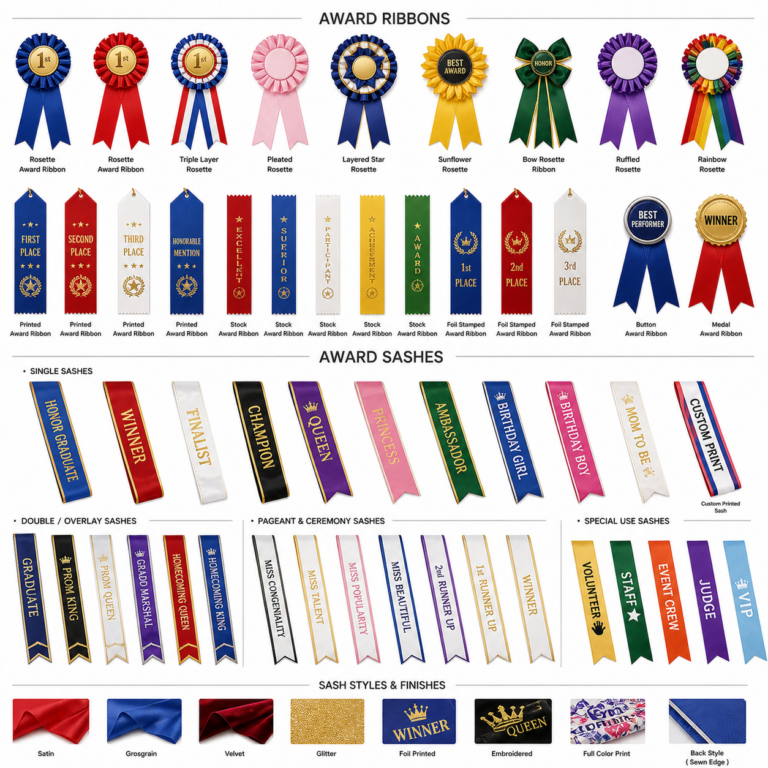 Award Ribbons Wholesale: Bulk award ribbon supplier checks
Shortlist Award Ribbons Wholesale suppliers by factory capability, QC proof, lead time, and reorder reliability. See which options…
Explore guide
Award Ribbons Wholesale: Bulk award ribbon supplier checks
Shortlist Award Ribbons Wholesale suppliers by factory capability, QC proof, lead time, and reorder reliability. See which options…
Explore guide
 Wholesale Ribbon Manufacturers: Factory vs Trading Company Checklist
Evaluate Wholesale Ribbon Manufacturers options: factory capability, QC proof, lead time, and reorder reliability. Narrow the list before…
Explore guide
Wholesale Ribbon Manufacturers: Factory vs Trading Company Checklist
Evaluate Wholesale Ribbon Manufacturers options: factory capability, QC proof, lead time, and reorder reliability. Narrow the list before…
Explore guide
Leave a comment
Share a sourcing question or feedback on this guide. The Lude team reviews submissions before following up.