


Ribbon Yardage Calculation: Why Generic Tools Fail at Scale
Evidence and specification note: Color targets, tolerances, test methods, documentation, acceptance criteria, and remedies must be confirmed for the quoted material and written into the approved sample, specification, and sales agreement. General scenarios in this article are not guaranteed production results. Pricing and example note: Current pricing is quoted to specification. Material, width, color, decoration,…
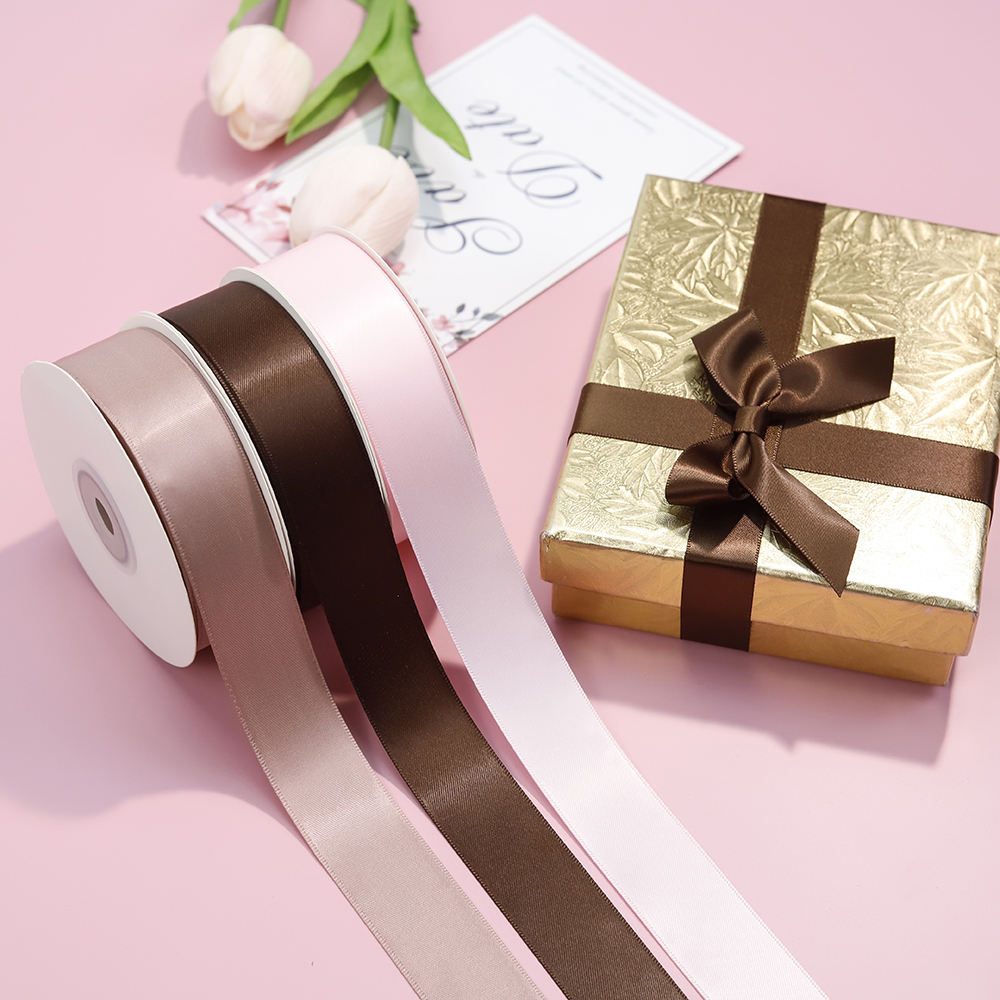
Many luxury brand procurement managers have a ribbon yardage calculator bookmarked — the simple kind where you punch in box dimensions and get a number. That number usually works for a single box, hand-wrapped in a studio. But when you scale to 10,000 units for a fragrance launch, the calculator stops being reliable. Material stretch, waste from hand-tying, and color tolerance across rolls all shift the real consumption per box. The formula is the easy part. The hard part is accounting for the production variables that generic tools often ignore.
Why Yardage Calculators Fail Luxury Brands
Generic calculators assume perfect conditions; luxury production demands real waste and color control.
- Physical sample approval can reduce mismatch and rework risk; use the signed sample, written specification, and dated production records as the control evidence.
The gap between a calculator and real production is where many post-production disputes originate. That step uncovers exactly how the material behaves, how much waste your tying team actually generates, and whether the Pantone match holds across 3,000 yards. Any yardage plan that skips this reality check is a risk to your launch date.
The Real Cost of Ribbon Waste in Production
Any cost, discount, or savings must be calculated from the dated quotation and the buyer’s approved specification.
Pricing differences among materials, widths, print methods, quantities, and packing must be calculated from dated quotations for the same approved specification.
- Expedited schedules must be confirmed during RFQ review and still require sample approval. Current pricing is quoted after the material, width, decoration, quantity, packing, delivery terms, and destination are confirmed.
- Color rework cost: Spectrophotometer-controlled color matching (buyer-approved ΔE tolerance) reduces the risk of batch rejection. Many suppliers rely on visual matching or skip batch gamma verification. Current pricing is quoted after the material, width, decoration, quantity, packing, delivery terms, and destination are confirmed.
How to Source Ribbon Without Production Surprises
Skip the sample and risk failure.
Some ribbon suppliers let you skip physical sampling to close the deal faster. That’s exactly why many post-production disputes happen — mismatched colors, wrong material feel, or foil stamp that peels. Luxury brand procurement knows: a mandatory physical sample isn’t optional, it’s the only way to lock down color tolerance (buyer-approved ΔE tolerance) and print durability before committing to bulk.
- Pre-Shipment Inspection & Color Tolerance Data: Request the batch color tolerance report with spectrophotometer readings (buyer-approved ΔE tolerance). Also ask for mid-run and pre-shipment inspection results — this catches defects before the container leaves the factory.
- Pricing differences among materials, widths, print methods, quantities, and packing must be calculated from dated quotations for the same approved specification.
- Supplier MOQ & Lead Times: MOQ: 3,000 yards per design for printed custom satin ribbon. Sample lead: 7–14 business days. Production lead: 15–20 business days after sample sign-off. Expedited schedules must be confirmed during RFQ review and still require sample approval.
Conclusion
Review the custom satin ribbon options on the product page. Focus on the color matching specs. Those specifications determine whether the first box off the line matches the last, launch after launch.
Frequently Asked Questions
How do I calculate how much ribbon I need?
Define the buyer-approved acceptance criteria and verify the selected material with a dated sample or production-lot record.
How many gifts can 25 yards of ribbon wrap?
25 yards (900 inches) wraps about 28 standard 6×4×2-inch boxes with a 12-inch bow per box using 32 inches each. That count drops to 20 boxes if you add a taller bow. Test your bow style first to confirm per-box usage.
How many bows will 50 yards of ribbon make?
50 yards makes about 75 standard pre-tied bows if each bow uses 24 inches of ribbon. The number drops to 50 bows for fuller, multi-loop bows that require 36 inches each. Request a bow sample to verify ribbon consumption per design.
How much does 50 yards of ribbon cost?
Current pricing is quoted after the material, width, decoration, quantity, packing, delivery terms, and destination are confirmed. Foil-stamping cost depends on the approved foil, artwork, substrate, setup, packing, and order volume. Request a custom quote with your print method and width for exact pricing.
How do I calculate yardage for production planning?
Multiply per-box yardage by total units, then add the buyer-approved contingency for rework and color-matching waste. Use the confirmed per-box consumption and approved contingency to calculate the purchase quantity, then confirm the color-acceptance method in the written specification. Always confirm MOQ (3,000 yards per design for printed ribbon) before locking your order quantity.
Keep exploring
Recommended buyer guides
 Pre-Tied Bows for Retail Packaging: When They Reduce Labor and Rework
See when pre-tied bows reduce retail packaging labor, improve consistency, and simplify bulk packing, SKU planning, and reorders
Explore guide
Pre-Tied Bows for Retail Packaging: When They Reduce Labor and Rework
See when pre-tied bows reduce retail packaging labor, improve consistency, and simplify bulk packing, SKU planning, and reorders
Explore guide
 Velvet Ribbon Wholesale Checklist: MOQ, Finish, and Supplier Questions
Evaluate velvet ribbon wholesale options: MOQ, setup fees, unit cost, and packing. Narrow the list before requesting samples…
Explore guide
Velvet Ribbon Wholesale Checklist: MOQ, Finish, and Supplier Questions
Evaluate velvet ribbon wholesale options: MOQ, setup fees, unit cost, and packing. Narrow the list before requesting samples…
Explore guide
 Wholesale Custom Ribbon with Logo: Specs, Roll Length, and RFQ Checks
Step-by-step: Custom Ribbon With Logo. Check artwork files, print method, color target, and sample approval to avoid delays,…
Explore guide
Wholesale Custom Ribbon with Logo: Specs, Roll Length, and RFQ Checks
Step-by-step: Custom Ribbon With Logo. Check artwork files, print method, color target, and sample approval to avoid delays,…
Explore guide
 Wholesale Ribbon By The Roll: Roll length and inventory planning
Evaluate Wholesale Ribbon By The Roll options: factory capability, QC proof, lead time, and reorder reliability. Narrow the…
Explore guide
Wholesale Ribbon By The Roll: Roll length and inventory planning
Evaluate Wholesale Ribbon By The Roll options: factory capability, QC proof, lead time, and reorder reliability. Narrow the…
Explore guide
Leave a comment
Share a sourcing question or feedback on this guide. The Lude team reviews submissions before following up.