


US Ribbon Suppliers vs Factory Direct: Which Saves You More?
Evidence and specification note: Color targets, tolerances, test methods, documentation, acceptance criteria, and remedies must be confirmed for the quoted material and written into the approved sample, specification, and sales agreement. General scenarios in this article are not guaranteed production results. Pricing and example note: Current pricing is quoted to specification. Material, width, color, decoration,…
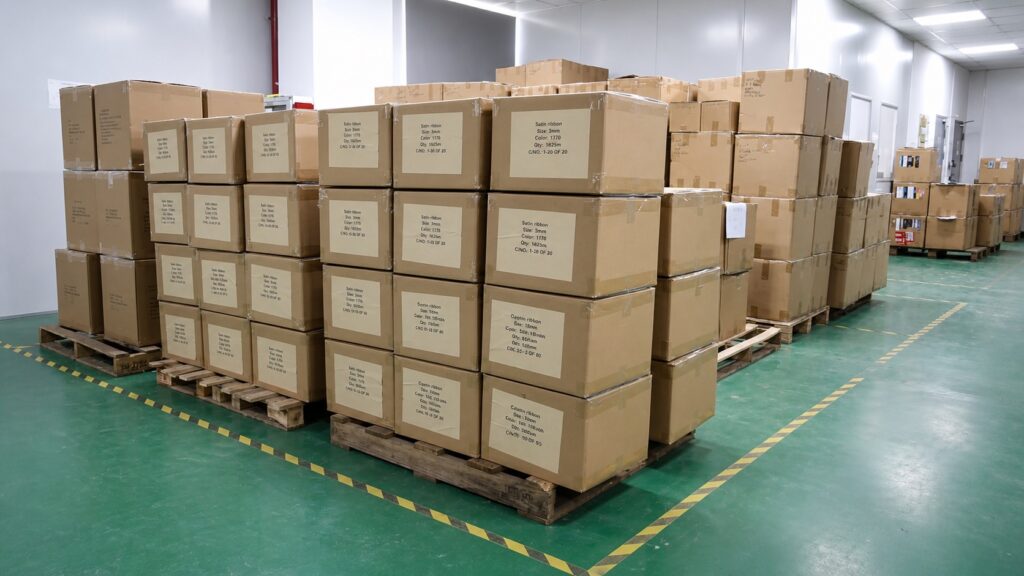
Current pricing is quoted after the material, width, decoration, quantity, packing, delivery terms, and destination are confirmed. The real question is whether the quality holds up when you cut out the intermediary.
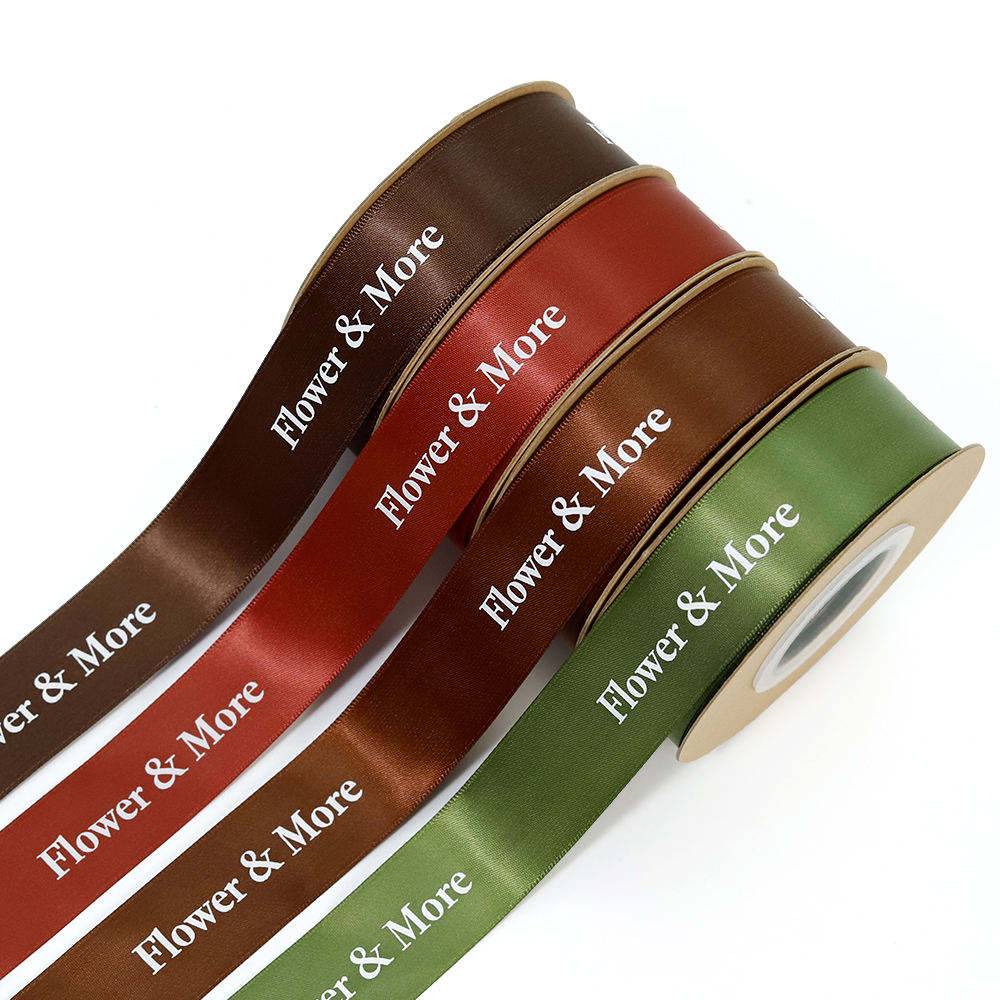
Why US Ribbon Suppliers Cost More Than You Think
The risk of relying on intermediaries became visible in July 2026, when Berwick Offray (Design Group Americas) filed Chapter 11 and began winding down its domestic woven ribbon operations. Berwick Offray was one of the largest names in US ribbon supply. Its collapse left distributors scrambling for alternative sources — and those who had no direct factory relationships faced lead-time gaps and price spikes. A distributor who sources factory-direct does not suffer that disruption.
- Supply chain fragility: Berwick Offray’s Chapter 11 filing eliminated a major domestic supply node. Buyers who depended on that channel had no production control and no alternative factory line.
- No quality leverage: A distributor cannot fix a dye-lot mismatch or a foil-stamp adhesion failure — they can only return goods. A factory-direct buyer works directly with the production team and can enforce corrective action mid-run.
For a gift packaging distributor evaluating total cost of ownership, the math is clear: a US intermediary adds cost without adding production value. The Berwick Offray case is not an anomaly — it is a structural risk of relying on resellers instead of verified manufacturers.
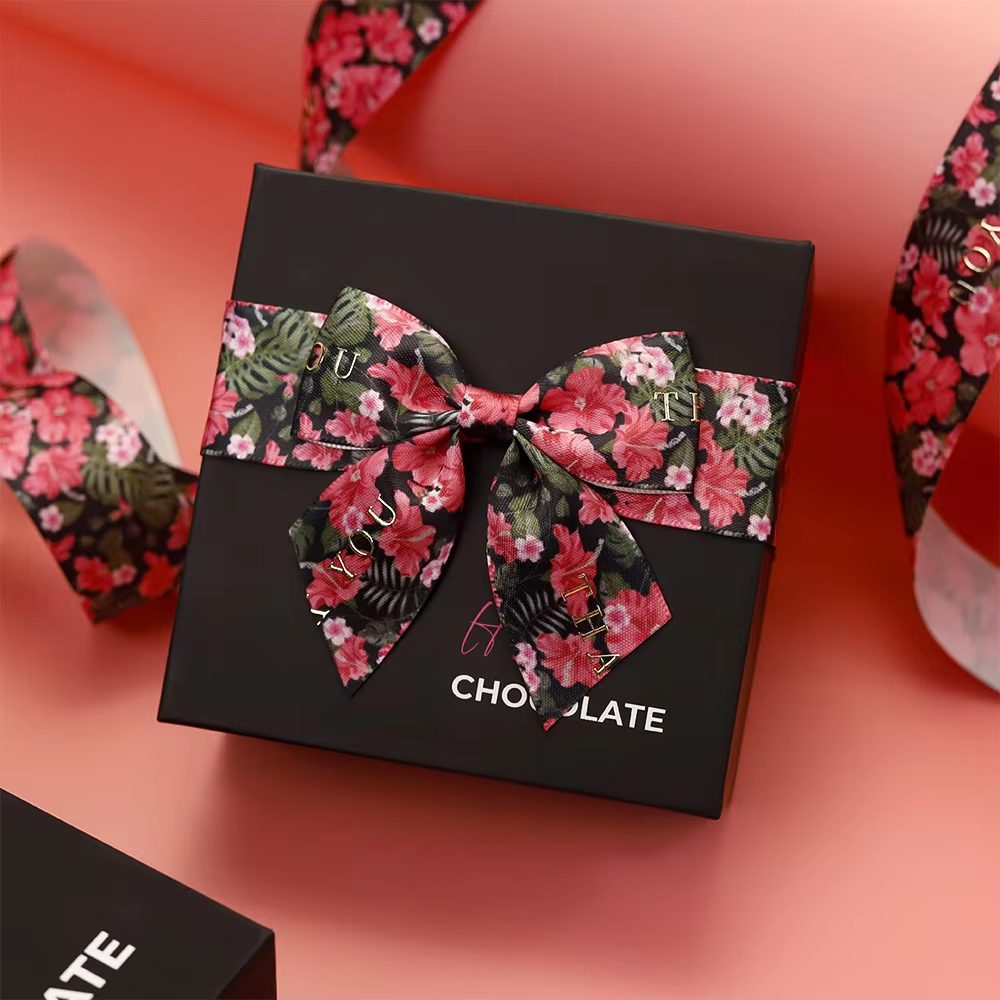
Factory Direct Pricing: Real Cost Per Yard in 2026
Quoted after RFQ.
Current pricing is quoted after the material, width, decoration, quantity, packing, delivery terms, and destination are confirmed. Any cost, discount, or savings must be calculated from the dated quotation and the buyer’s approved specification.
- Factory price (10K yds): Quoted after RFQ.
- Shipping + duty: Quoted after RFQ.
- Landed cost: Quoted after RFQ.
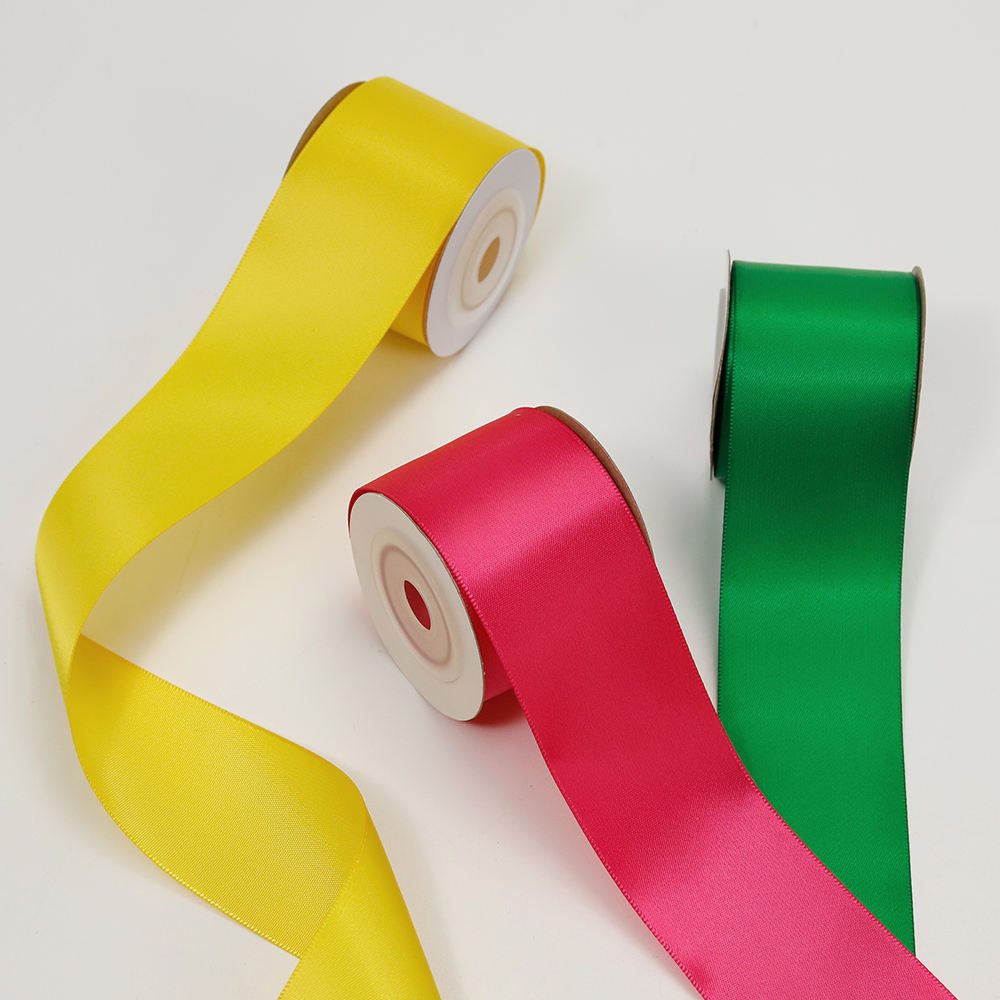
US Suppliers vs Chinese Manufacturers: A Quality Showdown
US suppliers stock colors; factories match Pantone to buyer-approved ΔE tolerance.
The practical difference between buying from a US supplier and a factory-direct manufacturer comes down to control over the production variables that matter most to gift packaging distributors: color consistency, width tolerance, and defect rates. Most US ribbon suppliers, including major names like Morex Ribbon, operate as importers and distributors. They maintain extensive warehouses of standard colors and widths, but their custom capabilities are limited. If your brand requires a specific Pantone shade, a US distributor typically sources that from a third-party factory, adds a markup, and passes the lead time risk to you. Custom Pantone matching through a US intermediary often results in a color outside the buyer-approved ΔE tolerance, and the process can take weeks with high minimum order quantities attached.
Any quality guarantee, acceptance threshold, and remedy must be stated in the approved specification and sales agreement.
- Width range: Confirm the available widths and tolerances with each supplier. Lude Ribbon weaves custom widths from 3mm to 102mm on 75 dedicated weaving machines; confirm the proposed width and construction through the quotation and approved sample.
- Physical sample approval can reduce mismatch and rework risk; use the signed sample, written specification, and dated production records as the control evidence.
- Certification traceability: a certificate means nothing if the distributor cannot trace it to the specific production run.


How to Vet a Ribbon Factory Before Your First Order
Skip the sample step and you are gambling a substantial share of your order on trust.
Before issuing a PO, review the exact product or material tests and any required management documents such as ISO 9001, and the social-audit record. REACH is a regulation, not a certificate; an amfori BSCI report does not establish product safety. Match the evidence to the proposed order and production site.
Physical sample approval can reduce mismatch and rework risk; use the signed sample, written specification, and dated production records as the control evidence.
- The color target, measurement method, lighting conditions, and acceptance tolerance are confirmed against the buyer-approved sample and written specification.
- Capacity verification: compare the proposed quantity and deadline with the supplier confirmed available production allocation, current utilization, backlog, approval steps and packing plan. A quoted monthly capacity alone does not establish whether a particular order fits the schedule.
Conclusion
Review current pricing and specs on the satin ribbon catalog page. Compare the MOQ, lead time, and print options against your next bulk order before committing to a supplier.
Frequently Asked Questions
What are the three types of ribbons?
Three common types are satin, grosgrain, and organza. Satin is used for luxury packaging, grosgrain for textured applications, and organza for sheer decorative accents. Choose based on your packaging texture and opacity needs.
What are the different types of ribbons for printing?
Custom printed ribbon types include satin, grosgrain, and organza, each supporting screen printing, foil stamping, or heat transfer. Satin is the baseline for print clarity, while grosgrain and organza require specific print methods. Confirm print method compatibility with your material choice.
What is the strongest type of ribbon?
Grosgrain ribbon is generally the strongest due to its tight, crosswise rib weave that resists fraying and tearing. For heavy-duty applications like award rosettes, grosgrain outperforms satin and organza in durability. Select grosgrain for applications requiring high tensile strength.
What are the two types of ribbon?
The two broad types are woven ribbons (like satin and grosgrain) and printed ribbons (like custom logo or foil-stamped designs). Woven ribbons are made on looms. Decide between a woven finish or a printed design first.
Keep exploring
Recommended buyer guides
 Pre-Tied Bows for Retail Packaging: When They Reduce Labor and Rework
See when pre-tied bows reduce retail packaging labor, improve consistency, and simplify bulk packing, SKU planning, and reorders
Explore guide
Pre-Tied Bows for Retail Packaging: When They Reduce Labor and Rework
See when pre-tied bows reduce retail packaging labor, improve consistency, and simplify bulk packing, SKU planning, and reorders
Explore guide
 Velvet Ribbon Wholesale Checklist: MOQ, Finish, and Supplier Questions
Evaluate velvet ribbon wholesale options: MOQ, setup fees, unit cost, and packing. Narrow the list before requesting samples…
Explore guide
Velvet Ribbon Wholesale Checklist: MOQ, Finish, and Supplier Questions
Evaluate velvet ribbon wholesale options: MOQ, setup fees, unit cost, and packing. Narrow the list before requesting samples…
Explore guide
 Wholesale Custom Ribbon with Logo: Specs, Roll Length, and RFQ Checks
Step-by-step: Custom Ribbon With Logo. Check artwork files, print method, color target, and sample approval to avoid delays,…
Explore guide
Wholesale Custom Ribbon with Logo: Specs, Roll Length, and RFQ Checks
Step-by-step: Custom Ribbon With Logo. Check artwork files, print method, color target, and sample approval to avoid delays,…
Explore guide
 Wholesale Ribbon By The Roll: Roll length and inventory planning
Evaluate Wholesale Ribbon By The Roll options: factory capability, QC proof, lead time, and reorder reliability. Narrow the…
Explore guide
Wholesale Ribbon By The Roll: Roll length and inventory planning
Evaluate Wholesale Ribbon By The Roll options: factory capability, QC proof, lead time, and reorder reliability. Narrow the…
Explore guide
Leave a comment
Share a sourcing question or feedback on this guide. The Lude team reviews submissions before following up.