


Ribbon Bows Wholesale: Bulk bow supplier checks
Which Ribbon Bows Wholesale options deserve an RFQ? Compare factory capability, QC proof, lead time, and reorder reliability to find the right production partner.
Ribbon bows wholesale needs a written specification before the buyer can shortlist Wholesale Ribbon Bows suppliers using proof, capability, quality, MOQ, and delivery criteria; otherwise suppliers may quote different product and approval assumptions.
Bow suppliers differ mostly in assembly consistency. Two bows from one order should be indistinguishable, and often are not.
Direct answer: For ribbon bows wholesale, compare matched samples, documented production capability, quality records, quantity rules, and delivery assumptions on the same basis.
What buyers should compare when sourcing ribbon bows
- Proven factory capability for wholesale bow programs: Check sample-room evidence for tying, printing, packing, and export workflows. Production photos, approved samples, and cartons match the quoted supply scope. Trader sourcing leaves weak control over remakes, packing consistency, and reorders. Shortlist only suppliers proving owned production or controlled subcontracted capacity.
- Minimum order fit for bow and ribbon inputs: Compare MOQ by finished bow, stock ribbon, and printed program. Quote follows the ready-made bow and printed ribbon thresholds. Hidden split quantities can distort unit cost and approval timing. Ask the RFQ to separate stock, custom print, and custom colour rules.
- Documented QC method for bulk bow inspection: Verify inspection plan, defect categories, sampled cartons, and photo records. ISO 2859-1 or equivalent AQL sampling is documented before shipment. Visual-only checks may miss loose knots, stains, or crushed shapes. Require sampled-carton evidence before balance payment or release approval.
- Sample approval control before bulk bow production: Check signed physical sample approval before any bulk production release. Supplier keeps a sealed duplicate sample available for QC comparison. Uncontrolled approval can shift logo placement, bow symmetry, or attachment choice. Document approver, date, sample photos, and permitted change limits.
Factory capability evidence to request
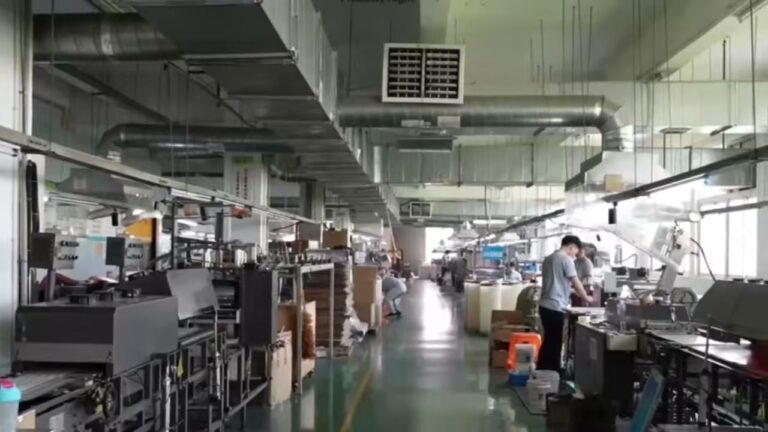
Useful proof starts with work-in-process evidence, not a catalog image. For wholesale bow programs, ask how the sample room, production floor, QC bench, and packing area hand off one order. The reply should make the manufacturing route visible enough for purchasing, merchandising, and warehouse teams to judge whether the supplier can repeat the same result.
MOQ, sampling, lead-time, and reorder terms to compare
Order terms need a clean unit basis. Finished bows, stock ribbon, and printed ribbon programs are not priced or planned the same way, so a mixed quotation can hide cost drivers. Separate the buying quantities, approval steps, and reorder rules before comparing suppliers; otherwise the lowest unit price may be attached to the least usable term.
Communication, packing, and export-readiness signals
Export-readiness shows up in small details: carton marks, inner packing, label data, document replies, and how fast the sales contact resolves missing information. For seasonal retail or packaging bow orders, poor communication can become a warehouse problem. Check whether the supplier can confirm packing logic early, then keep the same instructions through production and shipment.
Product and specification checks before shortlisting
- Does the supplier offer pre-tied bows in the material, width, and color range you need? Pre-tied bows vary by ribbon type, size, and finish; a mismatch forces re-sampling or delays. Supplier provides a specification sheet listing available materials, widths, and color families for pre-tied bows. Approving a bow that does not match your packaging or display spec leads to returns or rework. Request a spec sheet and compare against your program requirements before shortlisting.
- Can the supplier produce pre-tied bows with custom printing or logo integration? Custom branding on bows requires printing or weaving capability that not all bow makers have in-house. Supplier confirms in-house printing or jacquard looms for logo bows and shares artwork approval steps. Outsourced printing adds lead time and quality variance, risking your launch schedule. Ask for printed bow samples and artwork confirmation process before bulk order.
- What packing and inspection processes are in place for pre-tied bows? Bows are delicate; poor packing causes damage, and no inspection means defects reach your customer. Supplier describes individual polybagging, carton packing, and a final QC check before shipment. Damaged or mis-tied bows in bulk can halt your fulfillment line and increase return rates. Request a packing specification sheet and QC checklist as part of the quote.
Material, width, color, finish, and customization range
Before shortlisting a ribbon bows wholesale supplier, verify they can match your exact material—satin, grosgrain, velvet, or organza—and width tolerance. Color consistency across dye lots is critical; ask for a spectrophotometer report under buyer-approved viewing conditions. Confirm they offer custom finishes like wire-edge or stitched tails, and whether they can produce pre-tied bows in your required size and loop count.
Printing, bow-making, packing, and inspection capability
In-house printing or jacquard weaving ensures your logo or message is consistent across every bow. Automated bow-making machines improve uniformity, while manual assembly allows complex styles. Packing should protect bow shape during transit, and a final inspection step catches loose threads or uneven loops before shipment.
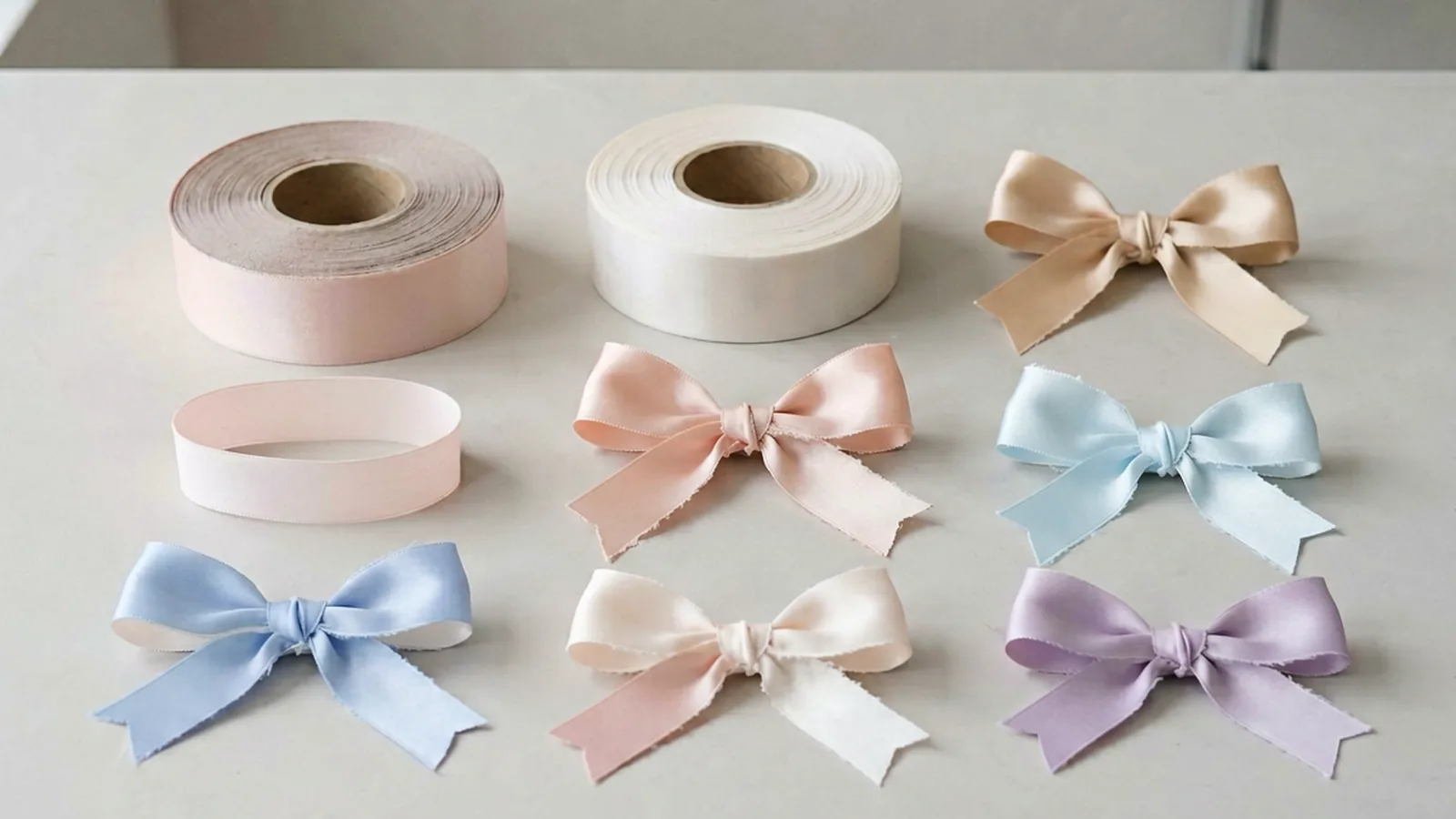
MOQ, cost, sample, and lead-time questions
| Criteria | Baseline option | Confirmed option | Buyer meaning | Risk to avoid | Follow-up |
|---|---|---|---|---|---|
| Specification basis for bow style and ribbon material | Approved width, material, loop size, colour target, and packing documented | Photo reference only, with size and packing assumptions left open | Comparable quotes need the same technical scope before sampling | Hidden changes in ribbon width, bow shape, or carton count | Issue one specification pack and require supplier acknowledgement |
| Cost and MOQ comparison basis for bow programs | Ready-made bows quoted from 1,000 pieces per style or colour | Custom colour or width quoted by RFQ after construction review | Unit price reflects setup, material, labour, and packing assumptions | Low price may exclude tooling, waste allowance, or export packing | Compare landed cost only after each quote line is itemized |
| Sample approval and bulk inspection gate | Pre-production sample approved against artwork, colour, and bow dimensions | Bulk order released from catalogue image or verbal confirmation | Approval creates the buying standard for QC bench checks | Misprinted logos, uneven loops, or shade drift reach packing | Sign one sealed sample and define defect handling in writing |
| Lead-time clock and production schedule dependency | 15-20 business days after confirmed specifications for standard production | Longer timing quoted for complex custom colour, jacquard, or large runs | Schedule starts after artwork review, sample approval, and order confirmation | Late approvals compress production checks and push shipping windows | Approve samples early, then confirm shipment plan and buffer days |
For specification basis for bow style and ribbon material, a poor decision can mean hidden changes in ribbon width, bow shape, or carton count. Request written proof and compare it with the approved sample or specification.
Preserve the specification basis for bow style and ribbon material decision under one revision number: keep the supplier response, marked sample, approved specification, quotation, and approval owner together. If the evidence conflicts with the approved record, hold the quote, sample, or production release until the deviation is explained in writing. Once the buyer and designated technical authority have accepted the evidence, carry the signed approval record into the purchase order, production handoff, shipment release, and later reorder review so every team works from the same baseline.
How to compare quote assumptions across suppliers
Quote comparison works only when every supplier prices the same commercial package, not just the same bow photo. For OEM and ODM ribbon development, separate material, printing, folding, attachment, inner packing, carton marking, and freight terms. This keeps sample-room decisions tied to the purchase order, instead of letting each factory price a different version.
When low unit price creates quality or delay risk
A low unit price can be valid when the supplier has stock material, efficient bow forming, and clear packing rules. It becomes risky when the quote hides setup work, special colour sourcing, extra handling, or rushed inspection. If the supplier cannot explain the price gap, treat it as a schedule and defect-control warning.
Quality and communication red flags
- Supplier cannot produce a color-matching sample before bulk production: Without a pre-production sample, color variance in ribbon dye lots or printed bows can exceed acceptable tolerance, leading to rejected goods and reorder delays. Require a signed-off lab dip or strike-off for each Pantone reference before approving the production sample. Lab dip report or digital color measurement (e.g., spectrophotometer reading) for each color in the order. Document the approved color standard and attach it to the purchase order as a quality benchmark.
- No written artwork approval procedure for custom printed ribbon bows: Misaligned logos, font errors, or placement shifts on printed bows can render an entire run unsellable, especially for gift and retail packaging ribbon solutions. Insist on a two-step approval: first a digital proof, then a physical strike-off on the actual ribbon substrate. Signed artwork approval form and a dated photo of the approved strike-off. Set a 48-hour artwork review window in the production schedule to avoid rush charges.
- Supplier has no documented packing and labeling specification for repeat orders: Inconsistent packing (e.g., loose bows vs. polybagged) or missing barcode labels causes warehouse handling errors and chargebacks from retailers. Request a packing specification sheet that covers inner pack quantity, master carton dimensions, and label placement. Packing spec sheet and a photo of a labeled carton from a previous order. Incorporate the packing spec into the quality inspection checklist and verify at first shipment.
- No repeat-order control procedure for ribbon bows wholesale programs: Without a documented reorder process, the supplier may use different ribbon stock, bow construction, or dye lot from the original approved sample. Ask for a reorder protocol that includes a retained sample from the last approved run and a reorder checklist. Retained sample with a date stamp and a written reorder checklist. Confirm the retained sample is stored and accessible before placing the repeat order.
Artwork, color, and sample approval gaps
When a supplier skips a formal artwork approval step, the risk of misprinted logos or mismatched colors rises sharply. For custom printed ribbon bows, a digital proof alone is insufficient. Always require a physical strike-off on the actual ribbon material. This single check prevents costly re-runs and keeps your packaging program on schedule.
Packing, labeling, and repeat-order control risks
Inconsistent packing and labeling create downstream friction in your warehouse or retail channel. Without a documented spec, each reorder may arrive with different carton dimensions or missing barcodes. A retained sample from the last approved run ensures the supplier reproduces the same bow construction, ribbon type, and color. Add both checks to your quality inspection checklist.
How to move from shortlist to RFQ
For ribbon bows wholesale, build the quote request around Approved bow specification pack covering ribbon type, size, shade, artwork, packing. Match every listed buyer input to written supplier confirmation, approval evidence, and the risk that would hold the quote.
- Approved bow specification pack covering ribbon type, size, shade, artwork, packing: Lets suppliers quote the same construction, not substitute easier production routes Attach approved sample photos, artwork files, carton needs, and labeling instructions Quotes look comparable while bow finish, print position, or packing differs Send one controlled quote request pack and reject incomplete specification replies
- Quantity by style, shade, packing format, and reorder expectation: MOQ acceptance affects unit cost, production grouping, and stock planning Separate launch order, repeat order forecast, and mixed style requirements Supplier may price wrong batch size or decline after sample approval Ask supplier to confirm minimum order fit and quantity break assumptions in writing
- Supplier-confirmed timing for sample, approval, production, packing, and dispatch path: Lead time depends on artwork approval, custom work, inspection, and freight handoff Require written timing for the exact approved route, not a general estimate Buyer may approve late, miss launch dates, or pay avoidable rush charges Make timing conditional on buyer-confirmed requirements and supplier written quotation
- Cost breakdown for ribbon base, tying method, decoration, packing, inspection, freight term: Shows which quote drivers changed, instead of hiding them inside unit price Compare hand-tied versus machine-tied work, logo process, and retail packaging Cheaper quotes may remove handling steps, packing protection, or inspection scope Request line-level assumptions before selecting the commercial quote
- Approval evidence for sample match, print placement, knot shape, and packing protection: Turns factory QC into buyer acceptance criteria before deposit or bulk release Use signed sample, production photos, QC checklist, and final carton image Disputes become subjective after bows are packed and shipped Hold approval until the supplier shares sample-room and QC-bench proof
Quote-ready inputs to send
A mismatch between the buyer’s approved bow and the supplier’s quotation can hide tooling, packing, or approval gaps. Prevent it by sending one controlled quote request pack with drawings, artwork files, shade references, packing needs, inspection expectations, and buyer-confirmed requirement details. The supplier’s reply should state assumptions, exceptions, and path-specific timing in the written quotation.
Sample checks before deposit or approval
Before deposit release, treat the sample as the buying standard, not a display item. Check loop balance, tail cut, knot firmness, logo position, shade match, and carton protection under normal handling. Ask the factory to return photos from the sample room and QC bench so approval evidence matches the order route.
References: ISO 2859-1 sampling inspection standard.
In conclusion
For ribbon bows wholesale, the next procurement action is a written quote request and sample approval record, not only a preferred style or unit price. Confirm the specification, minimum order assumption, artwork version, supplier capability, sample approval method, QC checkpoint, approval risk, and quote follow-up before bulk production.
Ribbon bows FAQ
What should buyers confirm before ordering Ribbon Bows ?
Before ordering ribbon bows, confirm the material composition, width, loop size, tail length, and color target with a Pantone code or physical swatch. Check that the supplier’s minimum order matches your program volume—for ready-made bows, a typical minimum is per style and color, so verify this in the quote request. Also confirm the lead time after specification approval and whether artwork or sample approval is required before production begins.
How should buyers compare MOQ, lead time, and quote terms?
When comparing minimum order, lead time, and quote terms, request each supplier to break down the cost per piece at your target quantity and state the production lead time in business days after all approvals. Verify whether the minimum order applies per design, per color, or per program, and ask if a lower minimum order is possible with a price adjustment. Document the payment terms and whether the quote includes packing, labeling, and shipping, then shortlist suppliers whose terms align with your inventory and budget cycle.
What sample, quality, or supplier checks reduce risk?
To reduce risk, request a pre-production sample that matches your approved artwork and specification, then verify the bow’s loop consistency, stitch quality, and color accuracy against your target. Check the supplier’s quality control process—ask if they conduct in-line inspection during production and final random inspection before shipment. For added assurance, compare the sample to your approved artwork and document any deviations, then approve the sample in writing before bulk production begins.
quote request handoff: Send Specs for Review.
Keep exploring
Recommended buyer guides
 Velvet Ribbon Wholesale Checklist: MOQ, Finish, and Supplier Questions
Evaluate velvet ribbon wholesale options: MOQ, setup fees, unit cost, and packing. Narrow the list before requesting samples…
Explore guide
Velvet Ribbon Wholesale Checklist: MOQ, Finish, and Supplier Questions
Evaluate velvet ribbon wholesale options: MOQ, setup fees, unit cost, and packing. Narrow the list before requesting samples…
Explore guide
 Wholesale Ribbon By The Roll: Roll length and inventory planning
Evaluate Wholesale Ribbon By The Roll options: factory capability, QC proof, lead time, and reorder reliability. Narrow the…
Explore guide
Wholesale Ribbon By The Roll: Roll length and inventory planning
Evaluate Wholesale Ribbon By The Roll options: factory capability, QC proof, lead time, and reorder reliability. Narrow the…
Explore guide
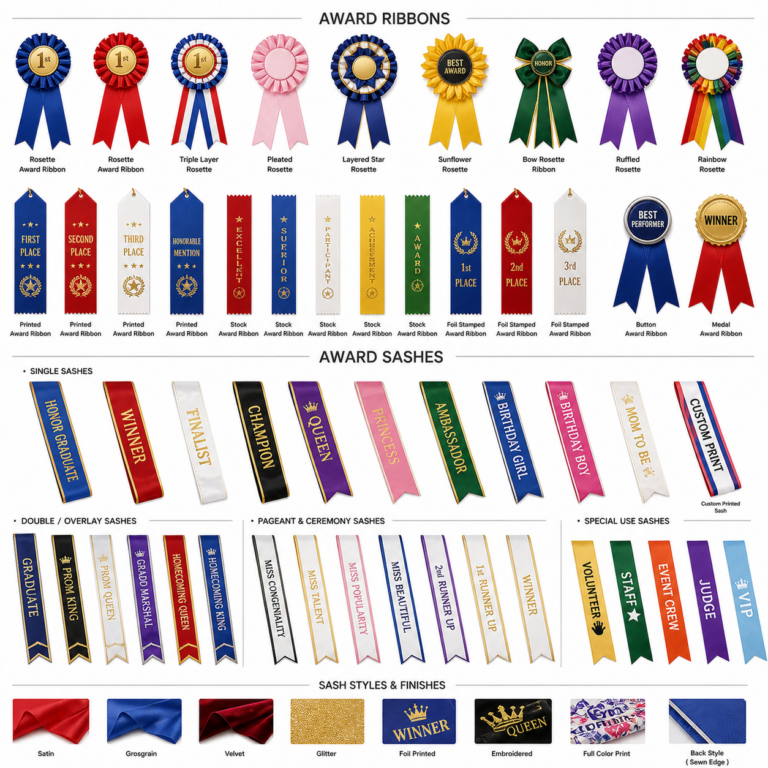 Award Ribbons Wholesale: Bulk award ribbon supplier checks
Shortlist Award Ribbons Wholesale suppliers by factory capability, QC proof, lead time, and reorder reliability. See which options…
Explore guide
Award Ribbons Wholesale: Bulk award ribbon supplier checks
Shortlist Award Ribbons Wholesale suppliers by factory capability, QC proof, lead time, and reorder reliability. See which options…
Explore guide
 Wholesale Ribbon Manufacturers: Factory vs Trading Company Checklist
Evaluate Wholesale Ribbon Manufacturers options: factory capability, QC proof, lead time, and reorder reliability. Narrow the list before…
Explore guide
Wholesale Ribbon Manufacturers: Factory vs Trading Company Checklist
Evaluate Wholesale Ribbon Manufacturers options: factory capability, QC proof, lead time, and reorder reliability. Narrow the list before…
Explore guide
Leave a comment
Share a sourcing question or feedback on this guide. The Lude team reviews submissions before following up.